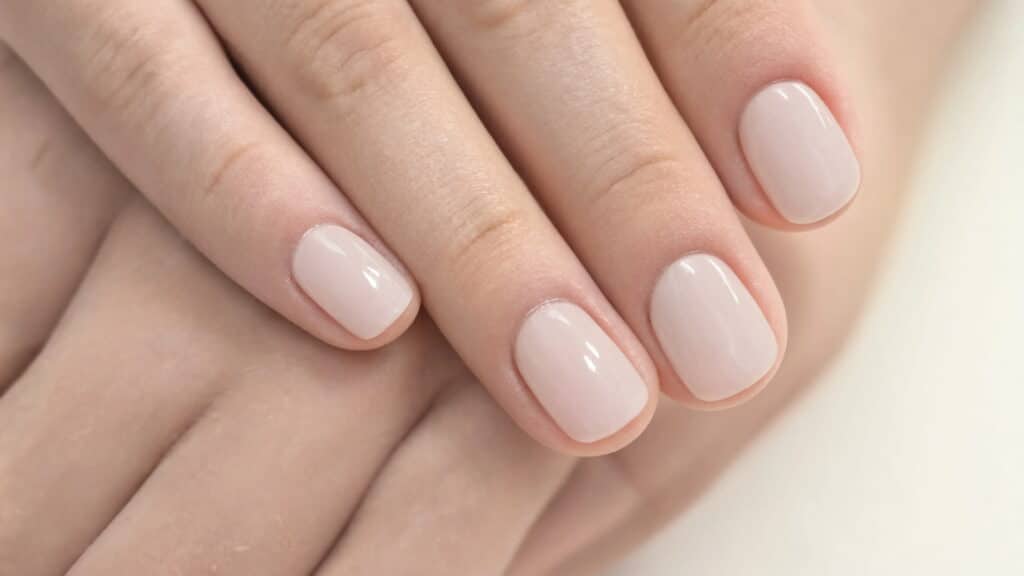

Your cuticle is the thin strip of skin at the base of your nail plate, and it does more work than most people realize.
I trained in cosmetic science through the Institute of Personal Care Science, and one of the first things that course changed for me was how I looked at that little edge of skin. Most of us only notice it when it cracks, lifts, or starts to hurt.
The tricky part is telling a normal, slightly dry cuticle apart from one that is heading toward an infection. Get that wrong and you either ignore something that needs attention or you start picking and trimming at skin that was fine to begin with.
Below, I am breaking down what a healthy cuticle actually looks like, how it differs from an unhealthy one, and the specific warning signs that mean it is time to change your routine or see a provider.
| Feature | Healthy Cuticle | Unhealthy Cuticle |
|---|---|---|
| Texture | Smooth and flexible, slightly matte | Dry, flaking, or visibly peeling |
| Color | Matches your natural skin tone | Red, dark, or patchy |
| Feel | No pain when touched | Tender, sore, or warm to the touch |
| Attachment | Sits close to the nail plate | Lifting or separating from the nail |
| Infection Signs | None | Swelling, pus, or spreading redness |
What A Cuticle Actually Does?
A cuticle is a thin band of dead skin cells that seals the gap between your nail plate and the living skin behind it. That seal is the whole point. It keeps bacteria, fungi, and everyday grime from working their way into the nail matrix, the tissue beneath it that produces new nail.
It also holds moisture against the skin around your nail. Once that barrier weakens, the skin nearby dries out faster and cracks more easily, which is exactly the opening bacteria are waiting for.
This is the same barrier logic I talk about when I explain how to improve your skin elasticity anywhere else on the body. A weaker barrier means faster moisture loss, whether that is on your cheeks or the edge of your nail.
What A Healthy Cuticle Looks Like Day To Day
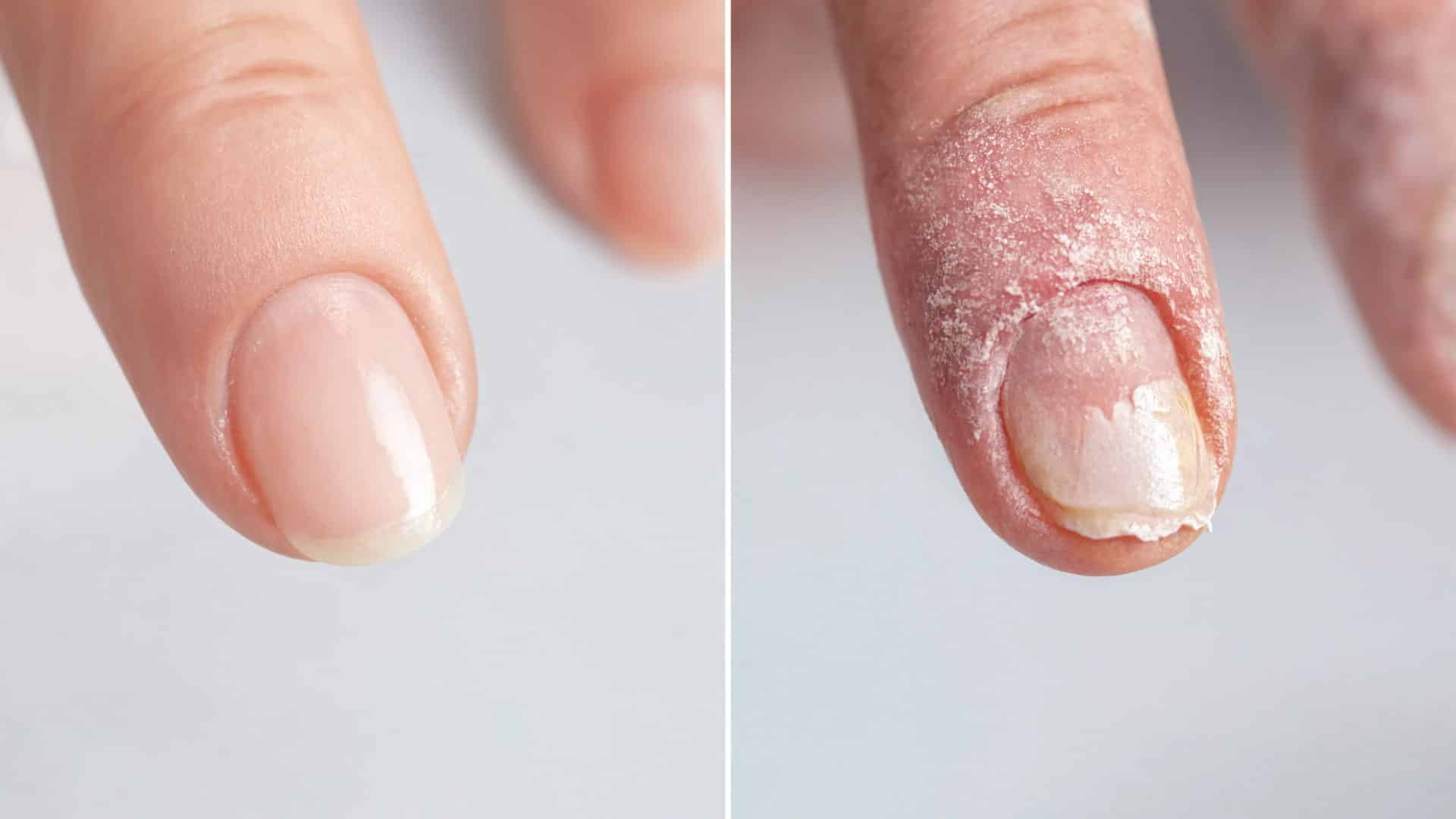
People tend to compare their own hands to salon-perfect, filtered nail photos, and that comparison sets an unrealistic bar. A healthy cuticle is not glossy or flawless. It is soft, close to the nail, and free of pain.
Some dryness after a long day of handwashing or dish duty is completely normal, especially in winter. What matters is whether it cracks or stays intact. A little lifting right after washing your hands is fine too, as long as it settles back down once your skin dries and you have not been aggressively pushing or cutting at it.
Color is the easiest tell. A healthy cuticle stays close to your natural skin tone. It might run slightly lighter or darker depending on your complexion, but it should not show redness, dark patches, or an uneven tone that stands out against the rest of your finger.
Quick tip: If your cuticles start looking dry, work in a light oil or hand cream right after you dry your hands, before the moisture you just washed off has a chance to evaporate.
What Causes An Infected Cuticle (Paronychia)
An infected cuticle, known clinically as paronychia, occurs when bacteria or fungi enter through a small break in the skin. According to MedlinePlus, paronychia most often starts with an injury to the area, like biting off a hangnail or trimming and pushing the cuticle back too aggressively.
A few habits make this far more likely:
- Nail biting or picking: Every bite creates a micro-tear that lets bacteria in, and repeated damage keeps the area from fully healing.
- Cutting the cuticle instead of pushing it back: Removing that tissue outright removes the barrier it was meant to provide.
- Frequent water and chemical exposure: Dishwashing, cleaning, and repeated handwashing soften and break down the skin around the nail over time.
- Gel and acrylic manicures done too aggressively: Over-filing or over-pushing the cuticle during a manicure can open the same kind of entry point. If you get gel sets regularly, it is worth reading through the differences between hard gel and builder gel, since some formulas and removal methods are gentler on the cuticle than others.
Cleveland Clinic notes that people whose hands are frequently wet, such as bartenders and dishwashers, face a higher risk for this reason.
Early Warning Signs Of Cuticle Problems You Should Not Ignore
Cuticle problems rarely appear suddenly; they usually develop through small warning signs that are easy to overlook. Paying attention early helps prevent serious infections or long-term nail damage.
| Warning Sign | What It Indicates |
|---|---|
| Persistent Redness Around Nails | Ongoing redness around the nail base often signals early irritation or infection. If it does not fade within a few days, it may indicate a weakened cuticle barrier that needs attention. |
| Swelling And Warm Sensation | Swelling combined with warmth around the nail area usually indicates inflammation. This is the body’s response to infection and should not be ignored. |
| Nail Shape Or Texture Changes | Uneven growth or nail distortion may suggest deeper cuticle or nail matrix involvement, often linked to spreading infection beneath the surface. |
| Slow Healing Skin Around Nails | When small cuts take longer to heal, it usually means the protective barrier is weakened, increasing the risk of recurring infections. |
Recognizing these early warning signs helps you take timely action and maintain healthier cuticles. Consistent care and gentle nail practices can significantly reduce the risk of complications and support long-term nail health.
How I Actually Take Care Of My Cuticles
The routine that works is boring, and that is the point. Moisturize daily, handle the area gently, and stop treating cuticle care like a monthly salon event.
- Moisturize every day, not just before a manicure. A light cuticle oil or hand cream applied daily does more than an occasional deep treatment.
- Soften before you push, never before you cut. Soak in warm water for a minute or two, then gently push the cuticle back with a soft tool. Skip cutting it entirely.
- Glove up for wet chores. Dishwashing and cleaning products strip moisture fast, and gloves are the easiest fix.
- Space out aggressive manicures. If you love the low-maintenance look of bare nails between gel appointments, a few clean, minimal nail looks give your cuticles a real break without leaving your hands looking unfinished.
Once your cuticles are in good shape, seasonal nail art looks its best, since polish and gel sit more evenly on healthy skin. I keep a running list of seasonal gel nail designs for exactly those in-between weeks when my nails are healthy, but I still want something more interesting than plain.
What Goes Wrong When People Overdo It
The most common mistake I see is treating the cuticle like something to remove rather than something to maintain. Cutting it off does not make nails look cleaner for long. It just removes the seal that protects the nail matrix, which usually leads to increased dryness, more hangnails, and a higher risk of infection within a few weeks.
The second mistake is inconsistency. Applying oil once before a big event and then forgetting about it for a month does not build the kind of barrier that actually holds up against daily handwashing and weather changes. Consistency matters more than intensity here.
Frequently Asked Questions
What is the difference between a cuticle and an eponychium?
The cuticle is the thin layer of dead skin attached to the nail plate. The eponychium is the living skin just behind it. Both protect the nail matrix, but only the cuticle is made of non-living tissue.
Can a damaged cuticle grow back?
Yes, if the damage is mild. Consistent moisturizing lets the skin barrier rebuild itself over a few weeks. Repeated cutting or picking slows that recovery down significantly.
Why do my cuticles get worse in winter?
Cold air and indoor heating both pull moisture out of your skin faster than usual. Without extra hydration, cuticles dry out, crack, and look rougher than they do in warmer months.
Is it normal for cuticles to peel sometimes?
Occasional peeling after frequent handwashing or cleaning is normal. Peeling that keeps happening every few days usually means your routine needs more consistent moisture, not more trimming.
Can what I eat affect my cuticles?
It can play a role. Low biotin, vitamin E, or healthy fat intake shows up as brittle nails and rough cuticles for some people. A balanced diet supports the skin around your nails the same way it supports skin anywhere else.
How often should I actually do cuticle care?
Moisturize daily. Gently push cuticles back once or twice a week at most, and only after softening them in warm water first.
Wrap Up
Understanding nail care becomes much simpler once you know how cuticles behave and what they indicate about your overall nail health. With a clear view of what are cuticles, it becomes easier to separate normal variations from signs of damage or infection instead of guessing.
You’ve seen how healthy cuticles look smooth, soft, and well-attached, while unhealthy ones may show dryness, cracking, or swelling. Simple actions such as regular moisturizing, gentle grooming, and protecting your hands during daily tasks play a major role in keeping cuticles strong and healthy.
All these small habits work together to maintain better nail hygiene, improve appearance, and prevent long-term damage. When you notice early signs and respond correctly, nail care becomes far more effective and less stressful.
If this helped you, try applying these tips in your daily routine and see how your nail health improves. You can also explore additional related nail care topics to deepen your understanding, or share your own experiences and questions.