
When one starts using retinol, the onset of small pimples often raises the concern of whether the treatment works or does more harm than good. The occurrence of the problem is especially annoying when everything used to be fine before.
When I started taking retinol, I noticed improvements in areas where I usually got blemishes, and I had to figure out whether it was the normal retinol purge or a bad reaction from my skin.
I found out what a retinol purge looks like, how long it lasts, and when to change the routine.
What Does a Retinol Purge Look Like on Skin
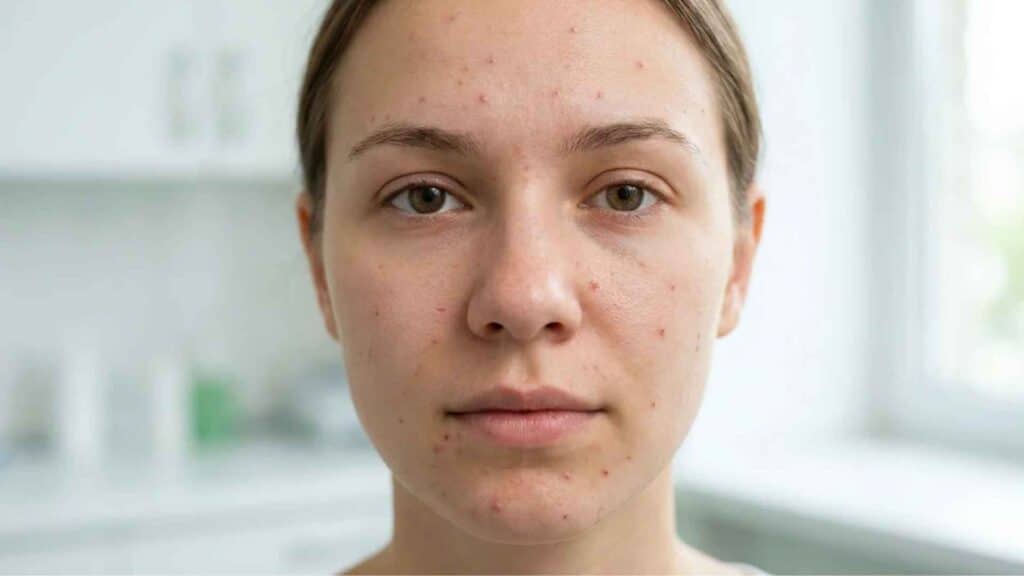
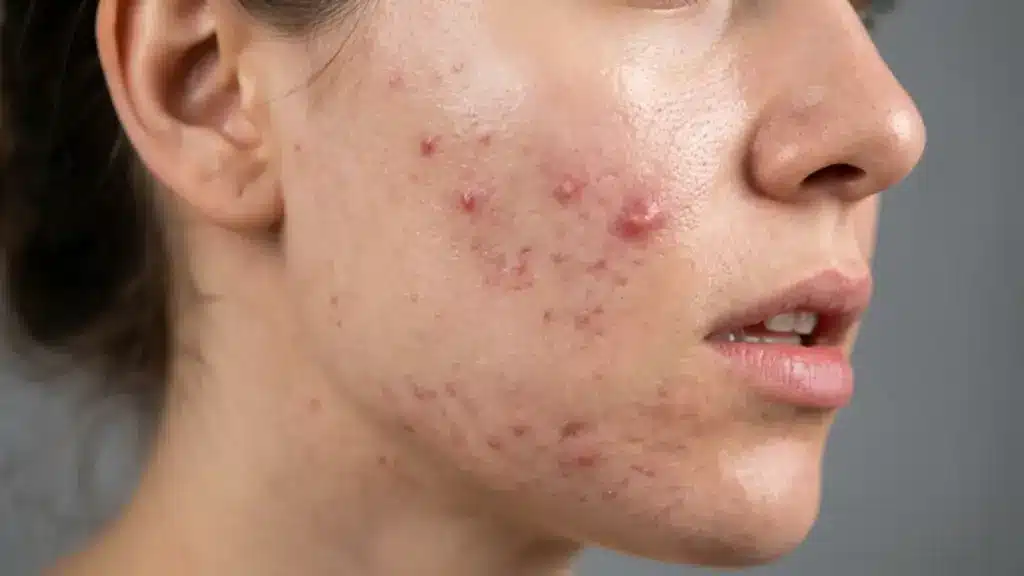
A retinol purge usually appears as small whiteheads, tiny red bumps, or rough patches in areas where you already tend to break out, like the forehead, chin, jawline, or nose.
The bumps are often small and clustered, not deep or painful. Mild dryness, light peeling, and a rough texture can also happen as retinol increases skin cell turnover.
Most purges begin within 1 to 3 weeks of starting retinol or increasing its strength. The biggest clue is location: if breakouts appear in your usual acne zones and look familiar, it may be purging. New types of breakouts in unusual areas may point to irritation instead.
Does a Retinol Purge Mean Retinol is Working?
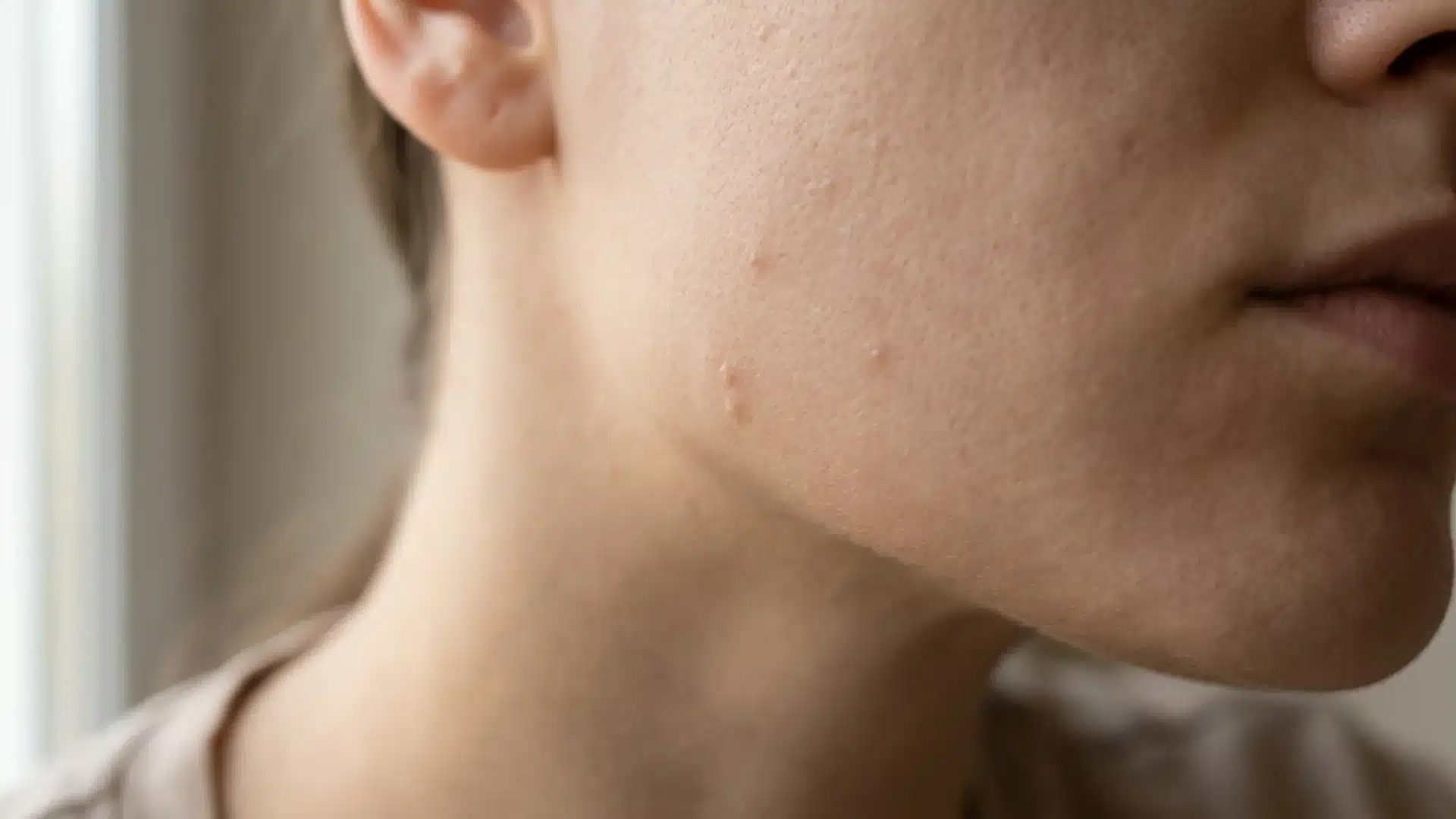
A retinol purge could mean that the key ingredient is speeding up how often skin cells are replaced, potentially forcing clogged pores to open.
However, this doesn’t necessarily mean your retinol is “doing” its job or that the lesions you experience are all part of the process.
When I started retinol, I realized that the pattern mattered more than the breakout. Any little bumps in the areas that are usually affected by acne would be different than random acne spots accompanied by burning and irritation.
Purge vs. Reaction: The Difference That Decides Your Next Move
A retinol purge and a skin reaction can look similar at first, but they need completely different approaches. A purge may mean your skin is adjusting, while irritation signals you to slow down or change your routine.
Research on retinoid-related irritation shows that these effects are often dose-dependent, meaning product strength and how often you apply it can influence the intensity of the reaction (NIH/PMC).
Sign | Retinol Purge | Reaction or Irritation |
|---|---|---|
Location | Appears in your usual breakout areas like the chin, forehead, or jawline | Shows up in new areas where you rarely break out |
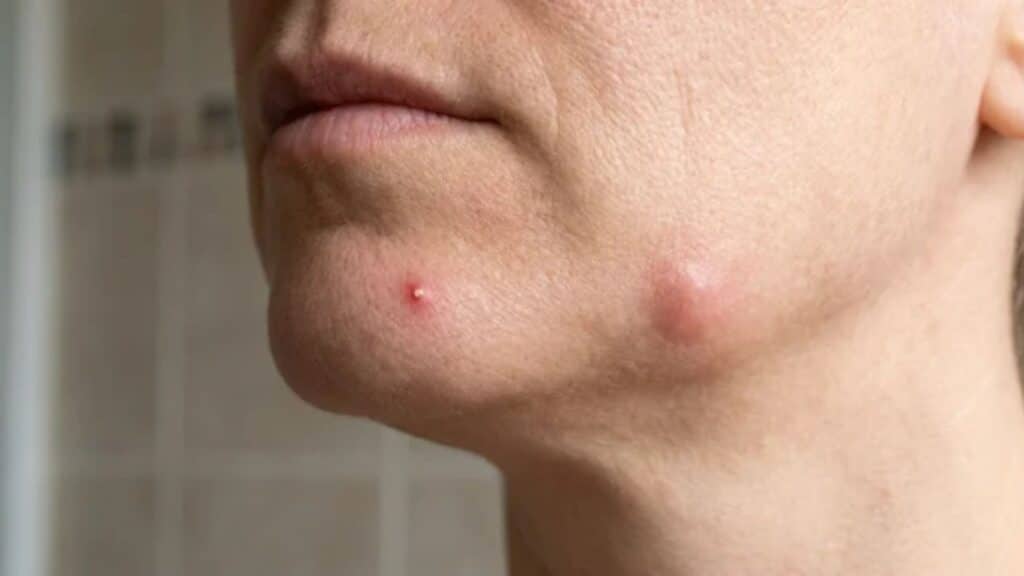
Bump type | Small, similar-looking whiteheads or tiny bumps | Large, painful, swollen, or cyst-like bumps |
Healing speed | Individual spots usually clear within a few days | Spots linger, spread, or continue getting worse |
Onset | Often starts within the first 1 to 3 weeks of retinol use | Can happen anytime, especially after increasing strength |
Extra signs | Mild dryness, slight peeling, or rough texture | Burning, swelling, blistering, or intense redness |
If your skin leans toward the reactive side of the table, it is better to adjust your routine rather than push through and worsen irritation.
How Long is a Retinol Purge Expected to Last?
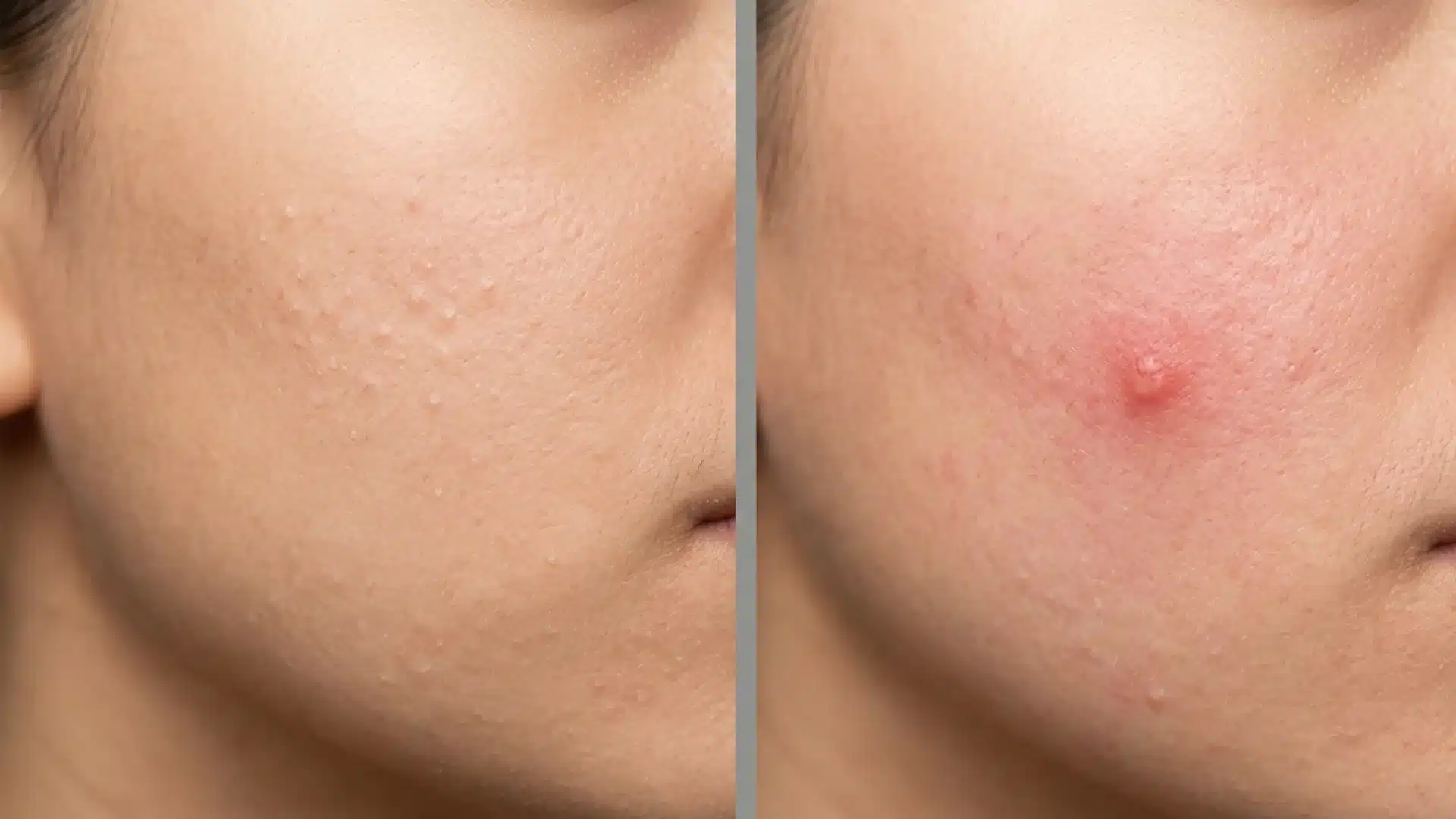
A retinol purge usually lasts about 6 to 8 weeks for most people, though it can vary by person depending on skin health, retinol strength, and application rate.
Initially, the effects may be pronounced, with small bumps forming in areas where you are used to forming pimples.
This is followed by a reduction in the number and frequency of breakouts as the skin recovery process continues.
However, if you continue to break out after 8 weeks, or notice breakouts in new places, it is a good time to review your skincare routine.
The Retinol Purge Timeframe by Week
Typically, retinol purging progresses stepwise, but the timeframe varies depending on the individual’s skin, retinol concentration, and frequency of use.
- Week 1 to Week 2: The skin is likely to experience some bumps in the usual areas of breakouts. There may be some tightness or dryness in the skin.
- Week 3 to Week 4: This is often the hardest stage, when breakouts feel more noticeable, and many people start thinking about quitting.
- Week 5 to Week 6: During these weeks, the number of new bumps will decrease, and the existing spots will begin to heal.
- Week 7 to Week 8: The purging should have eased by this point; any new breakouts or further progression of the old breakouts is probably due to irritation.
A minor secondary wave may occur around the week five as the deeper pores continue clearing, but this is usually mild.
Continue, Adjust, or Stop: The Decision Framework
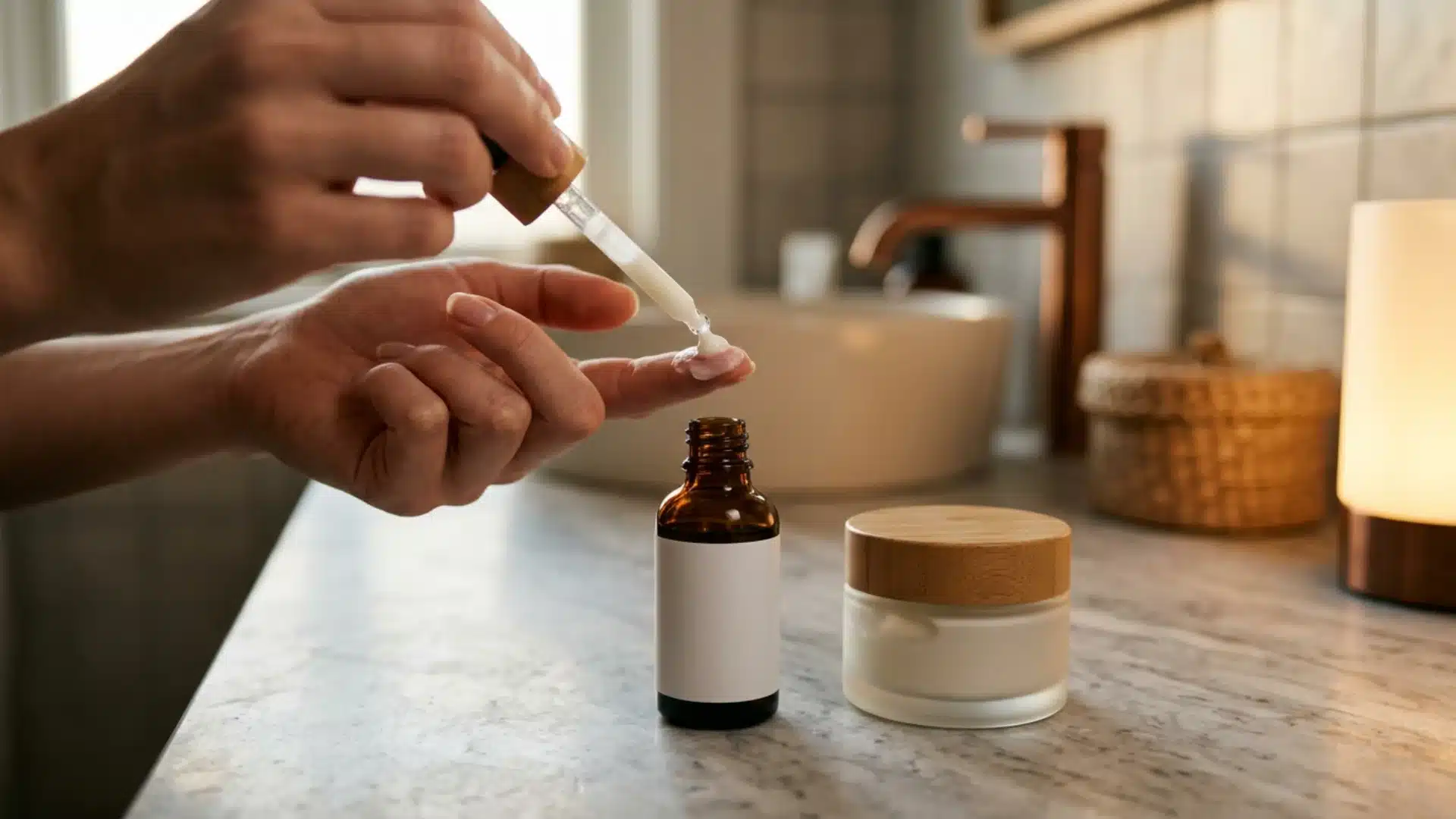
The toughest challenge in retinol treatment is deciding what to do next. Should you keep using it, reduce the dosage, or stop? Usually, the answer will depend on the reaction of your skin to the treatment.
You Should Continue Using It if You Notice:
- Minor breakouts
- Slight dryness or peeling that can be handled by your moisturizer
- Progress, or at least no changes in your overall skin condition
- No swelling or breakouts in other spots
You Should Change Your Routine if You Notice:
- Skin feeling too tight or dry
- Flaking more noticeable than expected
- Lack of progress in terms of acne
- Too frequent use of retinol or the use of stronger forms too quickly
Stop and Get Advice if You Notice:
- Swelling, blistering, burning, or painful cyst-like bumps
- Breakouts appearing in places where you rarely get them
- Your skin keeps getting worse after eight weeks of consistent use
- Signs that look more like an allergic reaction than a normal adjustment
Most retinol purges do not mean you need to quit. In many cases, slowing down and giving your skin time to adjust works better than stopping completely.
How to Adjust Without Losing Retinol’s Benefits
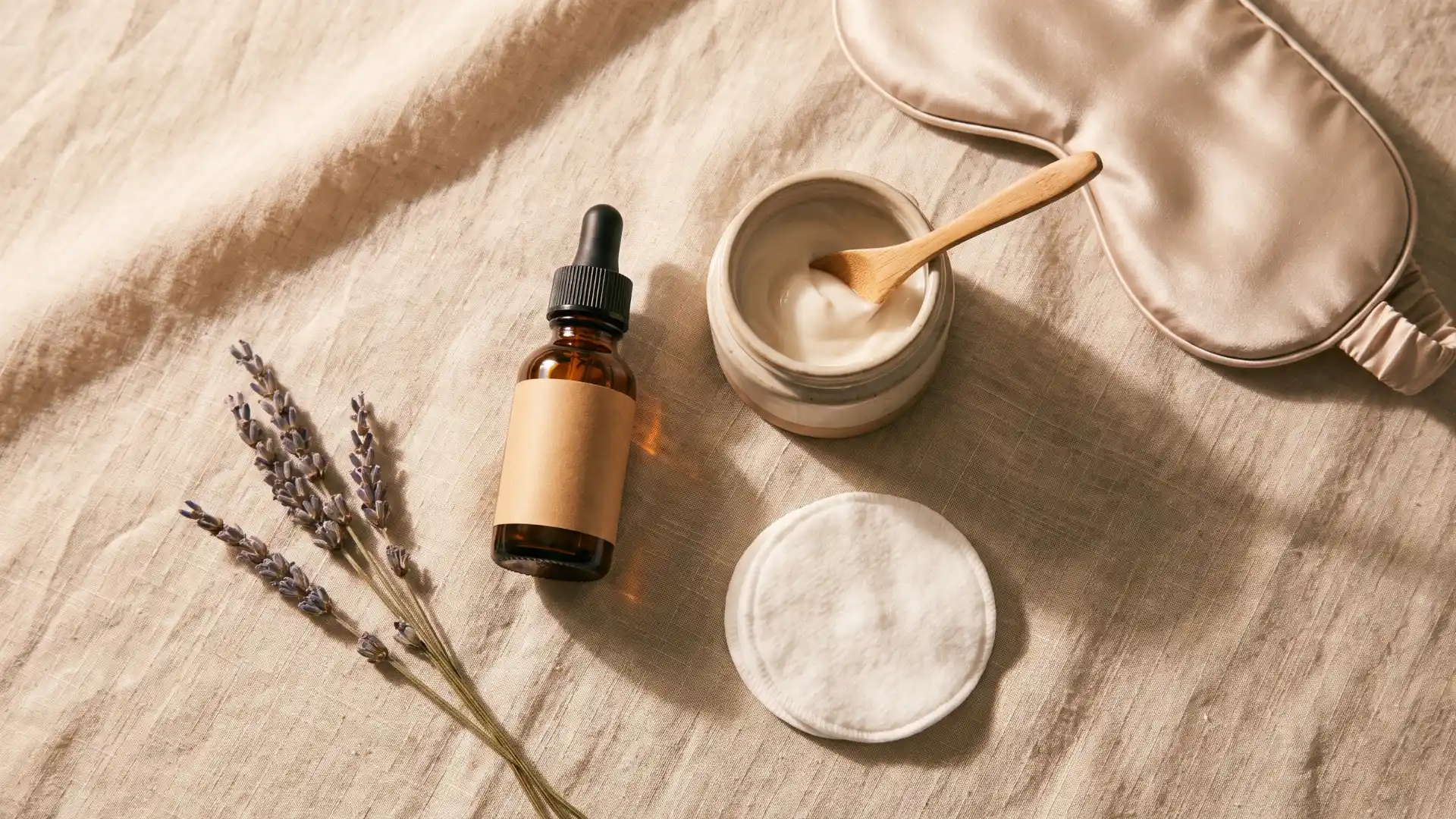
Adjusting Retinol while Keeping its Benefits
If you are having trouble with your skin, you do not have to stop using retinol completely. Simple adjustments can help to ease the irritation as you continue using the product.
- Cut down on the Usage Frequency: Instead of using retinol every night, try out using it every other night or a few times some days a week.
- Use a Smaller Amount of Retinol: A pea-sized dot is enough; applying too much won’t speed up the process.
- Use the so-called sandwich technique: Applying retinol before or after moisturizer can help reduce dryness and irritation, especially if your skin feels sensitive.
- Apply Retinol on Dry Skin: Avoid using this product right after cleaning the skin. Wait 15-20 minutes for it to dry out.
- Reduce the power of the product: Start off using a weaker product temporarily until you are able to adjust.
If irritation continues, dermatologists often suggest using a smaller amount or applying retinoids less frequently to help your skin adjust while keeping the treatment in your routine, as recommended by the American Academy of Dermatology.
Mistakes That Can Make a Retinol Purge Worse
Experiencing retinol purging can be irritating enough; however, some behaviors may prolong the discomfort.
Popping the pimples can lead to increased tattooing of the skin. Embracing new active ingredients, whether acids, Vitamin C, or anti-acne products, can also irritate the skin and lead to overactivity.
Excessive washing and scrubbing can make things worse, especially if you already have sensitive areas like dry skin on the eyelids.
At times, it can be appropriate to take a break, but immediately returning to retinol use can cause both types of irritation.
You must be persistent and patient to allow your skin to adjust. Simple but effective skin care with gentle cleansing, moisturizing, and sunscreen can help the skin better adapt to retinol.
When It Would Be Best to Consult a Dermatologist
In most cases, you can manage retinol purging with a few simple changes. However, if something doesn’t seem quite right, seeing a professional is important.
Symptoms that could warrant a visit to the dermatologist may include:
- Intense Breakouts: Larger pus-filled bumps are not typical of a purge.
- Outbreaks in Different Areas: If the spots are appearing in places where you do not usually have them, it may be a sign of irritation.
- No Improvement After 8 Weeks: Purging should gradually improve rather than worsen.
- Strong Irritation: Symptoms such as burning, blistering, and swelling require further attention.
If you are using a medical retinoid and it causes serious trouble, it may be a good idea to seek help.
Conclusion
A retinol purge can be frustrating, but it does not always mean your skin is rejecting the product. When I started using retinol, I learned that watching the pattern mattered more than reacting to every new bump.
Small breakouts in my usual areas, gradual improvement, and routine adjustments helped me stay consistent without overdoing it.
If you are wondering what a retinol purge looks like, remember that location, timing, and how your skin feels all matter. Painful bumps, new breakout areas, or no improvement after eight weeks are signs to get expert advice.
Have you experienced a retinol purge? Comment down below and share what helped your skin adjust.
Frequently Asked Questions
Does Retinol Purge Happen Every Time You Increase Strength?
No. Some people purge when they first start retinol, while others notice it only after moving to a stronger formula. It depends on your skin and existing clogged pores.
Can You Wear Makeup During a Retinol Purge?
Yes. Stick with gentle, non-comedogenic makeup and avoid heavy products that may feel irritating as your skin adjusts.
Is Tretinoin Purging Different from Retinol Purging?
The process is similar, but tretinoin is stronger and prescription-based, so purging may begin sooner and feel more intense for some people.
How Long Does a Retinol Purge Usually Last?
Most purges start within one to three weeks and improve within about six to eight weeks. Ongoing worsening may mean irritation instead.