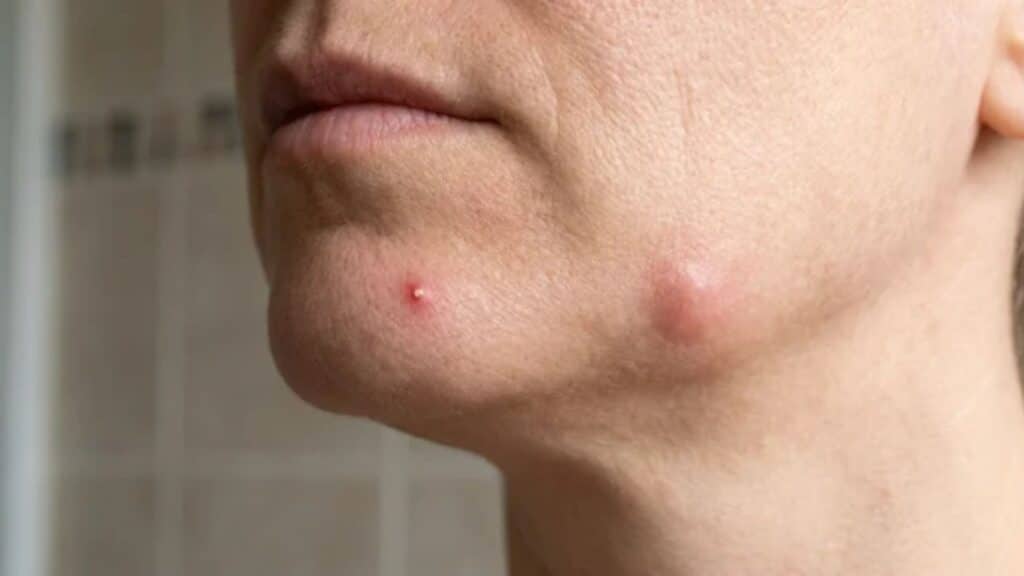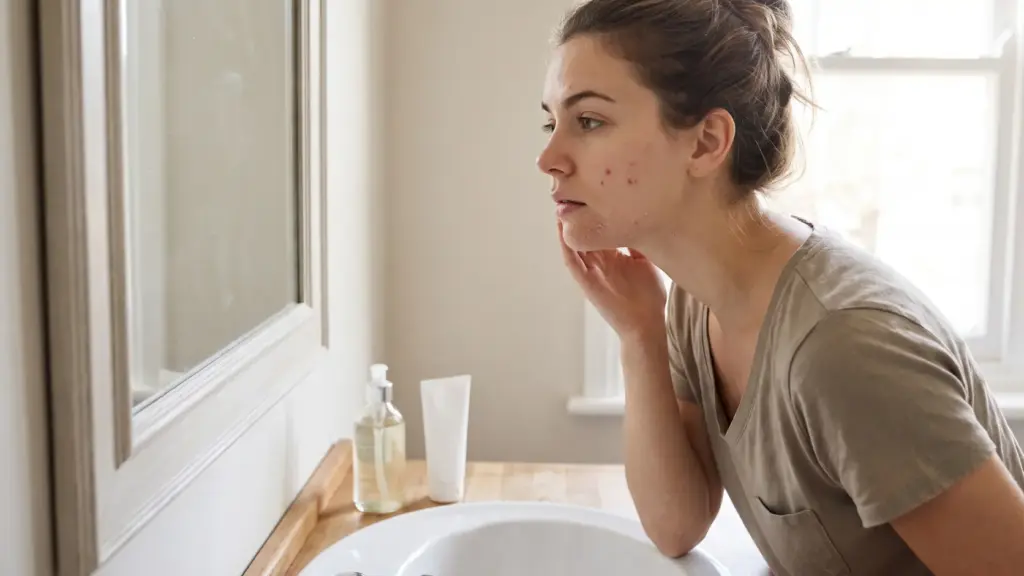

Your face can feel tight and flaky, yet still break out. That mix is frustrating because it feels like your skin is sending two different messages.
So, can dry skin cause acne? It can contribute to breakouts, but it usually is not the direct cause by itself. Dryness can irritate your skin and leave dead skin buildup around pores.
I would not treat this by drying the skin more. That often makes the cycle harder to stop. You need a simple plan that calms dryness, keeps pores clear, and fits what real people with the same skin issue often learn after trying too much at once.
Why Dry Skin and Pimples Can Show Up Together
Dry skin does not always mean your face has no oil. Your cheeks may feel tight, but oil can still collect inside pores. That is why someone can have flakes on the surface and whiteheads underneath.
This often starts after harsh cleansing, hot water, scrubs, cold weather, strong acne products, or skipping moisturizer. Dry and irritated skin can feel sore, rough, and more reactive.
Acne forms when pores become clogged with oil and dead skin cells. The American Academy of Dermatology explains that clogged pores contribute to how acne develops. If dead skin builds up around the pores, it may make the skin feel rougher and more prone to congestion.
The simple point is this: dry skin and acne are not opposites. They can happen together when your skin is irritated and your pores are still getting blocked.
Can Dry Skin Cause Acne?
Dry skin can contribute to breakouts, but it is usually not the direct cause.
A better way to think about it is this: dryness can make pimples more likely and harder to calm. When your skin is dry, dead cells may not shed smoothly. The surface can feel rough. When dead skin cells and oil collect around pores, they can add to clogging and lead to bumps, whiteheads, or inflamed pimples.
Dryness also makes acne treatments harder to tolerate. Products with benzoyl peroxide, salicylic acid, or adapalene can help with acne, but they may also cause peeling, redness, burning, or stinging. Mayo Clinic notes that lower-strength benzoyl peroxide products can reduce the risk of side effects such as dry skin, scaling, irritation, burning, and stinging.
This is why drying out your whole face is not a smart fix. A dry pimple may look smaller for a short time, but irritated skin can peel, sting, and clog more easily. The goal is balance. You still treat acne, but you do it without making your face feel stripped.
What Dry Breakouts Often Look Like

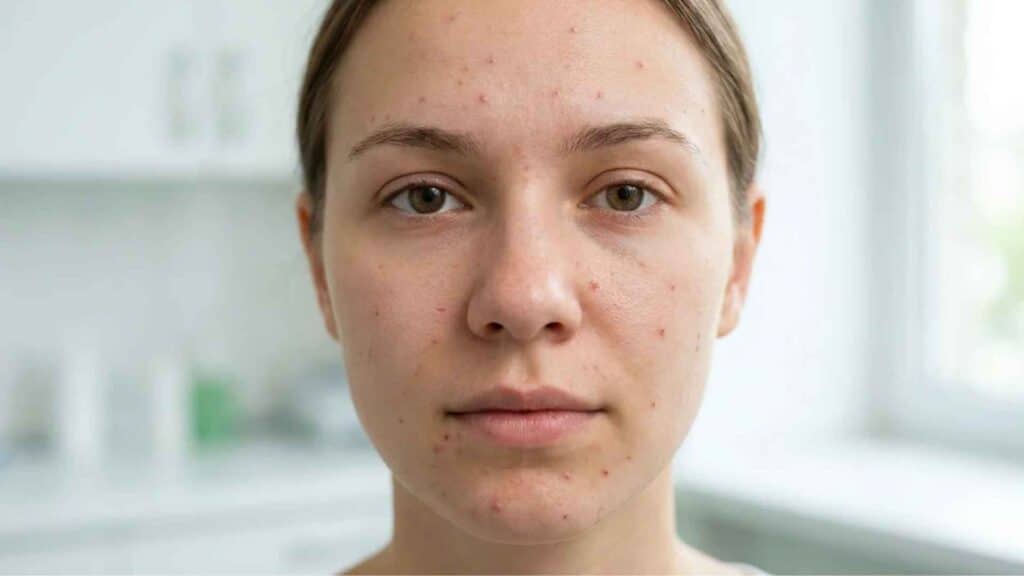
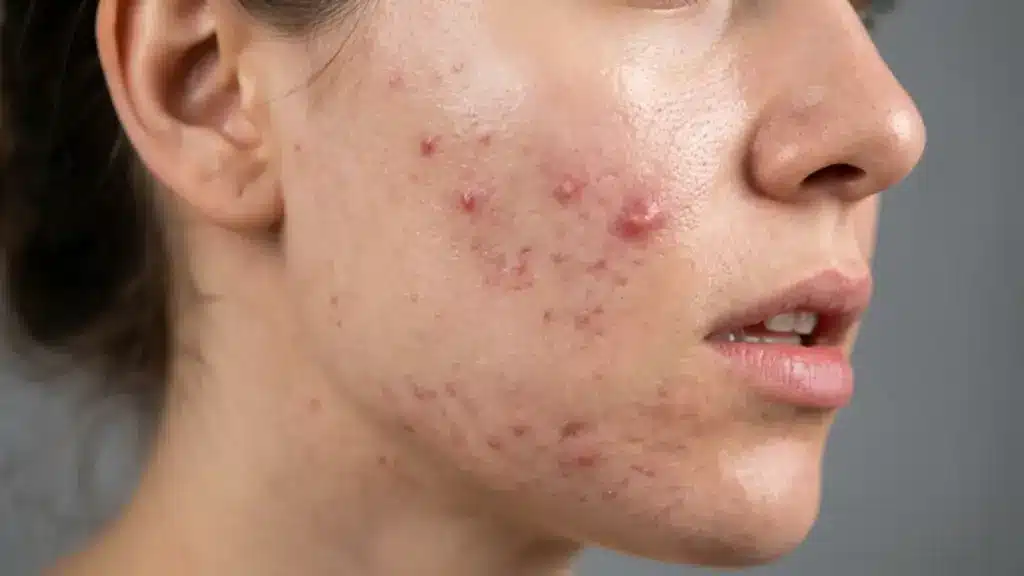
Dry breakouts often look rougher and more irritated than oily breakouts. Your skin may not look shiny. It may look dull, red, patchy, or flaky.
| Sign | What It May Mean |
|---|---|
| Tight skin after washing | Your cleanser may be too strong |
| Flakes around pimples | Your skin may be irritated |
| Small bumps on rough areas | Dead skin may be sitting near the pores |
| Burning after products | Your routine may be too harsh |
| Whiteheads on dry patches | Clogged pores may be present with surface dryness |
| Makeup clinging to spots | Surface dryness is likely present |
A big clue is how your skin feels after basic steps. If your face feels tight right after washing, your cleanser may be stripping too much. If a moisturizer burns, your skin may already be irritated.
Do not judge your skin only by how it looks in the mirror. The tight, sore, or stinging feeling matters too.
Why the Same Pimples Keep Coming Back

Dry acne-prone skin often gets stuck in a cycle. It may start with a strong cleanser, hot water, a scrub, or a drying acne product. At first, your skin may feel extra clean, but soon it can feel tight, rough, and irritated.
Once the skin gets too dry, dead skin can build up around pores. Oil and dead skin may then collect in the same area, which can lead to bumps, whiteheads, or sore pimples.
The cycle usually looks like this:
- Skin gets stripped: A harsh product or habit dries out the surface.
- Dead skin builds up: Flakes and rough patches sit around pores.
- Pores get clogged: Oil and dead skin collect together.
- More treatment gets added: Stronger products make the skin even more irritated.
This is why a product can seem helpful for a few days, then suddenly make your skin look worse. The active ingredient may not be wrong. The routine may just be too harsh for dry skin.
MedlinePlus says acne medicines can cause redness or peeling, and if they irritate the skin, using smaller amounts or applying them less often may help.
So before adding more products, check the basics. If your cleanser, treatment, and moisturizer do not work together, your skin may stay stuck in the same cycle.
How to Stop Pimples Coming when Your Skin Feels Dry

If you want to know how to stop pimples from appearing on your face, start with a daily routine your skin can handle. Dry acne-prone skin usually does better with fewer steps and slower changes.
| Time | What to Do | Why It Helps |
|---|---|---|
| Morning | Rinse or use a gentle cleanser | Removes sweat without stripping |
| Morning | Apply a light moisturizer | Helps reduce tightness |
| Morning | Use non-comedogenic sunscreen | Helps protect skin during acne treatment |
| Night | Cleanse gently | Removes sunscreen, oil, and dirt |
| Night | Use one acne treatment 2 to 3 nights weekly | Helps pores without overdoing it |
| Night | Moisturize again | Helps with peeling and dryness |
A dry acne-prone routine should feel simple, not harsh. Focus on three basics first: cleansing, moisturizing, and treating pimples slowly.
- Cleanse gently: Choose a mild, non-drying cleanser. The American Academy of Dermatology recommends gently washing acne-prone skin up to twice daily, especially after sweating. It also says scrubbing with washcloths, sponges, or tools can irritate skin.
- Moisturize without clogging pores: Look for terms like non-comedogenic, oil-free, or “will not clog pores.” Useful ingredients may include ceramides, glycerin, hyaluronic acid, panthenol, and niacinamide.
- Treat acne slowly: Keep it simple. Benzoyl peroxide, salicylic acid, adapalene, and azelaic acid can help with acne, and azelaic acid’s exfoliating properties make it a gentler option that dry skin may tolerate better if used less often at first. Pick one active. Use it slowly. If your face burns or peels badly, step back.
Once these steps feel steady, you can adjust the treatment slowly rather than changing the whole routine at once.
What Real Skin Discussions Say About Dry Breakouts

Community feedback matters because dry acne can feel hard to figure out from product advice alone. Real threads show the same pattern again and again: people need moisture, but they worry the wrong product will clog pores or make pimples worse.
In this Reddit dry acne-prone skin thread , one user said their skin was “super dry,” but they also got “pimples,” “closed comedones,” and clogged pores. They were using a light moisturizer, but felt it was not enough and were nervous that a heavier product might clog their skin.
In this Acne.org benzoyl peroxide moisturizer thread, one person said they struggled with “dry skin from the BP” even after months of use. Another user said their dry, flaky skin improved with CeraVe and that it “never breaks me out.”
In this Acne.org thread about dry and irritated skin, one user said that prescription acne medication made their face “dry, flaky, red, and irritated” within three days. They wanted a non-comedogenic, oil-free moisturizer because they still had acne concerns.
In this Acne.org clogged pores moisturizer thread, one person said moisturizers clogged their pores and led to breakouts, but their skin was also “so dry and flaky from benzoyl peroxide.” That shows the hard balance many people face with dry acne-prone skin.
These stories point to the same takeaway: dry acne is not only about finding a stronger pimple treatment. Many people are trying to balance moisture, clogged pores, irritation, and product fear at the same time. Forum advice can help you compare real experiences, but severe, painful, or scarring acne still needs a dermatologist.
Mistakes That Make Dry Skin Acne Worse

Dry acne-prone skin often gets worse from small habits that seem harmless. A few small changes can make your routine easier on your face.
- Washing too often: Cleanse once or twice daily. More washing can leave your skin tight and irritated.
- Using hot water: Use lukewarm water instead. Hot water can make dryness and redness feel worse.
- Scrubbing flakes: Soften dry areas with moisturizer instead of rubbing them off. Scrubbing can make pimples look angrier.
- Skipping moisturizer: Use a light non-comedogenic moisturizer. Dry acne-prone skin still needs moisture.
- Using many acne products: Start with one active ingredient. Too many treatments at once can make it hard to know what is helping.
- Spot-treating every bump daily: Follow the label and use a small amount. More product does not always mean faster results.
- Picking pimples: Use a pimple patch on whiteheads if needed. Picking can make marks and swelling worse.
- Changing products every few days: Keep a routine long enough to judge it. Acne treatment needs time to work.
- Sleeping with makeup: Remove makeup gently at night. Leftover makeup can mix with oil, sweat, and dead skin.
- Letting hair products sit on the face: Keep oils, gels, and styling creams away from acne-prone areas.
The American Academy of Dermatology says using a new acne product every few days can irritate skin and cause more breakouts. It also says acne treatment needs time to work.
If congestion around your nose keeps coming back no matter what you try, it can help to look at how to clear blackheads on the nose separately, since that area often needs its own approach.
If your face feels sore after each step, do less. A good routine should leave your skin clean and comfortable, not tight and angry.
How to Treat Active Pimples Without Making Dryness Worse

Active pimples need focused care. If you treat the whole face every time a bump appears, dry skin can get more irritated. The better move is to match the treatment to the type of pimple and keep the surrounding skin calm.
- Red or sore bump: Use a small amount of benzoyl peroxide if your skin can handle it. Mayo Clinic says lower-strength benzoyl peroxide options can work well with less risk of dryness, scaling, burning, and stinging. If redness lingers after the bump itself calms down, a few extra steps can help you get rid of red spots without adding more irritation.
- Clogged pores: Salicylic acid may help when pores feel bumpy or congested. Use it only on nights when your skin is not already peeling, burning, or feeling raw.
- Whitehead: A pimple patch can help protect the spot from picking. It will not treat deep acne, but it can keep your fingers away while the bump settles.
- Dry skin around the pimple: Do not keep adding spot treatment over flaky skin. Apply moisturizer around the area first, then treat only the raised bump if needed.
- Stinging or burning skin: Skip acne treatment for the night. When your skin feels irritated from basic products, more actives can make the breakout area look worse.
Avoid toothpaste, lemon juice, baking soda, salt scrubs, and undiluted essential oils. These may sound simple, but they can irritate dry acne-prone skin and make redness last longer.
This keeps active pimple care focused. You still treat the bump, but you do not dry out the rest of your face just to handle one spot.
When You Should See a Dermatologist
Some breakouts need more than a home routine. If your acne is deep, painful, spreading, or leaving marks, it is better to seek help rather than try stronger products on already irritated skin.
You should consider a dermatologist if acne is deep, painful, spreading, or leaving scars. You should also seek help if your skin often burns, peels severely, or reacts to most products.
Sudden adult acne may also need a closer look. Hormones, medication, skin conditions, or other triggers can play a role. If bumps are itchy, rash-like, very even in size, or not acting like normal acne, it may be something else.
The American Academy of Dermatology says deep, painful acne requires treatment targeting clogged pores, bacteria, inflammation, and excess oil, and that a dermatologist can help with this. Dry skin needs a careful acne plan. A dermatologist can help you treat breakouts without leaving your skin feeling raw.
Frequently Asked Questions
Can makeup make breakouts worse?
Yes, some makeup can clog pores or irritate already dry skin. Choose products marked non-comedogenic, remove makeup gently every night, and avoid heavy layers over flaky areas. Dirty brushes and sponges can also keep breakouts active.
Should flakes around pimples be peeled off?
No. Peeling flakes can create tiny skin injuries and make redness last longer. Soften the area with moisturizer instead. If flakes keep returning, your cleanser or acne treatment may be too strong for daily use.
Can food be the main reason this happens?
Food can affect some people, but it is not the only cause for most breakouts. If you notice repeated flares after certain foods, track them for a few weeks and ask a healthcare professional before cutting big food groups.
Why does moisturizer sting on my face?
Moisturizer can sting when your skin is irritated, cracked, or overtreated. Fragrance, acids, or certain preservatives may also bother you. Switch to a plain, fragrance-free option and pause strong products until your skin feels calm.
How long should I keep one routine?
Give a gentle routine for at least four weeks unless it burns, swells, or clearly worsens your skin. Acne treatments often need longer. Changing products too fast can make it harder to know what helped or hurt.
Final Takeaway
If you keep wondering can dry skin cause acne, the answer is yes, it can help set up the problem.
Dryness can leave behind dead skin, irritate your skin, and make acne products harder to tolerate. I would not fight that by drying out your whole face. I would first calm the skin, then treat pimples with care.
Start with a gentle cleanser, light moisturizer, sunscreen, and one acne treatment used slowly. Save the stronger products for when your skin feels steady again. Keep the routine steady before judging it.
If breakouts are deep, painful, or leaving marks, book a dermatologist visit and get a plan that fits your skin.