
Have you ever looked at a piercing and suddenly noticed a bump that wasn’t there before? It’s confusing, and honestly a little scary, especially when you start thinking it might be something serious like a keloid.
The concern about a piercing bump vs. vs keloid is common because both can look similar at first, but they don’t behave the same way and require very different care. I’ve seen how quickly people jump to worst-case assumptions, and it usually adds more stress than clarity.
I understand that you just want to know what is happening to your skin and what you should actually do next without making it worse.
In this guide, I’ll break down how to tell the difference, what each condition really means, and the safest steps you can take for treatment or healing. By the end, you’ll feel more confident about whether it’s normal irritation or something that needs medical attention.
| Feature | Piercing Bump | Keloid |
|---|---|---|
| Texture | Soft, slightly puffy | Firm, rubbery |
| Size over time | Shrinks with care | Keeps expanding |
| Timeline | Shows up in days to weeks | Builds over 3 to 12 months |
| Fix | Saline, patience, jewelry check | Dermatologist treatment |
What a Piercing Bump Really Means?
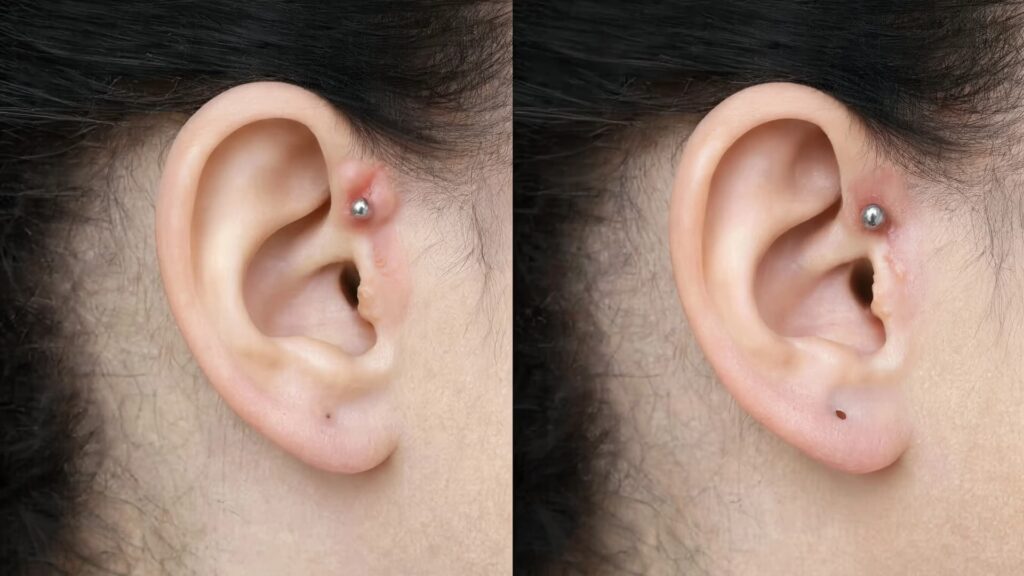
A piercing bump is usually a temporary irritation caused by healing stress, friction, pressure, or minor trauma around the piercing site. It is not typically a sign of infection or permanent scarring.
It is commonly triggered by tight or poorly fitting jewelry, metal sensitivity (especially nickel), over-cleaning, or accidental irritation, such as sleeping on it or snagging the piercing. The body reacts by forming a small amount of localized tissue, which appears as a bump near the piercing hole.
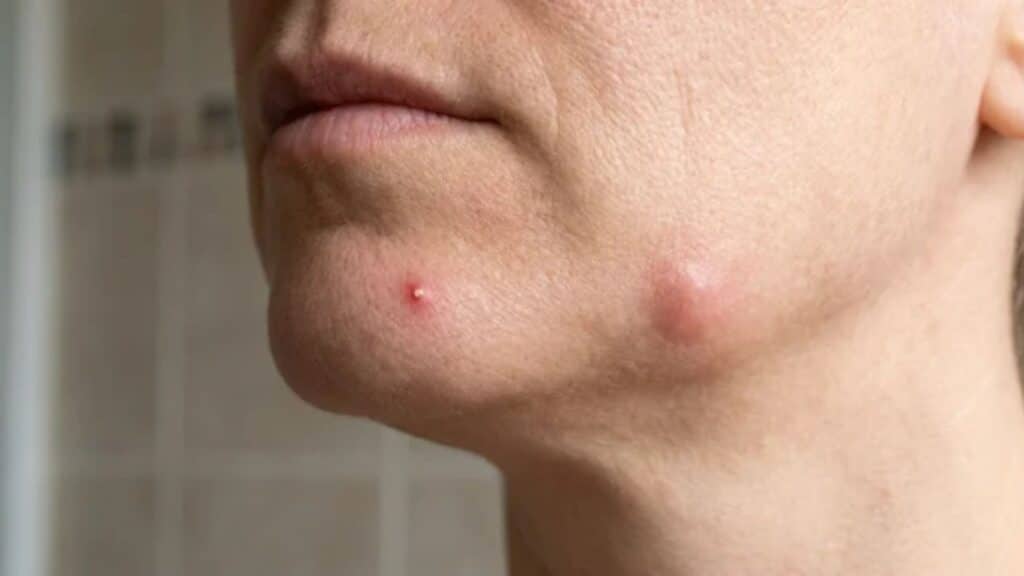
An irritation bump usually looks soft or slightly raised, stays confined to the piercing area, and appears pink or red. It may feel mildly tender and can change in size depending on irritation levels, which is normal and expected during healing.
In most cases, it appears within a few weeks and improves gradually once triggers are removed. With proper care, such as saline cleaning and reduced pressure, the bump often shrinks over time. The key sign of normal healing is steady improvement, even if it fluctuates slightly day to day.
What is a Keloid?
A keloid is a raised scar caused by excess collagen production during healing. Unlike a piercing bump, it is a long-term scar condition rather than a temporary irritation.
According to the National Institutes of Health, keloids are an overgrowth of scar tissue that occurs where skin has healed after an injury, and they tend to run in families rather than being caused by anything you did wrong ( MedlinePlus, National Institutes of Health, 2025 ).
- Why Keloids Form: Keloids result from an overactive healing response , in which the body produces excess collagen after a skin injury. This leads to thick scar tissue that extends beyond the original piercing site.
- Genetics strongly influence risk, and even minor piercings can trigger it in susceptible individuals. It is not caused by poor hygiene but by the body’s natural healing process.
- Key Appearance Signs: A keloid usually looks firm, rubbery, and raised. The most important sign is that it grows beyond the piercing area. Over time, it may darken, feel thicker, and sometimes cause itching or mild discomfort. Unlike irritation bumps, it does not shrink on its own and usually requires medical treatment.
- Delayed Development Pattern: Keloids develop slowly, often 3 to 12 months after piercing. Instead of improving, they continue to grow gradually, which helps distinguish them from early irritation bumps that appear quickly and often improve with care.
Piercing Bump Vs Keloid and Infection
Before choosing any treatment, it is important to understand whether you are dealing with irritation, scarring, or infection, as each requires a different approach.
| Condition | Appearance | Behavior | Risk Level |
|---|---|---|---|
| Piercing Bump | Soft, pink, or red, localized near the piercing | Improves when irritation is reduced | Low |
| Keloid | Firm, rubbery, raised beyond the wound | Continues growing over time | Moderate to High |
| Infection | Red, swollen, may produce pus | Worsens without medical treatment | High (urgent care needed) |
This comparison helps reduce confusion because many people mistake irritation for something more serious. In most cases, bumps are harmless and respond well to proper care, but infections require immediate attention, and keloids need medical evaluation.
Understanding these differences ensures you take the right action at the right time, rather than guessing or worsening the condition with incorrect treatment.
What To Do If You Have A Piercing Bump Or Suspected Keloid?
If you notice a bump around your piercing, the first step is to stay calm and avoid unnecessary handling. In most cases, early care focuses on reducing irritation and allowing the skin to heal naturally.
If it seems like a mild irritation bump, keep the area clean with sterile saline solution, avoid touching or twisting the jewelry, and reduce pressure from sleeping or tight clothing. Most irritation bumps improve once the trigger is removed.
If the bump feels firm, grows over time, or extends beyond the piercing site, it may be a keloid. In this case, avoid home treatments and seek a dermatologist’s evaluation for proper diagnosis and care.
If you notice signs of infection, such as worsening pain, warmth, swelling, or pus, seek immediate medical attention, as infections can worsen quickly.
The safest approach is to observe changes over time rather than react instantly. Irritation bumps usually improve with simple care, while keloids need professional treatment for proper management.
When You Should See A Doctor Immediately
Sometimes a piercing bump is harmless and improves with simple care, but certain signs indicate that professional help is necessary. Understanding these warning signs helps you avoid complications and ensures the condition is treated correctly at the right time.
| Condition | Signs To Watch For | What It May Indicate |
|---|---|---|
| Signs Of Infection | Pus, increasing redness, swelling, warmth, fever, or worsening pain | Possible infection that may require antibiotics or medical drainage |
| Suspected Keloid Growth | Bump keeps growing, becomes firm, or extends beyond the piercing site | Likely keloid formation that needs dermatological treatment |
| No Improvement After Weeks | No visible improvement even after consistent aftercare | Possible chronic irritation, improper jewelry fit, or early scar development |
If you notice any of these signs, it is always safer to seek a professional opinion rather than waiting too long or trying multiple home remedies. Early diagnosis can prevent the condition from worsening and help you choose the right treatment path.
The goal is simple: protect your skin, avoid unnecessary damage, and ensure proper healing with the right care at the right time.
Proven Treatment Options For Piercing Bumps

Most piercing bumps respond well to consistent care and simple lifestyle adjustments. The key is to reduce irritation and support natural healing rather than use aggressive treatments.
- At-Home Care Methods: Gentle saline rinses help keep the area clean without irritating healing tissue. Warm compresses can reduce swelling and support natural drainage of trapped fluid. Avoiding friction from sleeping, tight clothing, or frequent touching allows the skin to recover more effectively. These steps often show improvement within a few weeks if irritation is the main cause.
- Jewelry Adjustments That Help: Switching to implant-grade titanium or other hypoallergenic materials can reduce metal-related irritation. Properly fitted jewelry also prevents unnecessary movement or pressure that keeps the bump inflamed. In many cases, simply changing size or style can significantly improve healing without additional treatment.
- What Not To Use: Harsh products like alcohol, hydrogen peroxide, or strong ointments can damage healing tissue and slow recovery. While they may seem helpful, they often increase dryness and irritation over time. A gentle and consistent routine is more effective than aggressive cleaning methods that disrupt natural healing.
Most piercing bumps improve gradually when irritation is reduced, and the skin is allowed to heal without interference. Patience is important because healing is not instant, but steady improvement is usually a good sign that the bump is resolving naturally. If there is no improvement after a few weeks, reassessing jewelry fit or seeking professional advice can help prevent further complications.
Healing Timeline You Should Expect
Healing after a piercing follows a gradual process, but understanding each stage helps you recognize what is normal and what may need attention. Everybody heals differently, but the overall pattern remains fairly consistent.
| Time Period | Healing Stage | What To Expect |
|---|---|---|
| Week 1–2 | Early Irritation Phase | Mild swelling, redness, and sensitivity are common as the piercing adjusts and initial healing begins. |
| Week 3–6 | Stabilization Phase | The area may begin to calm down or stay irritated if triggers remain. Proper aftercare is key during this stage. |
| Months 2–12 | Risk Window For Keloid Formation | If a keloid is developing, slow thickening or continuous growth may appear and should be monitored closely. |
Knowing realistic healing times for each piercing type also helps you tell normal healing swelling from something that’s actually stalling. A cartilage piercing behaves nothing like a lobe, and expecting lobe timelines from cartilage is a common reason people panic too early.
How to Get Rid of Keloids from Piercings

Preventing piercing bumps and keloids is mostly about reducing irritation and allowing the skin to heal without disruption. Small daily habits can make a big difference in how smoothly a piercing heals.
- Use implant-grade titanium or other hypoallergenic jewelry to reduce irritation and allergic reactions.
- Make sure jewelry fits properly to avoid pressure, movement, or friction on the piercing site.
- Clean gently with sterile saline once or twice a day without over-washing.
- Avoid touching, twisting, or rotating the jewelry during healing.
- Do not sleep on the piercing to prevent constant pressure and irritation.
- Keep hair, headphones, helmets, and tight clothing away from the area.
- Avoid changing jewelry too early before full healing is complete.
- Watch for early signs of redness or swelling and address them quickly before they worsen.
Consistent care and patience are key, as most complications develop from repeated irritation rather than the piercing itself.
Mistakes That Make Piercing Bumps Worse
- Popping it: introduces bacteria and almost always makes the swelling bigger, not smaller.
- Switching jewelry too soon: reopens irritation that was already settling down.
- Over-cleaning: saline once or twice a day is enough. More than that, it dries out skin that’s trying to repair itself.
- Ignoring color changes: a bump that’s darkening or spreading isn’t something to wait out. That pattern deserves a proper look.
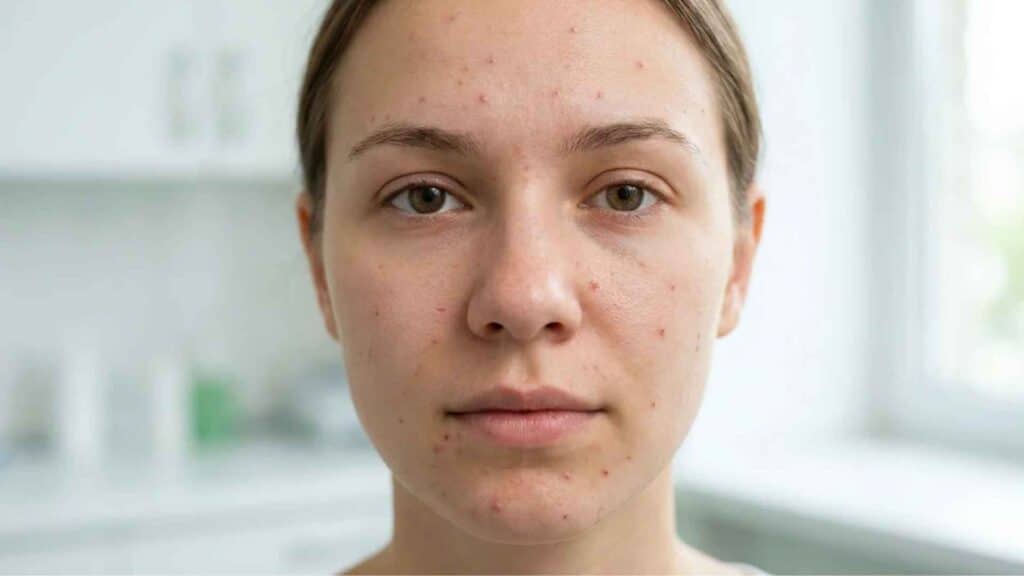
Persistent redness that spreads beyond the piercing itself is also worth tracking on its own. If you notice general red spots on your skin that seem connected to the same irritation, that’s usually a signal the trigger hasn’t actually been removed yet.
Frequently Asked Questions
Can a piercing bump turn into a keloid over time?
A normal piercing bump usually does not turn into a keloid. Keloids are caused by a distinct healing response primarily linked to genetics. However, prolonged irritation can worsen overall scarring, so early care is important.
How long should I wait before assuming it’s a keloid?
Most irritation bumps improve within 2–6 weeks with proper care. If the bump keeps growing or becomes firmer over 3–6 months, it may indicate a keloid and should be checked by a dermatologist.
Is it safe to get pierced again after having a keloid?
If you have a history of keloids, new piercings may carry a higher risk of recurrence. It is best to consult a dermatologist before getting another piercing to understand your personal risk level.
Can the type of jewelry alone cause a piercing bump?
Yes, low-quality metals like nickel or poorly fitted jewelry can directly trigger irritation bumps. Switching to implant-grade titanium or hypoallergenic materials often helps reduce inflammation.
Do piercing bumps leave permanent scars?
Most irritation bumps do not leave permanent scars if treated early and correctly. However, prolonged irritation or improper handling may increase the risk of mild scarring.
Can stress or lifestyle affect the healing of piercing bumps?
Yes, factors like poor sleep, frequent touching, friction, and inconsistent aftercare can slow healing and make bumps worse even if the piercing itself is fine.
Key Takeaway
When you notice a bump near a piercing, it can be worrying at first, but in most cases it’s linked to simple irritation rather than something serious. Throughout this guide, I’ve shown you how to understand the difference in the context of a piercing bump vs. a keloid, so you can avoid confusion and respond with the right care instead of panic.
You’ve also seen how irritation bumps often stem from friction, jewelry issues, or minor trauma, while keloids are long-term scars that require medical attention.
The most important thing you can take away is to watch how the bump changes over time, keep aftercare gentle, and avoid harsh or rushed treatments. Small daily habits often decide how well your piercing heals. Now it’s your turn to observe your piercing carefully and apply these steps if needed.
If you’ve experienced this before, share what worked for you or explore more related guides to keep your healing on track.