
I have spent years helping people make sense of their skin, hair, and wellness choices, backed by formal training in cosmetic science.
Collagen is one of the topics I get asked about most, so I tested and researched this list myself.
Collagen is the protein that keeps skin firm, your joints moving easily, and your hair looking strong.
Your body naturally produces less of it as you age, which is why fine lines, weaker joints, and thinning hair tend to show up over time.
In my experience, diet plays a bigger role in this than most people realize. Some foods actually have collagen in them; other foods help your body make more collagen on its own.
Here are some of the best collagen foods, including several that produce collagen naturally, that I add to my own meals.
What is Collagen and Why Does It Matter?
Collagen is a type of protein. It is what holds our skin, joints, and bones together. Think of collagen as the framework that everything else is built on. Without collagen, our skin starts to sag, and our joints lose their cushioning.
Our body makes collagen by itself. However, this process slows down as we get older.
The production of collagen starts to decrease when we’re in our mid-20s, and it keeps declining every year after that. Cleveland Clinic notes the drop becomes more noticeable after menopause, and it’s normal for everyone to see a further decline after age 60.
This is the reason why we often see wrinkles and our joints become stiff. Our hair starts to thin out when we get older.
Food and supplements both play a role here. Some foods contain collagen directly. Others give your body the nutrients it needs to make more. We’ll cover both, starting with foods, since that is the easiest place to begin.
Do Foods Actually Contain Collagen?
Yes, but only certain foods contain real collagen. Others cannot supply it directly but still support your body’s own production.
Here is what I found contains collagen, and what doesn’t.
- Collagen comes from animal connective tissue, not plants
- Foods that have collagen are bone broth, chicken skin, fish skin, and pork skin.
- Plant foods like fruits, vegetables, and grains contain zero collagen
- But plant foods high in vitamin C, zinc, and copper help your body produce more collagen naturally
I follow two ways to get collagen from the food I eat: I eat foods that have collagen in them, or I eat foods that help my body make collagen.
Foods That Contain Collagen
Collagen exists naturally in animal connective tissue, so only certain foods contain it in real amounts. These are the sources I get asked about most often.
Bone Broth

Bone broth is made by simmering animal bones, joints, and connective tissues in water for several hours.
This slow cooking process breaks down collagen and releases it into the liquid as gelatin and other nutrients.
The longer cooking time creates a rich, flavorful broth that contains collagen from the cooked bones and tissues, typically providing around 6 to 12 grams of protein per cup.
Chicken Skin

Chicken skin contains a good amount of collagen, especially in areas close to joints and connective tissues.
Cooking chicken with the skin and cartilage intact helps retain more of this collagen in the meal.
Instead of removing the skin before cooking, keeping it on can add more collagen-rich components while also helping the meat stay moist and flavorful.
Fish Skin
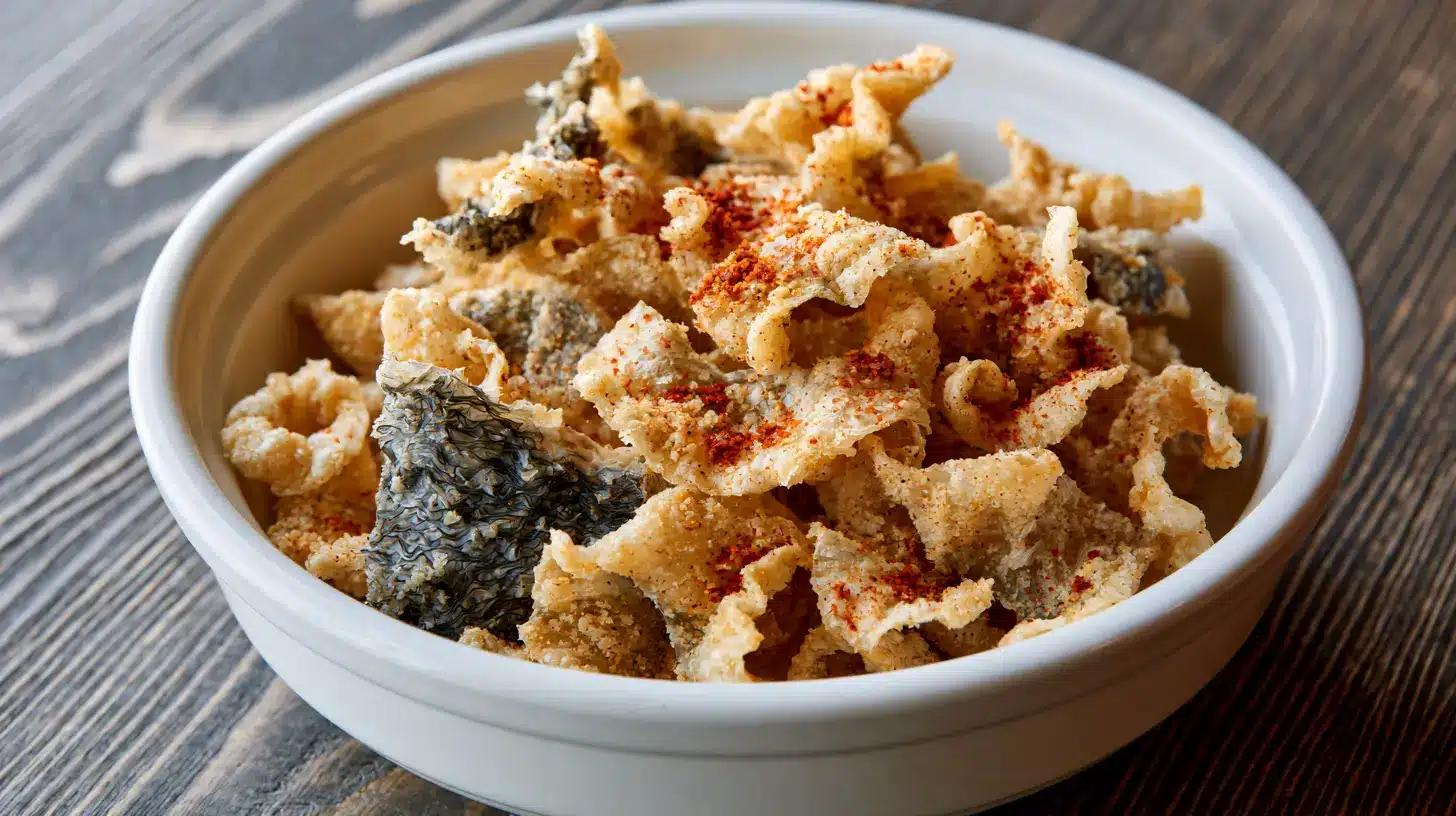
Fish skin and scales contain marine collagen, a type of collagen that some research suggests the body may absorb more easily.
Fatty fish like salmon and sardines also provide protein and healthy fats that support overall skin health, and these same omega-3 fats also help nourish the scalp and support hair strength.
Keeping the skin on during cooking can help retain more of these collagen-rich parts. These fish are simple to add to meals and can be enjoyed baked, grilled, or cooked in other healthy ways.
Pork Skin

Pork skin is another dense source of collagen, often used in slow-cooked dishes and traditional recipes. It works similarly to chicken skin by keeping connective tissue in the final meal.
These foods cover the main animal sources of collagen I rely on. Next, I want to walk through plant-based foods that help your body produce more collagen on its own.
Foods that Supply Collagen-Building Nutrients
Plant foods do not contain collagen directly, but many help your body build it. I often recommend these to anyone following a vegetarian diet or looking for more plant-based choices.
Citrus Fruits
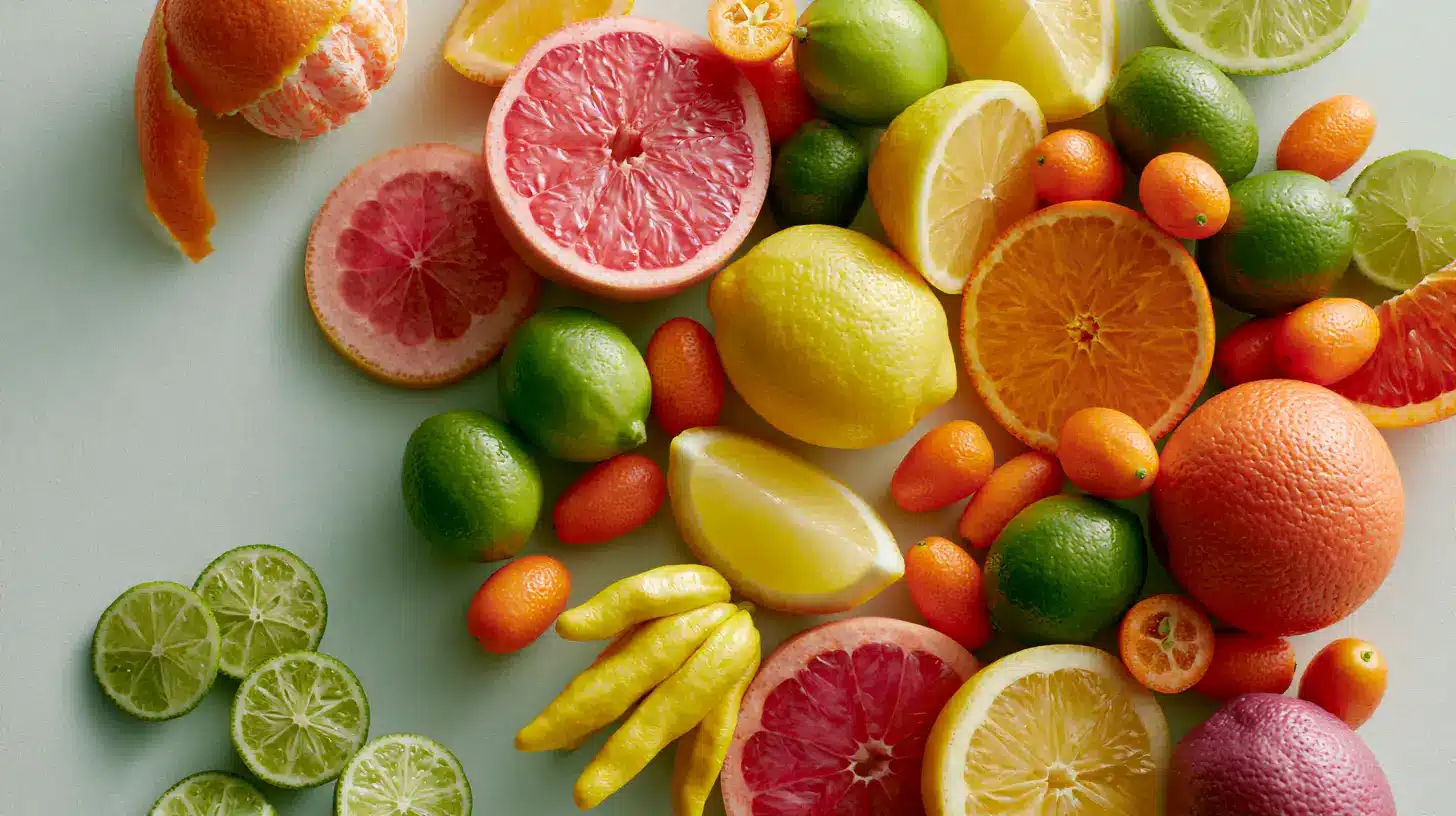
According to the National Institutes of Health, oranges, lemons, and grapefruit are high in vitamin C, which your body needs to convert amino acids into collagen.
Without enough vitamin C, collagen production slows significantly; it’s one of the most important collagen-supporting foods.
Berries
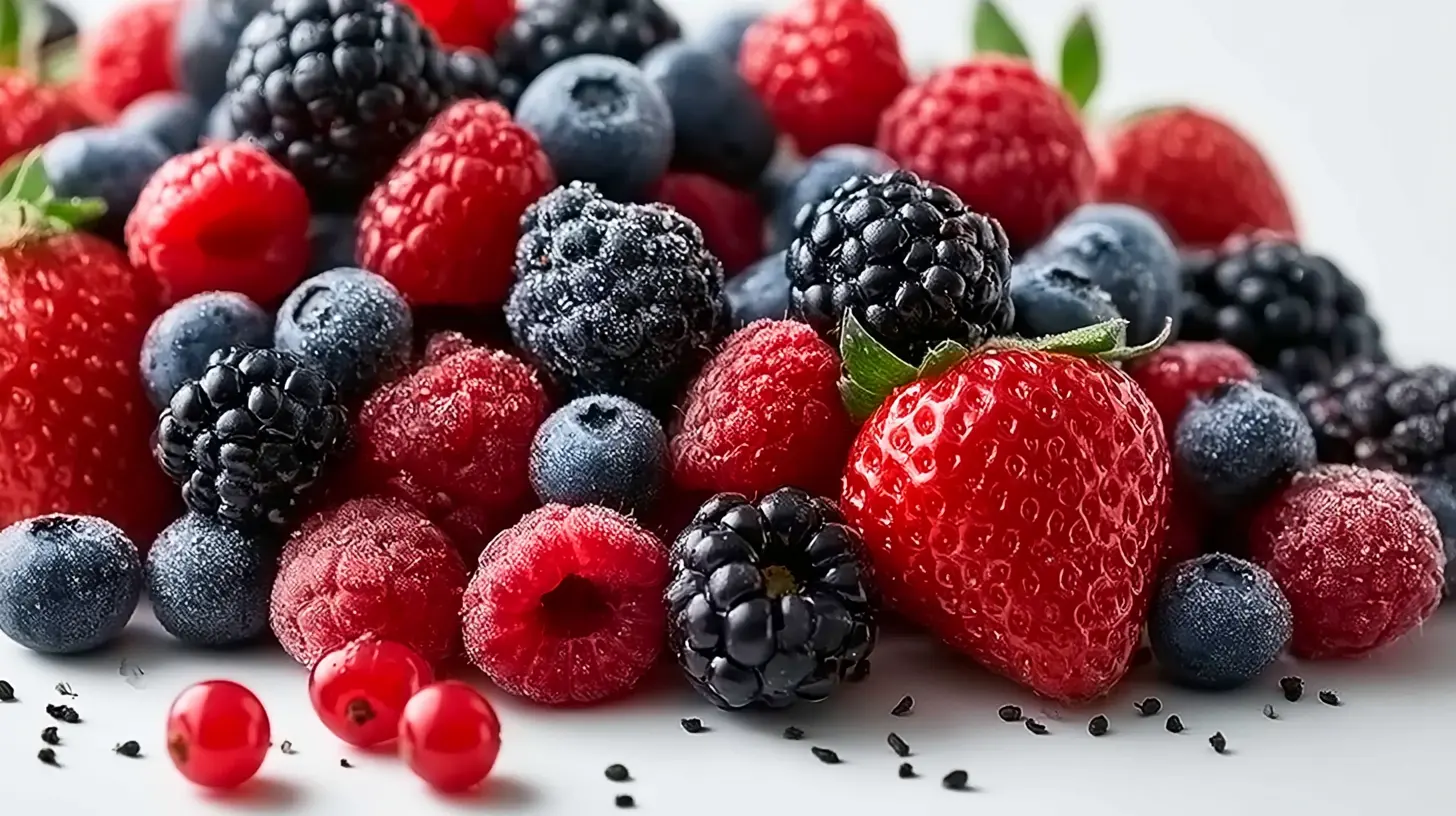
Strawberries, blueberries, and raspberries are packed with vitamin C and antioxidants that support healthy collagen production.
Vitamin C helps the body make collagen, while antioxidants help protect existing collagen from damage caused by free radicals and daily stress.
Adding berries to your diet can be a simple way to support skin health and overall collagen maintenance.
Leafy Greens
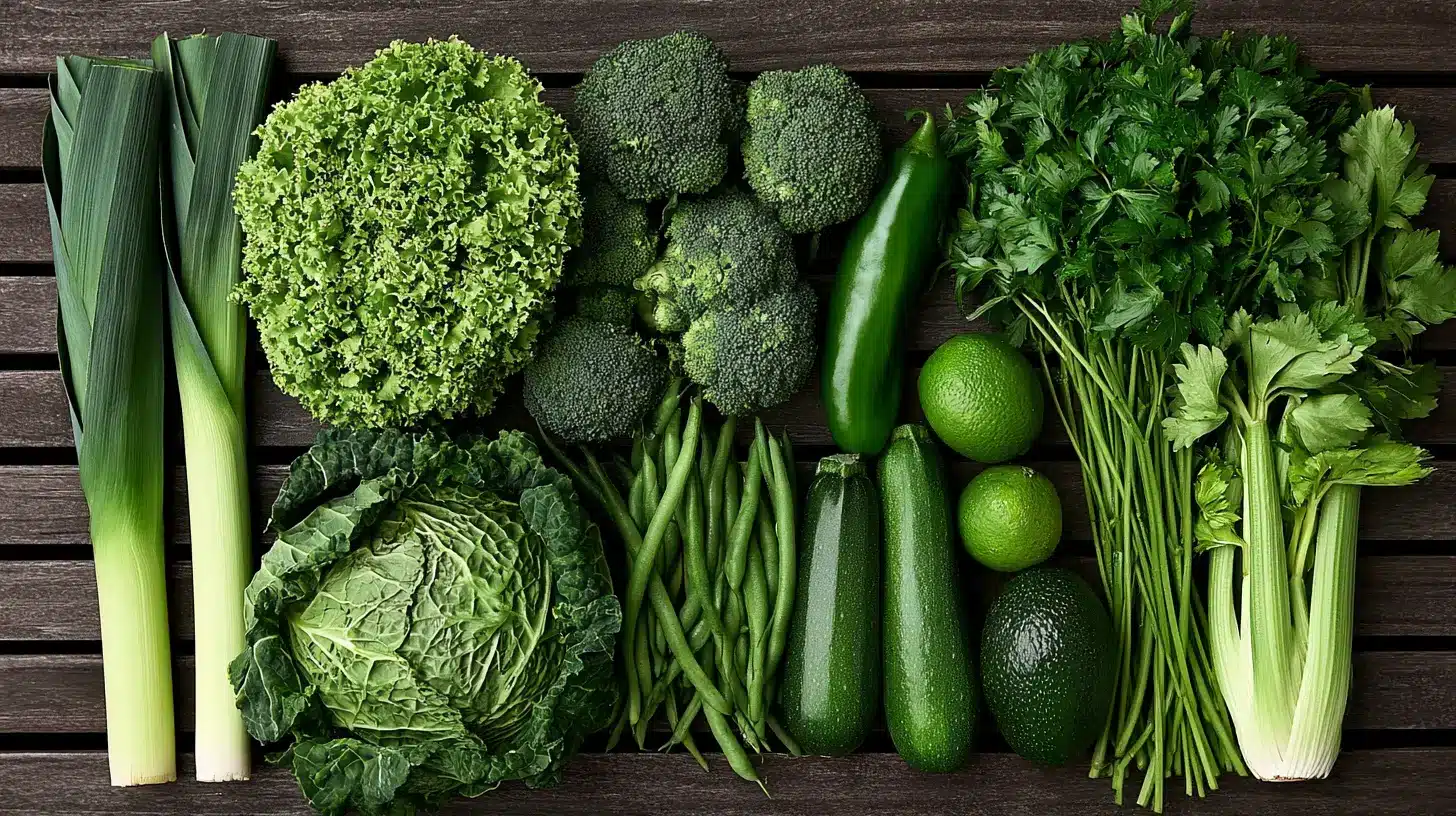
Spinach, kale, and other leafy greens get their green color from chlorophyll, which some studies suggest may support higher collagen precursor levels in the skin.
They are also rich in vitamins, minerals, and antioxidants that help protect skin cells from damage.
Adding greens to meals like salads, smoothies, or cooked dishes is an easy way to include more collagen-supporting nutrients in your diet.
Garlic
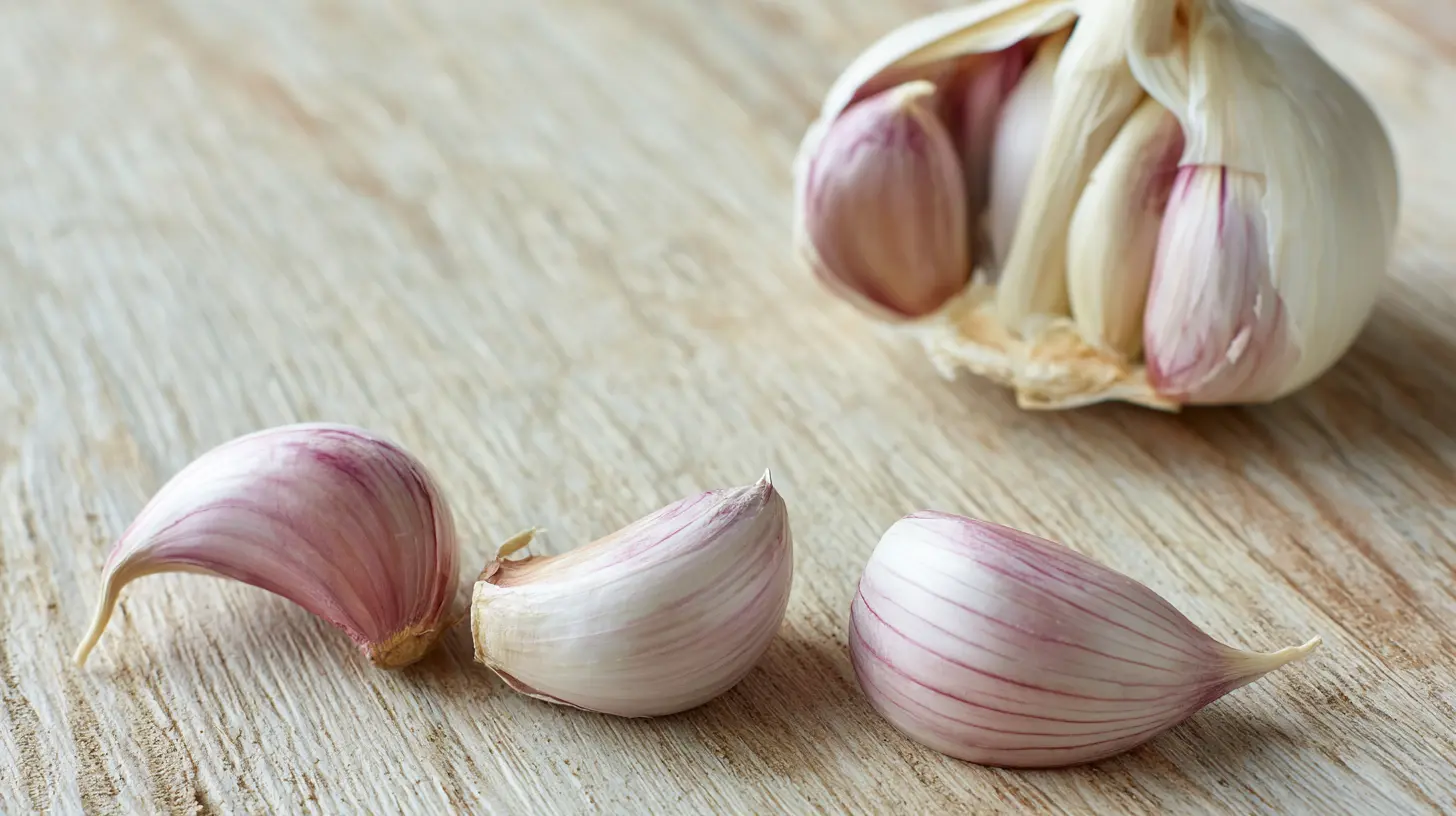
Garlic contains sulfur, a mineral that plays a role in helping your body build and protect collagen. Sulfur supports the formation of collagen-related proteins and helps maintain the structure of connective tissues.
Adding small amounts of garlic to everyday meals can provide these benefits while also improving flavor without needing large quantities.
Beans and Legumes
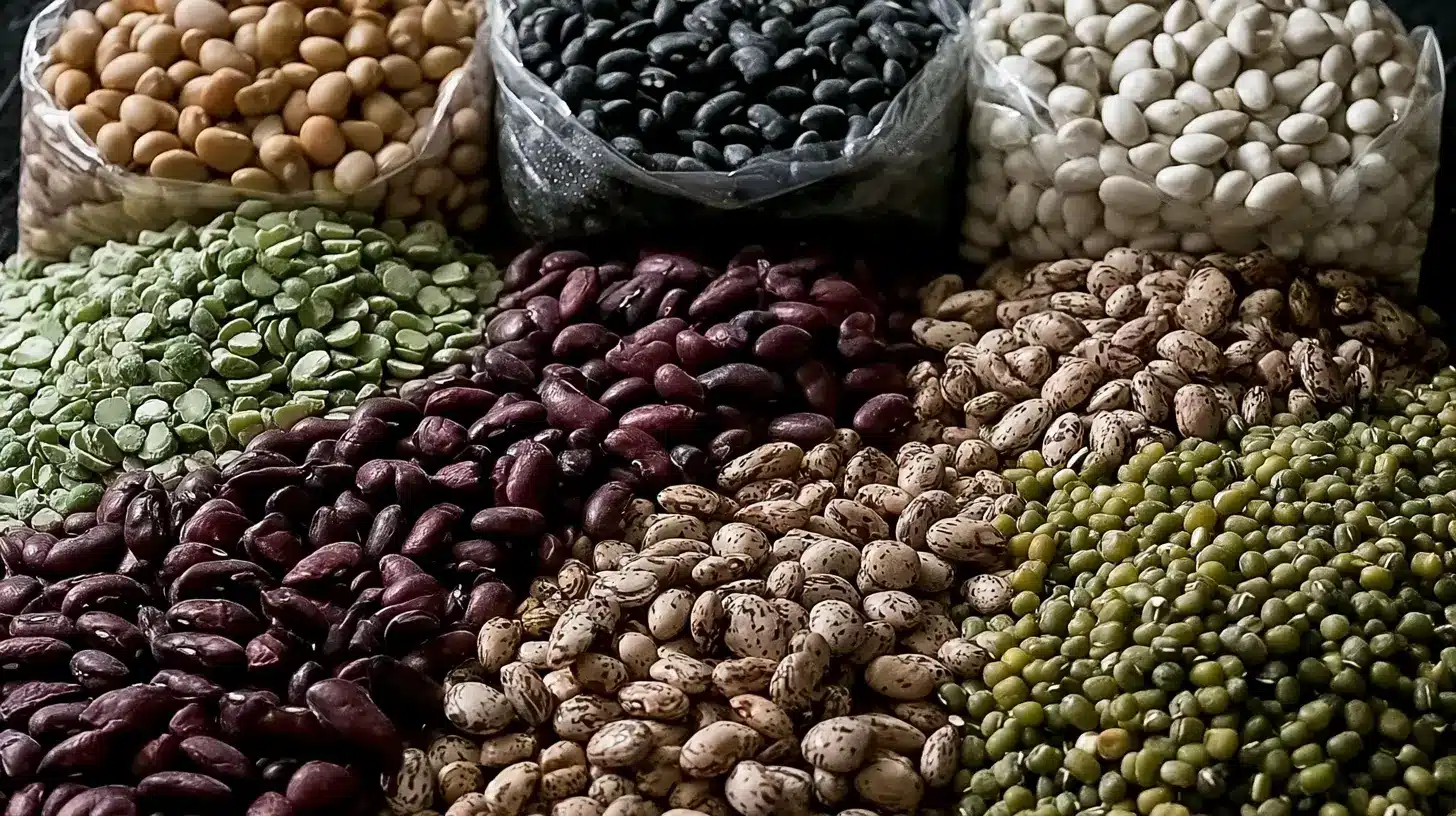
Beans are rich in lysine, an essential amino acid that helps your body produce collagen. They also provide copper, a mineral that supports collagen formation and helps maintain strong connective tissues.
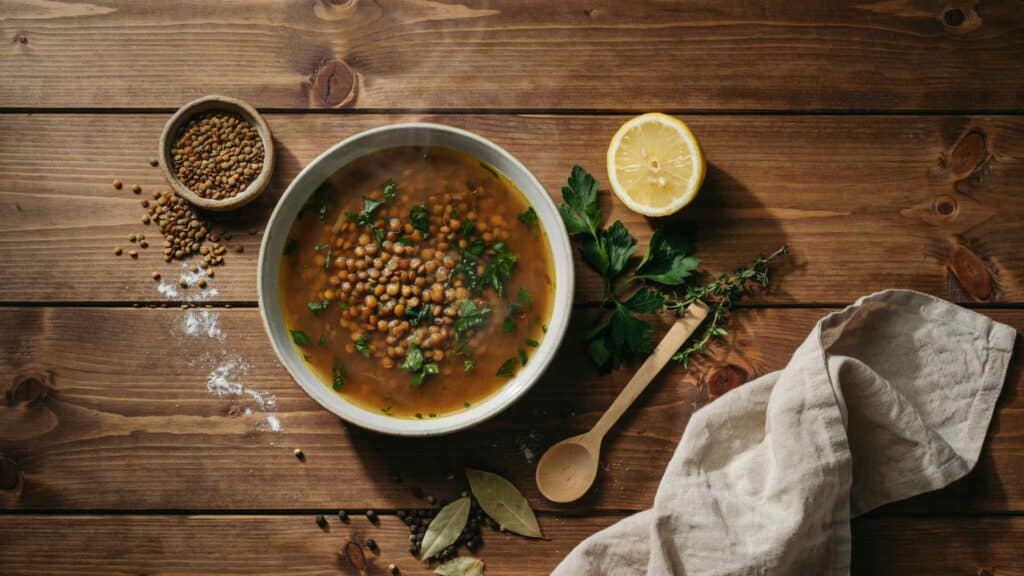
Different types of beans, including black beans, lentils, and kidney beans, can be added to meals like salads, soups, or lunch bowls for an easy source of collagen-supporting nutrients.
Egg Whites
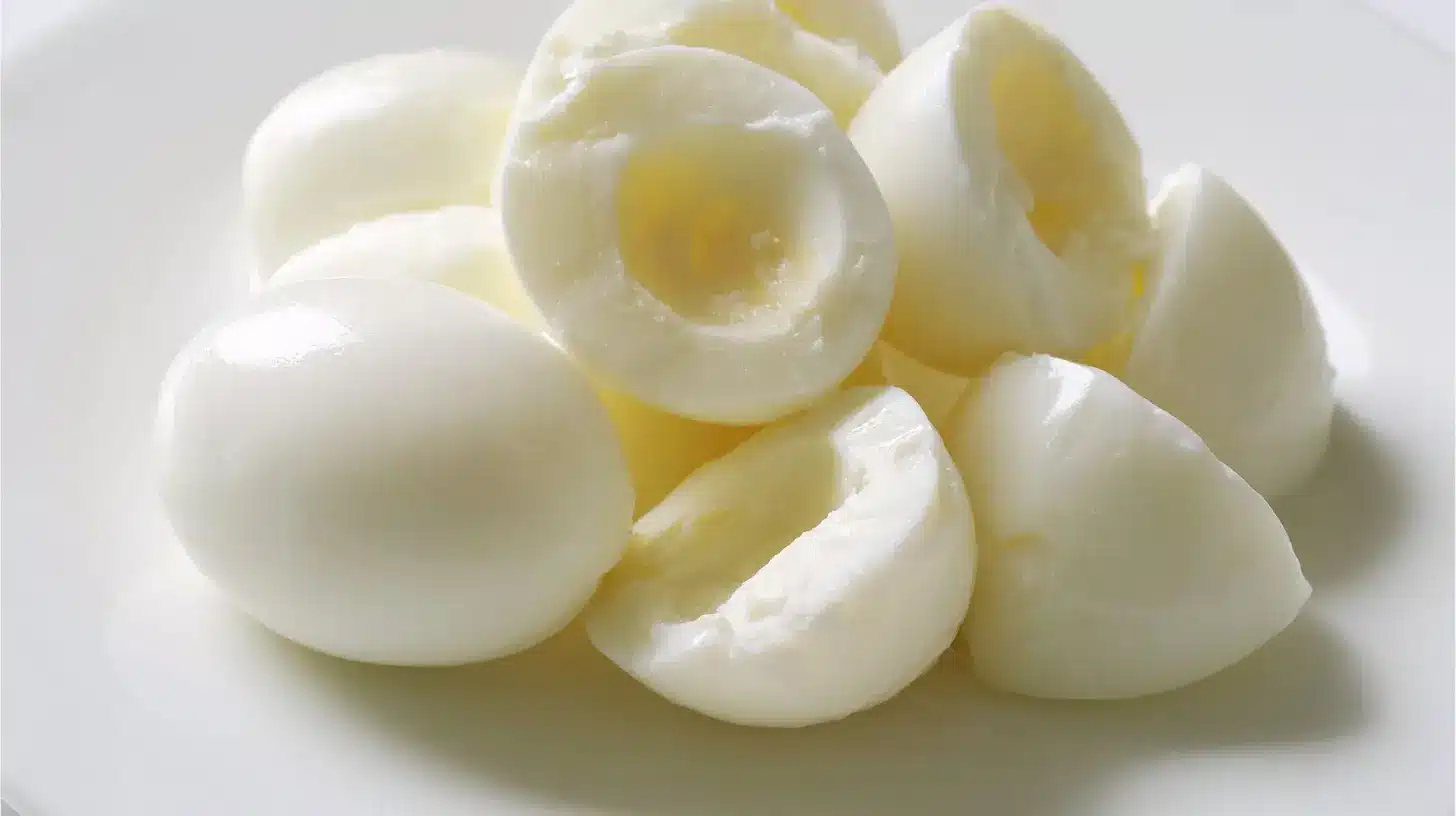
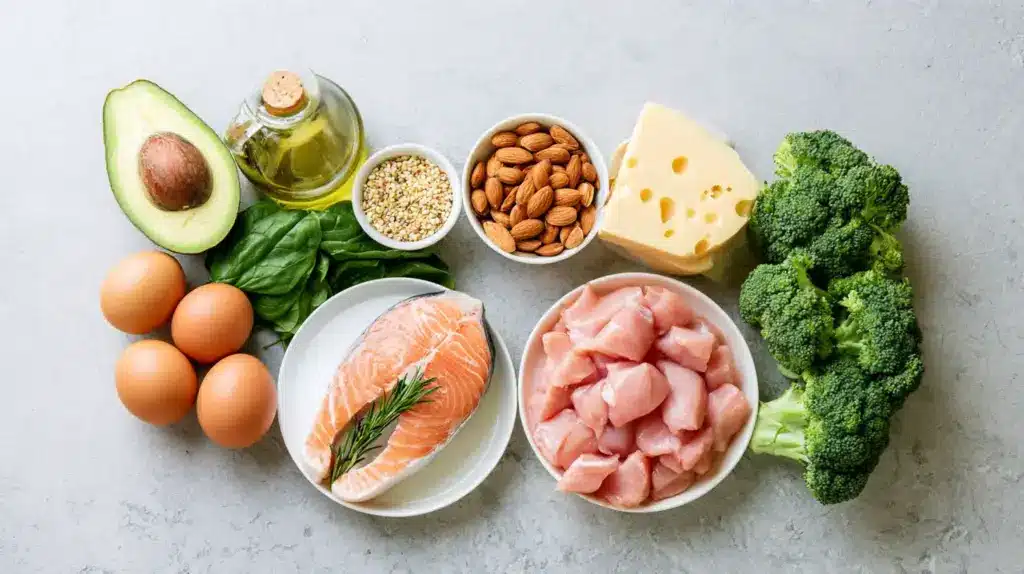
Egg whites do not contain collagen, but they are rich in proline, an amino acid your body uses to produce collagen.
Proline helps support the formation of collagen proteins that maintain the structure of skin, joints, and connective tissues.
Adding eggs to your diet can provide this collagen-building nutrient along with high-quality protein that supports overall health.
Nuts (Cashews)
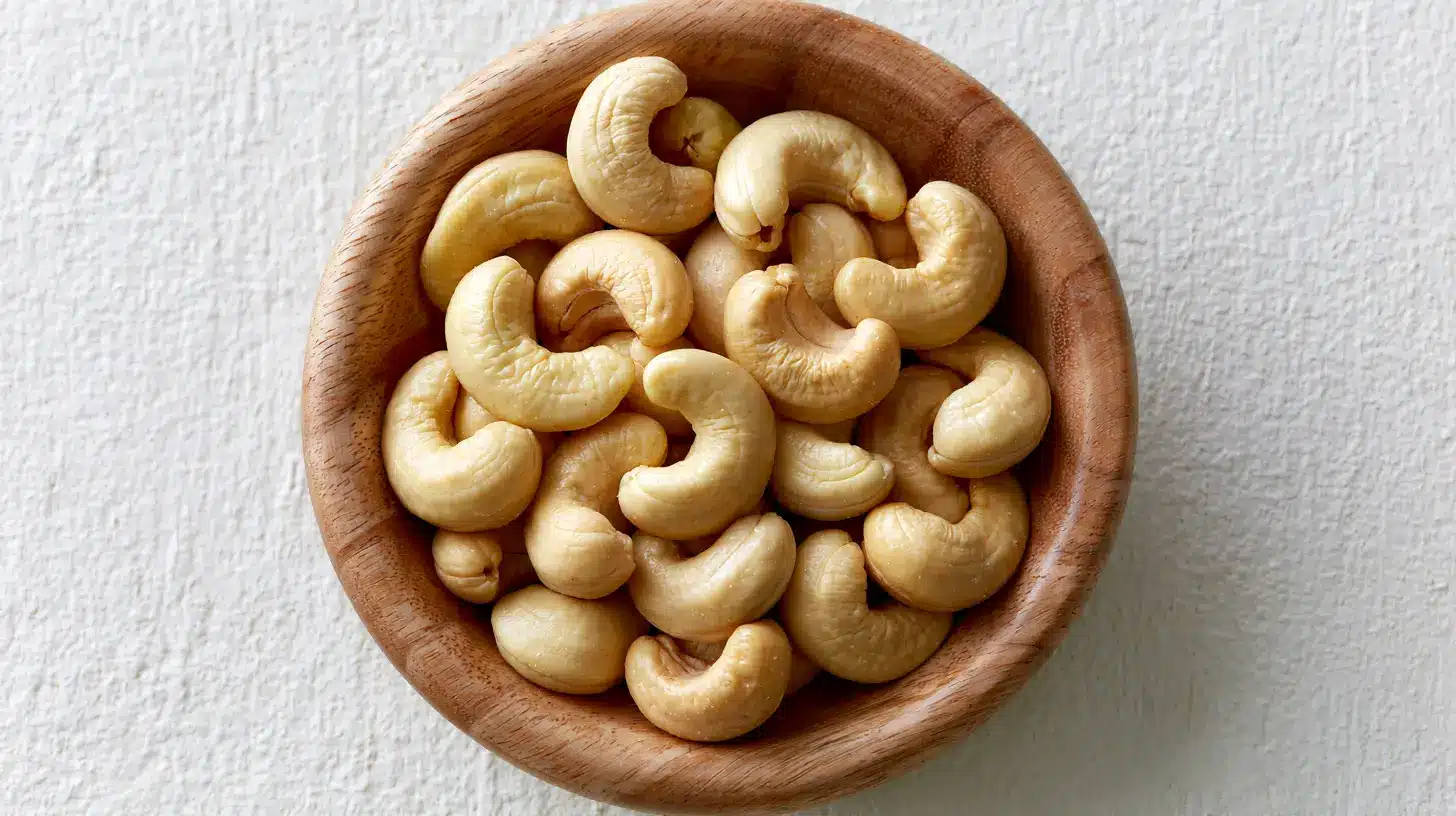
Cashews contain both zinc and copper, two minerals that play important roles in collagen production. Copper helps form and strengthen collagen fibers, while zinc supports protein formation and tissue repair.
Adding cashews to snacks, salads, or meals can be an easy way to include these collagen-supporting nutrients in your diet.
Tomatoes and Bell Peppers
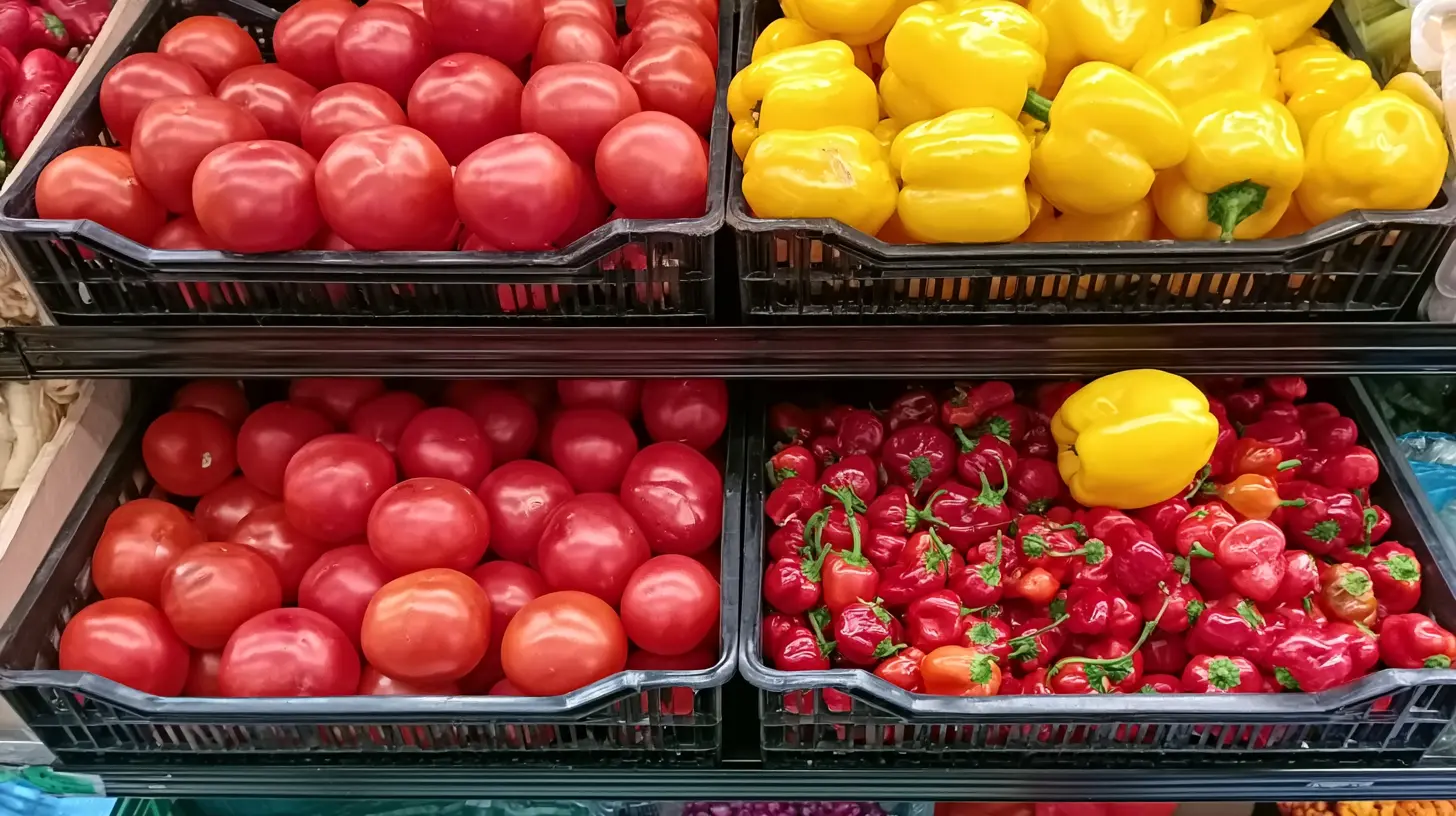
Both tomatoes and watermelon are rich in vitamin C and lycopene, which provide antioxidant support alongside collagen-building nutrients.
Vitamin C helps the body produce collagen, while lycopene helps protect skin cells from oxidative stress that can damage collagen.
These plant foods will not add collagen directly, but I have found they give your body the tools it needs to build more on its own.
NOTE: Vegan foods do not contain collagen because collagen is only found in animal connective tissue. However, vegan foods can still help your body produce collagen naturally. Foods rich in protein, vitamin C, zinc, and copper provide the nutrients needed to build collagen. |
Best Collagen Foods for Skin, Hair, and Joints
Different collagen foods support different parts of the body. I put together this table as a quick reference to match foods with your specific goal, whether it is skin, hair, or joints.
Food | Best For |
|---|---|
Bone Broth | Joints, Skin |
Chicken Skin | Joints |
Fish and Fish Skin | Skin, Hair |
Egg Whites | Skin, Hair |
Pork Skin | Joints |
Citrus Fruits | Skin |
Berries | Skin |
Leafy Greens | Skin, Hair |
Garlic | Skin |
Beans and Legumes | Hair, Joints |
Cashews | Skin, Hair |
Tomatoes and Bell Peppers | Skin |
I recommend picking foods based on your main goal, but eating a mix works best for overall results across skin, hair, and joints.
Foods and Habits That Damage Collagen
|
Simple Ways to Add Collagen Foods to Your Diet
I don’t think you need a full diet overhaul to add more collagen-friendly foods to your day. A few small swaps in my own meals have made a real difference over time.
1. Use bone broth in soups: Instead of using water as my base, I cook with bone broth for an easy collagen boost with no extra effort.
2. Snack on berries or citrus: I reach for these instead of packaged options, since both are rich in vitamin C.
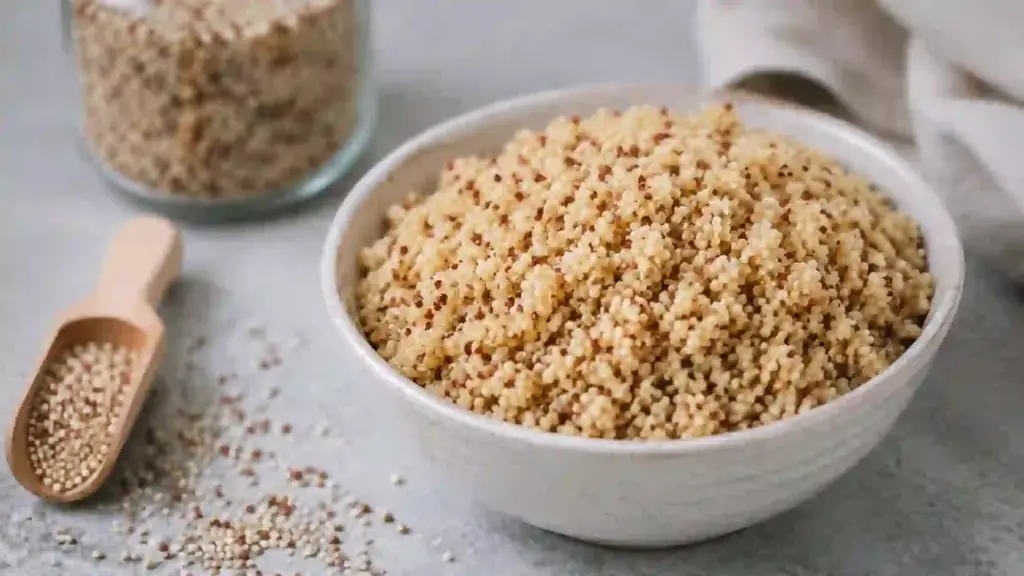
3. Swap white bread: Consider consuming quinoa or any other whole grains. This simple swap at breakfast or lunch helps cut back on refined carbs,
4. Cook fish with the skin on: I leave the skin on rather than trimming it off, since that is where most of the collagen sits.
None of these changes require extra time or planning. They just mean choosing the collagen-friendly option in meals you are already making.
Easy Food Pairings That Support Collagen
Instead of focusing on one food, I like combining collagen-rich foods with foods that provide vitamin C and other collagen-building nutrients.
Pairing | Why It Works |
|---|---|
Eggs with bell peppers | Proline from eggs plus vitamin C from peppers supports collagen production. |
Lentils with tomatoes | Plant protein and lysine paired with vitamin C. |
Salmon with broccoli and lemon | Marine collagen alongside plenty of vitamin C. |
Greek yogurt with berries and seeds | Protein combined with antioxidants, zinc, and healthy fats. |
Tofu with broccoli and cashews | Plant protein paired with vitamin C, zinc, and copper. |
Simple food pairings provide complementary nutrients that naturally support collagen production as part of a balanced diet.
What are Other Ways to Increase Collagen Naturally?
Food is only part of supporting collagen. These simple habits also help protect and maintain your body’s natural collagen production.
- Eat enough protein every day.
- Get plenty of vitamin C.
- Include zinc- and copper-rich foods.
- Wear sunscreen daily.
- Avoid smoking.
- Limit added sugar.
- Sleep well and stay active.
Small daily habits help preserve collagen, supporting healthier skin, stronger joints, and overall wellness over time.
Should You Get Collagen from Food or from Supplements?
Food and supplements behave differently once they reach your body. Whole collagen from food gets broken down into individual amino acids during digestion, the same as any other protein, so eating collagen-rich foods does not raise your collagen levels directly.
Collagen peptide supplements are processed differently before you take them, already broken down into smaller peptide fragments, which some research suggests the body may absorb differently than the protein in whole food.
In my experience, food should come first. A diet built around the collagen and collagen-supporting foods above covers most of what your body needs.
Supplements can help fill gaps for people who struggle to get enough protein, vitamin C, zinc, or copper from meals alone, but they work best alongside a balanced diet, not in place of one.
Conclusion
No single food will transform your skin, hair, or joints overnight, and chasing one “perfect” collagen source usually leads nowhere.
In my experience, what makes a difference is consistency: small, collagen-friendly choices made regularly over weeks and months, not a one-time change.
A bowl of berries here or a broth-based soup there will not do much on its own, but built into a routine, these choices add up.
Rather than obsessing over exact collagen sources or tracking every gram, I focus on building a balanced diet that naturally includes a mix of the foods covered above.
The results tend to follow, gradually and without much extra effort.
Frequently Asked Questions
How Long Does it Take to See Results from Eating Collagen Foods?
Most people notice skin hydration changes within 8 to 12 weeks. Joint and hair improvements usually take longer, several months.
Can I Get Enough Collagen from Food Alone, without Supplements?
Yes, for most healthy adults. A balanced diet with protein, vitamin C, zinc, and copper supports normal production.
Do Vegetarians and Vegans Need to Worry About Low Collagen?
Not usually. The body still produces collagen from plant-based amino acids, vitamin C, and minerals like zinc and copper.
Are Collagen Supplements Better than Getting Collagen from Food?
Neither is inherently superior. Supplements offer concentrated peptides; food provides collagen alongside other nutrients and fiber.