
My first pedicure happened because my heels had cracked badly enough that socks caught on the skin. I didn’t know what a pedicure actually involved beyond “they paint your nails.”
An hour later, I understood that a pedicure is a full foot and toenail treatment, not just polish, and that the soak, the filing, and the callus work mattered more than the color I picked.
If you’re on your feet all day, live in closed shoes most of the year, or keep telling yourself you’ll deal with your heels “eventually,” this guide walks through the different types of pedicure available, what each one actually does, what it costs, and how to keep the results going at home.
What Is a Pedicure and How Long Does It Take?
A pedicure is a foot care treatment that cleans your feet, trims and shapes your nails, softens rough skin, and includes polish if you want it. It helps with dry heels, tired feet, and nails that feel too long in shoes, leaving your feet lighter after long days, travel, or weeks in closed shoes.
Most basic pedicures take 30 to 45 minutes. Spa, gel, paraffin wax, and medical-style pedicures run longer since they include extra steps.
Start with a basic pedicure for regular upkeep, or go for spa, gel, paraffin, athletic, waterless, or medical-style care if your feet need more attention.
Types of Pedicures and Which One to Choose
Before choosing a pedicure, it helps to know what each type is meant for. Some are made for simple foot care, while others focus on dry heels, long-lasting polish, tired feet, or foot health. The right choice depends on your comfort, budget, and what your feet need most.
1. Basic Pedicure
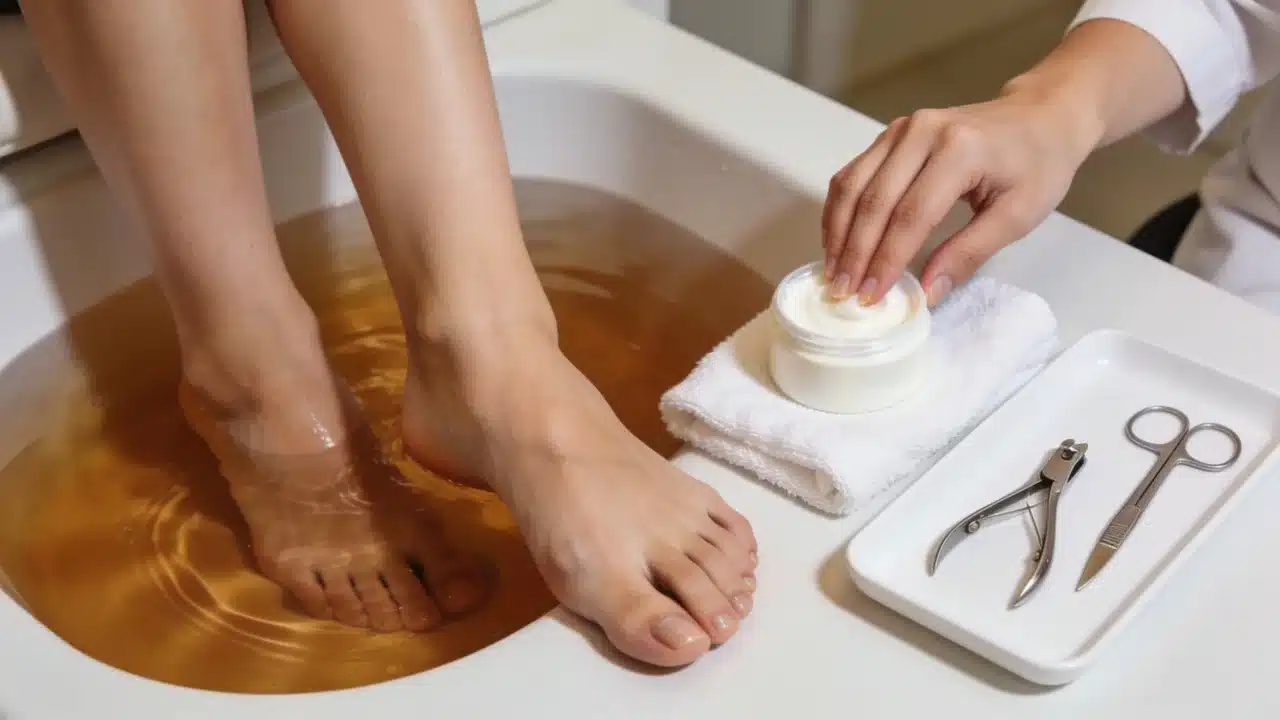
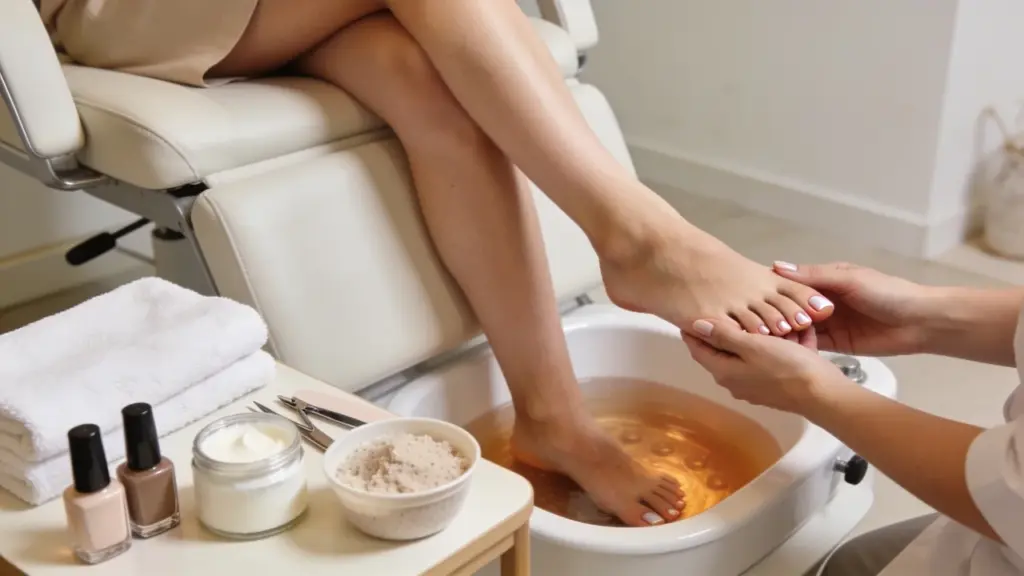
A basic pedicure is the simplest option for regular foot care. It usually starts with a warm soak to soften the skin and nails, followed by trimming, filing, and light exfoliation.
The nail technician may also apply moisturizer and give a short massage to help your feet feel softer and more relaxed. You can finish with polish or keep the nails natural if you prefer a clean, simple look. This is the one I’d send a first-timer to, since it covers the basics without locking you into a longer appointment.
- Best For: First-timers, regular foot care, simple nail cleaning, and quick upkeep.
- Cost: Around $35 to $50.
2. Spa Pedicure
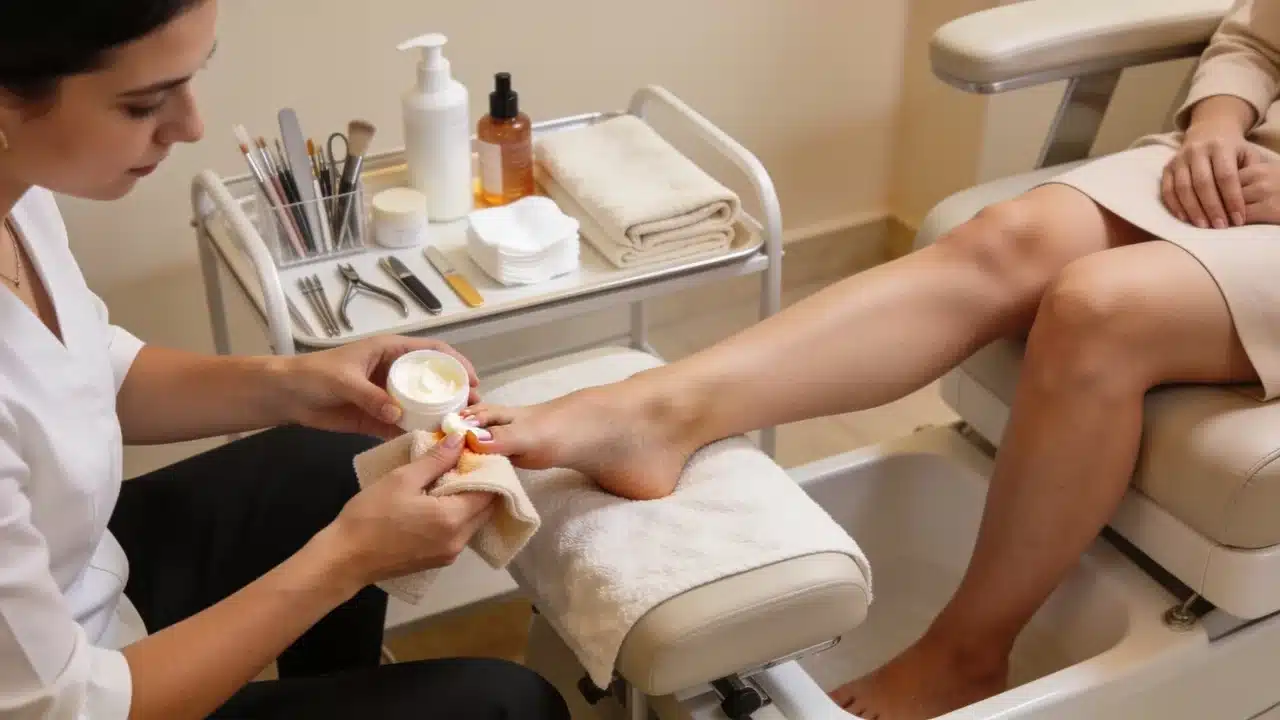
A spa pedicure gives you the usual pedicure steps with extra care for tired or dry feet. It may include a foot mask, richer scrub, warm towels, oils, and a longer massage.
This type of pedicure is a good choice when your feet feel rough, heavy, or neglected. It feels more relaxing than a basic pedicure and gives your feet a softer, more cared-for finish.
- Best For: Dry feet, tired feet, longer massage, and a more relaxing salon visit.
- Cost: Around $45 to $90.
3. Gel Pedicure
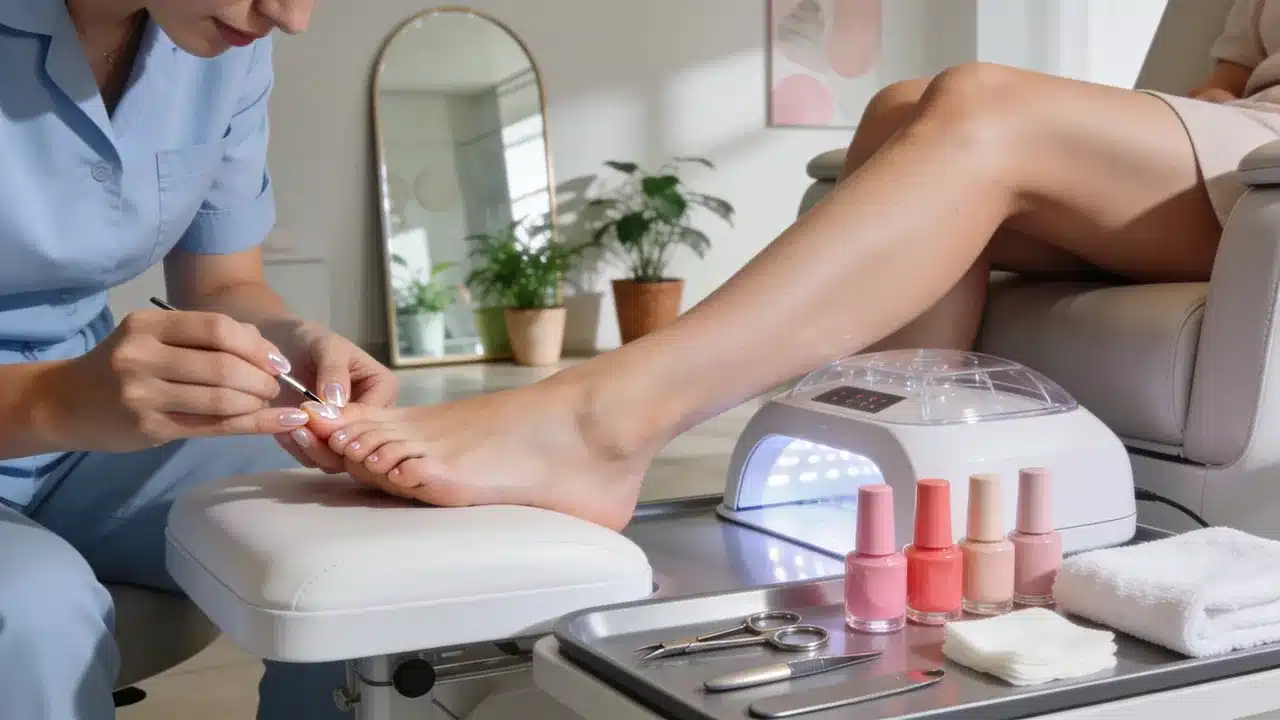
A gel pedicure is a good choice when you want polish that lasts longer than regular nail color. It uses gel polish, which is dried under a UV or LED lamp, so you do not have to wait long for it to set.
The finish usually looks glossy and stays chip-resistant for days or even weeks, similar to how longer-lasting gel formulas hold up on fingernails too. Since gel can be harder to remove, it should be taken off gently to avoid weakening the nail surface.
I learned this one the hard way after picking gel polish off myself once and noticing thinner, more brittle nails for weeks afterward.
- Best For: Long-lasting polish, vacations, weddings, events, and chip-resistant color.
- Cost: Around $45 to $80.
4. French Pedicure
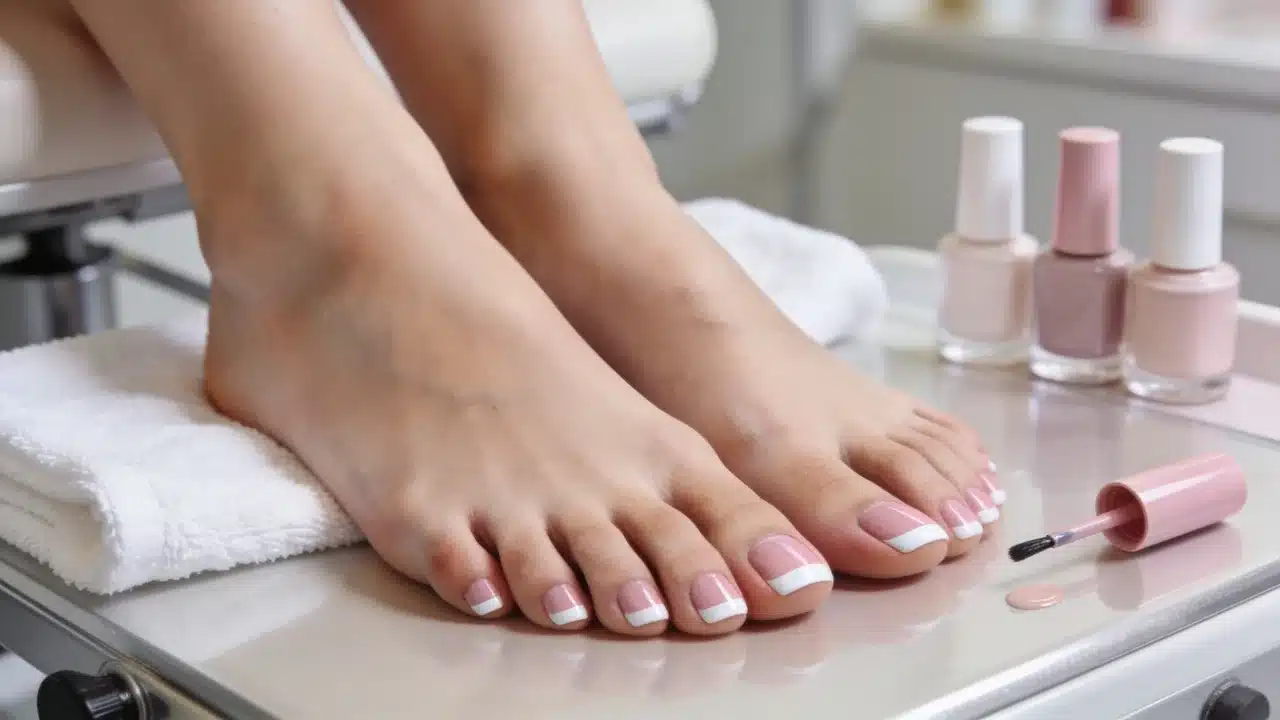
A French pedicure is a neat polish style with a pale or nude base and clean white tips.
The foot care steps are usually similar to a basic pedicure, but the final look feels more polished.
It works well when you want toenails that look clean without using bold color, the same understated effect many people chase with softer, natural nail looks on their hands. This style is a good choice for everyday wear, weddings, work events, or any time you want a soft finished look.
- Best For: Clean-looking nails, soft everyday polish, weddings, and work-friendly nails.
- Cost: Around $35 to $65.
5. Paraffin Wax Pedicure
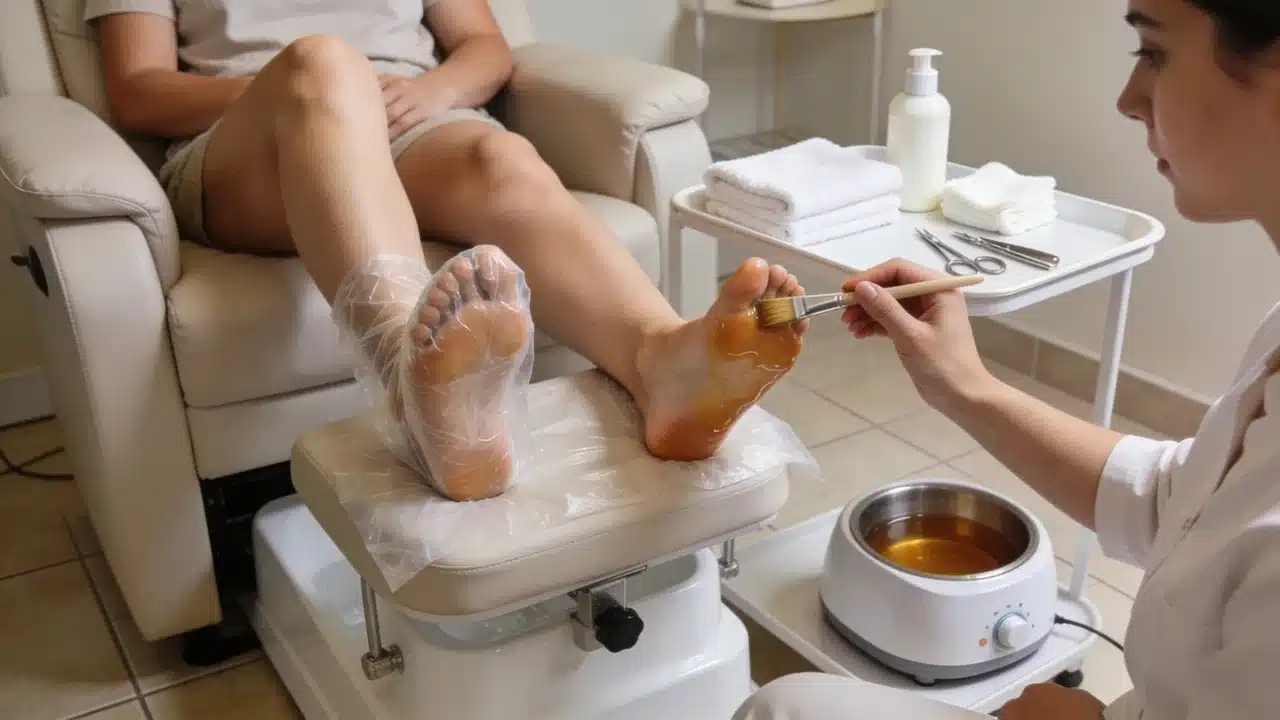
A paraffin wax pedicure is a good option when your feet feel very dry, rough, or tight. In this treatment, warm melted wax is applied to the feet or the feet are dipped into the wax for a short time.
The wax helps seal in moisture and leaves the skin feeling softer and smoother. It can feel especially comforting on tired feet and dry heels, particularly in winter when central heating dries skin out faster.
- Best For: Very dry feet, rough heels, and extra softness.
- Cost: Around $50 to $80.
6. Waterless Pedicure
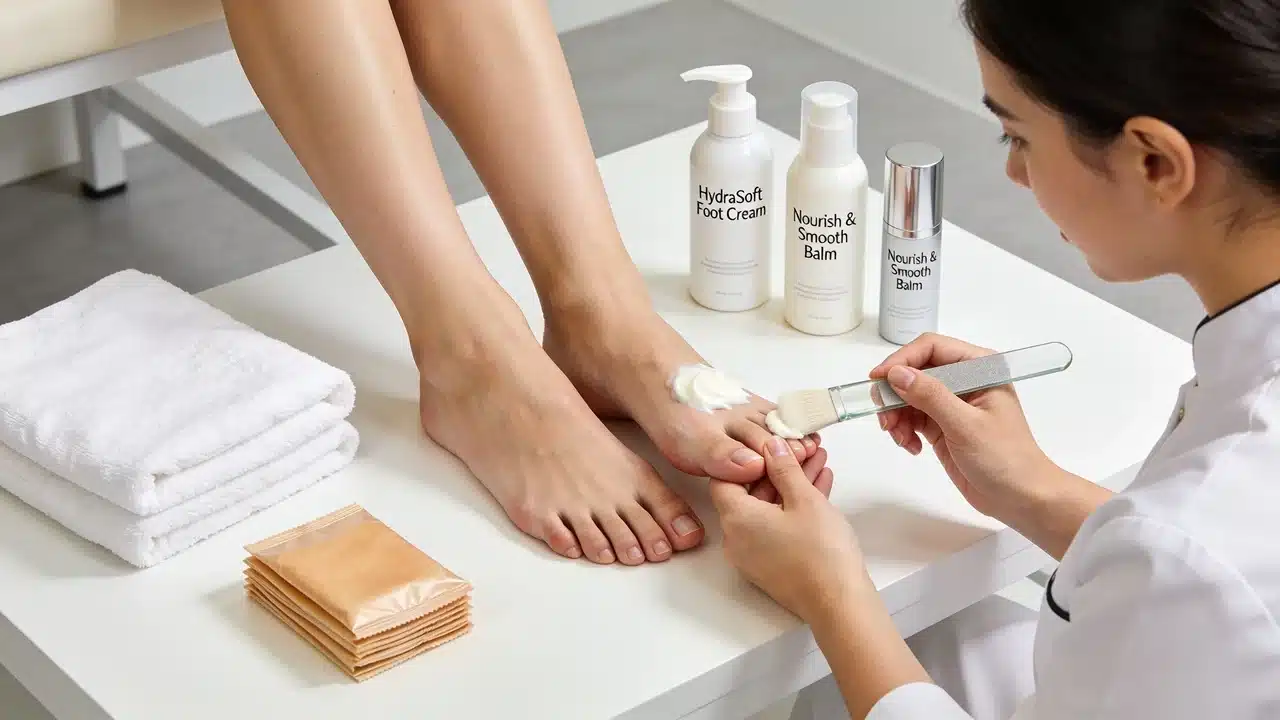
A waterless pedicure is a good option if you want foot care without a soaking tub. Instead of placing your feet in water, the nail technician uses creams, warm towels, and softening products to clean and prep the skin.
This can feel cleaner for people who do not like shared foot baths or long soaking.
- Best For: People who prefer no shared foot tub, quicker care, or cream-based foot softening.
- Cost: Around $50 to $100.
7. Athletic Pedicure
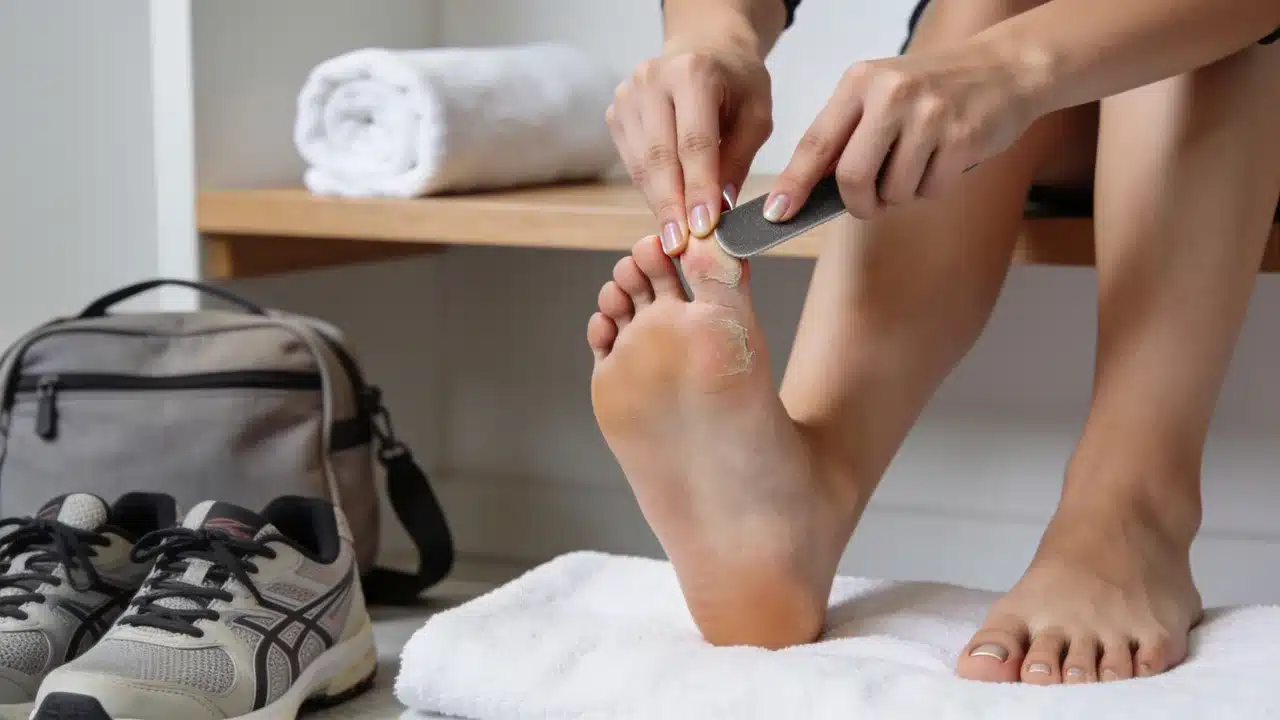
An athletic pedicure is made for feet that work hard every day. It focuses on tired soles, pressure points, calluses, nail comfort, and keeping the feet feeling fresh. This type of pedicure can be helpful if you run, dance, work out often, or spend long hours standing.
- Best For: Runners, dancers, gym-goers, and people who stand or walk a lot.
- Cost: Around $40 to $100.
8. Medical or Medi Pedicure
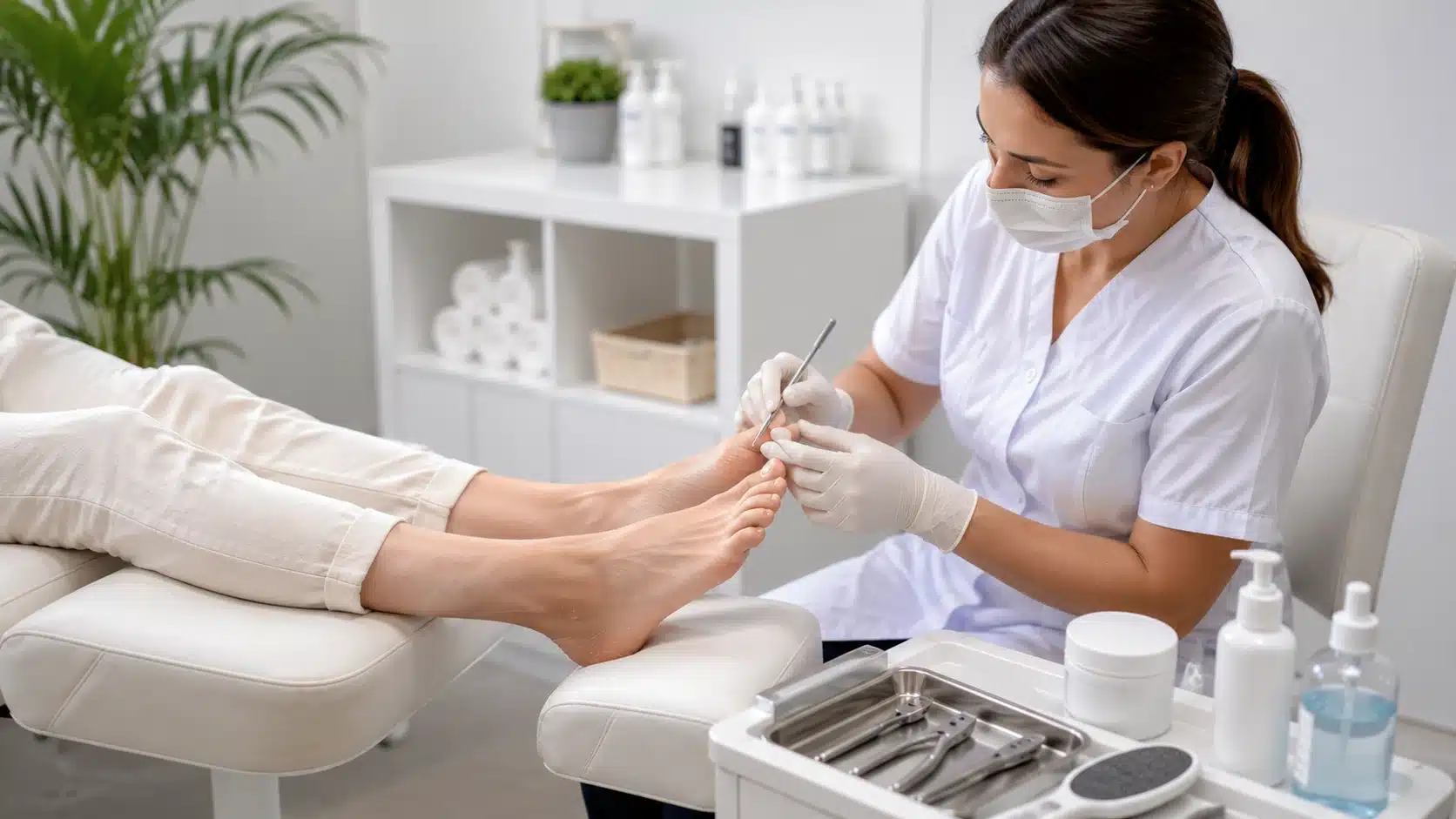
A medical-style pedicure is more focused on foot health than polish. It may be done in a podiatry-linked setting or by a trained foot care provider.
The American Podiatric Medical Association advises that people with diabetes or poor circulation take extra precautions with foot care, since minor cuts or infections can become serious more easily for this group, so it’s worth checking with a doctor first if either applies to you.
- Best For: Thick nails, serious calluses, corns, cracked heels, or foot discomfort.
- Cost: Around $120 to $250.
After looking at the main types, choosing a pedicure becomes much easier. If you want simple care, a basic pedicure works well. If your feet need more time, softness, or support, a spa, paraffin, athletic, waterless, or medical-style pedicure may be a better fit.
How Often Should You Get a Pedicure?
Pedicure timing depends on nail growth, dry skin, and your daily routine. Most people do well with care every 4 to 6 weeks.
| Foot Care Need | Best Timing |
| Basic foot care | Every 4 to 6 weeks |
| Soft feet with home care | Every 6 weeks |
| Fast-growing toenails | Every 3 to 4 weeks |
| Dry heels or rough soles | Every 3 to 4 weeks |
| Long standing or walking hours | Every 3 to 4 weeks |
| Runners or active people | Every 3 to 4 weeks |
| Winter foot care | Every 4 to 6 weeks |
| Frequent polish use | Take short breaks between colors |
A monthly pedicure works for many people, but you can adjust the timing if your feet get dry or sore, or your nails grow fast.
Pedicure Aftercare Tips
Good aftercare helps your pedicure last longer and keeps your feet soft between salon visits. These small habits are easy to follow and can make a real difference in how your feet look and feel.
- Moisturize feet daily: Apply foot cream after a shower or before bed to keep the skin soft and support overall skin elasticity over time.
- Apply extra cream on dry heels: Heels get rough quickly, so give them more care than the rest of the foot.
- Dry well between your toes: Damp skin between toes can feel uncomfortable and may cause a bad odor.
- Wear open shoes after regular polish: Closed shoes can smudge fresh polish before it dries fully.
- Use cuticle oil around toenails: This keeps the nail area neat and helps reduce dryness.
- Exfoliate lightly once or twice weekly: Use a mild scrub or pumice stone, but avoid harsh rubbing.
- Never peel off gel polish: Peeling gel can damage the top layer of your nails, as I found out myself.
- Change socks daily: Clean socks help your feet stay fresh, dry, and more comfortable.
A pedicure should not end when you leave the salon. With a little daily care, your feet can stay smoother, cleaner, and sandal-ready for longer.
Quick Checklist Before Booking a Pedicure
Before booking a pedicure, it helps to ask a few basic questions. A clean salon, safe tools, and the right service can make the whole visit feel easier and more comfortable.
- Ask if tools are cleaned between clients.
- Check if the salon cleans foot tubs after every use.
- Ask how long the service will take.
- Ask if polish is optional.
- Check if they offer gel removal.
- Ask which pedicure is best for dry heels.
- Tell them about allergies or skin sensitivity.
- Avoid salons that rush painful steps.
- Choose a place where the setup looks clean and organized.
A little checking before your appointment can save you from discomfort later. Choose a salon that feels clean, careful, and willing to answer your questions.
Frequently Asked Questions
How much should I tip for a pedicure?
In the US, 15 to 20 percent of the service cost is standard, paid in cash when possible since some salons don’t add tips to card payments.
Can I paint my own nails after a salon pedicure?
Yes, but wait at least an hour for regular polish to fully set, and longer if the salon used a thicker topcoat. Touching up too soon can smudge the base coat underneath.
Why do my toenails feel sore after a pedicure?
Mild soreness can come from trimming too close to the skin or aggressive cuticle work. It should fade within a day. Ongoing pain or swelling is worth mentioning to the salon or a doctor.
Is it bad to get a pedicure with an ingrown toenail?
Tell the technician before they start. They can often work around it gently, but a painful or infected ingrown nail needs a podiatrist, not a salon visit.
Do I need to bring my own nail polish?
No, most salons have a wide selection included in the price. Bringing your own is only useful if you want a specific shade or brand they don’t carry.
Summing it Up
Pedicures cover more ground than nail color, from the basic soak-and-trim version to medical-style care for thicker nails or stubborn calluses.
Picking the right type of pedicure comes down to what your feet actually need this month, not just what looks best in sandals.
Start with a basic pedicure if you’re new to this, keep up with the aftercare between visits, and book a medical-style appointment instead of a regular salon if you notice anything that looks like an infection or persistent pain.
Have a pedicure question I didn’t cover here? Drop it in the comments.