
Chapped lips can feel like a tiny problem until they start interrupting normal things. Talking feels tight. Smiling pulls at the corners. Spicy food suddenly feels like a personal attack. I have seen how easy it is to blame low water intake, buy another balm, and still end up peeling by morning.
The tricky part is that dry lips do not always have a single cause. Weather, sun, saliva, product irritation, allergies, mouth breathing, and some health issues can all play a part.
This article explains what the symptoms mean, the most common chapped lips causes, what people are saying in forums, how to fix safely, and when it is time to see a dermatologist.
What Are Chapped Lips and What Symptoms Should You Notice?
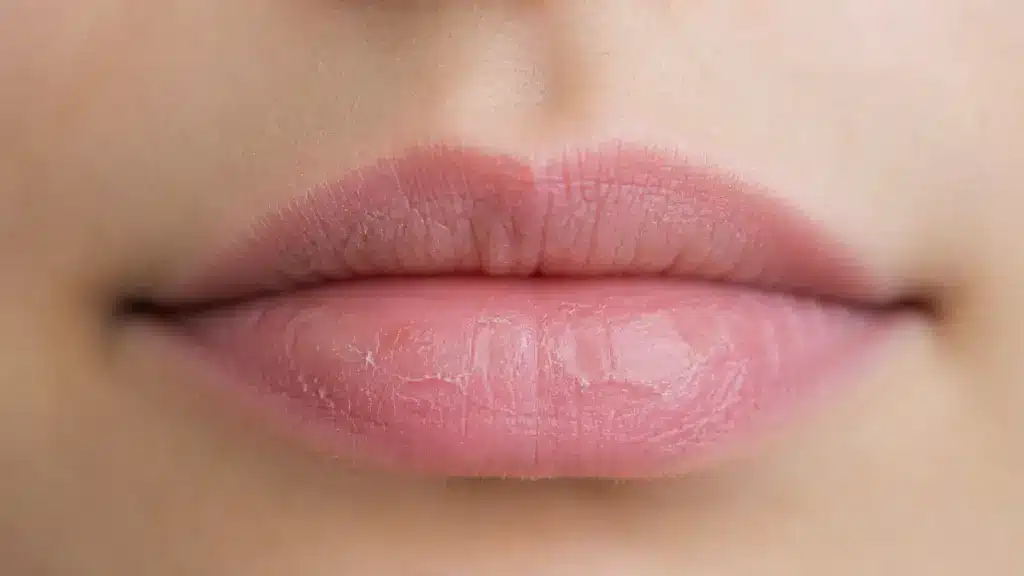
Chapped lips are dry, cracked, peeling, or irritated. The medical term is often cheilitis, which means inflammation of the lips. It can be mild and annoying, or it can become so sore that it affects eating, talking, or sleeping.
The lips dry out easily because they do not behave exactly like the skin on the rest of the face. They are exposed to wind, sun, saliva, food, toothpaste, and lip products throughout the day. Cleveland Clinic describes common symptoms as dryness, cracking, peeling, scaling, itching, swelling, and mild pain.
Common signs include:
- Tightness: The lips feel stretched, especially after talking or smiling.
- Peeling: Thin flakes lift from the surface.
- Cracks: Small splits can form, often in the center or corners.
- Stinging: Salty, spicy, or acidic food can burn.
- Bleeding: Deep cracks may reopen when the lips move.
This symptom check matters because not every dry lip problem is just “a little dryness.” Once you know what the lips are doing, the next step is finding out what keeps the cycle going.
What Are the Main Causes Behind Chapped Lips?

The main chapped lips causes are dry air, sun exposure, lip licking, dehydration, irritating products, and skin conditions. Sometimes one trigger is enough. Often, two or three small things stack up until the lip barrier can no longer keep up.
- Dry weather: Cold wind, indoor heating, and low humidity draw moisture from the skin on the lips. This is why many people get worse symptoms in winter.
- Sun exposure: Lips can become dry, irritated, or sunburned. The American Academy of Dermatology recommends a lip balm with SPF 30 or higher outdoors.
- Lip licking: Saliva provides quick relief, then evaporates, leaving the lips drier. It can also irritate already cracked skin.
- Dehydration: Low fluid intake can add to dryness, but water alone may not fix lips if irritation or sun damage is involved.
- Irritating products: Flavor, fragrance, menthol, camphor, eucalyptus, and peppermint can sting and worsen cracked lips.
- Toothpaste residue: Some people react to strong flavors or foaming agents. Residue around the mouth can keep the area irritated.
- Medications: Acne treatments, retinoids, and some other medicines can dry lips.
- Skin or health issues: Eczema, allergies, infection, medication reactions, and some health conditions can sometimes be involved.
The useful takeaway is simple: dryness is not always a water problem. Once the likely trigger is clear, the next step is understanding why the same dryness can keep coming back even after balm.
Discussions and Forums: What Real People Say About Chapped Lips
Forums are useful because people ask the questions they may not ask in a doctor’s office. They talk about peeling, embarrassment, failed balms, water intake, Vaseline, lanolin, toothpaste, and fear that something deeper is wrong.
Still, forum advice should not be treated as medical proof. It is better to use Reddit, Quora, and Mayo Clinic Connect to understand real concerns, and then check the answers against medical sources.
1. Reddit: Why Are My Lips Always Chapped And Peeling?

In this Reddit thread, the user describes lips that have cracked and peeled for years. The replies show the same patterns many readers worry about: drinking enough water, using balm all day, trying lanolin, applying Aquaphor or Vaseline, changing toothpaste, and gently removing loose flakes.
The helpful part is the pattern, not every single suggestion. Some ideas match dermatology advice, such as using a bland ointment and avoiding licking. Other suggestions, such as acids, strong scrubs, supplements, or steroid balms, should not be given as general advice without a clinician’s guidance.
The safe reader takeaway: if lips peel for years, the answer may be more than “drink water.” Product irritation, dental products, mouth breathing, eczema, allergies, or another condition may need attention.
2. Mayo Clinic Connect: What If Vaseline Does Not Help?

A Mayo Clinic Connect discussion shows another common concern: what if Vaseline does not help? The user asks about chronic dryness, possible infection, and next steps. Replies mention dry winter air, medications, vitamin deficiencies, sun damage, eczema, humidifier use, and consulting a doctor or dermatologist.
This matters because many people wait too long before seeking care when a simple ointment fails. If the lips stay cracked, crusted, swollen, painful, or scaly for weeks, it is reasonable to get them checked.
The safe reader takeaway: chronic symptoms deserve a closer look, especially when the lower lip stays rough, lips keep bleeding, or the corners split again and again.
3. Quora: Why Do People Try So Many Home Fixes?

The Quora discussion shows how scattered the advice can get. People mention glycerin, Vaseline, honey, sugar scrubs, oils, lanolin, cucumber, no-balm routines, and many product names.
That tells me something important: people are trying hard, but they often do not know which advice is safe for cracked lip skin. A rough scrub may feel satisfying, but it can tear fragile skin. A flavored balm may feel nice, but it can keep irritation going.
The safe reader takeaway is to keep the routine boring at first. Use a bland product, stop the trigger, protect from the sun, and watch for improvement.
How to Fix Chapped Lips Safely

If you want to know how to fix chapped lips, start with the basics: reduce irritation, seal in moisture, protect them from the sun, and give the skin time to repair. Fast relief is nice, but harsh fixes often make cracked lips worse.
- Stop the trigger first: If a product burns, tingles, tastes strong, or makes lips feel tighter later, pause it.
- Use a thick ointment: A bland ointment like white petroleum jelly can seal moisture and protect cracked skin. AAD recommends thick ointment when lips are very dry and cracked.
- Apply often: Use balm or ointment during the day and before bed. Reapply after eating, drinking, or wiping the mouth.
- Choose SPF outdoors: Pick SPF 30 or higher with zinc oxide or titanium dioxide. Lips can get sunburned, and sun damage can worsen dryness.
- Drink water, but stay realistic: Hydration helps the body, but it will not fix an allergy, irritating product, or sun damage by itself.
- Use a humidifier: Dry bedroom air can worsen overnight cracking, especially if you breathe through your mouth while sleeping.
Give it time: Mild dryness may feel better quickly. More cracked lips can need 2 to 3 weeks of careful care, the same patience that pays off when you’re building a simple skincare routine for the rest of your face.
Try this routine for 2 to 3 weeks, unless pain, bleeding, swelling, blisters, or spreading irritation occur sooner. The best routine is one your lips can tolerate. If soreness or cracking continues, the dermatologist can help you decide when to get checked.
What Should You Avoid When Lips Are Cracked?
When lips are cracked, the skin surface is already stressed. This is the point where small habits can slow repair. The goal is to avoid anything that adds friction, irritation, or moisture loss while the lips settle and heal.
| What to Avoid | Why It Can Make Lips Worse |
| Licking lips | Saliva dries quickly and can leave lips tighter than before |
| Picking flakes | Pulling skin can reopen cracks and slow repair |
| Strong flavors | Mint, cinnamon, citrus, and heavy fragrance can irritate sore lips |
| Cooling ingredients | Camphor, eucalyptus, menthol, and peppermint can sting or dry cracked lips |
| Rough scrubs | Sugar scrubs and toothbrush rubbing can tear already split skin |
| Metal contact | Paperclips, jewelry, and metal objects near the mouth can trigger irritation |
| Random medicated balms | Steroid or antibiotic products should be used only when a clinician recommends them |
A good rule is simple: if a product burns, stings, or makes lips feel worse after the first few minutes, pause it. After the irritants are removed, choosing the right product type becomes easier.
Why Do Dry Lips Keep Coming Back?

Dry lips keep coming back when the main trigger is still active, or the lip barrier has not had enough time to repair. This section is about the repeat cycle, not every possible cause.
The cycle is simple. Lips feel tight, so you lick them for quick relief. Saliva dries, the skin feels tighter, flakes return, and peeling starts again. The American Academy of Dermatology explains that licking can worsen chapped lips because saliva dries out the skin.
Products can keep the same loop going. Menthol, camphor, eucalyptus, peppermint, fragrance, and flavoring may irritate cracked lips. If peeling continues for weeks despite gentle care, the Cleveland Clinic notes that allergies, medications, dehydration, sun exposure, or certain health conditions may be involved.
What Is the Best Lip Balm or Product for Dry Lips?
The best lip product for dry lips is usually simple, thick, and non-irritating. This section is not about treating every cause. It is about choosing a product that protects cracked lip skin without adding new irritation.
AAD lists helpful lip-care ingredients such as castor seed oil, ceramides, dimethicone, mineral oil, petrolatum, shea butter, and sun-protective ingredients like titanium dioxide or zinc oxide.
| Product Type | Best Ingredients to Look For | Why It Helps |
| Sealing ointment | White petroleum jelly, petrolatum | Helps lock in moisture and protect cracked lip skin |
| Barrier-support balm | Ceramides, dimethicone, shea butter | Helps lips feel more comfortable while the skin settles |
| Simple oil-based balm | Castor seed oil, mineral oil | Adds slip and helps reduce dryness without a strong fragrance |
| Daytime SPF balm | SPF 30, zinc oxide, titanium dioxide | Protects lips from sun exposure, which can worsen dryness |
| Sensitive-lip formula | Fragrance-free, hypoallergenic | Lowers the chance of irritation from flavor or scent |
| Lanolin-based balm | Lanolin, only if tolerated | May help some people, but can irritate sensitive or cracked lips |
If you are trying to learn how to fix chapped lips without buying every popular balm on the market, start with the ingredient type.
The same logic carries over to the rest of your face. If you’ve ever wondered whether a basic moisturizing cream actually holds up, the answer is usually the same: plain and consistent beats trendy and fragranced.
Can Dry Lips Be a Sign of Something Else?
Most dry lips come from everyday triggers, such as weather, sun, licking, dehydration, or irritating products. But stubborn symptoms can sometimes point to another issue. This is where the list of chapped lips causes becomes longer.
Possible causes include contact allergy, eczema, medication reaction, yeast or bacterial infection, iron or vitamin deficiency, thyroid problems, autoimmune conditions, or sun-related lip damage.
These are not things to self-diagnose based on a single symptom, but they are worth considering when the lips do not improve, the same way it helps to understand caring for skin naturally before reaching for anything stronger.
One condition worth knowing is actinic cheilitis. Cleveland Clinic describes it as a precancerous condition caused by long-term sun exposure that can make lips rough, scaly, or discolored.
This does not mean every peeling lip is serious. It means symptoms that are persistent, one-sided, changing, bleeding, or not responding to careful care deserve a professional look.
Are Dry, Cracked Lips Different from Cold Sores?

Dry, cracked lips and cold sores can both show up around the mouth, so the confusion makes sense. The key difference is the pattern. One is usually dryness and barrier damage. The other often starts with tingling, then forms small blisters that crust soon after.
| Feature | Dry, Cracked Lips | Cold Sore |
| Main issue | Damaged lip barrier | HSV-related blister |
| Usual feel | Tight, dry, sore, or stinging | Tingling, burning, or sharp pain |
| Look | Peeling, scaling, cracks, or splits | Small fluid-filled blisters that may crust |
| Spread risk | Not contagious by itself | Can be contagious |
| Common triggers | Weather, sun, licking, irritating products | HSV flare, stress, illness, sun exposure |
| Best next step | Bland ointment, SPF, and irritant avoidance | Ask a clinician or pharmacist about cold sore care |
This section can help you decide what deserves simple lip care and what needs medical advice. It should not replace a diagnosis, especially if blisters spread, pain gets worse, or sores keep returning. When the pattern looks unclear, ask a clinician before treating it yourself.
When Should You See a Dermatologist?
See a dermatologist if dry lips do not improve after 2 to 3 weeks of careful care. That is especially true if you have already stopped irritating products, used a bland ointment, protected your lips from the sun, and added moisture to dry air.
Get checked sooner if:
- Cracks often bleed or keep reopening
- Corners of the mouth split, crust, or burn
- Lips swell, itch, or react to several products
- Blisters appear
- The lower lip stays rough or scaly
- A new medication was started before the dryness began
- Pain affects eating, talking, or sleeping
- The problem keeps hurting your confidence
A dermatologist can check for allergies, eczema, infections, sun damage, medication side effects, or other causes. That is safer than adding increasingly strong products at home.
Frequently Asked Questions
Can I Heal Dry Lips Overnight?
You can make dry lips feel calmer overnight, but deep cracks usually take longer. Apply a bland, thick ointment before bed, avoid licking or picking, and use a humidifier if the room feels dry. If pain or bleeding continues, get medical advice soon.
Why Do My Lips Peel Even When I Use Lip Balm?
Lips may keep peeling if the balm contains fragrance, flavor, menthol, camphor, or eucalyptus. Peeling can also continue when dry air, lip-licking, sun exposure, or a skin condition keeps irritating the skin barrier. Switch to a plain ointment and watch for changes.
Can Chapped Lips Mean I Am Dehydrated?
Dehydration can contribute to dry lips, but it is not the only cause. Weather, sun, saliva, medications, allergies, and lip products can also play a role. If drinking more water does not help, look for daily triggers and consider seeing a dermatologist.
Why Do The Corners Of My Mouth Crack?
Cracked mouth corners may come from dryness, saliva buildup, irritation, or a condition called angular cheilitis. It can feel sore when eating or talking. If the corners split often, crust, bleed, or do not improve with gentle care, ask a clinician.
Can Sun Exposure Make Lips Dry?
Yes, sun exposure can dry, burn, and irritate the skin on your lips. The lower lip is especially easy to miss when applying sunscreen. For outdoor time, use a lip balm with SPF 30 or higher and reapply after eating, drinking, or wiping your mouth.
Wrap Up
Dry lips are common, but the answer is not always “drink more water and use balm.” The better path is to remove irritants, seal the lips with a bland ointment, protect them from the sun, add moisture to dry air, and give the skin enough time to settle.
If chapped lips keep peeling, cracking, bleeding, reacting to products, or returning after careful care, a dermatologist can help find the cause. That step is not dramatic. It is practical, especially when the lips have been uncomfortable for weeks.
If one habit or product change helped you stop the peeling cycle, share it in the comments. A simple routine that worked in real life can help another reader choose their next step more calmly.