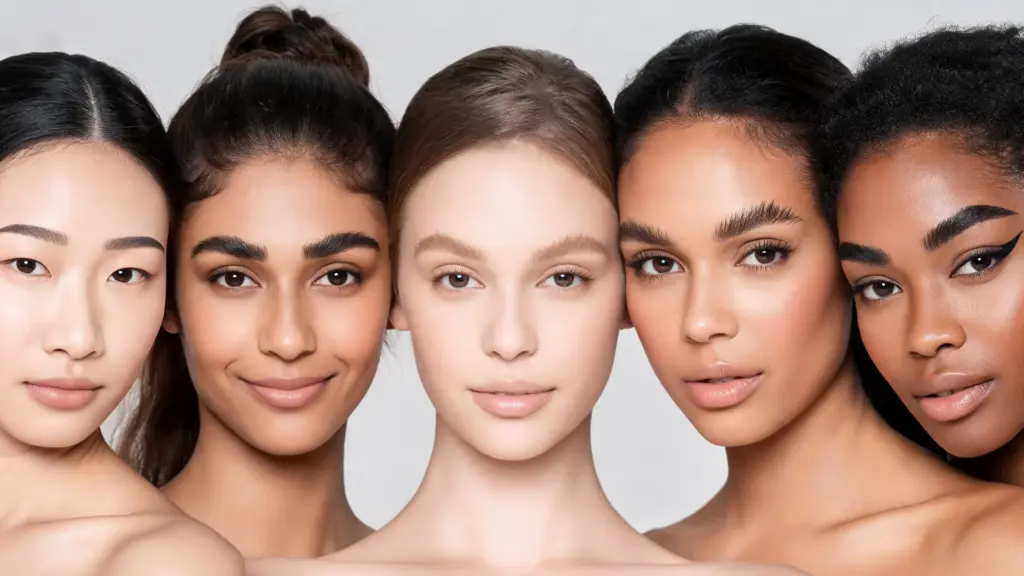
Your eyebrows can change your whole face in seconds. The hard part is knowing which shape actually suits you. With so many types of eyebrows, it is easy to feel stuck between trendy arches, soft curves, straight brows, and fuller natural styles.
I know you want brows that frame your eyes without looking forced or overdone. Brows and eyes work as a pair, so it helps to identify your eye shape before you settle on a brow style, since the two should balance each other rather than compete. This guide helps you understand the most common eyebrow shapes, how each one changes your expression, and which styles work best for different face shapes.
You will also learn how to shape your eyebrows safely, choose a look that matches your natural growth, and avoid the mistakes that make brows look uneven.
Quick Eyebrow Shape Guide
Before you pick a brow style, it helps to know what actually creates the final look. Your eyebrow shape is the base, but the thickness, tail, finish, and treatment can completely change how that shape appears on your face. That is why the same brow shape can look soft on one person and bold on another.
| Category | Meaning | Examples |
|---|---|---|
| Eyebrow Shape | The actual outline or structure of the brow | Straight, arched, rounded, S-shaped |
| Eyebrow Style | The finish or trend applied to the brow | Feathered, laminated, bleached, slit |
| Brow Thickness | How full or slim the brow looks | Thin, medium, bushy |
| Brow Tail | How the outer brow ends | Tapered, lifted, short, extended |
| Brow Treatment | A professional or semi-permanent service | Tinting, threading, microblading, powder brows |
Think of this as your brow starting point. Once you understand each part, it becomes easier to choose a shape that follows your natural brow bone, suits your growth pattern, and still matches your personal style.
Eyebrow Types That Shape Your Look
Each brow shape changes your expression in a different way, so it helps to choose one based on both the look you want and the face shape you have.
Some brows add lift, some soften sharp features, and others create a cleaner or fuller effect. The right choice should frame your face without overpowering it.
1. Straight Brows

Straight eyebrows have little to no arch and follow a more horizontal line across the brow bone. They can make the face look calm, youthful, and balanced, especially when the brow is not drawn too thick.
This shape is often linked with clean, minimal makeup styles and works especially well on longer faces because it helps reduce the appearance of extra length.
- Best For: Long faces, oval faces, minimal brow looks
- Visual Effect: Makes the face look calmer, wider, or shorter
- Avoid: Very flat, straight brows on round faces, because they can make the face look wider
2. Soft-Arched Eyebrows

Soft-arched eyebrows have a gentle curve that lifts the brow without creating a sharp peak. They add natural definition while keeping the face relaxed and approachable.
This is one of the most versatile eyebrow shapes because it works with many face shapes and makeup styles. It gives the brows structure without making the expression look too bold, harsh, or overly sculpted.
- Best For: Oval, round, heart, and square faces
- Visual Effect: Adds gentle lift and balance
3. High-Arched Eyebrows

High-arched eyebrows have a lifted shape with a stronger peak above the brow bone. They can make the eyes look more open and give the face a sharper, more defined look.
This brow type works well when the face needs height, contrast, or a more sculpted effect. It is especially flattering on round faces because it adds structure and makes the face appear longer.
- Best For: Round faces, fuller cheeks, soft facial features
- Visual Effect: Makes the face look lifted and defined
- Avoid: Long or very angular faces, because the arch can look too severe
4. Rounded Eyebrows

Rounded eyebrows have a smooth curve with no sharp angle or pointed arch. They create a softer expression and help balance strong facial features, especially around the jawline and cheekbones.
This brow type is useful when the face already has strong structure and needs a gentler frame. It can soften the overall look without completely removing definition.
- Best For: Square, diamond, and angular faces
- Visual Effect: Softens sharp or angular features
- Avoid: Very rounded shapes on round faces, because they may not add enough definition
5. S-Shaped Eyebrows

S-shaped eyebrows have a slight dip at the front and a soft lift at the arch, creating a subtle, wave-like shape. They add natural movement and personality without looking too sharp or dramatic.
This brow type works especially well when the natural brow line already has some unevenness or soft curves, making it easier to enhance the brow without forcing symmetry.
- Best For: Oval faces, heart faces, naturally uneven brows
- Visual Effect: Adds dimension and natural movement
6. Curved Eyebrows

Curved eyebrows follow one smooth arc from the inner brow to the tail. They look classic, soft, and balanced without feeling too trendy or overly shaped.
This brow type can reduce harshness around the eyes, cheekbones, and jawline, making the face look smoother. It is a strong choice when you want a soft, polished brow that still clearly frames the face.
- Best For: Diamond, square, and angular faces
- Visual Effect: Creates a soft, smooth, and balanced frame
- Avoid: Very thin or overly sharp curved brows on angular faces
7. Tapered Eyebrows

Tapered eyebrows are fuller near the inner brow and gradually become slimmer toward the tail. This shape looks clean, polished, and easy to personalize because it follows the way many brows naturally grow.
It adds structure without making the brow look too heavy or blocky. Tapered brows are flexible and work well when you want neatness without a dramatic change.
- Best For: Most face shapes, especially oval, heart, and round faces
- Visual Effect: Creates a clean and polished finish
8. Feathered Eyebrows

Feathered eyebrows are brushed upward and outward to create an airy, natural-looking finish. They focus more on texture and hair direction than on a sharply outlined shape.
This style works well for full, medium, or growing-out brows because it makes natural brow hair part of the look. It gives the face a fresh, modern feel while still looking soft and effortless.
- Best For: Full brows, medium brows, growing-out brows
- Visual Effect: Adds fullness and relaxed texture
9. Bushy Eyebrows

Bushy eyebrows are thick, full, and naturally dense, with more visible hair through the front, arch, and tail. They can look bold, youthful, and expressive when the edges are lightly cleaned.
The goal is not to remove too much hair, but to control the shape enough so the brows frame the eyes well. This type works best when the fullness looks intentional rather than untidy.
- Best For: Strong features, fuller faces, naturally dense brows
- Visual Effect: Adds strength, youthfulness, and natural density
10. Thin Eyebrows

Thin eyebrows are slim, narrow brows often linked with 90s and Y2K beauty trends. They can look stylish, dramatic, and fashion-forward when shaped carefully and kept even.
However, they require more upkeep because even a single hair can alter the outline. They work best when the brow line is already even and the wearer wants a more retro or editorial look.
- Best For: Retro looks, bold makeup, naturally even brows
- Visual Effect: Creates a retro or bold fashion look
- Avoid sparse, overplucked, or slow-growing brows, because regrowth can take time
11. Angular Eyebrows

Angular eyebrows have a sharper, more defined bend that adds structure and lift to the face. They can make soft features look more sculpted and help the eyes appear more open.
This brow type is useful when the face needs more contrast or stronger definition. It tends to flatter softer face shapes more than already sharp ones.
- Best For: Round faces, soft features, defined makeup looks
- Visual Effect: Adds sharpness and structure
- Avoid: Square, diamond, or very sharp faces, because the brow can look too harsh
Tip: Before choosing any brow shape, brush your brows upward and notice where they naturally lift, thin out, or curve. The most flattering shape usually follows that natural pattern instead of forcing a completely different brow line.
How to Shape Your Eyebrows
Shaping your eyebrows is easier when you follow your natural brow line instead of creating a completely new shape. Start slowly, check both brows often, and remove only small amounts at a time.
Step 1: Brush Your Brows Upward: Use a spoolie to brush your eyebrow hairs upward and outward. This helps you see your natural shape, long hairs, sparse areas, and uneven spots before trimming or tweezing anything.
Step 2: Map the Brow Start, Arch, and Tail: Hold a brow pencil beside your nose to mark where the brow should start. Angle it through the eye to find the arch, then toward the outer corner to find the tail.
Step 3: Trim Only Long Hairs: Brush the hairs upward again and trim only the longest tips that sit above your brow shape. Avoid cutting too deep because short hairs can make brows look patchy or blunt.
Step 4: Tweeze Small Stray Hairs: Remove only the hairs outside your natural brow outline, mainly under the brow and between the brows. Avoid over-tweezing the top line, as it can disrupt the natural flow.
Step 5: Fill Sparse Areas Lightly: Use a brow pencil or powder to fill gaps with short, hair-like strokes. Keep the front softer and add more definition toward the arch and tail.
Step 6: Set the Shape: Finish with brow gel to hold the hairs in place. Step back from the mirror and check both brows in natural light before making any extra changes.
Tip: Shape your brows in small steps. It is easier to remove one more hair later than to fix overplucked brows.
Best Tools for Eyebrow Shaping and Styling
You do not need a full brow kit to shape your eyebrows well. A few basic tools can help you brush, trim, clean, fill, and set your brows with better control at home.
| Tool | Best Use |
|---|---|
| Spoolie | Brushing brows before shaping or trimming |
| Tweezers | Removing small stray hairs |
| Brow Scissors | Trimming long brow hairs |
| Brow Pencil | Mapping shape and filling gaps |
| Brow Gel | Holding brow hairs in place |
| Brow Razor | Cleaning fine hair carefully |
These tools are enough for most beginners who want cleaner, more balanced brows. Use razors carefully, and try advanced styling only after you understand your natural brow shape and growth pattern.
Tip: For men’s brows, start with cleanup before reshaping. Brush the hair upward, trim only the longest strands, and remove obvious strays around the center and lower edge. Keep natural thickness where possible, because over-thinning can make brows look less balanced and less natural.
Types of Eyebrow Slits
Your brow texture, fullness, and growth pattern can change; which shape looks best? Thin, thick, sparse, or uneven brows need different styling choices to look balanced, natural, and easy to maintain.
1. Single Eyebrow Slit

A single eyebrow slit is one clean-shaven line through the brow. It gives a subtle, edgy detail without changing the full eyebrow shape. This style works best on medium-to-thick brows because the line shows more clearly.
It is also a good first choice if you want to try eyebrow slits without making the brow look too bold or dramatic.
Safety Note: Use light pressure and avoid cutting into the skin.
2. Double Eyebrow Slit

A double eyebrow slit uses two small shaved lines placed close together. It looks bolder than a single slit and draws more attention to the brow area. This style works best when both lines are clean, even, and spaced properly.
On thicker brows, double slits can look sharp and intentional, but uneven spacing may make the brow look patchy.
Safety Note: Keep both slits evenly spaced to avoid an uneven brow finish.
3. Tail Eyebrow Slit

A tail eyebrow slit is placed near the outer end of the brow. It works well with tapered, angular, or arched brows because it highlights the brow tail.
This style gives the brow a sharper finish without changing the front section. It is a good option if you want a small detail that still feels clean, modern, and easy to notice.
Safety Note: Avoid shaving too much from the tail because it can shorten the brow.
4. Half Eyebrow Slit

A half eyebrow slit cuts through only part of the brow instead of the full width. It gives a softer effect than a full slit and can be easier to grow out.
This style is useful if you want something noticeable but not too strong. It also works well for people who prefer subtle brow details over bold, graphic designs.
Safety Note: Keep the cut small and controlled so the brow does not look broken.
5. Cross Eyebrow Slit

A cross eyebrow slit uses two angled lines to create a small graphic detail in the brow. It looks more creative than a basic slit and adds a sharper design element.
This style needs careful placement because uneven angles can change the whole brow shape. It works best when the natural brow is thick enough to hold the design clearly.
Safety Note: This style is best done slowly or by a professional for cleaner spacing.
6. Multiple Eyebrow Slits

Multiple eyebrow slits use three or more shaved lines for a stronger, more statement-making look. They work best on thick brows because there is enough hair to show each line clearly.
This style can look bold and stylish, but it needs more upkeep as the brow hair grows back. If the lines are too close, the brow may look sparse.
Safety Note: Avoid placing too many slits too close together, as the brow can look thin.
Professional Eyebrow Treatments for Different Brow Types
Professional brow treatments can help when regular grooming is not enough. They are useful for uneven, sparse, overplucked, or hard-to-shape brows that need cleaner structure, better fullness, or longer-lasting definition.
| Treatment | Best For | How It Helps |
|---|---|---|
| Threading | Soft arches, tapered brows, and detailed cleanup | Creates precise shaping and clean edges without removing too much natural brow density |
| Waxing | Thick brows or quick brow cleanup | Removes hair faster and creates a sharper outline, though sensitive skin may need a gentler option |
| Tinting | Light, sparse, or patchy brows | Adds visible fullness and color without changing the actual eyebrow shape |
| Brow Lamination | Feathered, brushed-up, or fuller-looking brows | Lifts and sets brow hairs so medium or thick brows look smoother and more styled |
| Microblading | Sparse or overplucked brows | Adds hair-like strokes to rebuild the look of missing brow hair and uneven areas |
| Powder Brows | Thin, sparse, or uneven brows | Creates a soft, filled-in makeup effect that looks polished and lasts longer |
| Brow Extensions | Temporary fullness for events or photos | Fills sparse areas quickly, but does not correct natural brow growth long-term |
Professional help is useful when you are unsure about brow shape, symmetry, or long-term correction. A trained brow expert can refine your brows without removing too much hair or forcing an unnatural shape.
Common Eyebrow Shaping Mistakes to Avoid
Small brow mistakes can change your whole expression, especially when you tweeze, trim, or fill without checking your natural shape first.
- Overplucking the Front: Removing too much from the inner brow can make the eyes look farther apart and the face less balanced. Keep the front soft and natural instead of creating a harsh gap.
- Forcing a High Arch: A dramatic arch can look harsh when it does not match your natural brow bone. Your arch should lift the face gently, not make the brows look surprised or overly sharp.
- Making Brows Too Dark: A very dark fill can make the brows look flat, heavy, or drawn on. Use light, hair-like strokes and choose a shade that blends with your natural brow color.
- Cutting Hairs Too Short: Over-trimmed brow hairs can stick out, look blunt, or create patchy spaces. Brush the hairs upward first and trim only the longest tips above the brow line.
- Ignoring Face Shape: Copying a trend without considering facial features can make brows look disconnected. Choose a shape that balances your face instead of following every viral brow style.
- Removing Too Much From the Top: Over-tweezing the top line can flatten the brow and change its natural flow. Clean only obvious stray hairs unless a professional is reshaping the brow.
- Chasing Perfect Symmetry: Brows should look balanced, but trying to make them identical often leads to overplucking. Natural brows are slightly different, and that difference usually looks more realistic.
Small changes are safer because brow mistakes are harder to fix than prevent. Shape slowly, check both brows often, and stop before removing extra hair.
Frequently Asked Questions
Can eyebrows change how old your face looks?
Yes, eyebrow shape can affect how youthful or mature your face appears. A slightly lifted tail and clean lower edge can make the eye area look fresher. Very thin, droopy, or overly dark brows can sometimes make the face look tired or heavier.
How often should you reshape your eyebrows?
Most brows need light cleanup every two to three weeks, depending on hair growth. Avoid reshaping too often because small hairs help maintain the natural outline. Regular brushing and tiny touch-ups are safer than changing the shape every few days.
Should eyebrows be the same color as your hair?
Eyebrows do not need to match your hair exactly. Dark hair often looks softer with brows one shade lighter, while blonde or light hair may need slightly deeper brows. The goal is natural balance, not a perfect color match.
Why do my eyebrows look different after filling them in?
Brows can look different after filling because pencil, powder, or gel changes the outline, thickness, and color. Heavy filling can make one brow appear higher or darker. Use light strokes and step back from the mirror to check balance.
Can eyebrow shape make eyes look more open?
Yes, the right brow shape can make the eyes look more open. A soft arch, lifted tail, or feathered finish can create a brighter look. Avoid drooping tails or heavy front sections because they can make the eye area look smaller.
What eyebrow shape is best for beginners?
A soft arch is usually best for beginners because it follows the natural brow bone and does not need extreme shaping. It adds gentle lift without looking too sharp. This shape is also easier to maintain than thin, angular, or high-arched brows.
Final Takeaway
Your brows should support your face, not compete with it. Once you understand your face shape, natural brow growth, thickness, arch, and styling comfort, choosing from different types of eyebrows feels much easier.
A soft arch can add balance, straight brows can shorten a longer face, and rounded brows can soften sharper features. Small details like the tail, brow color, and grooming method also change the final look.
I like starting with your natural brow bone because it keeps the shape realistic and easier to maintain. Use these tips before tweezing, trimming, filling, or trying eyebrow slits. Try the shape that feels most natural, and share which brow style suits you best.