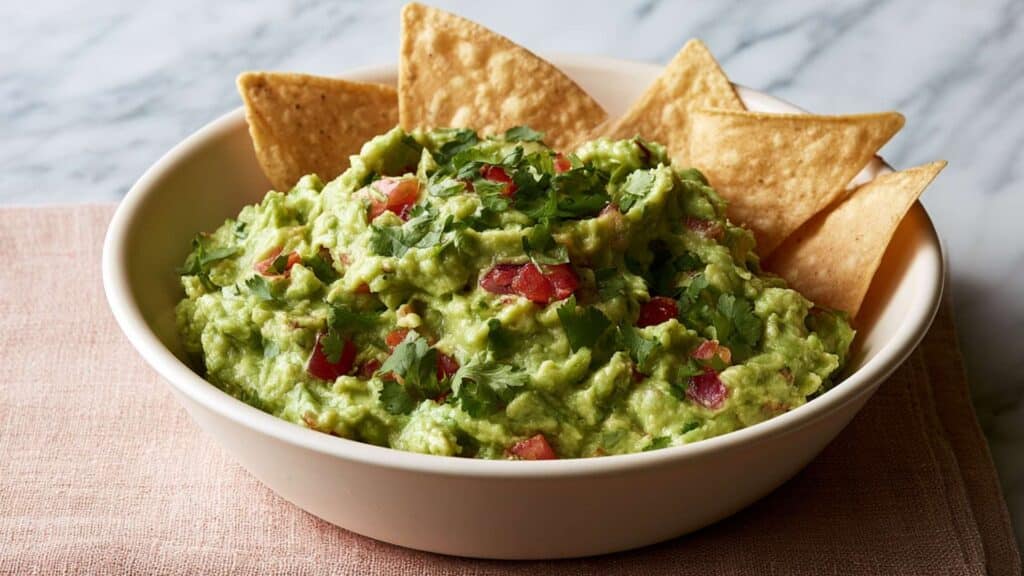

I make guacamole at least twice a week. So when people ask if it is actually good for you, or just feels healthy because it is green, I have a real answer.
Yes, guacamole is good for you when you make it with real ingredients and watch your portion. The benefits come from the avocado: fiber, healthy fat, and most of the vitamins.
How you eat it matters as much as what is in it. A few tablespoons with cucumber is a different food than the same scoop under fried chips and sour cream.
Here is what is actually in guacamole, what the research says, and where people go wrong with it.
What is Actually in Guacamole?
Strip it down and guacamole is ripe avocado mashed with lime juice, onion, tomato, cilantro, and salt. Some add garlic or chili. I usually add roasted garlic.
Avocado carries the dish; it is rich and dense on its own, and lime keeps it from tasting heavy. The onion, tomato, and cilantro add texture plus extra fiber and vitamin C.
It is a Mexican dish with roots going back centuries. Simple recipe, well-balanced nutrition.
Is Guacamole Good For You?
Yes. Avocado’s fat is mostly monounsaturated, the same type as in olive oil, and it is linked to better cholesterol numbers.
Registered dietitians point to this fat profile specifically. The fiber and healthy fats in avocado can improve cholesterol, which is why guacamole gets called a heart-healthy snack rather than just a party dip.
Compared to sour cream- or mayonnaise-based dips, guacamole involves less processing, especially homemade. You are mashing a fruit and mixing in fresh ingredients, not adding thickeners or preservatives.
That said, avocado is a whole food, but that doesn’t make every guacamole healthy. Store-bought versions can carry added sodium, stabilizers, or sour cream. The healthiest version is the one you make and control yourself.
Guacamole Nutrition Facts and Calories
Here is a two-tablespoon serving, based on USDA data.
| Nutrient | Amount Per Serving |
|---|---|
| Calories | 60 |
| Fat | 5g |
| Fiber | 2g |
| Carbohydrates | 3g |
| Protein | 1g |
| Sodium | 80mg |
| Potassium | 170mg |
| Vitamin K | 15mcg |
| Folate | 30mcg |
Numbers shift a little by recipe, but this is a solid picture of what is in your bowl.
Disclaimer: These figures are approximate and will shift depending on the recipe and portion size. This is not medical or dietary advice; check with a registered dietitian for specific health concerns.
Guacamole Health Benefits You Should Know
Here is what the avocado in your bowl is contributing.
- Supports heart health: Monounsaturated fat helps manage LDL cholesterol while supporting healthier HDL levels.
- Helps eye health: Lutein and zeaxanthin are tied to a lower risk of macular degeneration with age.
- Keeps skin healthier: Vitamin E and monounsaturated fat support skin hydration and elasticity.
- Supports blood sugar control: A 2023 study in Nutrition, Metabolism and Cardiovascular Diseases found that among Hispanic adults with and without type 2 diabetes, higher avocado intake was linked to better glucose and insulin measures. Not a claim that guacamole fixes blood sugar for everyone, but a meaningful data point.
- Helps nutrient absorption: The fat helps your body absorb fat-soluble vitamins A, D, E, and K from the rest of your plate.
- Promotes gut health: Fiber feeds gut bacteria and keeps digestion running smoothly.
Not a superfood. A genuinely useful addition to a normal diet.
Is Guacamole Healthy for Weight Loss?
Guacamole is not inherently bad for weight loss. It comes down to how much you eat and what you eat it with.
Avocado is calorie-dense for a whole food, so a heaping scoop is not a level tablespoon.
A review of multiple randomized trials found that avocado intake did not cause significant weight loss, but it also did not cause weight gain, even when added without other diet changes. That matches what dietitians say: calorie-dense, but not fattening on its own.
Guacamole earns its place through substitution, not addition. Swapping it in for mayonnaise, butter, or a creamy dressing cuts empty calories without losing flavor. Adding it on top of a meal that already has those things is a different move, and it is the one that adds up.
The fat-and-fiber combination is why a small amount holds you over. In one study, people who ate half an avocado at lunch reported feeling fuller and had less desire to eat a few hours later.
| Goal | Suggested Portion |
|---|---|
| Small snack | 2 to 3 tablespoons |
| Meal topping | About a quarter cup |
| Larger serving | Watch the total calories for the meal |
Pairs well with: bell peppers, cucumber, carrots, whole-grain crackers, eggs, salads, and a fish or grain bowl in place of a heavier sauce.
I keep mine to two to four tablespoons, about the size of a golf ball. A couple of spoonfuls in a fish bowl in place of a mayo-based sauce gives you the same creamy texture for a fraction of the calories. It is one of my most-used swaps.
Healthy Guacamole Recipes
Guacamole does not have to be one-note. These variations keep the base simple while shifting the flavor and nutrition slightly.
1. Classic Guacamole
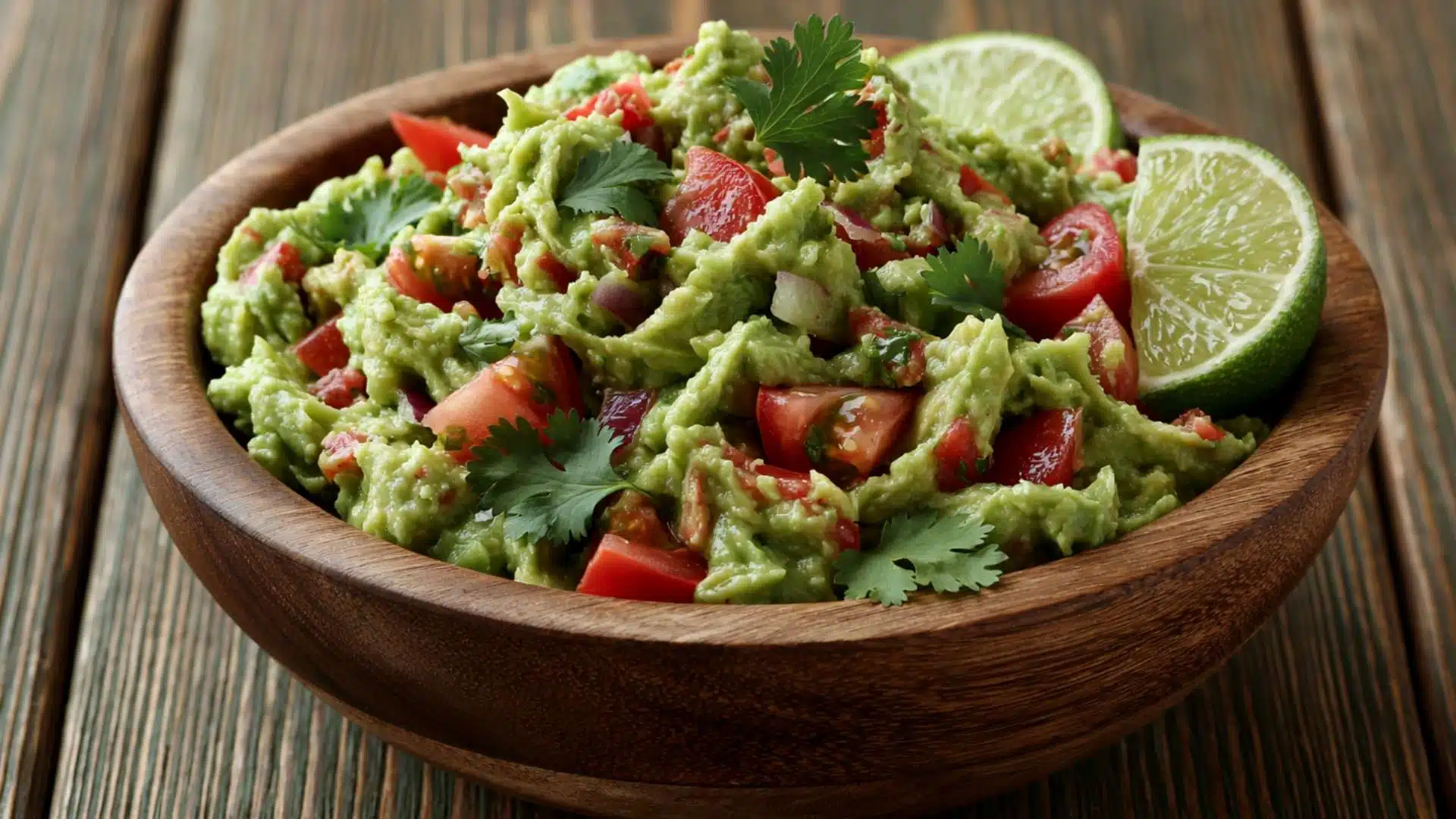
The version most people think of first, and the easiest to control nutritionally since nothing is hidden in it. Tomato and onion add vitamin C and fiber on top of the avocado. Ready in under ten minutes, and the base for the other six recipes.
- Ingredients: 2 ripe avocados, 1 lime, 1/4 cup diced onion, 1 small tomato, cilantro, salt.
- Steps: Mash the avocado, then fold in lime juice, onion, tomato, and cilantro. Season with salt.
- Better pairings: Whole-grain crackers or sliced cucumber instead of fried chips.
2. Greek Yogurt Guacamole
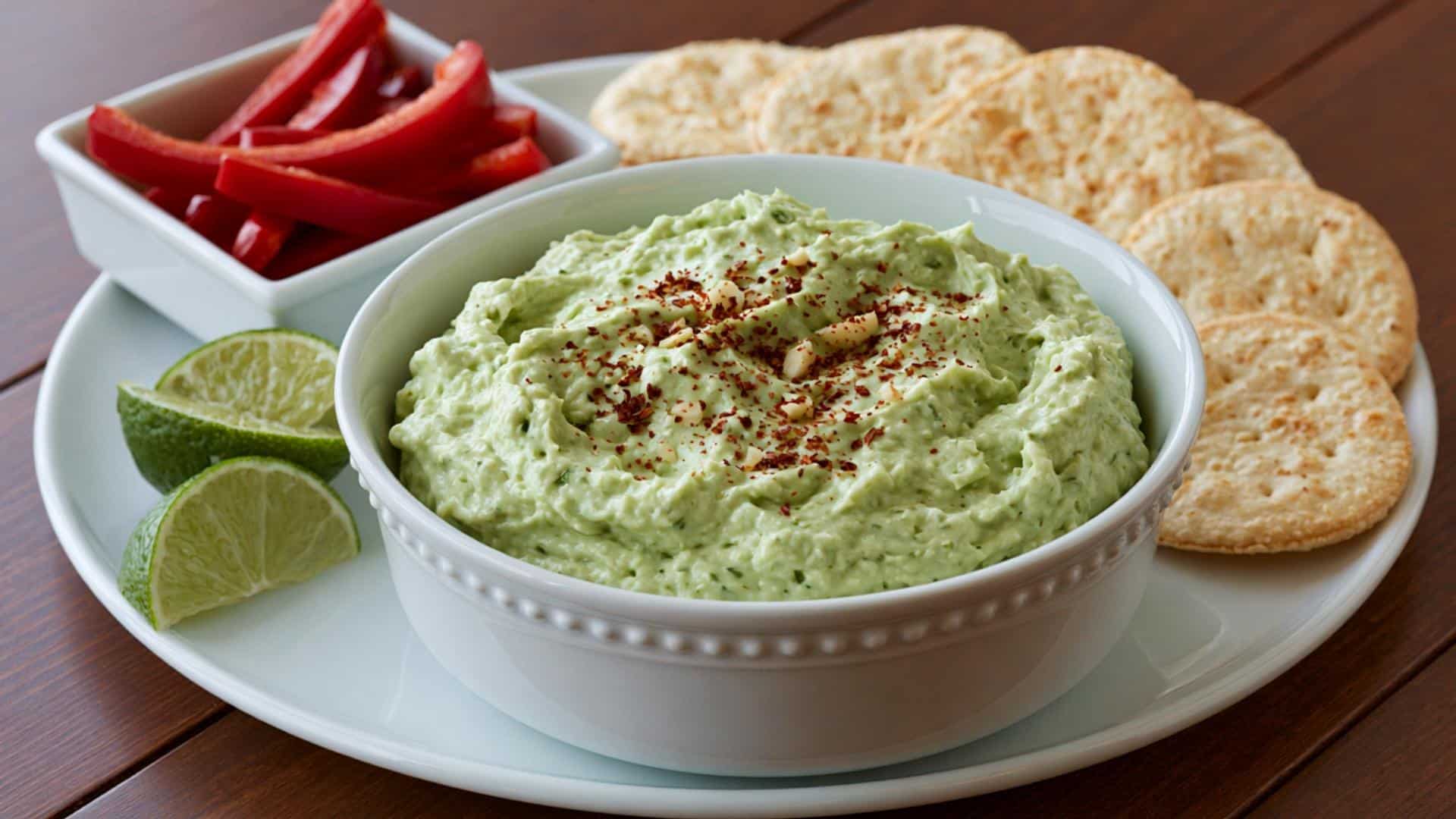
Greek yogurt stretches the batch and adds protein plain guacamole does not have. It also mellows the richness, so this version tastes lighter.
- Ingredients: 2 avocados, 2 tbsp plain Greek yogurt, lime juice, garlic, salt.
- Steps: Blend avocado with yogurt and lime until creamy. Stir in minced garlic and salt.
- Better pairings: Bell pepper strips for crunch and vitamin C.
3. Mango Guacamole
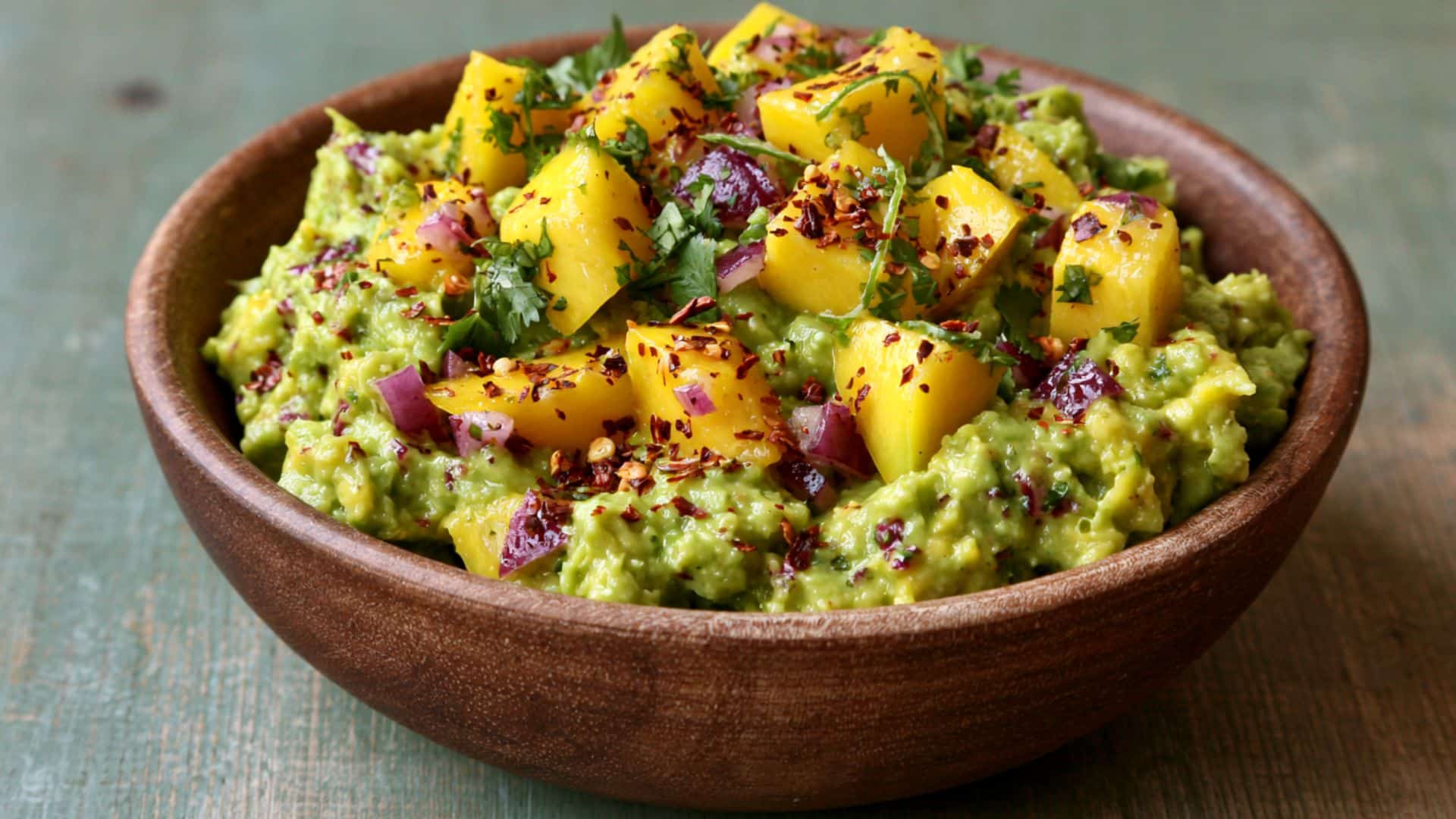
Mango adds natural sweetness and more carbohydrates than the classic, so it works better as a meal topping than a snack. Pairs well with anything grilled, since the fruit cuts through smoky flavors.
- Ingredients: 2 avocados, 1/2 cup diced mango, red onion, lime juice, chili flakes.
- Steps: Mash avocado, then mix in mango, onion, lime juice, and a pinch of chili flakes.
- Better pairings: Grilled shrimp or fish tacos.
4. Black Bean and Corn Guacamole
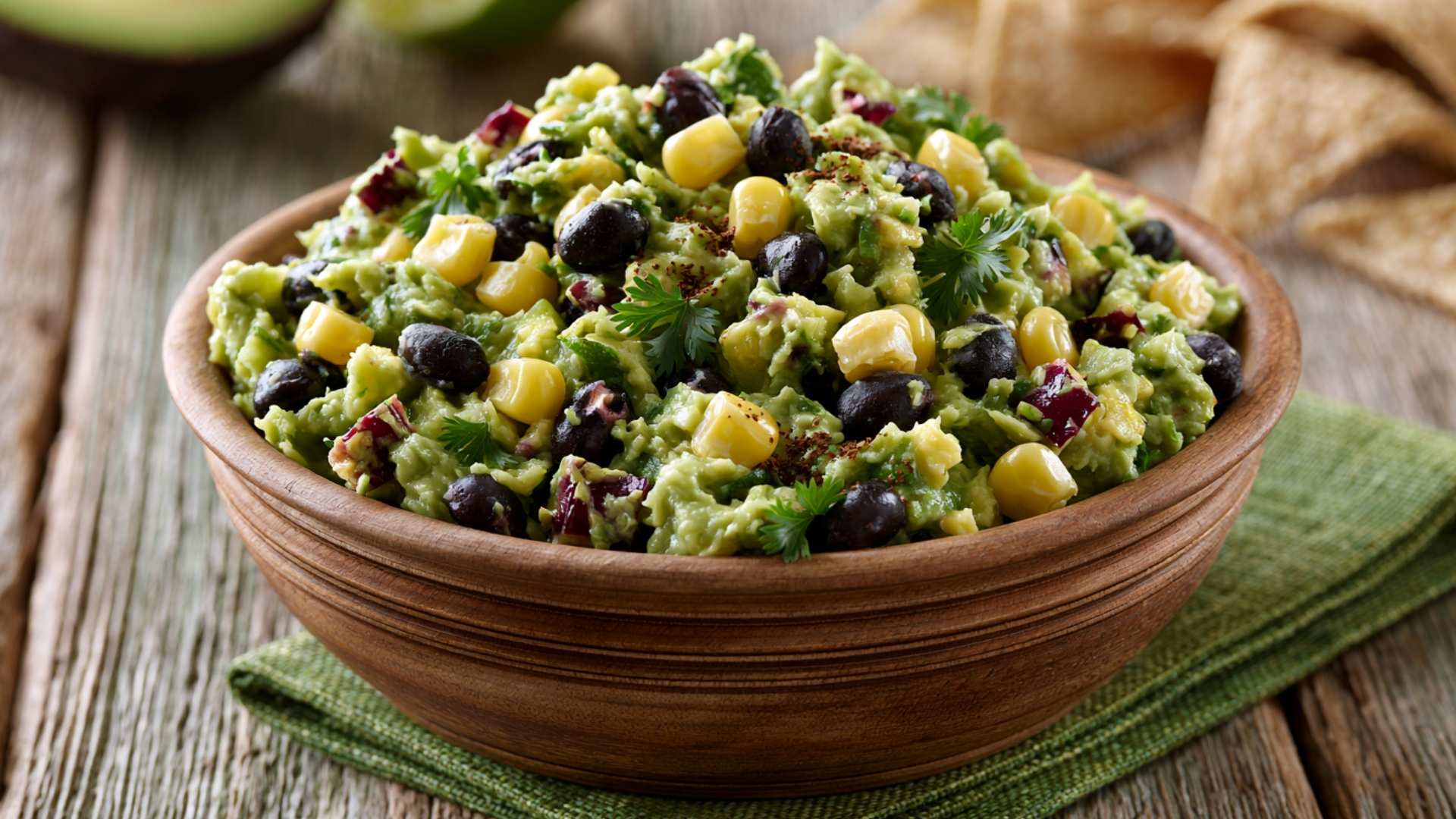
Black beans add plant protein and fiber, making this filling enough to anchor a meal. Corn adds sweetness and crunch against the cumin. The closest recipe here to a full meal.
- Ingredients: 2 avocados, 1/2 cup black beans, 1/4 cup corn, lime, cumin.
- Steps: Mash avocado, then stir in beans, corn, lime juice, and a dash of cumin.
- Better pairings: Brown rice bowls or whole-wheat wraps.
5. Pineapple Guacamole
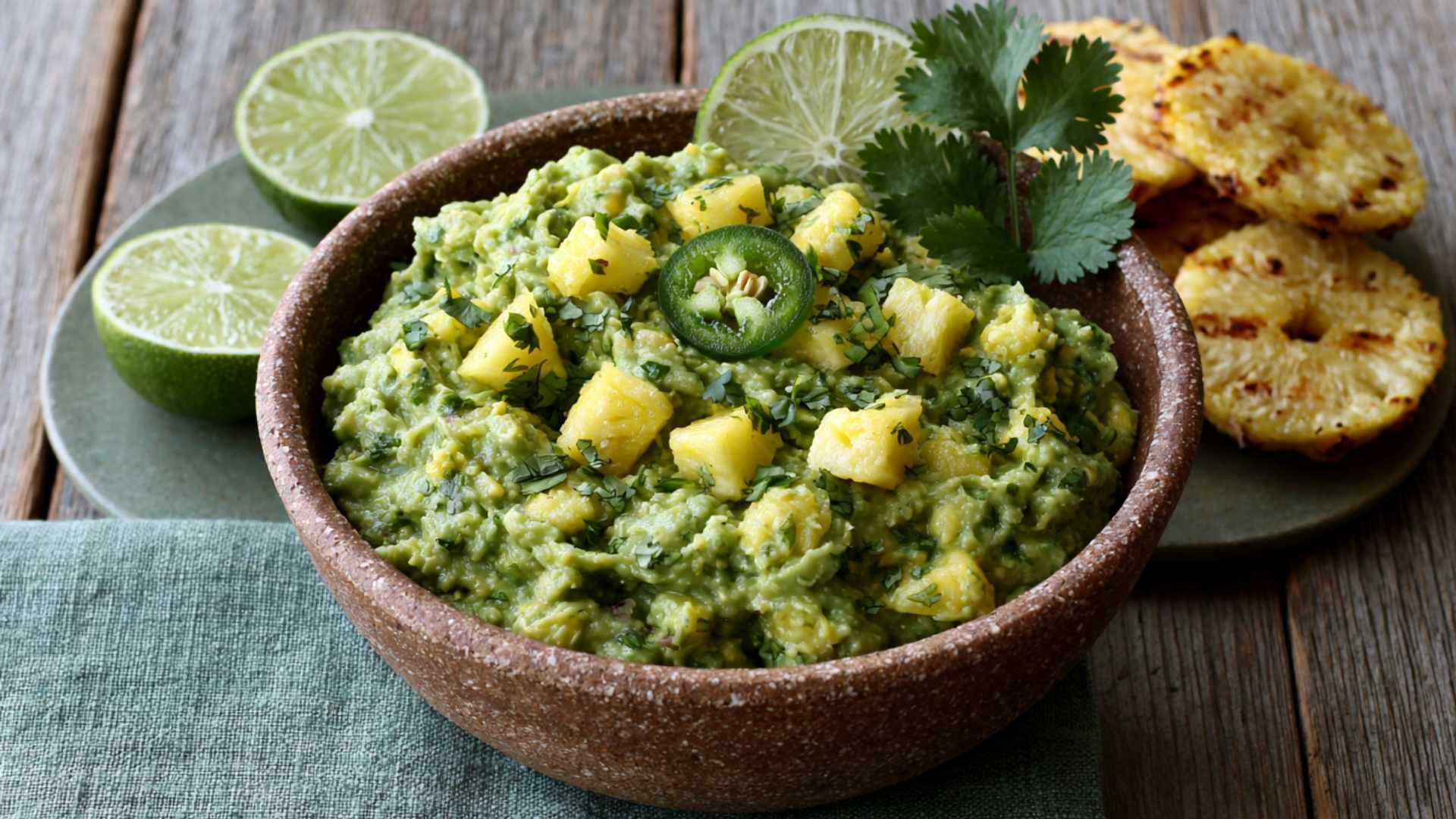
Pineapple’s acidity brightens the flavor and slows browning. Jalapeño keeps the sweetness in check.
- Ingredients: 2 avocados, 1/2 cup diced pineapple, jalapeño, lime, cilantro.
- Steps: Combine mashed avocado with pineapple, minced jalapeño, lime juice, and cilantro.
- Better pairings: Grilled chicken skewers.
6. Roasted Garlic Guacamole
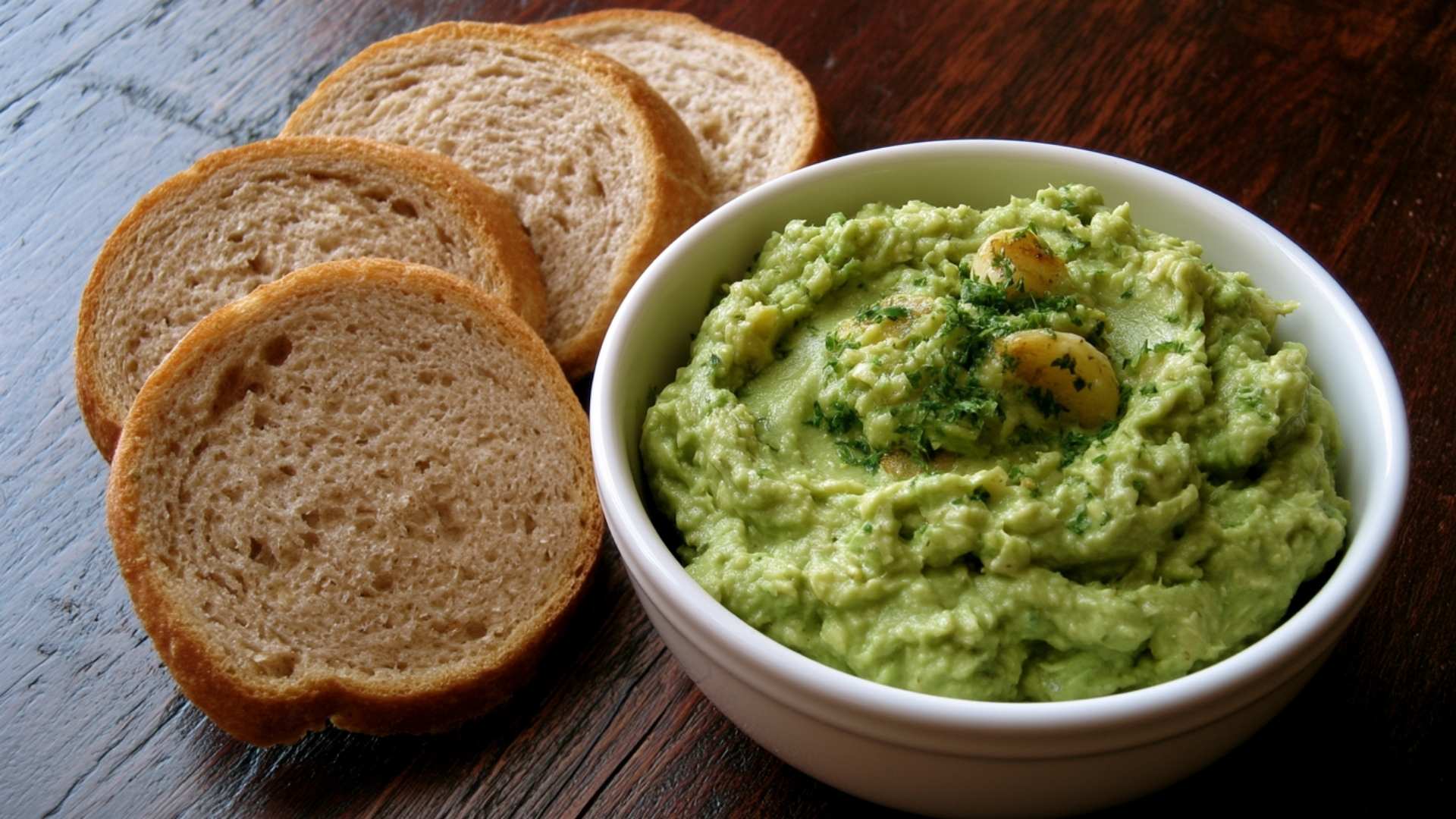
Roasting the garlic mellows it into something sweet and nutty, the most savory recipe on the list. This is the one I make most often. Olive oil adds more monounsaturated fat on top of the avocado.
- Ingredients: 2 avocados, 3 roasted garlic cloves, lime, olive oil, salt.
- Steps: Mash roasted garlic into avocado, then add lime juice, a touch of olive oil, and salt.
- Better pairings: Toasted whole-grain bread.
7. Spicy Jalapeño and Lime Guacamole
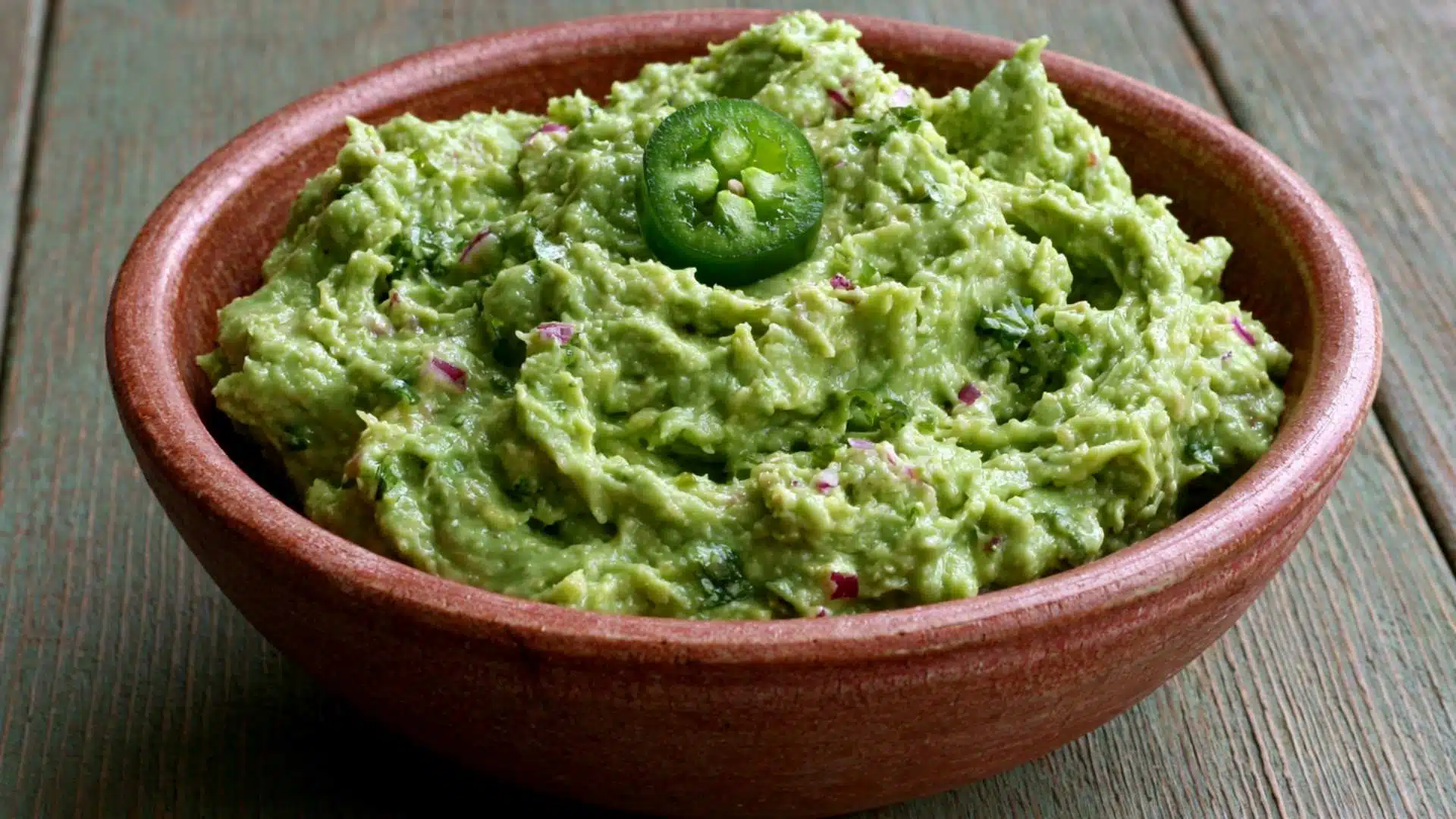
The closest recipe here to traditional Mexican-style guacamole, with extra lime and jalapeño keeping it sharp. Holds up well against fattier proteins like steak.
- Ingredients: 2 avocados, 1 minced jalapeño, lime juice, red onion, salt.
- Steps: Mash avocado, then mix in jalapeño, lime juice, onion, and salt to taste.
- Better pairings: Grilled steak or black bean tacos.
Guacamole stays flexible enough to fit almost any craving. Pick the version that matches your mood.
Homemade vs. Store-Bought Guacamole
Here is how the two compare.
| Factor | Homemade | Store-Bought |
|---|---|---|
| Ingredients | Whole foods, fully controlled | Often includes fillers or stabilizers |
| Sodium | Lower, since you control it | Usually higher, for shelf stability |
| Preservatives | Not needed if eaten fresh | Common |
| Freshness | Best right after making it | Loses quality over time |
| Cost | Cheaper per batch | More convenient, pricier per ounce |
| Customization | Fully adjustable | Fixed recipe |
Homemade wins nutritionally in most cases. If buying pre-made, single-serving cups keep your portion in check better than a large tub. Store-bought is a fair trade-off when you are short on time, but not your everyday version if you are watching sodium.
Guacamole vs. Other Dips
Here is how guacamole stacks up.
| Dip | Comparison |
|---|---|
| Hummus | More plant protein, less monounsaturated fat |
| Sour cream dip | More saturated fat and calories, less fiber |
| Salsa | Fewer calories and fat, but less filling |
| Tzatziki | Lighter, more protein from the yogurt base |
| Queso | Much higher in saturated fat and sodium |
| Ranch | More unhealthy fats and additives, little nutritional upside |
Every dip brings something different. Guacamole holds its own on real, whole-food nutrition.
When Guacamole Is Not the Best Choice
A few things can tip it into unhealthy territory.
- Too much salt: Store-bought guacamole can run high in sodium.
- Eaten with fried chips: The dip is fine. The chips add most of the unhealthy fat and calories.
- Eating too much of it: Avocado is calorie-dense, so a big scoop adds up fast.
- Made heavier than it needs to be: Cream or extra cheese turns a light dip into a heavy one.
- Allergy concerns: Some people are allergic to avocado, with known cross-reactivity to latex.
- Used as a full meal: Not enough protein on its own to replace an actual meal.
- Left out too long: Bacteria grow if it sits out or is stored poorly.
Guacamole is healthy in moderation, paired with foods that support the same goal.
Final Thoughts
Guacamole is a smart choice when made right. Whether it is good for you comes down to portion size, ingredients, and what you eat it with.
A fresh, balanced version adds real flavor and nutrients without needing to be avoided. Keep it simple, use good ingredients, and let it earn its spot as a regular part of how you eat.
Frequently Asked Questions
Can You Eat Guacamole Every Day Without Gaining Weight?
Yes. A daily two- to four-tablespoon serving, roughly 60 to 95 calories, fits most calorie budgets. Weight gain comes from pairing it with fried chips or eating much larger portions, not the guacamole itself.
Guacamole Turns Brown Quickly. Does That Mean It Is Not Safe to Eat?
No. Browning is oxidation, not spoilage. It is safe for one to two days if stored well, ideally with plastic wrap pressed directly onto the surface.
Is It Safe for People With Diabetes to Eat Guacamole?
Yes, the fats and fiber can fit a diabetic eating plan, and some research points to a modest blood sugar benefit. Portion size still matters, especially with tortilla chips.
Can Eating Guacamole Help Lower Cholesterol Over Time?
Yes, when it replaces less healthy fats rather than adding to them. The benefit comes from swapping, not stacking.