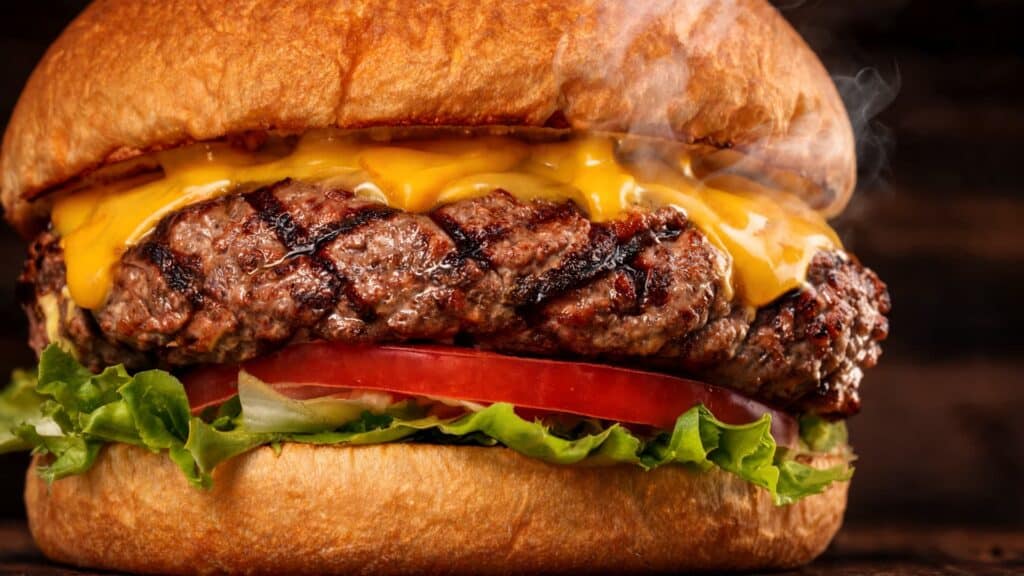

Ever bitten into a burger that looked perfect but ate dry? I have, more times than I’d like to admit, back when I was cooking on shoot days between wardrobe changes.
That’s when I started treating burgers the way I treat an outfit: get the structure right and everything else follows.
This burger recipe walks through the fat ratio, heat, and handling that actually separate a juicy burger recipe from a sad one, plus where the biggest burger trends, smash, loaded, spicy, are headed, the mistakes quietly ruining most home versions, and answers to the questions I get asked most.
Why Burger Recipes Are Trending Right Now
Burger recipes have moved beyond being a fixed home meal and are now something people actively experiment with in their own kitchens. Instead of sticking to one standard version, home cooks compare styles, test techniques, and adjust everything from seasoning to patty thickness.
Smash burgers, stacked builds, and sauce-heavy variations have become especially popular, reflecting a broader shift toward texture-focused cooking and customization, as highlighted across food media discussions and platforms like NYT Cooking, Food & Wine, and Bon Appétit.
Personalization is also a big driver of this shift. From spicy sauces to layered toppings, burgers now reflect individual taste more than tradition, and I notice that once one element is changed, it naturally leads to refining the next.
Best Burger Recipe Formula for Juicy Results
The best burger recipe is not complicated. It relies on a few key principles that directly affect juiciness and flavor. I treat these four rules like a capsule wardrobe, get them right, and everything else is just styling
- Balanced Fat Content: A proper fat balance helps keep the patty juicy and flavorful while preventing it from turning dry during cooking.
- Simple Seasoning: Keeping seasoning minimal allows the natural flavor of the main ingredient to stand out without overpowering it.
- Cold Ingredient Handling: Keeping the mixture chilled before cooking helps it hold shape better and maintain a tender texture inside.
- High-Heat Cooking: Cooking on high heat creates a rich, caramelized crust on the outside while locking in moisture for a juicy bite.
When all these elements come together, the burger feels balanced, juicy, and closer to what you’d expect from a well-made restaurant-style bite. Swapping in ground chicken thigh brings its own fat balance worth knowing before you start.
Ingredients for Burgers
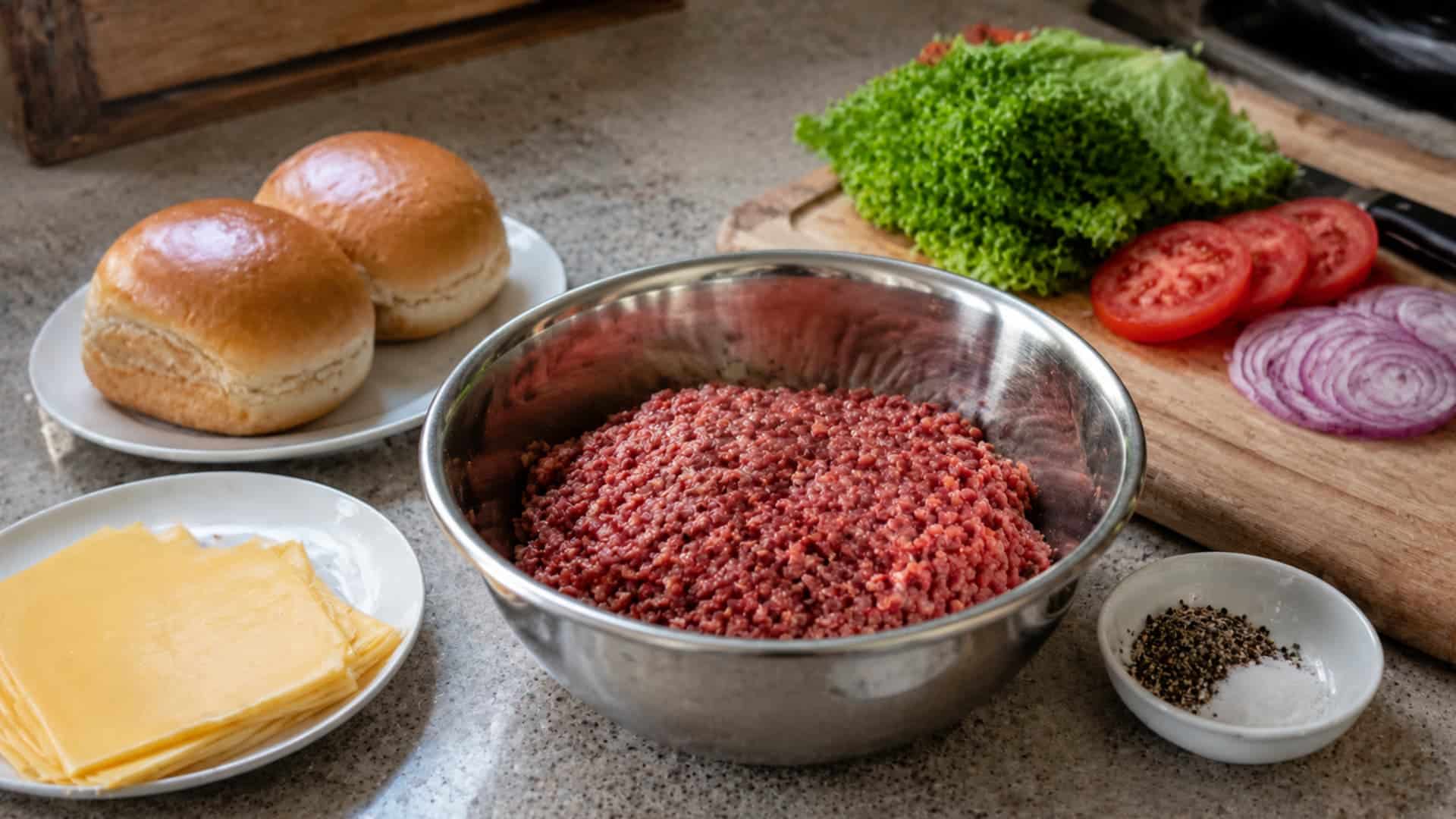
Before starting, gather all ingredients in one place so the burger prep stays smooth and organized. This setup works for beef, chicken, turkey, or plant-based patties and helps maintain consistent flavor and texture.
| Ingredient | Quantity | Purpose |
|---|---|---|
| Ground protein (beef/chicken/turkey/plant-based mix) | 500g | Main patty base for flavor and structure |
| Burger buns | 4 | Soft structure to hold patties and fillings |
| Salt | To taste | Enhances natural flavor |
| Black pepper | To taste | Adds mild heat and depth |
| Cheese slices (optional or plant-based alternative) | 4 slices | Adds creaminess and richness when melted |
All ingredients are now ready for cooking, helping you focus on shaping, seasoning, and cooking evenly for better texture and taste.
Step-by-Step Burger Recipe
A good burger comes together through simple, careful steps rather than complex techniques. Each stage plays a role in building texture, flavor, and juiciness. This recipe serves two people.
Step 1: Prepare the Patties
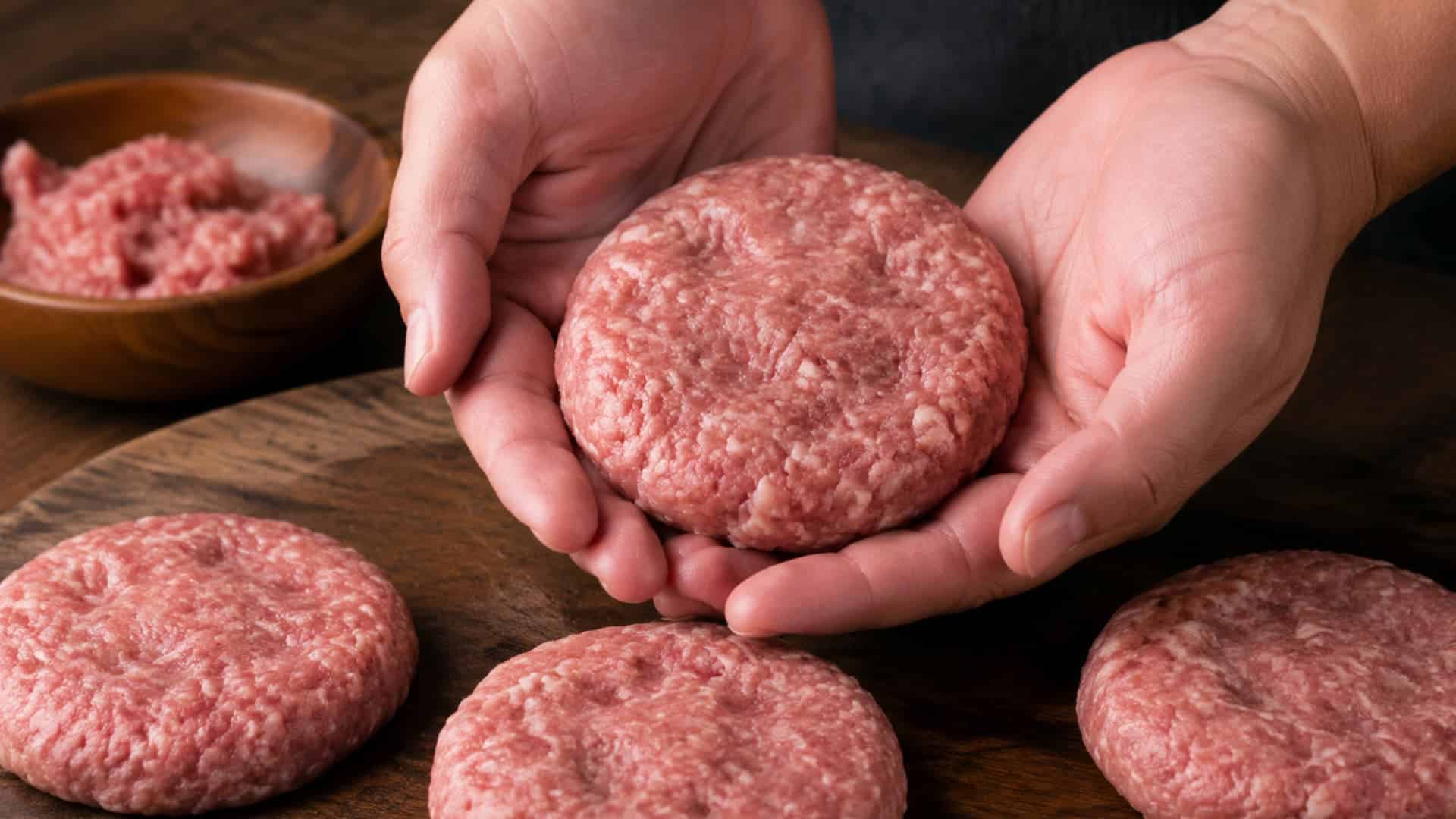
Divide the mixture into equal portions so each burger cooks evenly and finishes at the same time. Shape them gently using your hands without pressing too hard, as over-compressing makes the texture dense and heavy.
Keep the edges slightly loose and avoid overworking the mixture, since this helps the patties stay tender, juicy, and soft after cooking.
Tip: If possible, chill them for a few minutes before cooking to help them hold their shape better in the heat.
Step 2: Heat the Cooking Surface
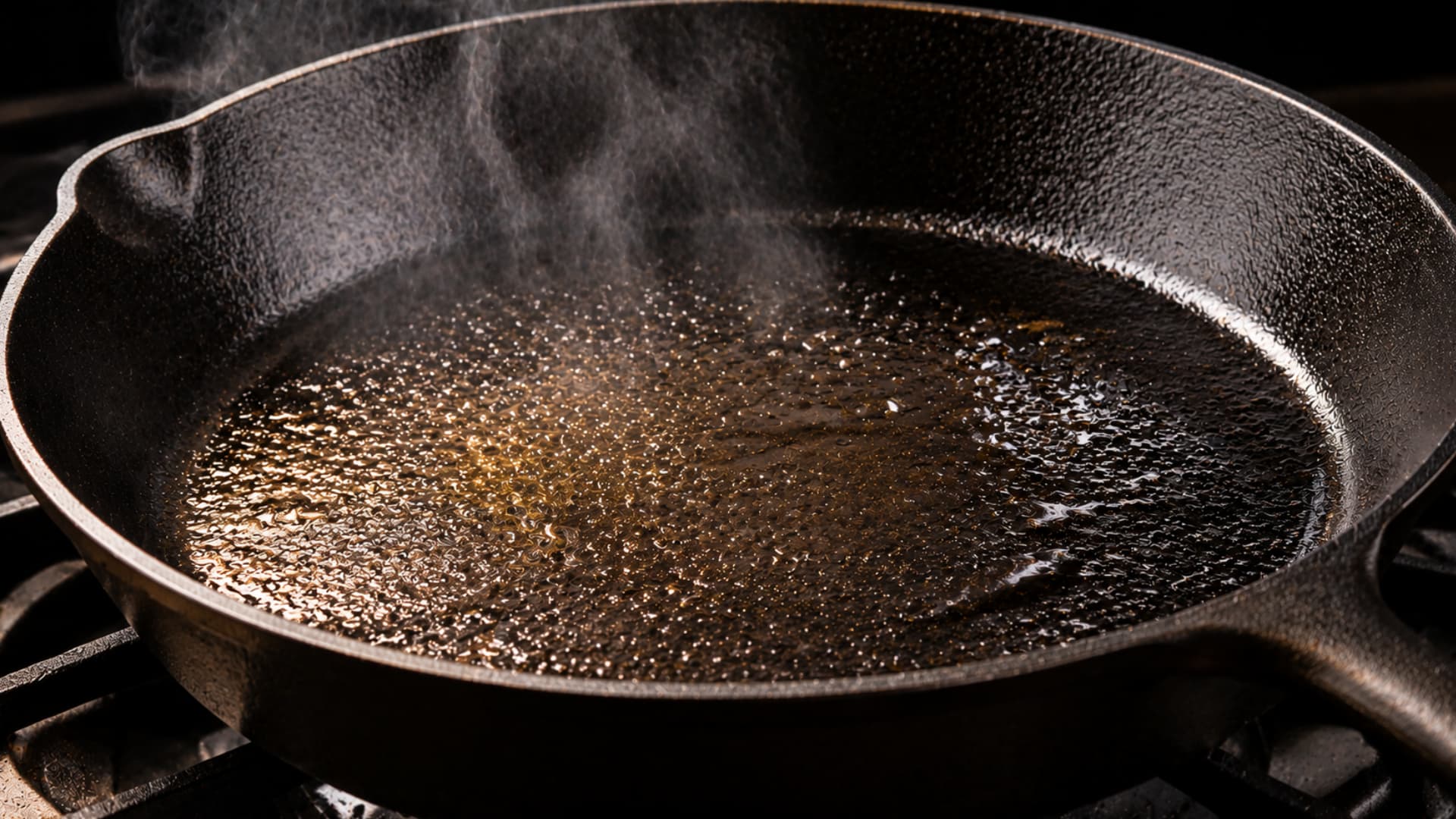
Use a skillet, grill, or heavy pan and preheat it properly before placing the patties. The surface should be hot enough that the meat immediately sizzles on contact, which helps create a flavorful crust.
Avoid cooking on low heat, as it prevents proper browning and can make the burger dry or uneven. A well-heated surface locks in juices quickly and builds that rich, restaurant-style sear on the outside.
Step 3: Cook the Burgers

Place the patties on the hot surface and let them cook without moving them for a few minutes. This allows a crust to form naturally, which is key for flavor and texture. Flip only once to avoid breaking the structure and losing moisture.
Do not press the patties while cooking, as this forces out juices and makes the burger dry. Cook until the center is cooked through but still juicy and tender.
Step 4: Add Cheese and Toast Buns
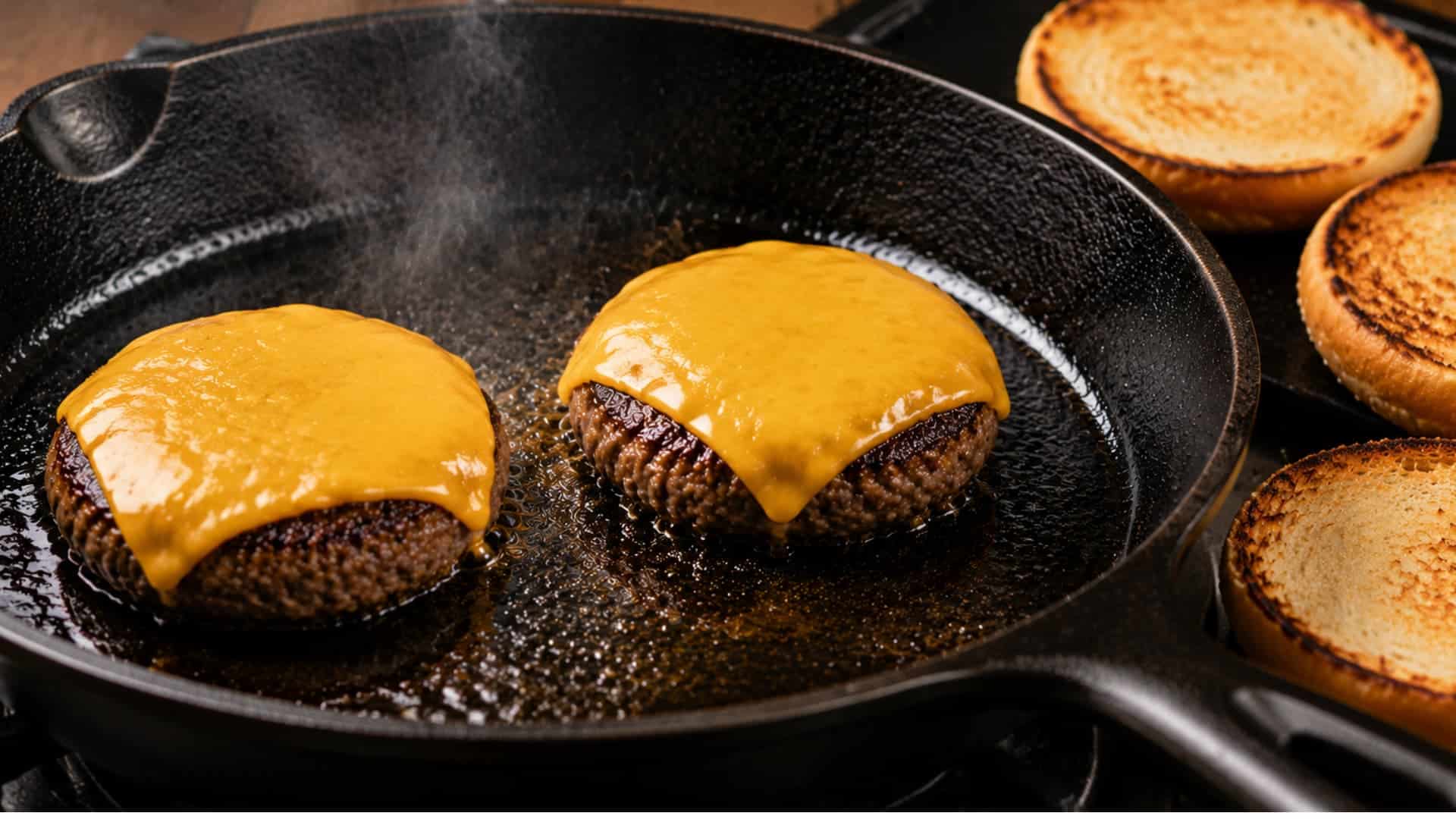
Place cheese on top during the final minute of cooking so it melts evenly and blends into the patty. Covering the pan briefly can help the cheese soften faster.
At the same time, lightly toast the buns in a dry pan or on a grill until golden. This adds structure, prevents sogginess, and improves the overall bite by introducing a slight crunch that contrasts with the juicy filling.
Step 5: Assemble and Serve
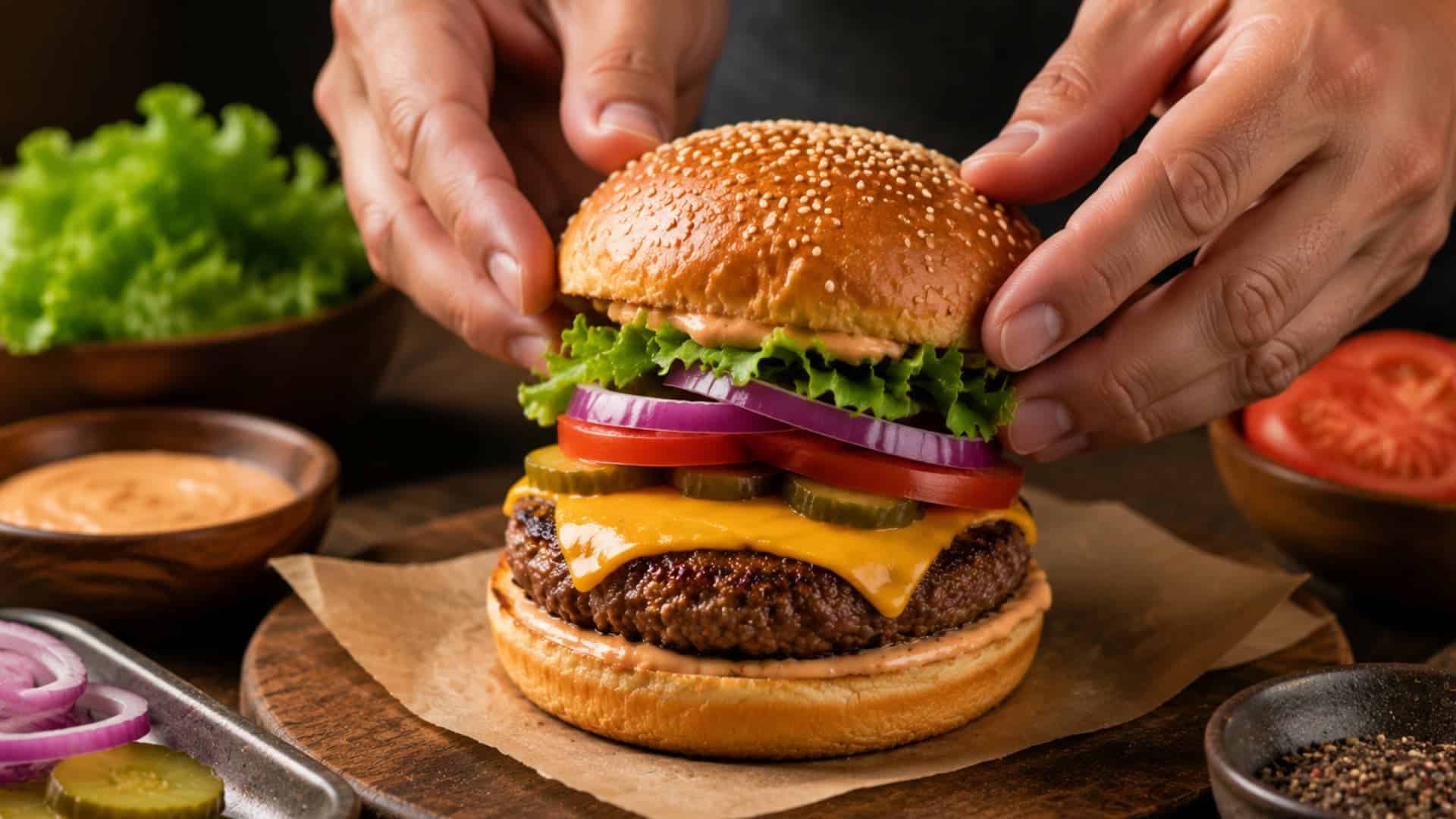
Start assembling immediately while everything is still hot so the juices stay inside the burger. Layer the patty carefully with sauces, vegetables, and toppings without overloading it.
The goal is balance, not overcrowding. Serve right away for the best texture, where the bun stays soft, the patty remains juicy, and every bite feels warm, fresh, and flavorful.
Tip: I like using caramelized onions or quick-pickled onions when I make burgers at home.
Modern Burger Trends Overview
Modern burger recipes now focus on bold textures, creative layering, and flexible ingredients rather than sticking to a single fixed formula. Today’s burgers are built around contrasting crispy, juicy, spicy, and creamy elements coming together in one bite.
1. Smash-Style Burgers with Crisp Edges and Caramelized Flavor
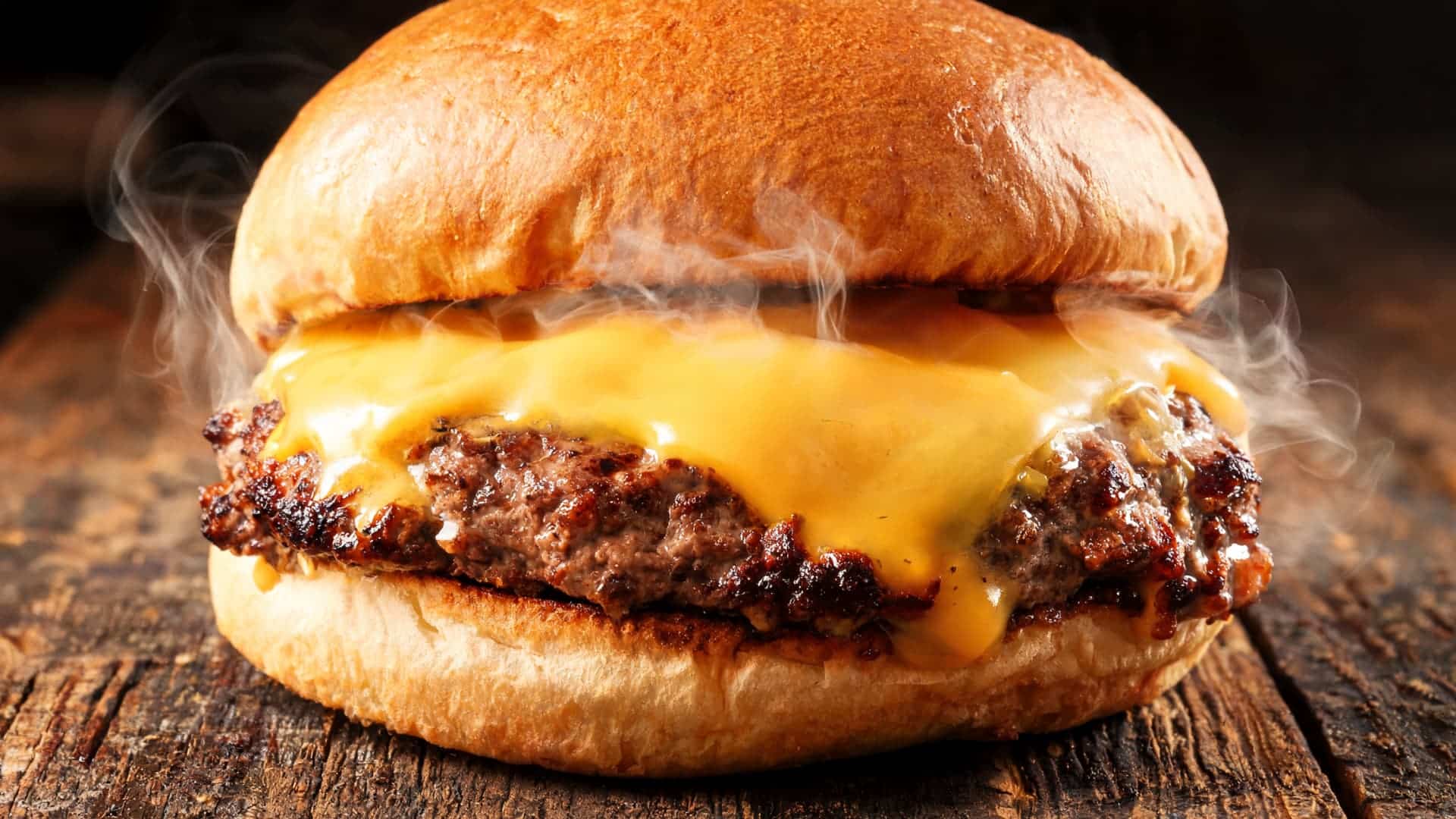
Smash-style burgers are all about high heat and pressure on the cooking surface. The patty is pressed thin, allowing it to develop a deep, crispy crust with a strong caramelized flavor.
This technique locks in juiciness while creating a slightly crunchy edge that makes every bite more intense. It’s simple, fast, and perfect for those who enjoy bold, beefy flavor with texture contrast.
2. Loaded Burgers with Sauces, Pickles, and Layered Toppings
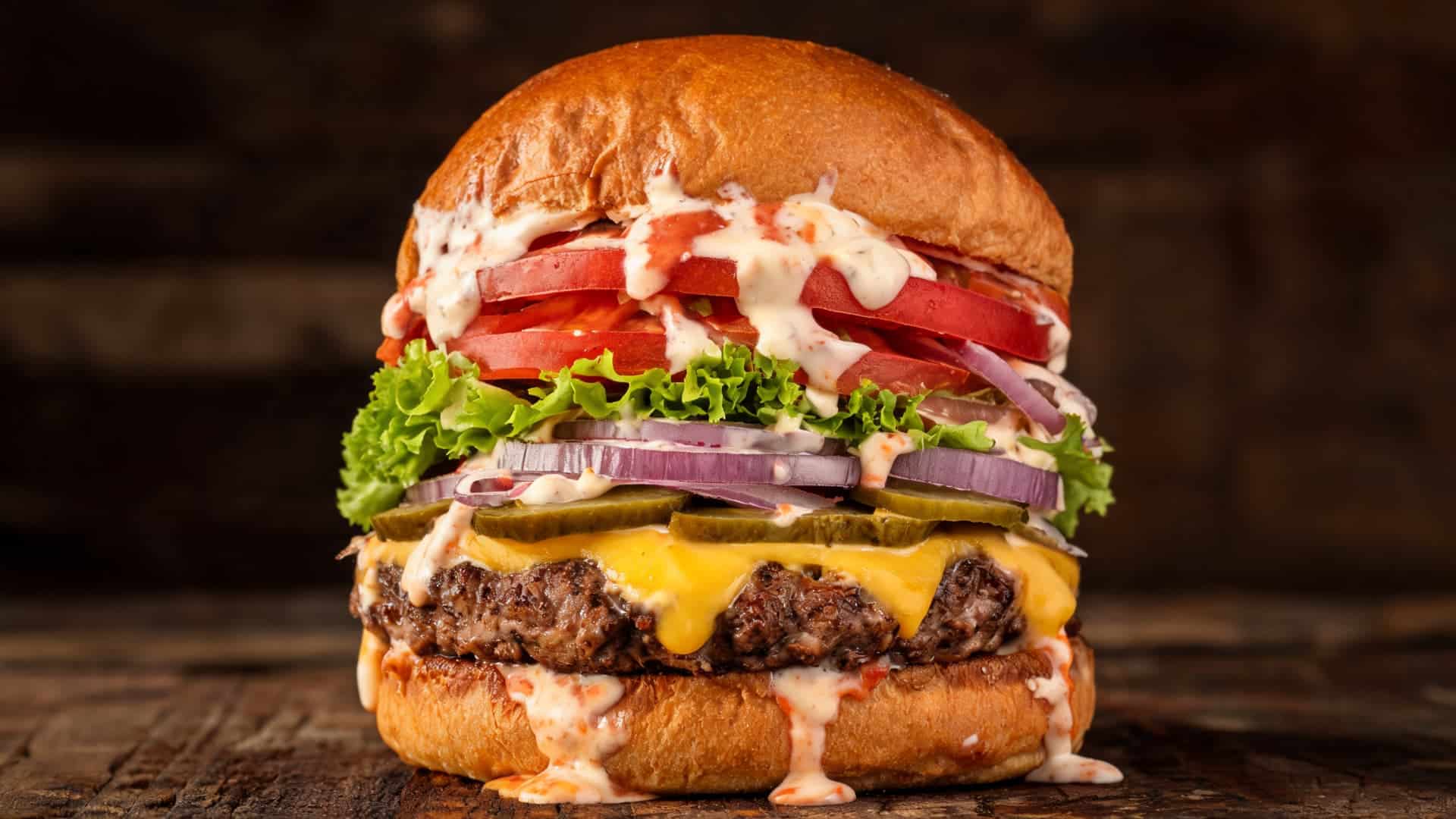
Loaded burgers focus on richness and variety in every layer. Instead of keeping things minimal, this style stacks sauces, cheese, pickles, onions, and even fried elements to build complexity. The result is a multi-texture burger where every bite feels different.
Balance is key here; too many toppings can overpower the patty, so the goal is to strike a harmony between juicy meat and flavorful additions.
3. Spicy Burgers with Bold Heat-Driven Seasoning Profiles
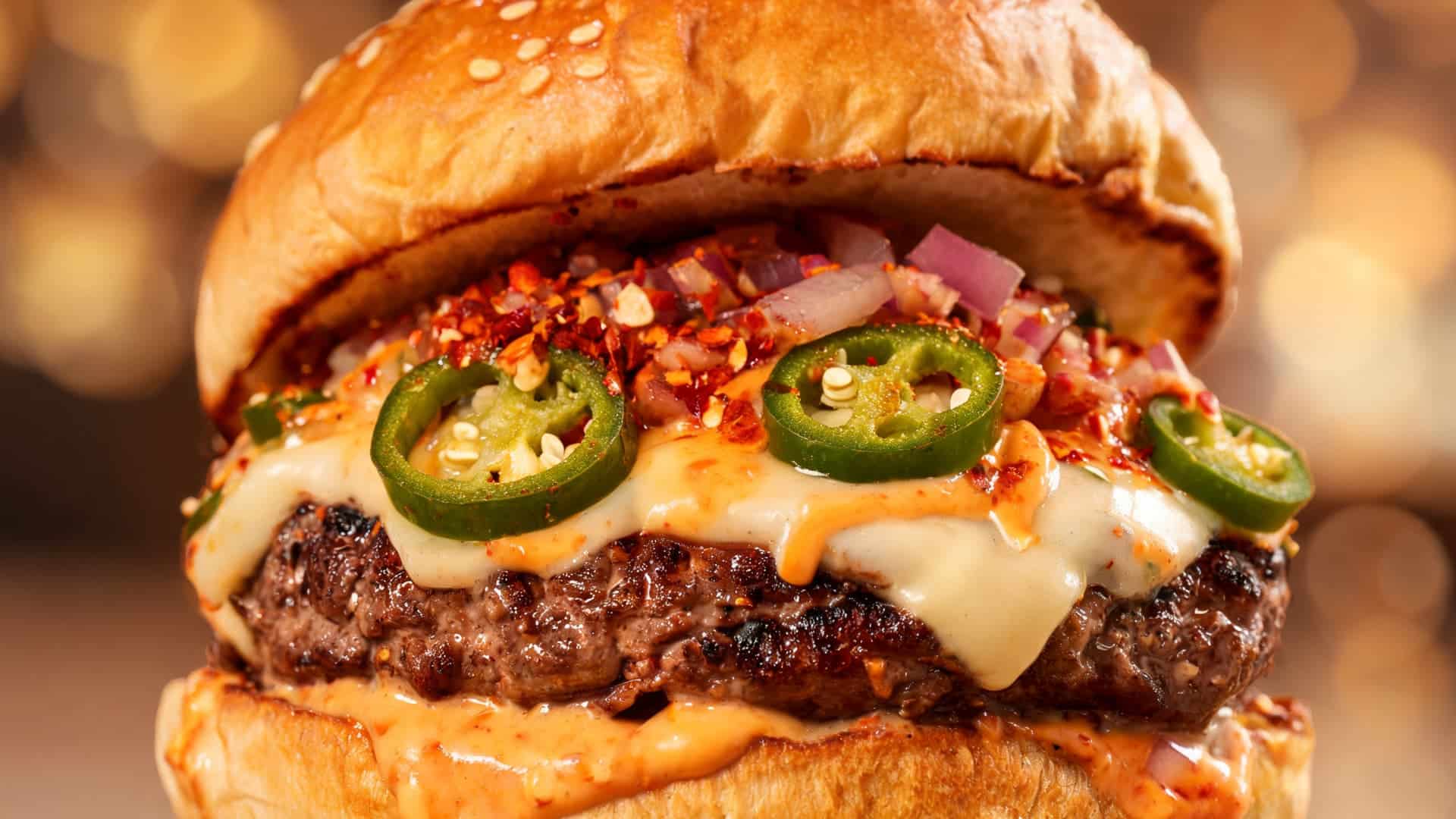
Spicy burgers are designed for heat lovers who want more intensity in every bite. These burgers often use chili blends, hot sauces, pepper-based seasonings, or spicy mayo to elevate flavor.
The heat doesn’t just add spice; it enhances the richness of the patty and makes the overall experience more exciting. When balanced well, spice complements the beef instead of overpowering it.
4. Fusion-Style Burgers Inspired by Global Flavors and Street Food
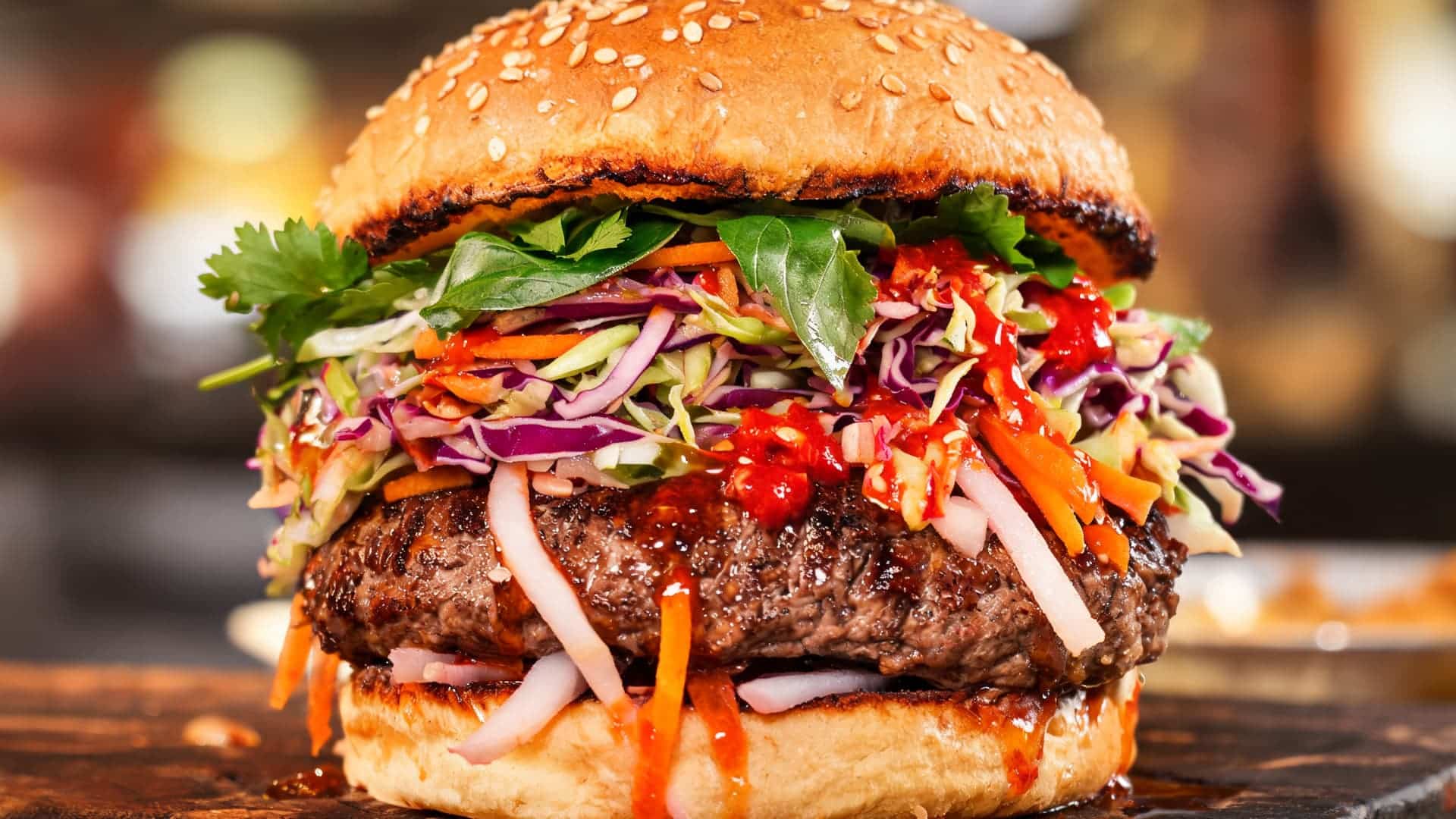
Fusion burgers bring global inspiration into a familiar format. Ingredients and flavors from different cuisines, such as Asian sauces, Mediterranean herbs, or Mexican spices, are combined with the classic burger base.
This style focuses on creativity and personalization, turning a simple burger into something unique and culturally inspired. It’s ideal for experimenting with new flavor combinations beyond traditional recipes.
Common Burger Mistakes and Fixes
Even a simple burger recipe can go off track if a few basics are missed. Small errors in meat handling, heat control, or assembly often change the texture and taste more than expected. The good part is that most of these issues are easy to fix once you know what causes them.
| Mistake | Cause | Fix |
|---|---|---|
| Dry burger | Lean meat or overcooking | Use 80/20 beef and avoid overcooking |
| Dense texture | Over-mixing meat | Handle beef lightly |
| Soggy bun | No toasting | Lightly toast buns before assembling |
| Loss of juiciness | Pressing the patty while cooking | Avoid pressing during cooking |
These simple corrections can instantly improve your cooking results and help you get closer to the best burger recipe experience at home. I’ve fixed a dry burger on set more times than I’ve fixed a hem.
Frequently Asked Questions
How can I tell when a burger is cooked without cutting it?
Use a food thermometer; 160°F (71°C) in the center is the USDA’s safe mark for ground beef, since grinding can spread bacteria through the meat, not just the surface. I never skip mine, same instinct as reaching for a steamer before a shoot. No thermometer? Pressing for a firm, springy center is a rough backup, not a real method.
What drinks pair well with homemade burgers?
Burgers pair well with refreshing drinks that balance richness. Classic options include iced cola, lemonade, or milkshakes. For lighter meals, sparkling water with citrus or iced tea works well. The goal is to refresh the palate between rich, flavorful bites.
Can I freeze burger patties for later use?
Yes, burger patties can be frozen for up to 2–3 months if stored properly. Place parchment paper between each patty to prevent sticking and store them in an airtight container or freezer bag. Thaw in the refrigerator before cooking for best texture and even cooking.
Should toppings be cooked or raw in a burger?
Both work depending on the style. Raw toppings like lettuce, onion, and tomato add freshness and crunch, while cooked toppings like caramelized onions or sautéed mushrooms add depth and richness. A balance of both usually gives the best overall burger experience.
The Bottom Line
Good burgers aren’t about fancy ingredients; they’re about a few details done right, every time: fat ratio, heat, and a light hand.
That’s the whole philosophy behind this burger recipe, and it’s the same instinct I bring from styling to the stove: nail the fundamentals, then have fun with the rest. Once you’ve got that juicy burger recipe formula down, toppings and flavor twists are just accessories.
Try it this weekend, tell me which trend you leaned into- smash, loaded, or something spicier- and drop your results in the comments.