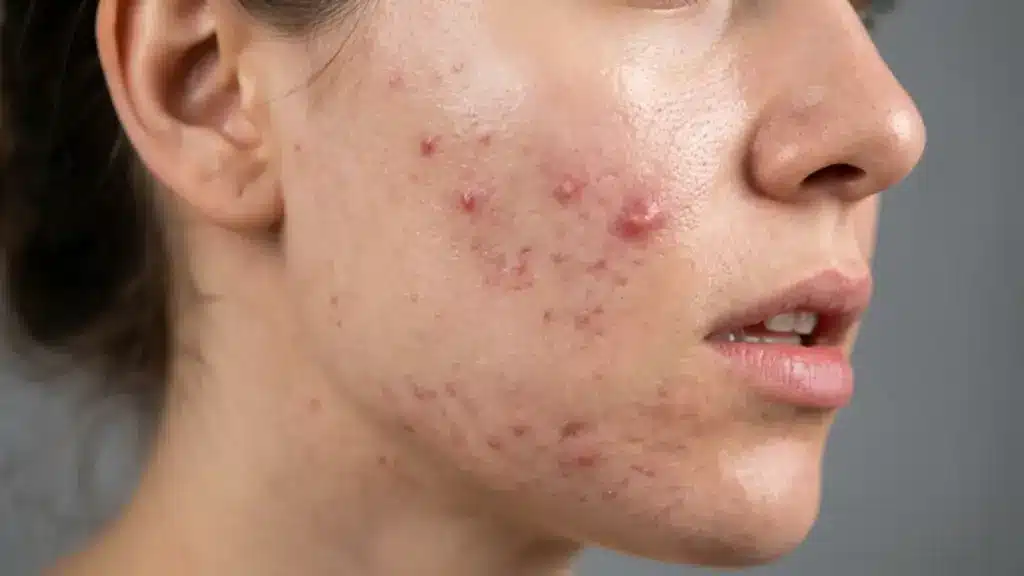

I used to think my breakouts were completely random until I started paying attention. My chin flared up every month like clockwork.
My forehead cleared the second I switched shampoos. That pattern is what pulled me into acne face mapping in the first place.
I want to be upfront: I’m not here to tell you a pimple on your cheek means your lungs are struggling. That old idea doesn’t hold up.
What I can tell you is that oil glands, hormones, friction, and daily habits shape where breakouts show up, and real dermatology backs that up. An acne face map won’t diagnose you, but it will give you a real starting point.
What is an Acne Face Map?
Breakouts rarely show up in random spots, and I often notice patterns in my own skin, like my chin flaring up before my period or my forehead clearing after switching hair products.
The idea of face mapping comes from an ancient Traditional Chinese Medicine practice that linked facial zones to internal organs.
While modern dermatology does not support the idea that acne reflects problems with specific organs, it does confirm that breakout locations can reveal real triggers like oil production, hormones, friction, sweat, or product buildup.
When I understand where my breakouts appear, I can manage my acne more effectively. Instead of treating my entire face the same way, I focus on the needs of each zone, choose targeted ingredients, and adjust my routine to prevent future flare-ups.
Does Acne Face Mapping Actually Work
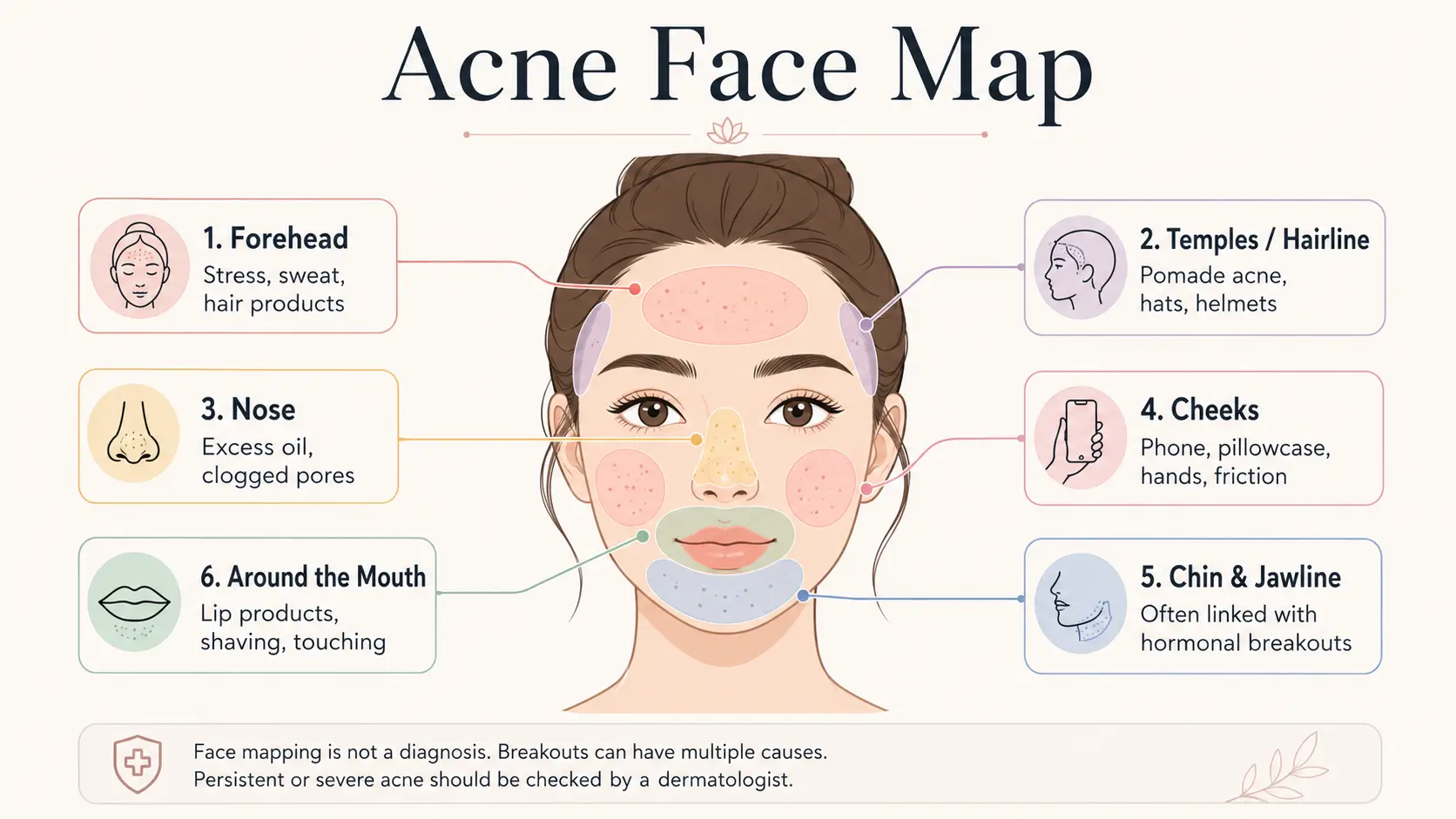
The organ-based version of face mapping is not supported by scientific evidence. A breakout on your nose does not mean your heart is stressed.
But dermatologists do agree that certain zones are prone to specific triggers because of how the skin behaves in those areas.
- What science backs up: Oil gland activity, hormone shifts, and clogged pores really do vary by facial zone.
- What science does not back up: The old idea that a breakout on your cheek means your lungs are struggling, or chin acne means your kidneys are weak.
Understanding where breakouts appear can help you notice habits, skincare reactions, and triggers, but your skin is not a map of hidden organ problems. Focus on proven causes and consistent care rather than on old face-mapping myths.
Pro tip: Track your breakouts in phone notes for a month, recording breakout zones, dates, and new products you try each week to spot patterns.
Types of Acne, Not Just Zones
Before I get into zones, I want to cover something just as important: what kind of acne you’re actually dealing with. Not every bump on your face is the same, and the type matters as much as the location when you’re picking a treatment.
Here’s a quick reference before we get into specific zones:
Type | What It Looks Like | Best Treated With |
|---|---|---|
Whitehead | Small white bump with a closed pore | Salicylic acid |
Blackhead | Dark spot with an open pore | Clay mask or retinoid |
Papule | Small red bump with no pus | Benzoyl peroxide |
Pustule | Red bump with white pus | Spot treatment or salicylic acid |
Nodule | Large, hard, painful bump | Dermatologist visit |
Cystic Acne | Deep, painful bump under the skin | Prescription treatment |
I always tell people this part first because using the wrong product on the wrong type wastes time. Salicylic acid works well on blackheads. It won’t do much for a deep cyst.
Pro tip: Deep, hard bumps are often nodules or cysts; avoid popping them to prevent scarring and irritation.
Forehead Acne Map
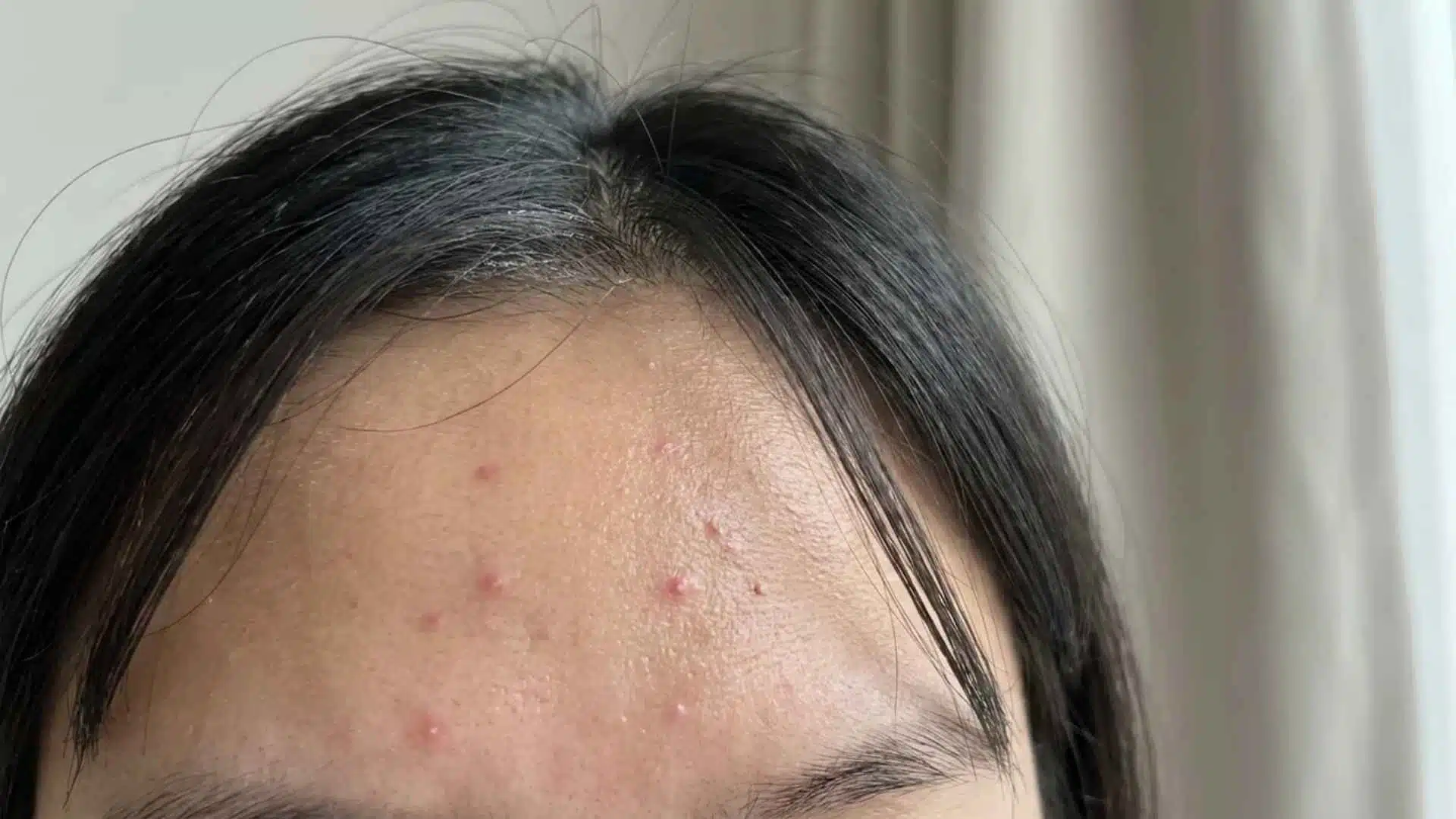
Your forehead sits in your T-zone, so it makes a lot of oil. Add hair products dripping down as you sweat, or a stressful week, and breakouts show up fast.
Why it happens:
- Overactive oil glands in the T-zone
- Hair products like gel, dry shampoo, or oil dripping onto the skin
- Stress hormones trigger extra oil production
- Bangs or hats trapping sweat and bacteria
How to fix it: Use a gentle foaming cleanser with salicylic acid to clear oil without stripping skin. Swap heavy hair products for lightweight, oil-free formulas, and keep bangs pulled back at night. Wash your pillowcase weekly, too.
T-Zone Acne Map
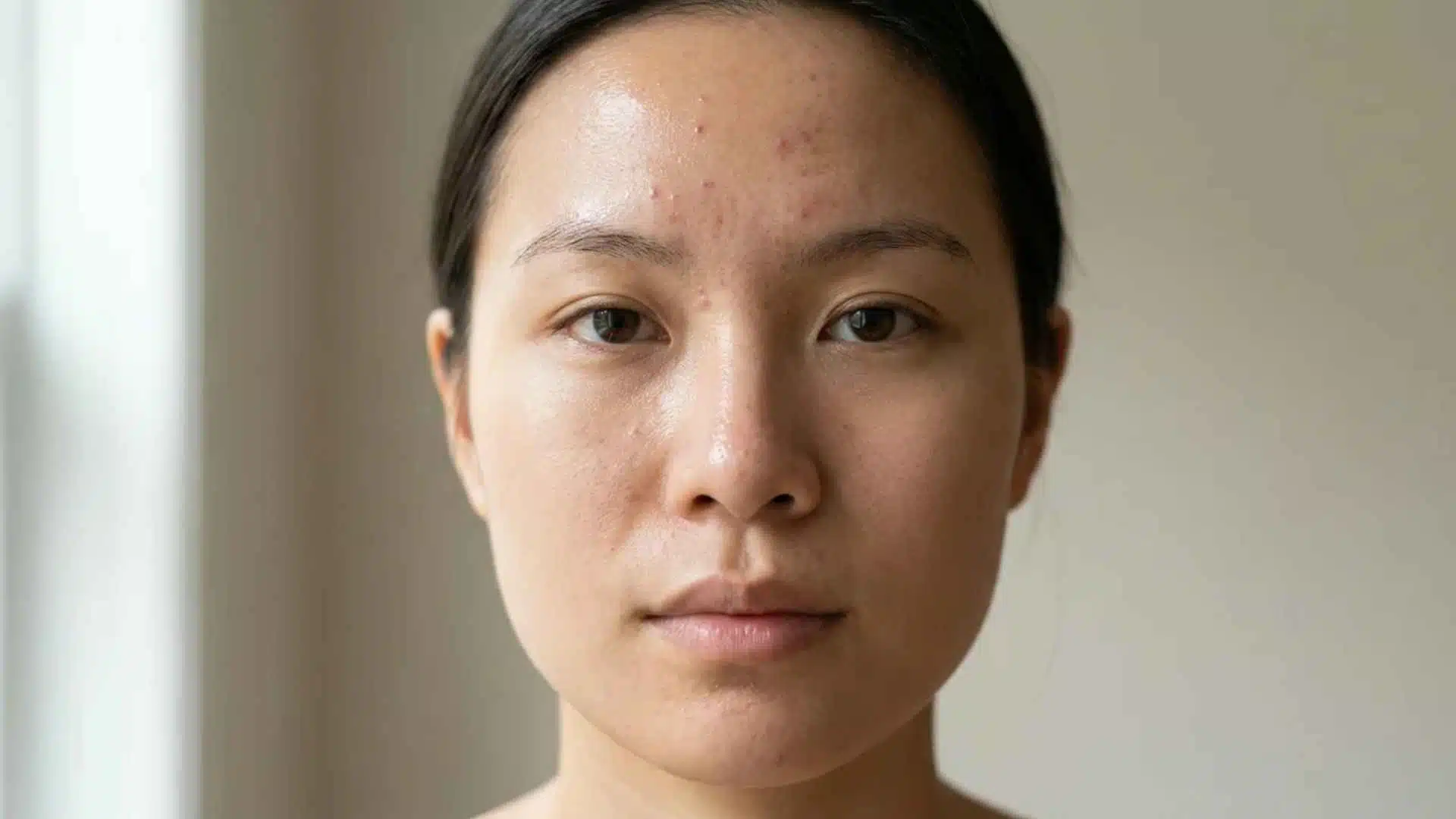
The T-zone covers your forehead, nose, and chin. It has more oil glands than any other part of your face, which means pores clog here faster.
Follow these steps to calm it down:
- Cleanse twice a day with a gentle, oil-balancing face wash.
- Add a salicylic acid toner or serum 3 to 4 nights a week.
- Skip heavy creams here; use a light, gel-based moisturizer instead.
- Exfoliate gently once or twice a week; never scrub hard.
- Apply SPF every morning, since untreated acne scars worsen in the sun.
Managing T-zone acne comes down to balancing oil without over-drying your skin. Stick with gentle products, consistent habits, and patience to see clearer, healthier skin over time.
Nose Acne Map
Look closely at your nose, and you’ll probably spot blackheads, whiteheads, or enlarged pores. That’s because this area has some of the largest, most active pores on your face.
Nose Issue | Common Cause | Best Fix |
|---|---|---|
Blackheads | Trapped oil and dead skin | Salicylic acid or clay mask |
Whiteheads | Clogged pores under the skin | Gentle exfoliation or retinoid |
Large pores | Genetics and excess oil | Niacinamide serum |
Pro tip: Skip pore strips for daily use. They can strip skin and make pores look bigger over time, not smaller.
Nose concerns often come from excess oil and clogged pores rather than poor hygiene. A steady routine with targeted ingredients can help improve texture, reduce buildup, and maintain balanced skin.
Cheek Acne Map
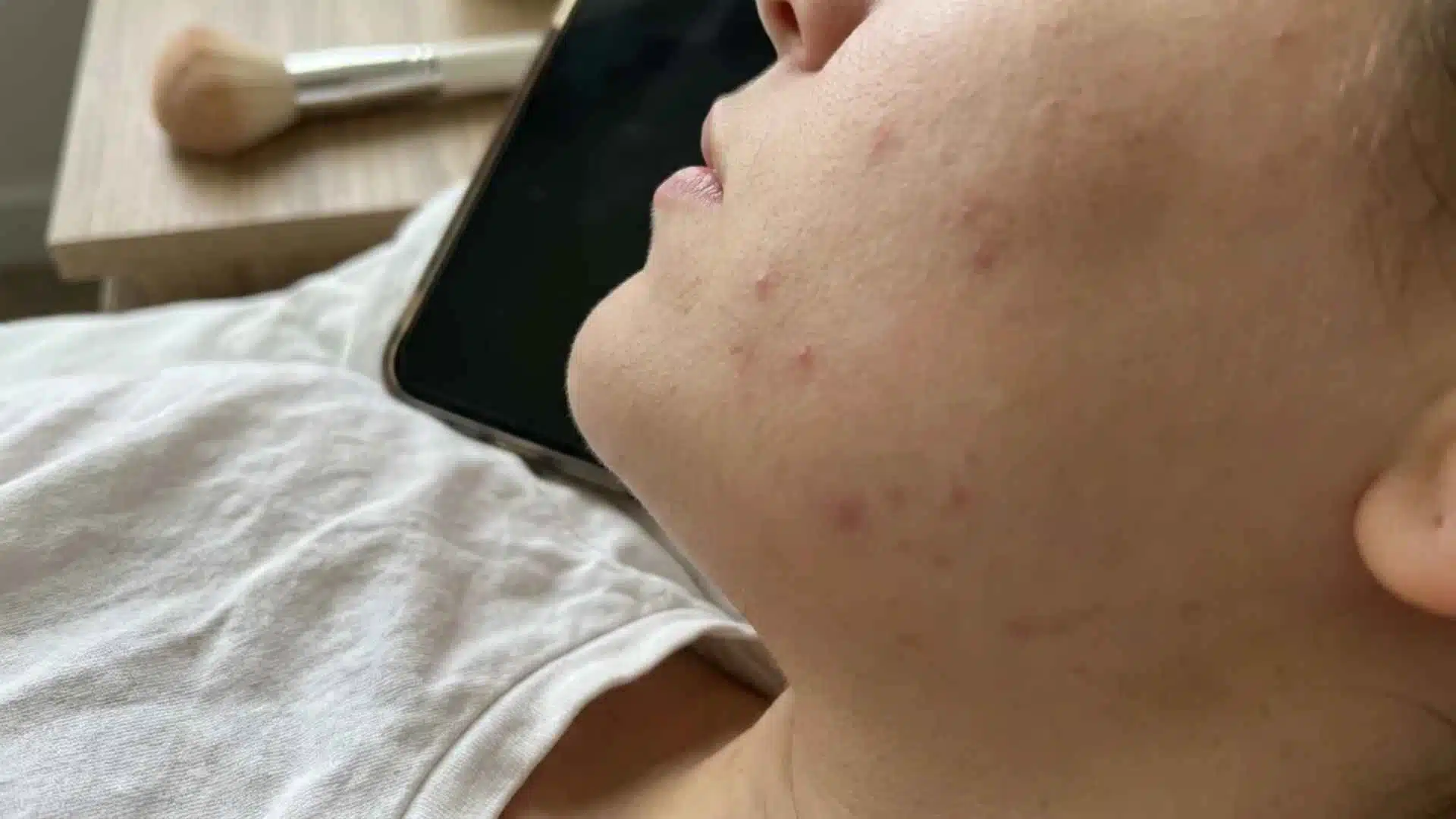
Cheek breakouts often come down to what touches your face all day. Think about it: phones, pillowcases, and makeup brushes press against your cheeks constantly.
Common triggers:
- Phone screens covered in bacteria
- Dirty pillowcases that build up oil and grime
- Makeup brushes that aren’t washed often enough
- Touching your face with unwashed hands
Wipe your phone screen daily, change your pillowcase twice a week, and wash your makeup brushes every 1 to 2 weeks. Since cheek skin can be more sensitive, use gentler treatments here than you would on your T-zone.
Chin and Jawline Acne Map
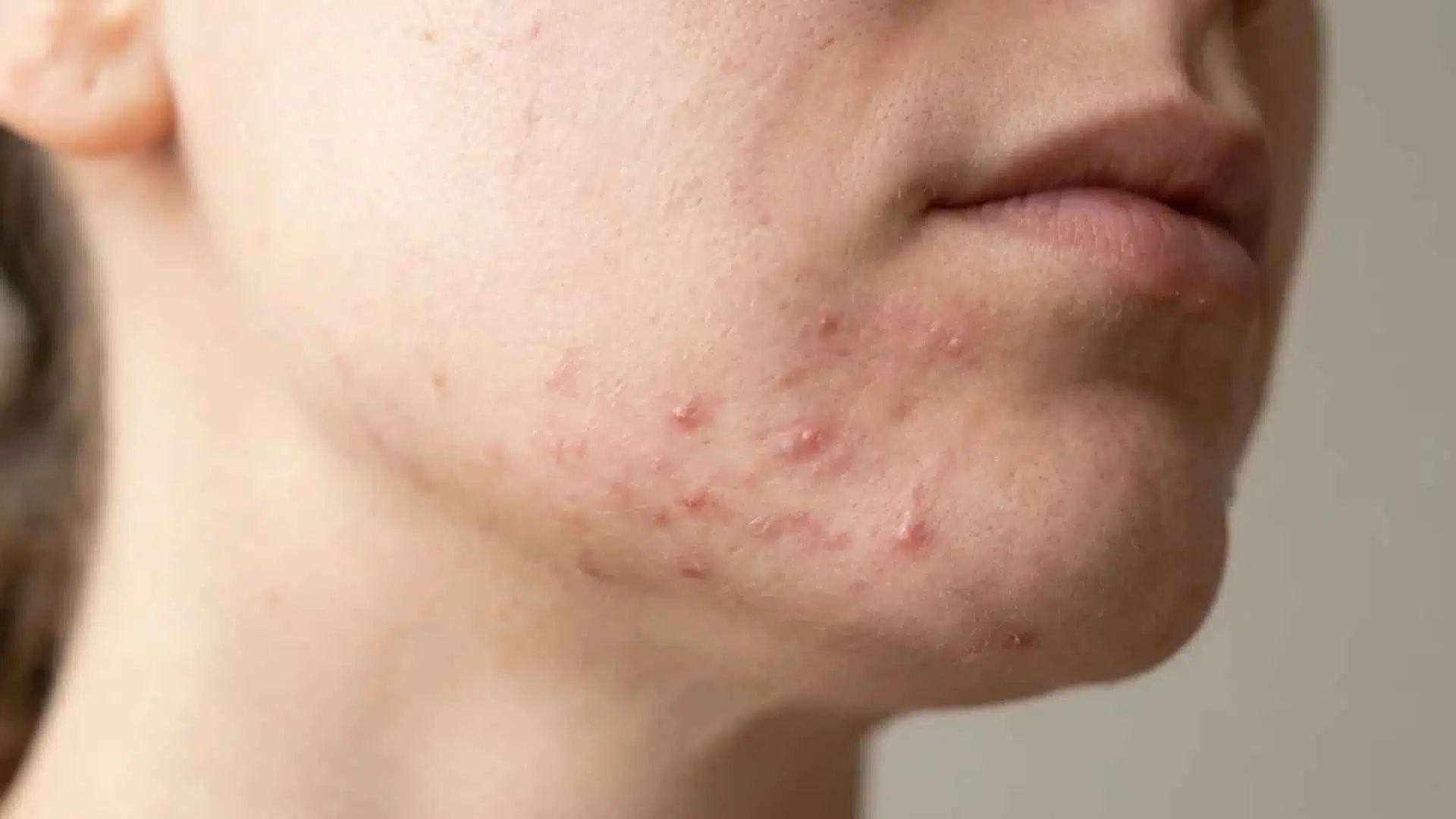
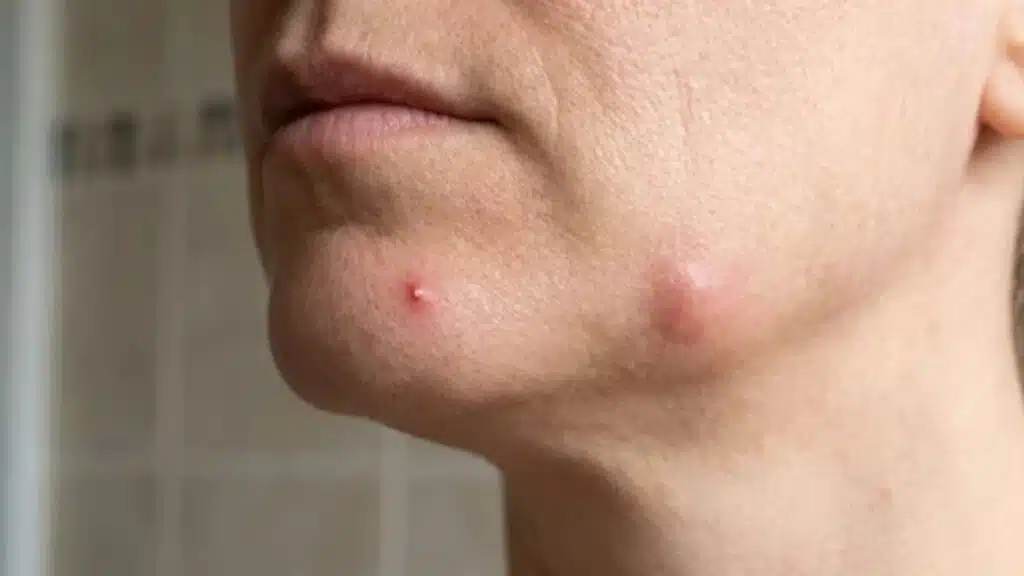
Breakouts along the chin and jawline are the classic sign of hormonal acne. These spots often show up around your period, during stress, or with hormonal shifts like starting a new birth control.
For milder jawline breakouts, look for products containing salicylic acid or benzoyl peroxide to help clear clogged pores and reduce inflammation.
If acne is cystic, painful, or keeps returning, a dermatologist can discuss options like spironolactone or other hormonal treatments. Avoid picking or squeezing jawline acne, as this area can be more prone to lingering marks and scars.
Pro tip: Track your breakouts on a calendar for two months. If they line up with your cycle, that’s a strong sign it’s hormonal and worth mentioning to a doctor.
Mouth and Lip Area Acne Map
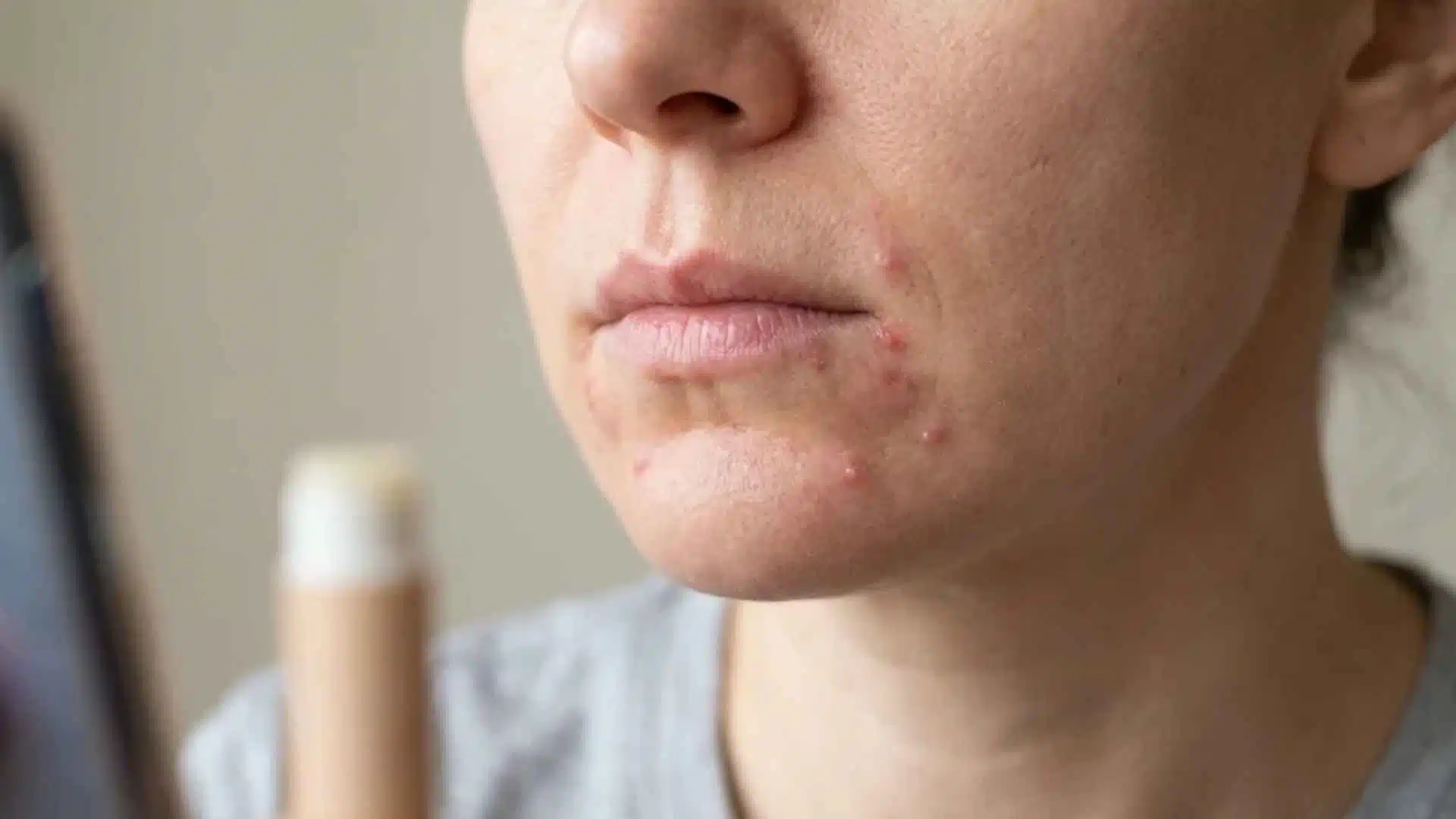
I get asked about this zone a lot, and it surprises people every time. Breakouts around your mouth and lips usually aren’t about hormones at all. They’re about what’s touching your skin daily.
Here’s what I look at first:
- Lip balm or toothpaste with SLS, an ingredient that can irritate skin around the mouth
- Spicy or greasy foods leave residue after you eat
- Phone calls where your phone rests against your mouth and chin
- Saliva buildup from licking your lips often
To fix it, I switch to a toothpaste without SLS first, since that’s the most common culprit I see.
Then I clean my phone daily and swap in a fragrance-free lip balm. Give it two to three weeks before judging results, since this zone reacts slowly to product changes.
Hairline Acne Map
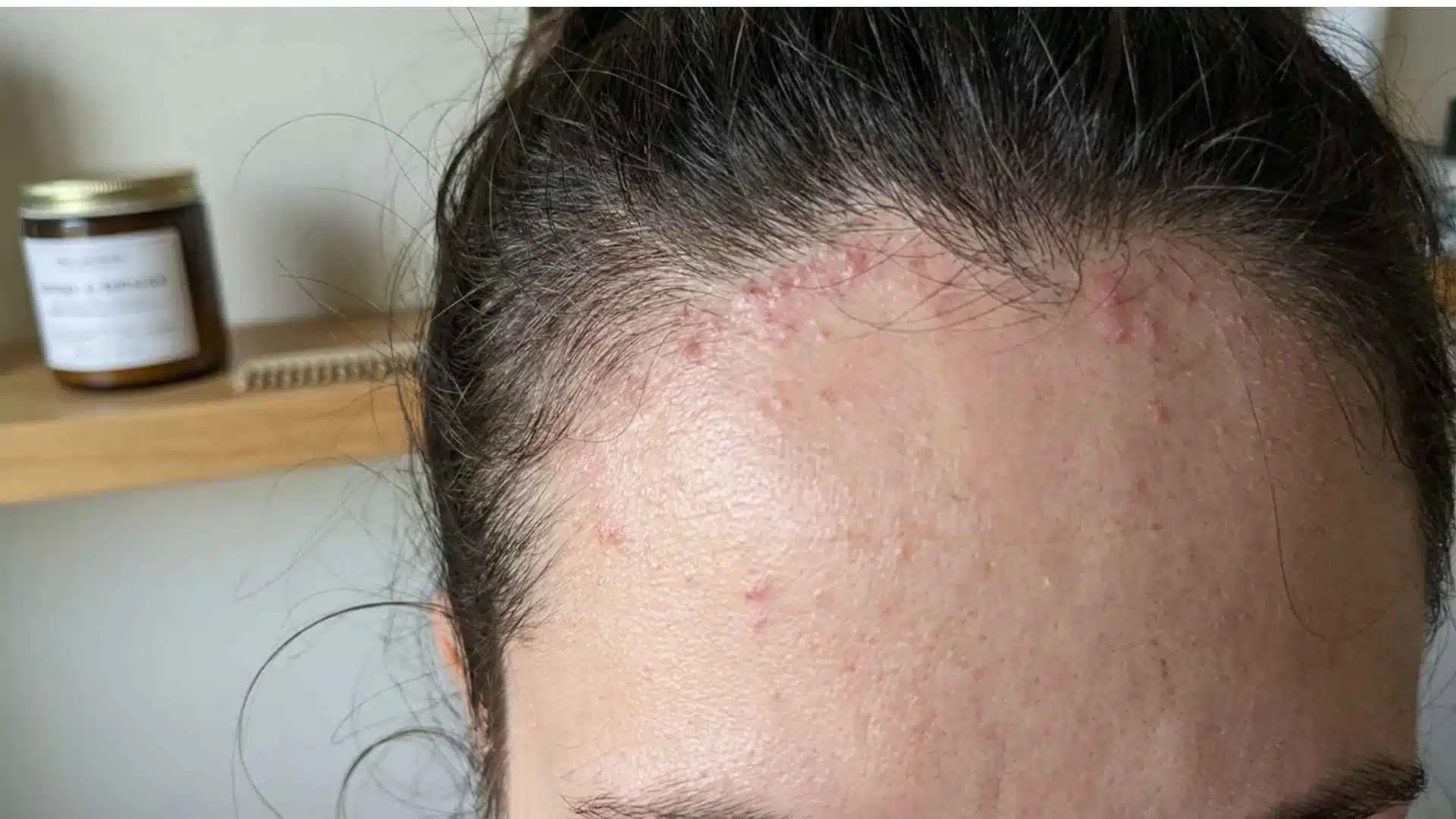
Small bumps along your hairline are often linked to pomade acne, which happens when styling products like pomades, gels, and heavy conditioners trap oil and clog nearby pores.
To prevent these breakouts, choose lightweight, noncomedogenic hair products labeled as oil-free or pore-friendly. Keep conditioner away from your scalp and apply it only from mid-length to ends.
Always rinse hair products thoroughly, especially around the hairline, to avoid residue that can clog pores.
Temple and Eyebrow Acne Map
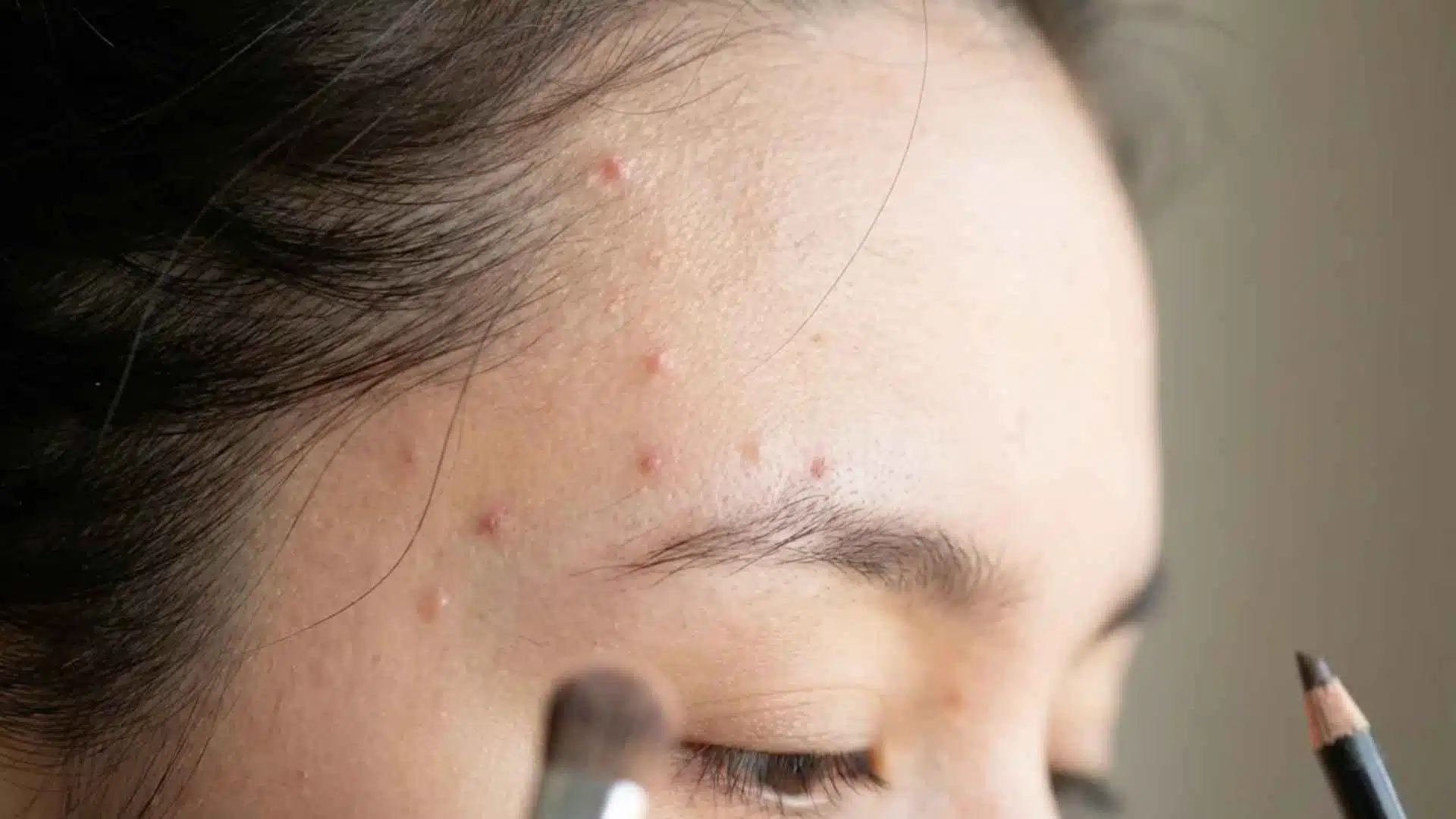
This is a small zone, but I still get questions about it often. Breakouts near your temples and eyebrows usually trace back to the same culprit: your hair or your makeup tools.
I check these first:
- Hair products like dry shampoo or oil migrating down from your scalp
- Makeup brushes or eyebrow pencils that haven’t been cleaned recently
- Sweat trapped under a headband or hat during workouts
- Eyebrow gel or wax with heavy, pore-clogging ingredients
I clean my brushes weekly, wash headbands often, and keep hair products away from this area when I style my hair. Small habit, big difference.
How to Build a Skincare Routine Based on Your Acne Zones
Different zones of the face have different needs, so don’t treat the whole face the same way. For combination skin, the goal is to balance oilier areas while keeping sensitive spots calm and comfortable.
Start by cleansing the entire face with a gentle, oil-control cleanser to remove buildup without drying out the skin. Apply salicylic acid on oily areas like the T-zone to help manage clogged pores and excess shine.
For sensitive areas like the cheeks, stick with lighter, soothing products. Moisturize the entire face, since even oily skin needs hydration, and finish with SPF every morning.
Pro tip: Introduce one new active ingredient at a time. Adding too many treatments at once can irritate skin and cause more breakouts, not fewer.
Managing combination skin is about tailoring care by zone rather than using a single harsh solution everywhere. Consistent cleansing, hydration, and protection help maintain a healthier, balanced complexion.
What Makes Acne Worse?
I’ve made almost every mistake on this list myself, so I like to call these out directly. Even a solid skincare routine won’t work if one of these habits is working against you.
- Popping pimples. I know the urge is real, but this pushes bacteria deeper and almost always leads to scarring.
- Over-washing your face. Washing more than twice a day strips your skin and can trigger even more oil.
- Switching products too fast. I give every new product at least four weeks before deciding it’s not working.
- Skipping moisturizer. Dry skin can overproduce oil to compensate, which leads to more breakouts, not fewer.
- Touching your face throughout the day. Hands carry more bacteria than most people realize.
Avoiding these common acne mistakes can make a bigger difference than adding more products. A simple, consistent routine gives your skin the time it needs to heal and stay balanced.
How Long Does Treatment Take to Work
This is the question I get the most, and it’s also where most people give up too soon. Skincare takes longer to work than people expect, and knowing the timeline saves you from switching products before they’ve had a real chance.
Treatment | Time to See Results |
|---|---|
Salicylic Acid | 4 to 6 weeks |
Benzoyl Peroxide | 4 to 6 weeks |
Retinoids | 8 to 12 weeks |
Hormonal Treatment | 3 to 6 months |
I always remind myself that skin cell turnover takes about a month on its own, so no product works overnight.
If I don’t see any change after the timeframes above, that’s when I know it’s time to talk to a dermatologist instead of trying another drugstore product.
When to See a Dermatologist
Some breakouts need more than a drugstore routine. See a dermatologist if you notice:
- Acne that hasn’t improved after 8 to 12 weeks of consistent care
- Deep, painful cysts or nodules
- Breakouts leave dark spots or scars
- Sudden, severe acne that feels out of character for your skin
A dermatologist can offer prescription treatments, such as retinoids or hormonal medications, that go beyond what’s available over the counter.
Conclusion
My face taught me more than any product label ever did. Once I stopped guessing and started paying attention to zones, patterns, and triggers, my routine finally made sense.
I’m not chasing miracle fixes anymore. I clean my phone, wash my pillowcase, swap products slowly, and give each one enough time before judging it.
Face mapping didn’t hand me clear skin overnight, but it gave me a starting point.
My chin breakouts around my period taught me that faster than any product label did. Now, when a breakout shows up,
I ask what touched that spot, what changed in my routine, or what my hormones are doing that week. Most of the time, I find an answer.
If you’re still guessing at your breakouts, start with one zone. Watch it for a month. Small, consistent changes add up faster than any new product ever will.
Frequently Asked Questions
Is Acne Face Mapping Scientifically Proven?
Partly. Science supports links between oil, hormones, and habits and specific zones. Organ-based claims from Traditional Chinese Medicine aren’t supported by modern dermatology research.
Can Stress Cause Forehead Acne?
Yes. Stress raises cortisol levels, which increase oil production. That extra oil clogs pores in the T-zone, especially the forehead, leading to more frequent breakouts.
Why Do I Keep Breaking Out on My Jawline?
Jawline acne is usually hormonal. Shifts from your period, stress, or birth control changes trigger oil production in that area, causing deep, recurring breakouts.
Does Diet Affect Acne Location?
Diet can worsen acne overall, especially high-sugar or dairy-heavy diets. But it doesn’t target specific zones. Location depends more on oil glands and habits.