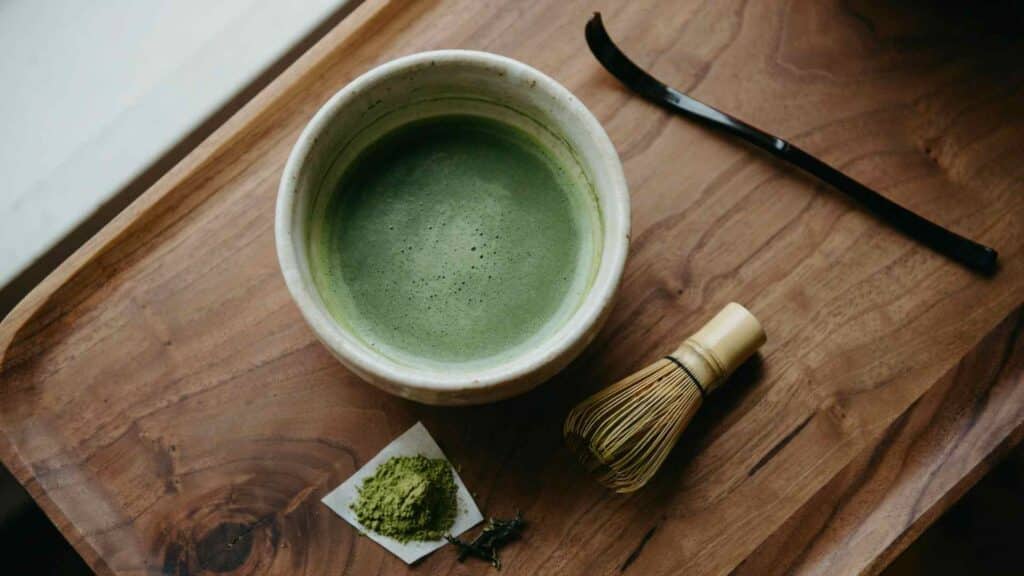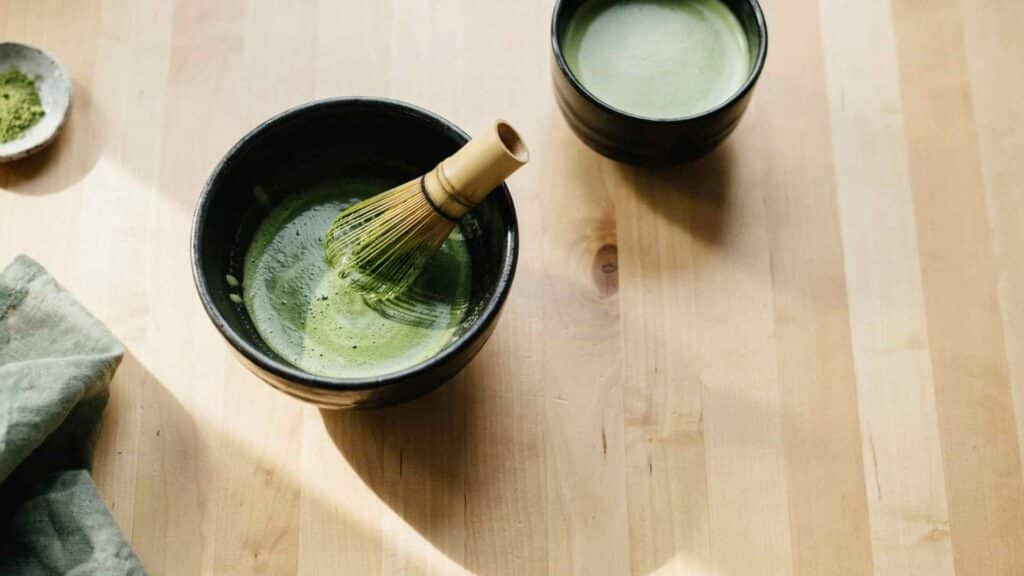

A spoonful of matcha can cost several times as much as regular green tea, even though both come from the same plant.
That naturally raises the question: what is matcha made of, and why does it cost so much more?
After comparing matcha from everyday grocery stores, specialty tea brands, and traditional Japanese producers, one thing became clear: the difference isn’t a secret ingredient.
It’s a centuries-old process that begins weeks before harvest, from carefully shading the tea plants to slowly stone grinding the leaves into an ultra-fine powder.
Where Does Matcha Come From?
Matcha’s story stretches back centuries and spans two countries known for their tea traditions. Matcha started in China, where tea leaves were first ground into powder and mixed with hot water.
A monk named Eisai is often credited with bringing powdered tea from China to Japan in the twelfth century, where it took root in Zen temples. Over time, this practice became closely tied to Japan, where it developed into the process still used today.
Japan is now known worldwide for producing high-quality matcha, with regions like Uji and Nishio recognized as top growing areas.
The Origins of Matcha Tea Culture
- Zen Buddhist monks first used powdered tea to help with focus during long meditation sessions
- Traditional Japanese tea ceremonies later turned matcha preparation into a formal, structured practice
- Over time, matcha moved beyond ceremonies and became part of everyday drinks, snacks, and desserts
A single stone mill typically produces only about 30 to 40 grams of powder in an hour, which is part of why ceremonial-grade matcha costs more than tea made the traditional brewed way. |
What is Matcha Made Of?
Matcha is made from finely ground leaves of the Camellia sinensis plant, the same plant used to make green, black, and oolong tea.
What makes matcha different comes down to how the leaves are grown and processed. Before they’re ground into powder, the leaves used for matcha are called tencha.
Tencha is the name for shade-grown green tea leaves after they’ve been steamed and dried but before they are ground into powder. The leaves are also destemmed and deveined during this stage. Once tencha is stone-ground, it becomes the fine matcha powder. |
Unlike regular green tea, where leaves are steeped in water and then removed, matcha uses the whole leaf.
The powder is whisked directly into water, so you consume everything the leaf has to offer. This changes both the flavor and the nutrition you get from each cup.
The Main Ingredients Behind Matcha
When people ask what matcha is made of, it usually comes down to four things:
- Young green tea leaves, picked during the first harvest of the season for the best quality
- Shade-grown tea plants, which increase chlorophyll and give matcha its deep green color
- Stone-ground tea powder, created through a slow grinding process that keeps the texture fine and smooth
- Natural compounds found in tea leaves, including antioxidants and amino acids that carry over into the final powder
Matcha’s ingredients are simple, but the cultivation and grinding processes are what make the powder so distinctive.
How Matcha Goes From Tea Plant to Powder
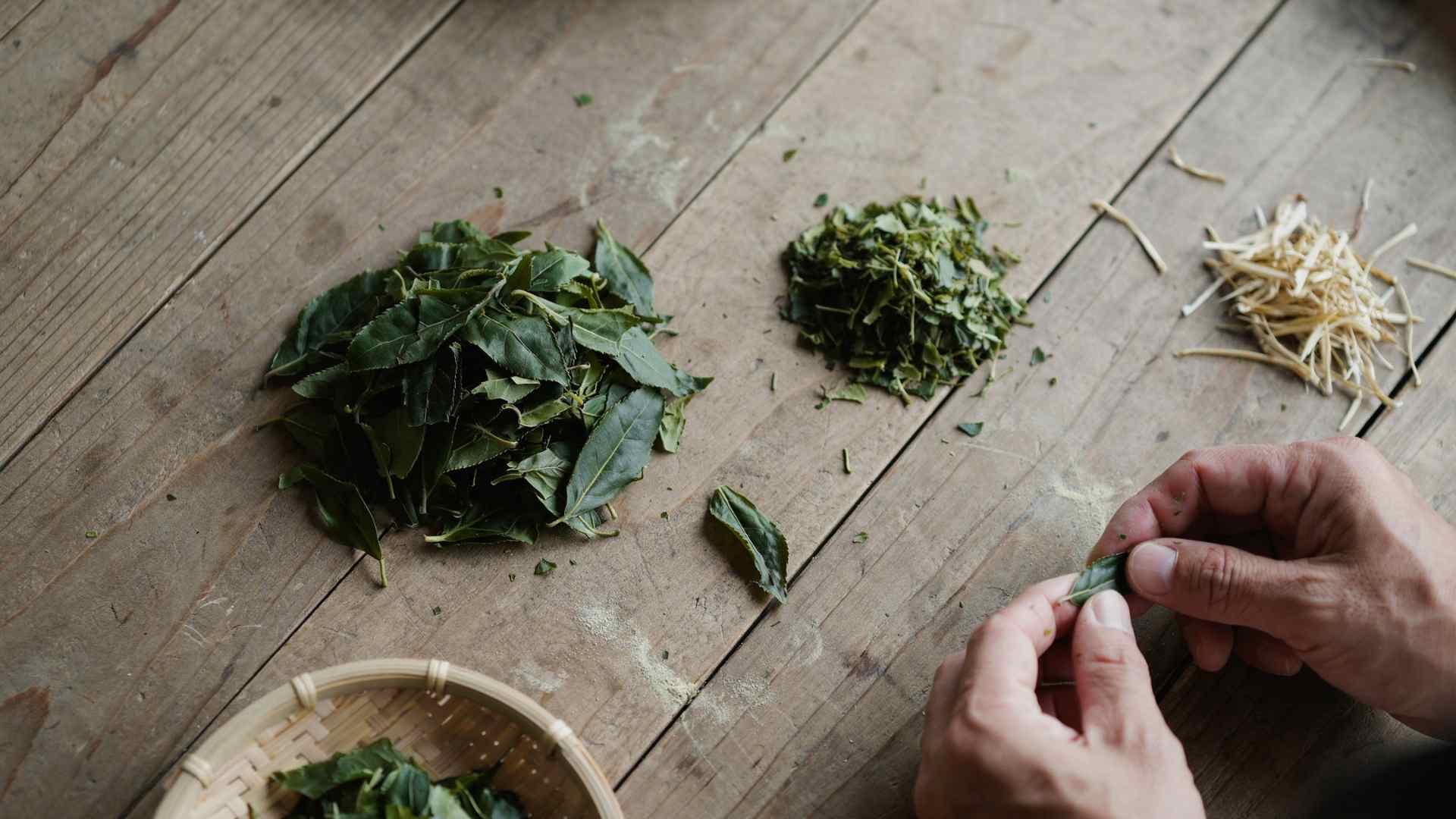
Turning tea leaves into matcha powder takes several careful steps. Here’s how the process works from start to finish.
Step 1: Tea Plants are Shade-Grown Before Harvest
Weeks before harvest, farmers cover the tea plants gradually with cloth or netting to block out direct sunlight. This reduced light increases chlorophyll levels in the leaves, which affects both color and flavor.
The plant responds by producing more chlorophyll, which softens the bitterness that direct sun exposure usually causes.
Shading also pushes the plant to make more L-theanine and caffeine. That is part of why good matcha tastes smooth and gives a steady lift instead of a sharp one.
Step 2: Young Leaves are Carefully Picked
Only the youngest, most tender leaves are selected for harvest, usually picked by hand rather than by machine to avoid damaging the fragile leaf tips.
Matcha made from the first harvest of the season, known as first flush or ichibancha, uses these young leaves before older growth is picked. This early picking carries the smoothest texture of the whole growing season.
This early harvest is considered the highest quality because the leaves carry the most nutrients and the mildest flavor.
Step 3: Leaves are Steamed and Dried
After picking, the leaves are steamed almost immediately, often within hours of harvest, to preserve their natural qualities.
This step stops oxidation, which would otherwise cause the leaves to turn brown and lose their fresh flavor. Quick steaming also locks in the leaf’s nutrients and bright pigment before drying begins.
Step 4: Stems and Veins are Removed
Once dried, the leaves are processed into tencha, a step that prepares them for grinding. Stems and veins are removed during this stage because they are tougher and can make the final powder gritty.
Skilled workers separate the leaf blades from these tougher parts by hand or machine.
Step 5: Tencha Leaves are Ground Into Matcha Powder
The last step is grinding tencha leaves into powder, traditionally using stone mills that turn slowly to avoid heat damage and preserve the leaf’s natural nutrients.
This slow method keeps the powder extremely fine. The particles end up around 5 to 10 microns, finer than flour, which is why matcha suspends in water instead of sinking.
This fine texture helps matcha mix smoothly into water without clumping. It is what gives good ceremonial-grade matcha its silky, creamy feel. Once ground, the powder is sifted, graded, and packaged quickly to limit its exposure to air and light.
Matcha vs Regular Green Tea
Matcha and regular green tea start with the same plant, but the way each is grown, processed, and consumed sets them apart.
Feature | Matcha | Regular Green Tea |
|---|---|---|
Growing method | Shade-grown before harvest | Grown in open sunlight |
Leaf consumption | Whole leaf, ground into powder | Leaves steeped, then removed |
Preparation | Whisked into water | Brewed and strained |
Caffeine | Higher, since the whole leaf is used | Lower, since only the liquid is consumed |
Nutrient content | More concentrated, since nothing is discarded | Some nutrients stay behind in the discarded leaves |
Because matcha uses the entire leaf, it carries more of the plant’s natural compounds into each cup.
Regular green tea still offers many of the same benefits, just in smaller amounts, since the leaves are removed before drinking.
What Gives Matcha its Bright Green Color?
Matcha’s bright green comes down to chlorophyll. Shading the tea plants before harvest forces the leaves to produce more of it, since the plant works harder to capture whatever light it can.
That extra chlorophyll is also why color works as a quick quality check: fresh, high-grade matcha looks bright and grassy, while older or lower-grade matcha tends to look dull or yellowish.
Color alone won’t confirm quality, since poor storage or age can dull even good matcha, but paired with a fine texture and clean smell, it’s one of the easiest signals to judge quality at a glance.
What Does Matcha Taste Like?
Flavor is one of the biggest questions people have before trying matcha for the first time. Good matcha balances earthy flavor, slight bitterness, sweet grassy notes, and savory umami. Higher-quality matcha tends to finish smoothly, without any harsh aftertaste.
My first cup came out sharp and grassy because I used water straight off the boil. Once I let it cool for a minute or two before whisking, the bitterness dropped right away.
Why Some Matcha Tastes Bitter
Bitterness usually comes down to a few common issues.
Lower-quality matcha, too much powder, water that’s too hot, or poor storage can all make a cup taste more bitter than it should.
Matcha Type | Flavor |
|---|---|
High-quality matcha | Smooth, sweet, umami |
Everyday matcha | Mildly bitter, grassy |
Low-quality matcha | Strong bitterness |
What Nutrition Can You Get From Matcha?
Beyond flavor and caffeine, matcha brings real nutritional substance to the cup. Because you drink the whole leaf, these compounds carry over in much higher amounts than in steeped tea.
- Catechins (especially EGCG): the antioxidant compound behind matcha’s reputation, studied for its effect on cell protection
- L-theanine: an amino acid linked to calm, steady focus rather than a caffeine spike
- Chlorophyll: gives matcha its deep green color and comes with its own antioxidant properties
- Caffeine: provides alertness, though gentler than coffee thanks to L-theanine balancing it out
- Dietary fiber: present since the whole leaf is consumed, not just the liquid
- Trace vitamins and minerals: small amounts similar to those found in green tea powder generally
Matcha also carries small amounts of vitamins and minerals, in line with values tracked by USDA FoodData Central for green tea powder. Matcha isn’t a substitute for a balanced diet, but it’s a genuinely nutrient-dense addition.
How Much Caffeine Is in Matcha?
Caffeine is another common question. Because you drink the whole leaf as powder, matcha has more caffeine than steeped green tea. The exact amount depends on serving size and how it’s prepared.
Compared to coffee, matcha generally has less caffeine, but the L-theanine in matcha may help the energy feel steadier and less likely to cause a crash.
The FDA recommends keeping daily caffeine intake under 400 milligrams for most healthy adults, which includes matcha, coffee, soda, and other caffeinated drinks.
Keep that limit in mind if you already drink coffee or soda, since it all adds up. If caffeine keeps me up or makes me jittery, I stick to one cup earlier in the day and skip the afternoon serving.
Drink | Standard Serving | Caffeine Range |
|---|---|---|
Matcha | 2 grams of powder (about 1/2 to 1 teaspoon) | Roughly 30–70mg per typical serving, depending on grade and how much powder is used |
Green tea | 8-ounce brewed cup | 25 to 50 mg |
Coffee | 8-ounce brewed cup | 95 to 200 mg |
Matcha sits between green tea and coffee in terms of caffeine, offering energy without the sharp crash some drinks cause.
How to Prepare Matcha at Home
Making matcha doesn’t require fancy equipment, just a few basic tools and a little patience with the whisking. Here’s the simplest way to get a smooth, foamy cup.
- Sift the powder: press it through a fine strainer to break up clumps before adding water
- Add warm water: use water just off the boil, cooled for a minute, never straight boiling
- Whisk briskly: move a bamboo whisk or frother back and forth in quick “W” motions until foamy
- Adjust to taste: stir in milk, sweetener, or ice once the base is smooth
- Drink right away: matcha separates if it sits too long, so whisk just before serving
Once you’ve done it a couple of times, the whole process takes under two minutes; no ceremony required, just a good cup.
At home, I reach for a small electric frother on busy mornings, but the bamboo whisk still gives me the smoothest foam when I have a minute to slow down.
Ceremonial vs Culinary Grade Matcha
Matcha comes in different grades, and knowing the difference helps you pick the right one for your needs.
When I tried them side by side, the culinary grade I baked with tasted noticeably sharper than the ceremonial grade I drink plain. Both have their place, but I would not sip the culinary one on its own again.
Feature | Ceremonial Grade | Culinary Grade |
|---|---|---|
Best used for | Drinking with water | Cooking and recipes |
Flavor | Smoother and sweeter | Stronger tasting |
Texture | Very fine | Slightly less refined |
Common uses | Traditional tea | Lattes, desserts, smoothies |
Beginners drinking matcha on its own should choose ceremonial grade for a smoother, sweeter cup. Culinary grade works better for baking and recipes, since its stronger flavor holds up well against other ingredients.
How to Tell If Matcha Is Pure
Not every green powder labeled matcha is genuine, so knowing a few signs can help you avoid diluted or low-quality versions.
- Single ingredient label: Pure matcha should list only one ingredient, ground green tea leaves, with nothing else added
- No added sugar or flavoring: Genuine matcha never contains sweeteners, dairy powder, or artificial color
- Fine, powdery texture: Pure matcha feels silky between the fingers, without any gritty or sandy texture
- Water test: When whisked into warm water, pure matcha forms a light foam and mixes fully, while fillers often leave clumps or residue
- Trusted sourcing: Matcha from Japan, particularly Uji or Nishio, usually points to stricter production standards
How People Drink and Use Matcha
Matcha shows up in far more than a single style of tea, and there are several ways to enjoy it. From simple tea to lattes and desserts, matcha fits into many different foods and drinks.
1. Classic Matcha Tea
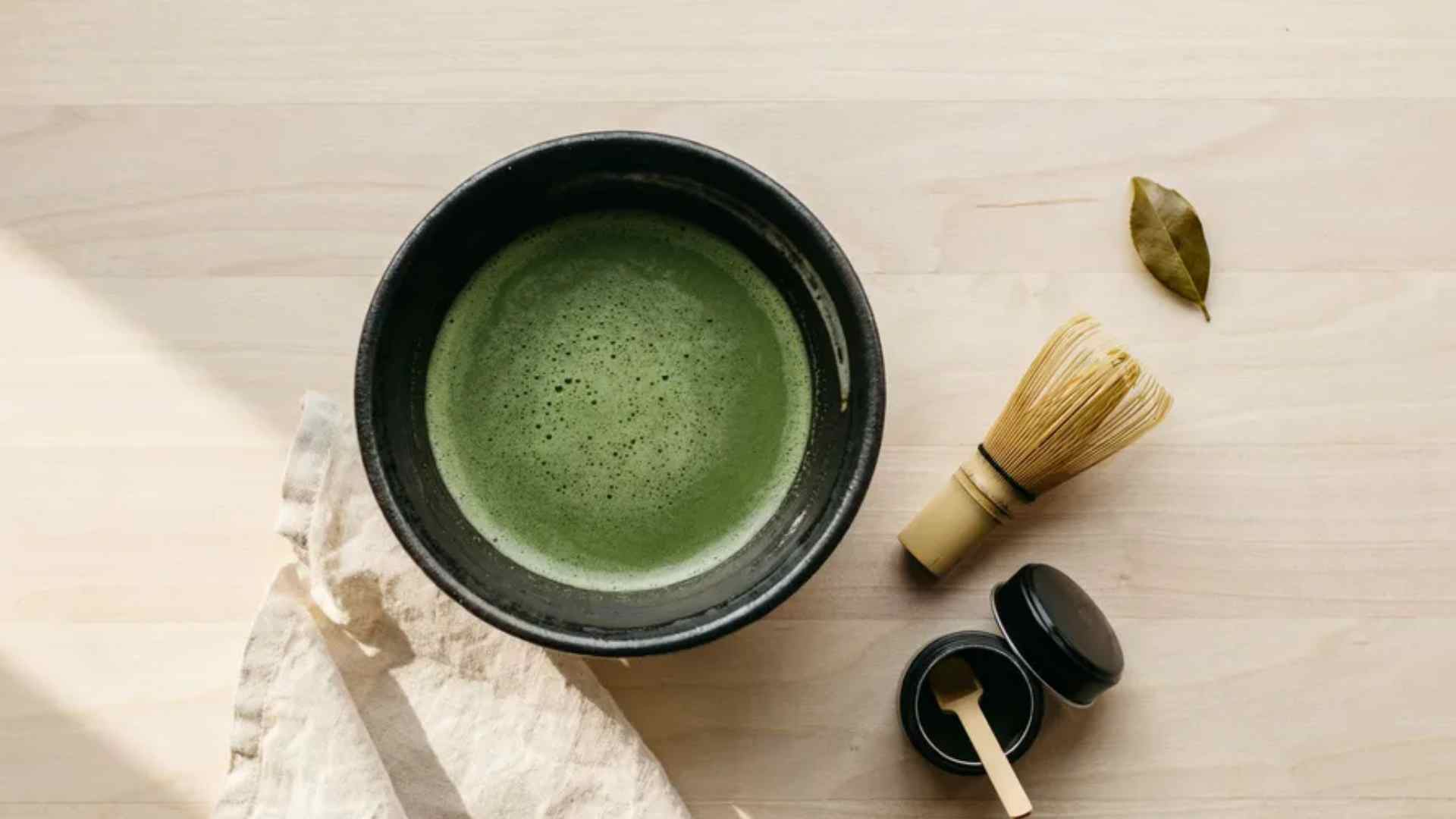
Classic matcha tea starts with sifting matcha powder into a bowl to remove clumps.
Add warm water, then whisk back and forth in quick strokes until the surface is smooth and slightly foamy.
This method, sometimes called usucha, lets the natural flavor of the leaves come through without milk or added sweetener changing the taste.
There is also a thicker version called koicha, which uses more powder and less water for a stronger, almost syrupy cup. Most people start with the thinner usucha style before trying it.
2. Matcha Latte
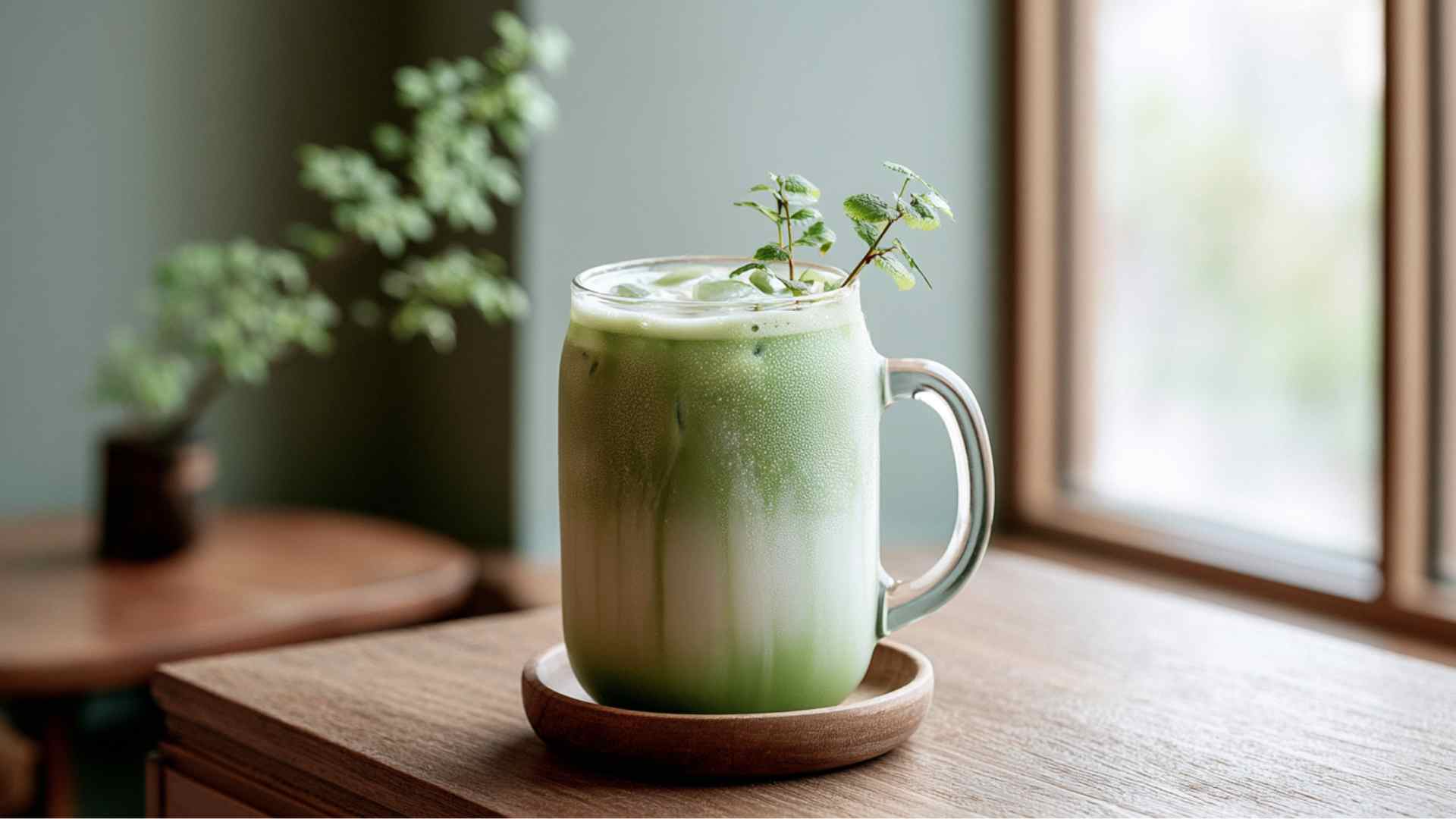
A matcha latte combines matcha powder with steamed or cold milk, using dairy or a plant-based option like oat, almond, or soy.
Sweeteners such as honey, sugar, or syrup can be stirred in to taste.
Some people add ice for a refreshing version, while others keep it warm, keeping the drink light but flavorful.
3. Iced Matcha
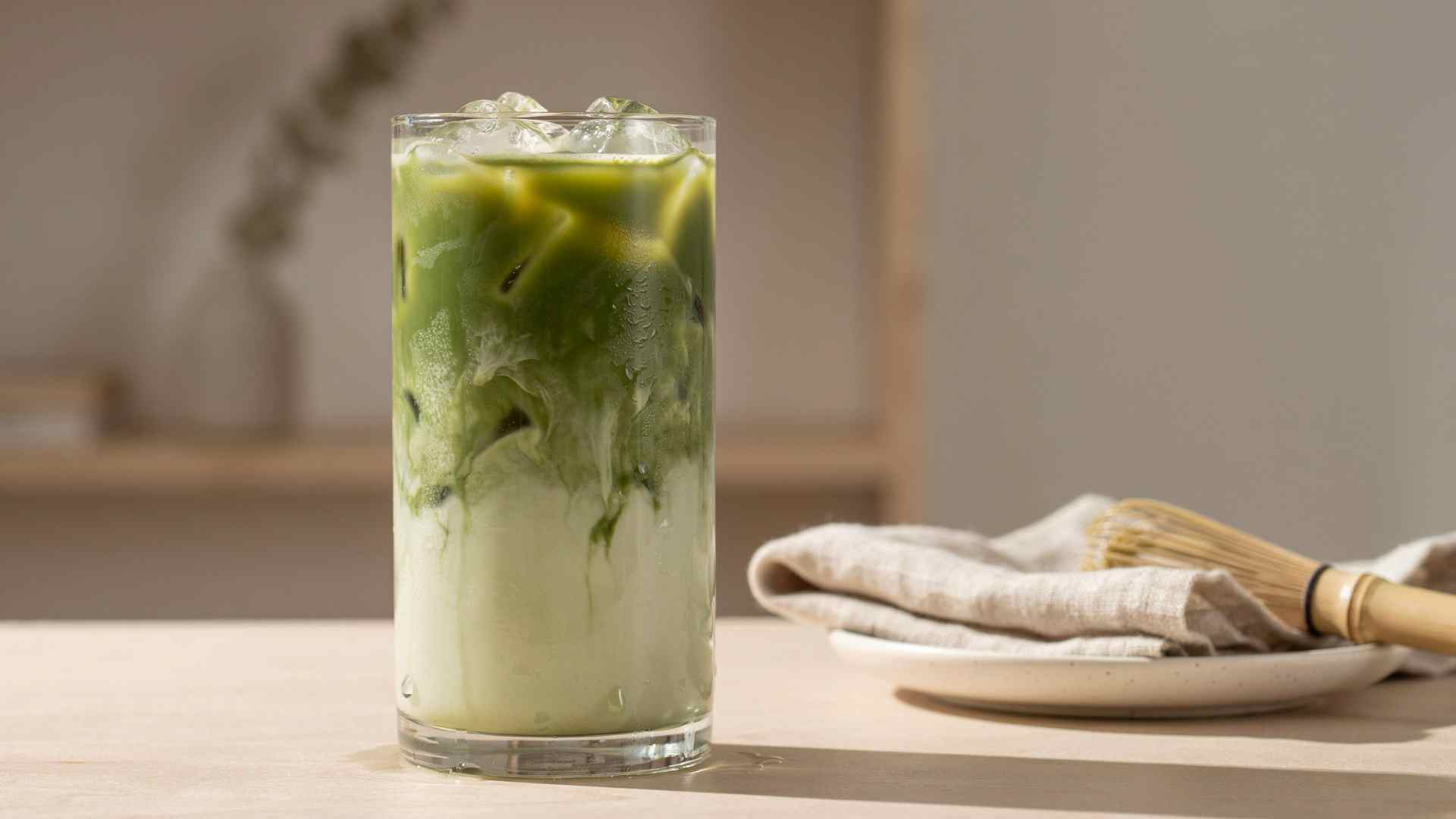
Iced matcha starts the same way as hot matcha: whisk powder into a small amount of warm water until smooth and foamy.
Then pour this concentrated shot over a glass filled with ice, and add cold water or milk on top.
The result is a refreshing, chilled drink that keeps matcha’s earthy flavor bright and crisp.
4. Smoothies
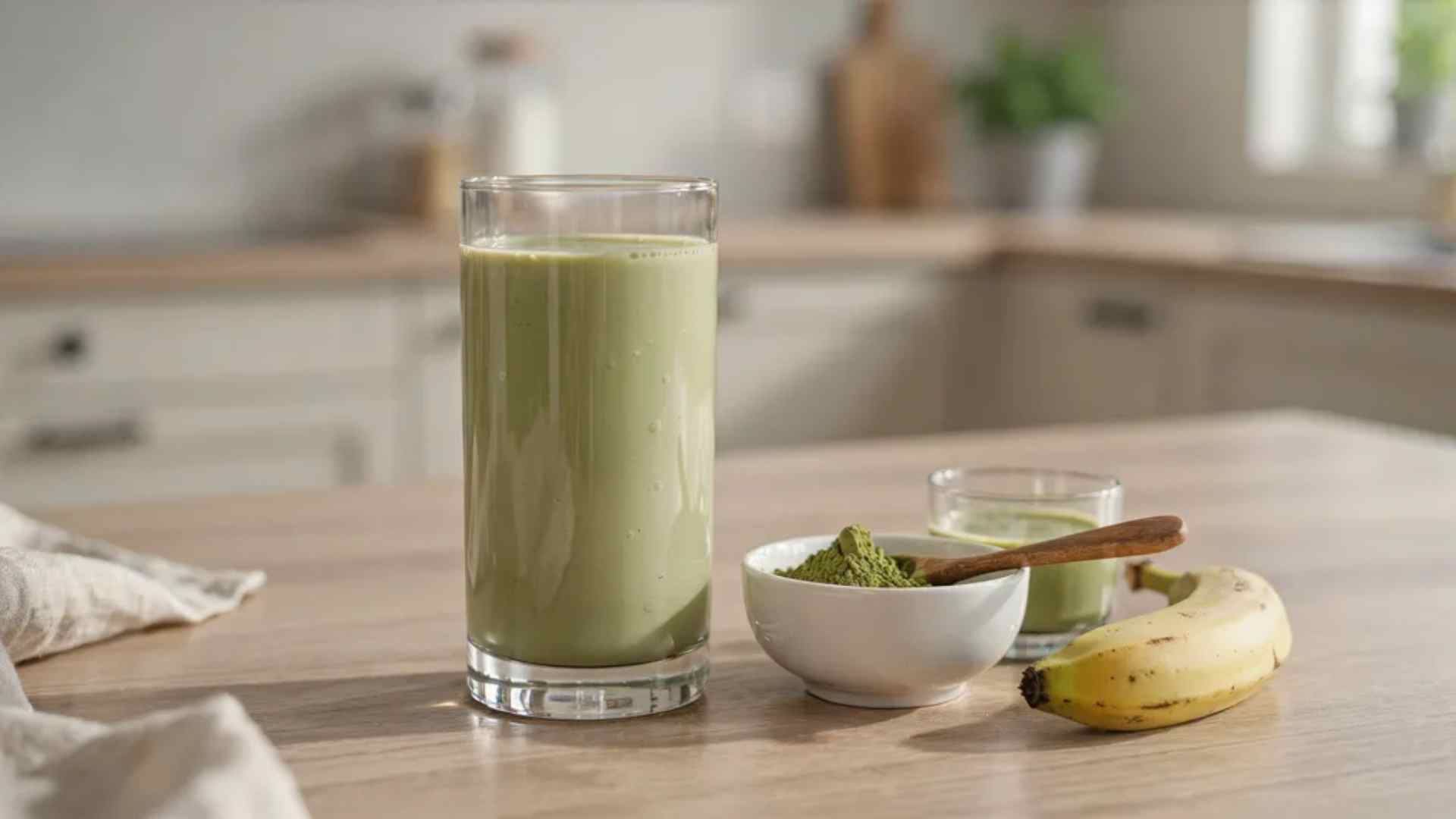
Matcha powder mixes easily into smoothies, adding color and a mild earthy taste without overpowering other ingredients.
It pairs well with banana, spinach, mango, or coconut milk for a balanced flavor.
Because matcha dissolves best in liquid rather than clumping, whisking it with a small amount of water first helps it combine evenly into the rest of the smoothie.
5. Oatmeal or Yogurt
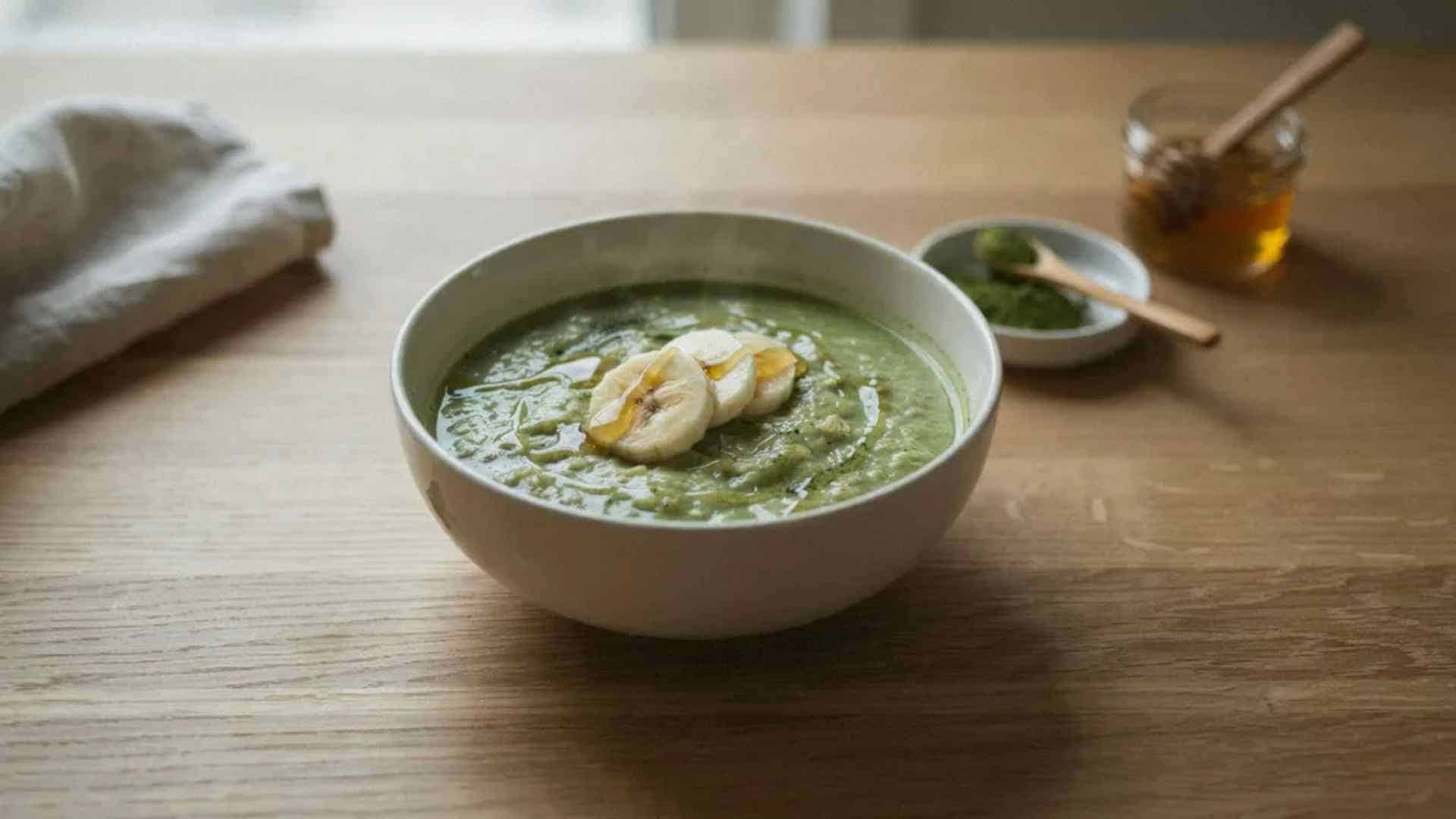
Matcha powder also works well stirred into oatmeal or yogurt for a simple, earthy twist on a regular breakfast.
A small amount goes a long way, so starting with about half a teaspoon helps avoid an overly bitter taste.
Toppings like honey, banana, or granola help balance the flavor, turning a plain bowl into a more colorful, green-tinted breakfast.
6. Matcha in Food and Desserts
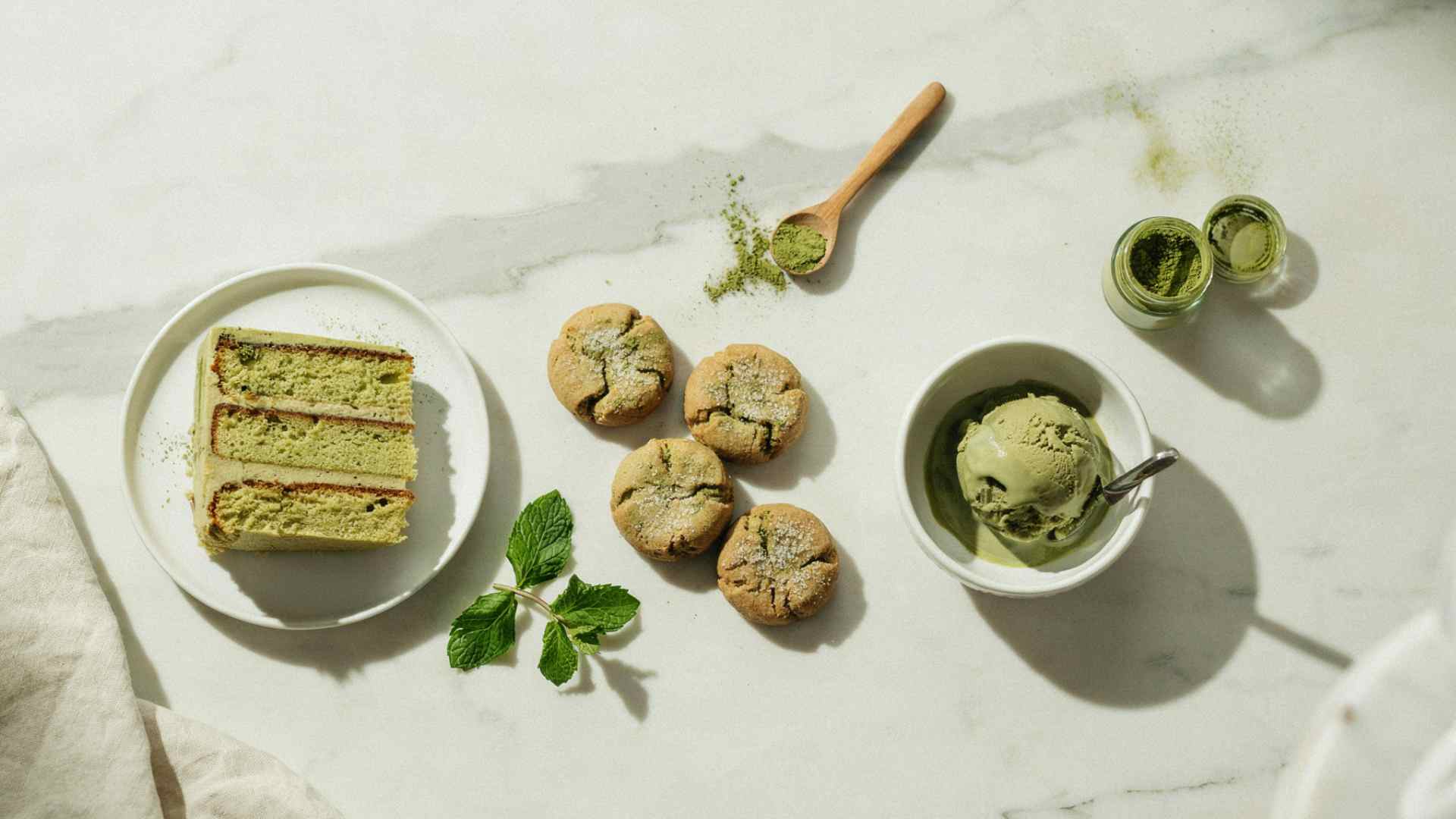
Matcha also works well beyond drinks, adding both color and flavor to a wide range of foods.
Bakers mix it into cookies, cakes, and muffins for a subtle earthy taste.
It stirs smoothly into smoothies and overnight oats, and pairs nicely with ice cream, giving desserts a distinct green tea flavor without overpowering other ingredients.
Classic, Vanilla, and Seasonal Matcha FlavorsClassic matcha stays true to its natural earthy taste. Vanilla matcha latte adds a smooth sweetness. Strawberry matcha, coconut matcha, and honey matcha each bring their own twist, giving matcha lovers plenty of options beyond the traditional cup. |
Is Blue Matcha Made From Green Tea?
Blue matcha is not related to traditional matcha at all. Instead of coming from Camellia sinensis leaves, blue matcha is made from dried and ground butterfly pea flowers, which naturally produce a deep blue color.
Key Differences Between Blue Matcha and Traditional Matcha
- Blue matcha contains no caffeine, since it isn’t made from tea leaves at all
- Blue matcha has a mild, slightly earthy taste, without the grassy or umami notes found in real matcha
- The name comes from its powdered form and preparation style, not from any connection to green tea
Blue matcha borrows its name and preparation style from traditional matcha, but the two come from entirely different plants.
How to Store Matcha So It Stays Fresh
Even good matcha fades fast once exposed to air, heat, light, and moisture, all of which wear down its color and flavor over time. A few simple habits make a real difference.
- Keep it airtight: store in a sealed tin or resealable pouch to block out air
- Keep it dark: light breaks down chlorophyll, so avoid clear containers on open shelves
- Keep it cool: a cupboard works, but the fridge is better if your kitchen runs warm
- Let it acclimate: bring a chilled tin back to room temperature before opening, so condensation doesn’t get in
- Use it up quickly: aim to finish an opened bag within a month or two for the best flavor
Treat matcha like a fresh ingredient, not a shelf-stable spice, and it’ll reward you with a brighter cup every time.
Final Take on Matcha
By now, it’s clear that the answer to what matcha is made of goes well beyond a single ingredient.
The way the tea leaves are grown, harvested, and stone-ground is what gives authentic matcha its signature color, smooth taste, and premium quality.
Understanding that process not only helps you appreciate every cup a little more, but also makes it easier to choose high-quality matcha with confidence the next time you’re shopping.
Frequently Asked Questions
Can You Eat Matcha Powder Straight?
You can, but it is intense. A pinch stirred into yogurt or oatmeal works fine, though most people find it too strong to eat by the spoon.
Why Does My Matcha Taste Fishy?
A fishy or flat smell usually means the matcha is stale or was stored badly. Fresh matcha smells grassy and sweet, so if yours smells off, it is likely past its best.
Is Matcha the Same in Japan and China?
No, they are not exactly the same. Matcha originated from Chinese tea traditions, but Japan developed the shading, steaming, and grinding methods used for modern matcha.
Can You Make Matcha Without a Bamboo Whisk?
Yes, you can use a milk frother, regular whisk, or even a fork. A bamboo whisk simply creates the smoothest and frothiest texture.