
I’ve noticed that “liver detox” has become the answer to almost everything online.
Feeling tired? Detox. Bloated after dinner? Detox. Skin acting up? Detox.
It sounds convincing until you stop and ask a simple question: does your liver actually need one? In most cases, the answer is no. Your liver is already built to remove waste from your body.
What deserves your attention are the symptoms that could signal it’s under stress.
Understanding the signs your liver needs detoxing starts with separating marketing claims from what your body may actually be telling you.
What Does the Liver Actually Do?
The liver is one of the hardest-working organs in the body, running quietly in the background every day. It filters blood, clearing out substances the body no longer needs, and breaks down nutrients from what you eat and drink.
It produces bile, which helps digest fat, and stores and releases energy as the body needs it. The liver also makes the proteins responsible for normal blood clotting, which is why liver strain can sometimes show up as easy bruising or unusual bleeding.
All of this happens alongside hundreds of other tasks that keep the rest of the body running smoothly, every single day.
What Causes Liver Stress Over Time?
Liver strain rarely comes from one bad day or a single unhealthy meal. It builds gradually, shaped by habits repeated over months and years.
Certain habits place more strain on the liver over time, even when nothing feels wrong right away:
- Excess alcohol intake: Regular or heavy drinking forces the liver to work overtime breaking down alcohol, leaving less capacity for its other jobs.
- A diet high in processed foods and added sugar: These can contribute to fat buildup in the liver over time.
- Lack of regular physical activity: Staying sedentary makes it harder for the body to manage weight and liver fat.
- Certain medications or supplements taken long-term: Some, including high doses of certain vitamins, can burden the liver when used continuously.
- Long-term exposure to environmental toxins or chemicals: Repeated exposure adds to the liver’s overall workload over time.
None of these habits cause harm overnight, but consistent patterns matter more than any single day or meal on its own.
Signs Your Liver Needs Detoxing

These are common signs that may indicate increased stress on the liver.
None of them confirms a diagnosis on their own, but each one deserves attention, especially if more than one shows up at the same time.
1. Constant Fatigue and Low Energy
Feeling tired for no clear reason, even after a full night’s sleep, can be linked to many health conditions.
The liver helps store and release energy, so ongoing fatigue may reflect how well this process is functioning.
When tiredness lasts for weeks without another explanation, it is possible to look at liver health as one possible factor.
2. Digestive Issues After Eating
The liver plays a direct role in breaking down fat through the bile it produces, and when this process is under strain, digestion can suffer.
Common symptoms include bloating, nausea, poor appetite, and feeling uncomfortable after meals, especially fatty ones.
These symptoms alone do not confirm a liver issue, but they are worth tracking over time, particularly if they show up consistently after eating rather than just occasionally.
3. Changes in Skin Appearance
Skin can reflect what is going on inside the body, since the liver helps clear certain substances that can otherwise build up and affect skin health.
Watch for itchy skin without an obvious cause, ongoing dryness that does not improve with lotion, and changes in overall skin tone or color.
Some people also notice puffiness or dark circles under the eyes alongside these changes.
A persistent, unusual breath odor known as fetor hepaticus is a separate and more serious signal.
It’s not an early sign like the others in this section. It shows up when liver disease has already advanced, so it calls for medical attention right away rather than a wait and see approach.
4. Dark Urine or Pale Stool
The liver and bile system work together to remove waste from the body, and bile also gives stool its usual brown color.
A change in stool or urine color can be one of the signals that this system needs attention. Dark urine paired with pale, clay-colored stool is worth mentioning to a doctor sooner rather than later.
5. Frequent Abdominal Discomfort
A feeling of fullness, tenderness, or discomfort in the upper right side of the abdomen can indicate increased strain in that area. This is where the liver sits.
This discomfort may come and go or show up mainly after large or fatty meals. On its own, it is not a diagnosis, but it is a sign that warrants close monitoring and evaluation.
6. Unexplained Weight Changes
The liver helps manage metabolism. When this process shifts, it can affect appetite and energy use, leading to weight changes that don’t match your usual diet or activity level.
Sudden weight gain, especially around the abdomen, or unexplained weight loss without a clear cause are both patterns worth discussing with a healthcare professional rather than managing alone.
7. Trouble Processing Alcohol
If you notice a lower tolerance to alcohol, or you feel unusually unwell after drinking amounts that never bothered you before, it may be a sign to review your alcohol habits and overall liver health.
This can happen because a strained liver produces fewer of the enzymes needed to break down alcohol, mainly alcohol dehydrogenase and aldehyde dehydrogenase, letting it and its byproducts build up faster than usual.
This shift can happen gradually, so it often goes unnoticed until it becomes a clear pattern that needs closer attention.
8. Brain Fog and Difficulty Concentrating
When the body is working harder to manage waste and toxins, focus and mental clarity can take a hit. Ongoing brain fog is often tied to overall health, including how well the liver is functioning.
If this feeling lingers for more than a few weeks without another clear cause, it warrants attention and should be brought to a doctor’s attention.
9. Swelling in the Legs or Abdomen
Fluid buildup in the legs, ankles, or abdomen can sometimes point to liver-related issues, since the liver produces proteins that help regulate fluid balance in the body.
When liver function is under strain, fluid can begin collecting in these areas. Noticeable or ongoing swelling is a sign that deserves a medical opinion rather than a home remedy.
Worth noting: Easy bruising or unusual bleeding can sometimes show up alongside swelling, since both trace back to the same clotting proteins mentioned earlier. Worth flagging at the same appointment.
10. Yellowing of Skin or Eyes
This sign, known as jaundice, is one that calls for medical attention right away rather than a home detox approach. It usually means a substance called bilirubin is building up faster than the liver can clear it.
Bilirubin is a yellow pigment left over when the body breaks down old red blood cells. A healthy liver clears it steadily, so a visible yellow tint usually means that process has stalled somewhere along the way.
Jaundice can indicate a range of underlying issues, so a healthcare professional should always evaluate it promptly.
Other Causes to Know About
Not all liver strain comes from lifestyle habits alone. Viral infections like hepatitis B and hepatitis C can quietly damage the liver over years, sometimes without early symptoms.
Certain genetic conditions also play a role, including Gilbert syndrome, which causes mild, usually harmless bilirubin buildup, and hemochromatosis, which leads to excess iron buildup that strains the liver over time.
Certain medications can also strain the liver over time, and in some cases cause sudden, serious damage. Acetaminophen overdose is one of the most common causes of acute liver failure in the U.S., which is why sticking to recommended doses matters even for over-the-counter drugs.
Less commonly, the immune system can mistakenly attack liver cells, a condition called autoimmune hepatitis, which needs medical diagnosis and treatment rather than home management.
Which Signs Need a Doctor Now vs. Which Just Need Habit Changes
Not every sign on this list calls for the same response. Some point to daily habits you can start adjusting today, while others need medical attention right away.
Yellowing of skin or eyes: See a doctor promptly
Dark urine with pale stool: See a doctor promptly
Severe or worsening abdominal discomfort: See a doctor promptly
Noticeable swelling in legs or abdomen: See a doctor promptly
Fatigue, digestion issues, skin changes, weight changes, alcohol tolerance changes, or brain fog: Adjust daily habits and monitor symptoms
Lifestyle Habits That May Affect Liver Health
Small daily choices tend to add up, shaping how much extra pressure the liver has to manage. The table below breaks down a few common habits and how each one can affect liver health when repeated regularly, along with a few less obvious ones worth watching too.
- High sugar intake: May increase liver fat buildup over time, since excess sugar the body doesn’t use right away often gets stored as fat, including in the liver.
- Frequent alcohol use: Can increase liver strain, since the liver has to prioritize breaking down alcohol over its other regular functions.
- Poor sleep: May affect overall metabolism and how the body manages energy, blood sugar, and hunger signals, all of which the liver plays a role in.
- Sedentary lifestyle: Can affect body weight and liver health, since a lack of movement makes it harder for the body to manage fat storage and blood sugar levels.
- Skipping meals or irregular eating: Can make it harder for the liver to keep energy and blood sugar levels steady throughout the day.
Small, steady changes to these habits tend to matter more for liver health than any short-term fix.
What Is Liver Detox and Cleanse?
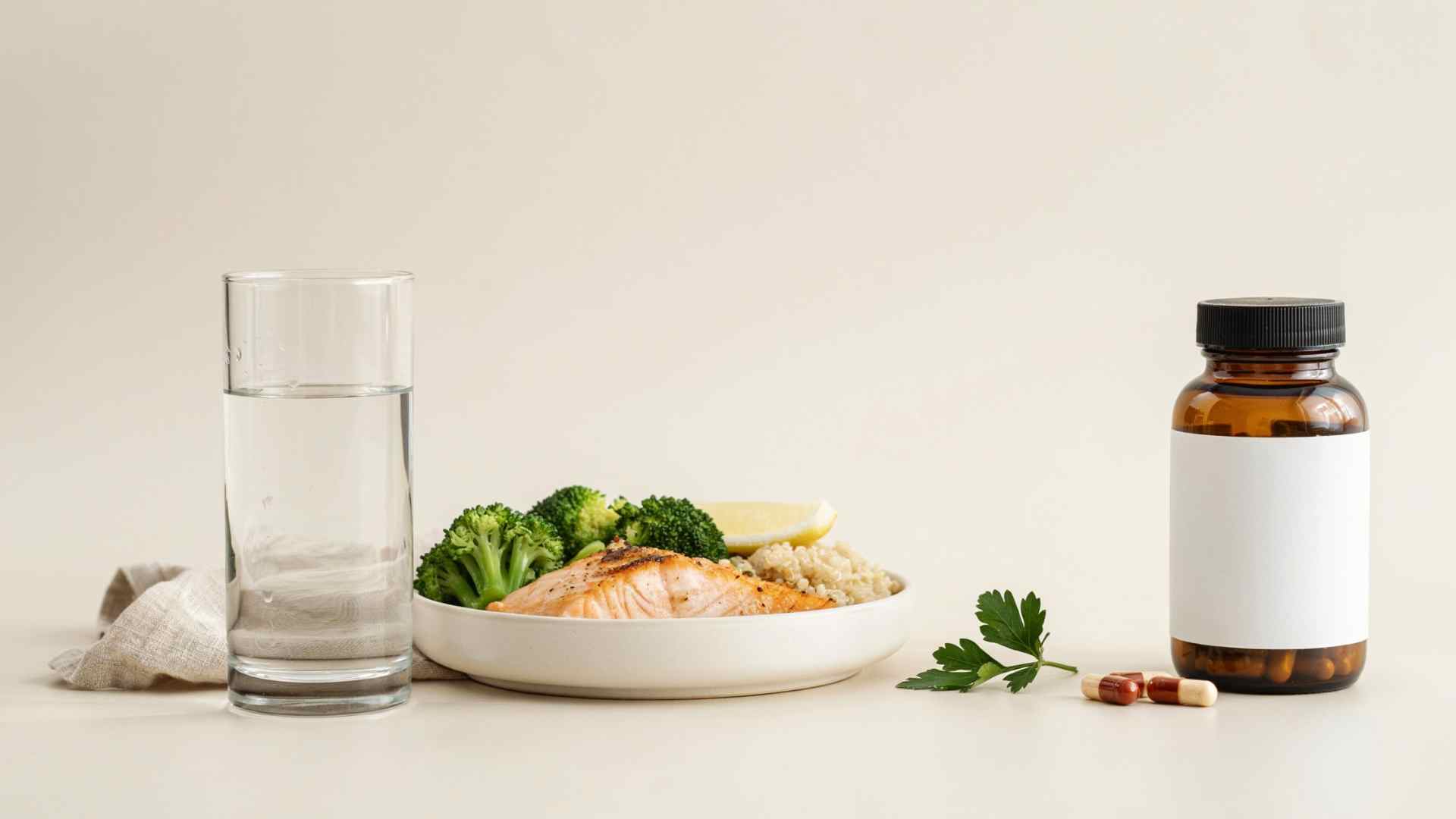
The word “detox” gets used loosely online, so it helps to separate marketing claims from what the liver actually needs to stay healthy.
Understanding What Liver Detox Really Means:
The liver already detoxifies the body on its own, all day, every day, even though many products claim otherwise.
It does not need an extreme cleanse or a restrictive plan to do its job.
What actually helps is a set of habits that support the liver’s normal function, rather than a short-term fix aimed at “flushing out toxins.”
Liver Support Habits vs Quick Detox Products
Here is a simple way to see the difference between habits that genuinely support the liver and products that only promise quick, short-lived results:
Liver Support Habits | Quick Detox Claims |
|---|---|
Balanced meals | Short-term cleanse drinks |
Regular exercise | Extreme fasting plans |
Limiting alcohol | Unverified supplements |
Staying hydrated | Rapid detox promises |
The National Center for Complementary and Integrative Health (NCCIH) notes that many detox products have no scientific evidence behind their claims, and some can even be unsafe to use on a regular basis.
Liver Detox Methods to Avoid
Some popular “detox” trends do more harm than good, even though they’re marketed as liver support.
- Juice cleanses and extreme fasting put the body under real stress rather than relieving it. Rapid calorie restriction can cause fatigue, dehydration, and in some cases gallstone formation, none of which help the liver do its job.
- High-dose herbal or vitamin supplements are often considered safe because they’re natural, but several, including excess vitamin A, can actually be hard on the liver when taken in large amounts over time.
- Liver flushes using olive oil and lemon juice are a common internet trend built on a misunderstanding. The green clumps some people pass afterward are usually a reaction between oil and stomach acid, not toxins being removed from the liver.
- Charcoal detox pills and colon cleanses have no proven benefit for liver function, and colon cleansing in particular can be risky for people with certain digestive or heart conditions.
The safer approach is the one covered earlier: steady, balanced habits rather than a product or plan that promises fast results.
Natural Ways to Support Liver Function

Supporting the liver does not call for anything extreme. A few consistent habits go a long way toward keeping it working well.
1. Eat Foods That Support Liver Health:
A varied diet gives the liver what it needs to function well, including:
- Leafy greens
- Fruits rich in antioxidants
- Whole grains
- Lean proteins
- Healthy fats, such as olive oil
Making these foods part of your regular meals can help support liver health over time, since long-term eating habits matter more than occasional healthy choices.
2. Stay Hydrated Throughout the Day:
Water supports normal bodily processes, including the removal of waste from the body. Staying hydrated throughout the day keeps this process working smoothly and supports overall digestion too.
3. Maintain a Healthy Weight Through Movement:
Regular physical activity helps manage body weight, which directly affects liver fat levels. The National Institute of Diabetes and Digestive and Kidney Diseases (NIDDK) notes that maintaining a healthy weight and staying active are two of the main ways to support liver function over time.
4. Limit Alcohol and Unnecessary Supplements:
Cutting back on alcohol and skipping supplements that are not medically needed reduces the load placed on the liver each day and lowers long-term risk.
5. Use Medications and Supplements Safely:
Take prescription and over-the-counter medicines only as directed, and avoid mixing alcohol with them. Review any supplements with a doctor or pharmacist, since “natural” does not always mean liver-safe.
6. Reduce Your Risk of Viral Hepatitis:
The Centers for Disease Control and Prevention (CDC) recommends getting vaccinated against hepatitis B, along with safe practices around blood and bodily fluid exposure, to help lower the risk of viral infections that can damage the liver over time.
These effects build slowly, which is why they’re easy to miss until symptoms show up.
Steps for a Simple Liver Support Routine
A routine built around small, repeatable actions is easier to stick with than a strict short-term plan.
Time of Day | Healthy Liver Habit |
|---|---|
Morning | Drink water and eat a balanced breakfast |
Afternoon | Choose nutrient-rich meals and healthy snack options |
Evening | Include movement and avoid heavy alcohol intake |
Night | Prioritize quality sleep |
Build Habits You Can Maintain Long Term: Pick two or three habits from this list and stick with them for a month before adding more.
Realistic, repeatable changes hold up better than strict rules that are hard to follow over the long term.
Signs You Should Talk With a Healthcare Professional
Not every symptom calls for the same urgency. Some warrant a routine appointment, while others need medical attention right away.
Schedule an Appointment For
- Persistent fatigue
- Ongoing upper-right abdominal discomfort
- Repeated nausea or appetite loss
- Unexplained itching
- New bruising
- Risk factors such as diabetes, obesity, hepatitis exposure, or regular heavy drinking
Seek Urgent Medical Care For
- Yellow skin or eyes
- Vomiting blood
- Black, tarry stools
- Sudden confusion
- Severe abdominal swelling
- Extreme drowsiness
- Severe abdominal pain
Catching liver problems early gives doctors more treatment options and a better chance of preventing complications down the line.
Waiting on symptoms rather than getting them checked can allow an underlying issue more time to progress, which is why prompt medical attention matters.
How Doctors Check Your Liver Health
A doctor will typically ask about symptoms, alcohol use, medications, and family history, then check the abdomen for tenderness or swelling and look for outward signs like jaundice. From there, blood tests are the most common next step.
According to MedlinePlus, liver function tests measure enzymes like ALT and AST, along with bilirubin and albumin levels, to see how well the liver is working and whether anything looks out of range.
If something needs a closer look, imaging such as an ultrasound is often used to check the liver’s size and structure.
You don’t need to guess at any of this. Bringing up any symptoms from earlier in this article is usually enough to start the right conversation.
Preventive Tips for a Healthy Liver
Prevention comes down to consistency rather than any single fix, and a few habits carry more long-term weight than others.
- Get routine health checks: A simple blood test can catch changes in liver enzyme levels well before symptoms appear, since many liver issues develop quietly in the early stages.
- Watch your medication load: Combining acetaminophen with other over-the-counter products, or taking it alongside alcohol, is one of the most common ways people unintentionally strain their liver. Check labels for duplicate ingredients.
- Know your personal risk factors: Diabetes, obesity, and a family history of liver disease all raise the stakes of the habits covered earlier in this article, so routine checks matter more if any of these apply to you.
None of this requires an overhaul. A few kept habits do more for long-term liver health than any single fix ever will.
Conclusion
If there’s one thing worth taking from this list, it’s that your liver rarely sends a single clear signal.
It’s usually a pattern: tiredness that lingers, digestion that’s off, skin that won’t settle, that builds quietly before anything shows up on a test.
Paying attention to that pattern, rather than waiting for one dramatic symptom, is what actually protects you.
A detox tea won’t do that work. Consistent habits and a doctor who knows your history will.
If two or more of these signs sound familiar, that’s worth a conversation with your doctor, not a cleanse kit.
Frequently Asked Questions
How Often Should You Detox Your Liver?
The liver detoxes itself daily on its own; no separate periodic program is medically necessary for otherwise healthy people.
Can Liver Damage Be Reversed?
Some early liver damage, like fatty liver buildup, can often improve with consistent lifestyle changes and enough time.
What Foods Put the Most Strain on The Liver?
Fried foods, sugary drinks, and highly processed snacks tend to add the most strain on liver function.
Can Stress Affect Liver Health?
Chronic stress can affect sleep, appetite, and habits, which can indirectly influence liver health over time.
How Do You Know Your Liver Is Healing?
Improved energy, steadier digestion, and clearer skin often follow weeks of consistent, liver-friendly daily habits.