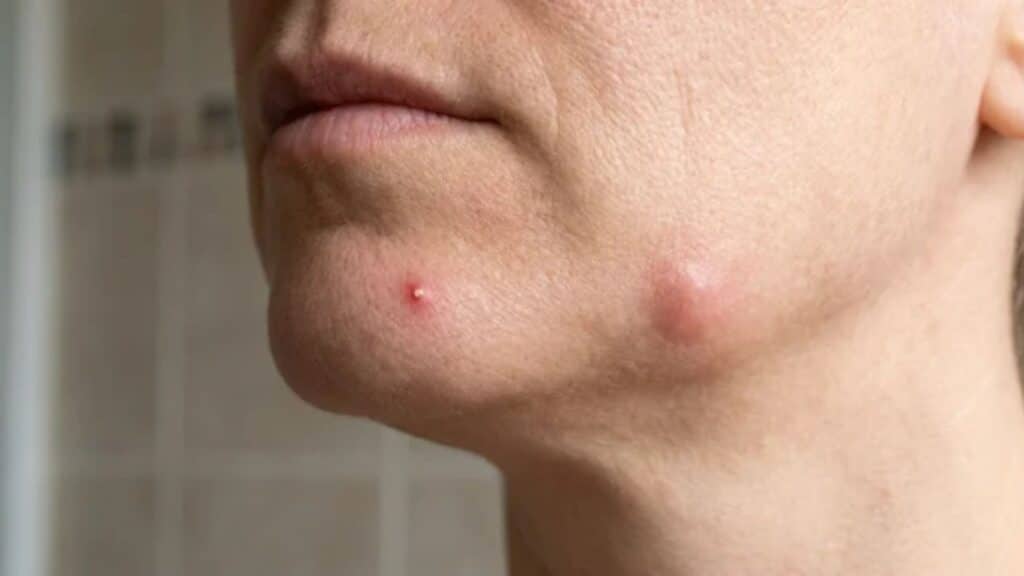

The decision to remove a beauty mark feels simple until you are actually sitting in the clinic with no idea what question to ask first.
I’ve been in that position with a close family member, and I know how overwhelming it can feel without the right information. I’ve seen people rush into decisions without knowing the options, the costs, or what recovery actually looks like.
You deserve clear answers before making that call. Here, you’ll find everything laid out simply — the procedures, the healing process, the risks, and when to see a doctor. By the end, you’ll know exactly what to expect during the beauty mark removal process.
All costs, healing times, and pain levels mentioned are approximate and may vary depending on your location, skin type, and the clinic you choose.
Understanding What a Beauty Mark Really Is
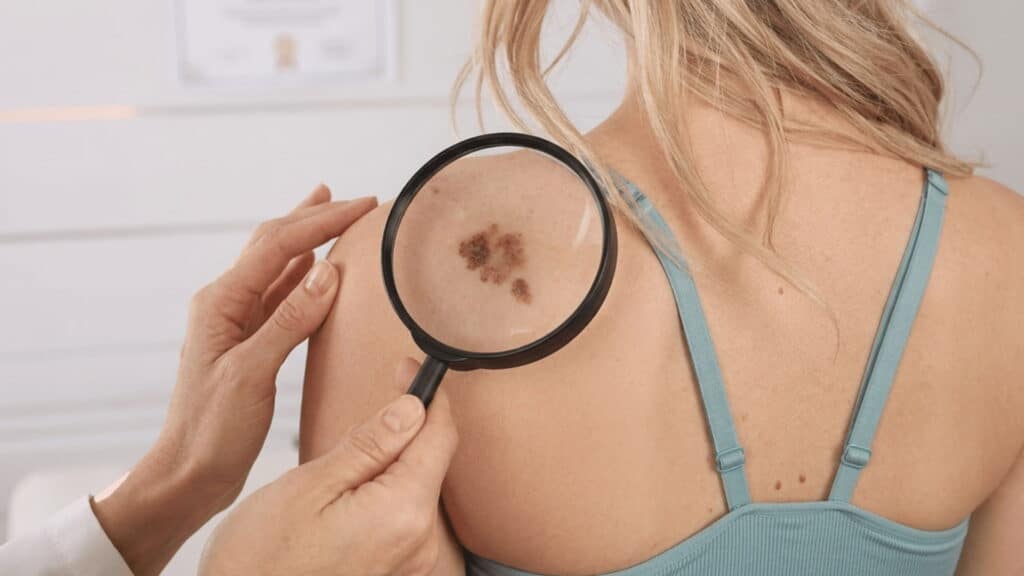
A beauty mark is a small, dark spot on the skin, usually brown or black, and essentially a mole that sits somewhere people find attractive, like near the lips or cheek.
These spots form when pigment cells cluster together under the skin, influenced by genetics, sun exposure, and hormones. Most are completely harmless, though changes in size, color, or shape are worth getting checked by a doctor.
People choose removal for different reasons, including cosmetic concerns, daily irritation, bleeding, or emotional confidence. Whatever the reason, speaking to a dermatologist first is always the right move before deciding on any procedure.
Types of Beauty Mark Removal Procedures

There is no single way to remove a beauty mark. Doctors choose the method based on the size, type, and location of the mark. Here are the five most common procedures I learned through online research and by talking to professionals.
1. Surgical Excision
A doctor cuts the beauty mark out using a small scalpel and closes the skin with stitches. This method is usually recommended when a mole looks suspicious or is deeply rooted in the skin.
Because the whole mark is removed, it can also be sent to a lab for testing. It leaves a small scar, but it is one of the most thorough and reliable removal methods available, especially for larger marks.
- Pain Level: Moderate
- Healing Time: Two to four weeks
- Cost: $150 to $500 per session
2. Shave Removal
Instead of cutting deep, the doctor uses a small blade to shave the mark flat with the surface of the skin. No stitches are needed in most cases, which means a faster and simpler recovery. This method works best for raised moles that sit above the skin.
It is a quick in-office procedure, usually done with local numbing cream, and my cousin actually had this done. She said it was over before she even felt nervous.
- Pain Level: Very low numbing cream or injection used
- Healing Time: 1 to 2 weeks
- Cost: $100 – $300 per mark
3. Laser Removal
A focused beam of light breaks down the pigment inside the beauty mark, and the body naturally clears it away over time. This works best on small, flat, non-cancerous marks. One session may not be enough; some marks need two or three visits to fully fade.
There are no cuts or stitches involved, making it a popular choice for people who want a low-downtime option with clean, precise results.
- Pain Level: Mild feels like a rubber band snap
- Healing Time: 1 to 2 weeks per session
- Cost: $200 – $500 per session
4. Cryotherapy
This method uses liquid nitrogen to freeze the beauty mark, causing the skin cells to die and the mark to fall off on its own within days. It is quick, simple, and commonly used for small, surface-level spots.
Some redness or blistering may follow, but it fades fast. Cryotherapy is a go-to option when surgery feels like too much. It is straightforward, affordable, and does not require any cutting at all.
- Pain Level: Mild, a brief stinging or burning sensation
- Healing Time: 1 to 2 weeks
- Cost: $100 – $300 per session
5. Electrocautery
A small electric current is used to burn off the beauty mark layer by layer. Doctors often use this for raised or stubborn marks that other methods may not fully address. The heat also seals the skin as it works, which helps reduce bleeding during the process.
It is done under local anesthesia, so there is little to no pain. Mild scabbing may appear afterward, but it heals cleanly in most cases.
- Pain Level: Low local anesthesia applied beforehand
- Healing Time: 1 to 3 weeks
- Cost: $150 – $350 per mark.
Picking the Right Removal Method for Your Skin
Choosing the right removal method starts with understanding your specific situation. The size, location, and type of mark all influence which procedure a doctor will recommend.
Skin type and scarring risk also play a role, since some methods suit certain skin tones better than others.
Whether the removal is cosmetic or medically necessary can also affect your options and costs. A dermatologist is always the best person to make that call.
They will assess the mark properly, determine if a biopsy is needed, and guide you toward the safest option. Avoid any DIY removal methods, as they can cause infection, scarring, or missed warning signs.
Aftercare Instructions for Proper Healing
How well your skin heals after removal depends almost entirely on how well you care for it afterward. The procedure is just the first step: what you do in the days and weeks that follow makes all the difference.
- Keep the area clean: Gently wash the treated spot with mild soap and water once or twice a day to prevent infection.
- Apply ointment: Use the prescribed or recommended ointment regularly to keep the area moist and help it heal faster.
- Avoid picking scabs: Let scabs fall off on their own. Picking them slows healing and raises the risk of scarring.
- Sun protection: Apply SPF 30 or higher over the area daily, since fresh skin is highly sensitive to sun damage.
Good aftercare is not complicated; it is just consistent: follow these five steps closely, and your skin will have the best possible chance of healing cleanly and quickly.
Risks and Possible Complications
Like any skin procedure, beauty mark removal comes with a small set of risks: most are rare and manageable, but knowing them upfront helps you make a fully informed decision.
| Risk | What Happens | Warning Signs |
|---|---|---|
| Infection | The area gets infected if not kept clean | Redness, pus, or unusual warmth |
| Pigment Changes | Skin turns darker or lighter near the site | Uneven tone around the treated area |
| Nerve Irritation | Minor nerve disturbance after the procedure | Numbness or tingling near the spot |
| Scarring | Skin heals with a visible scar | Raised, thick, or discolored skin |
| Recurrence | Mark partially grows back after removal | A new spot is forming at the same site |
These risks are uncommon when the procedure is done by a qualified professional and aftercare is followed properly: knowing them simply means you will recognize when something needs a doctor’s attention
When Should You See a Doctor?
Not every beauty mark needs removal, but some do need a doctor’s eye. A helpful way to check is the ABCDE rule. Asymmetry means one half of the mark looks different from the other.
Border refers to edges that are uneven or blurred rather than smooth. Color is a concern when the mark contains multiple shades of brown, black, red, or white.
Diameter matters when the spot grows larger than a pencil eraser. Evolving is the biggest red flag. Any mark that changes in size, shape, or color, or that starts to bleed or itch, should be seen by a dermatologist without delay. When in doubt, always get it checked.
Final Thoughts
My understanding says that Beauty mark removal is not a decision to rush, but it is also not something to fear. Modern procedures are safer, quicker, and more precise than ever before.
Whether you are removing a mark for health reasons or simply because you want to, both are valid. What matters most is getting a professional evaluation before anything else.
My cousin’s mixed experience taught me one thing clearly: the procedure itself was fine; it was the lack of preparation that caught her off guard. Go in informed, and you will come out confident.
Here, I would also love to hear your experience. Have you had a beauty mark removed, or are you considering it? Drop your thoughts in the comments below, and let’s see hundreds of different thoughts.