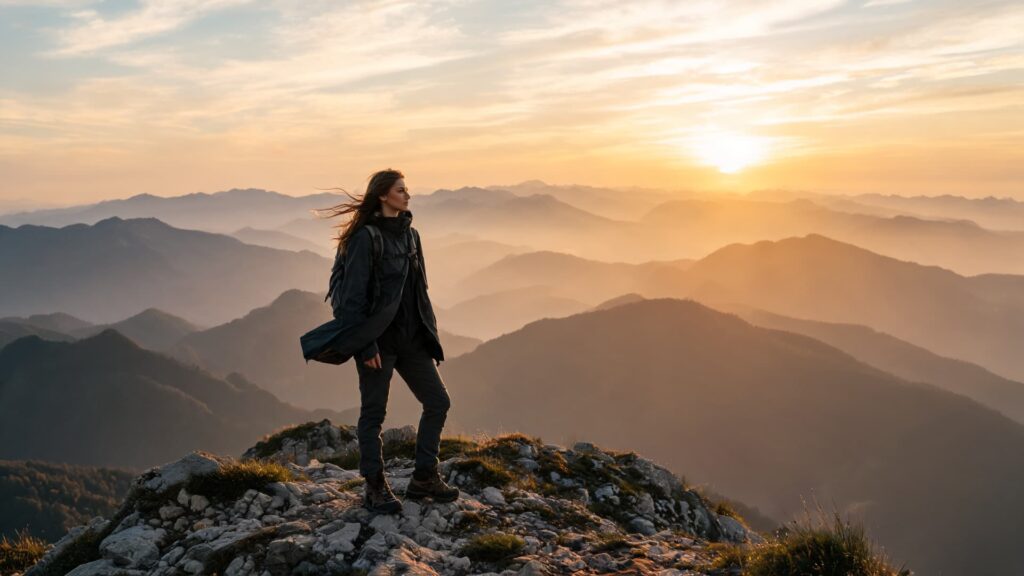

I took my first solo trip with a decent packing list and almost no safety plan, and I spent the first night wide awake, running through every worst-case scenario in my head.
That is not what good solo travel tips are supposed to feel like. When you actually plan for the first 48 hours, rather than just the flight and the hotel, the anxiety drops quickly, and the trip starts to feel like yours instead of something happening to you.
This guide covers what I wish someone had told me before that first trip, from choosing a destination to handling the moment you get turned around on a street you do not recognize.
| Focus Area | What It Covers | Best For |
| Trip Planning | Destinations, accommodation, packing, documents | First-time solo travelers |
| Daily Safety | Night travel, transport, and cultural awareness | Anyone traveling alone abroad |
| Budgeting | What solo travel actually costs and where to spend | Travelers on a set budget |
| Mindset | Handling the first-day nerves and building confidence | First-timers and introverts |
What Solo Travel Really Feels Like for Beginners
Solo travel feels like a mix of excitement and uncertainty at the same time. On the one hand, there is complete freedom to decide where to go, what to eat, and how long to stay somewhere without compromise.
On the other hand, beginners often experience moments of doubt and hesitation, especially upon arrival in a new country or city. The first few hours can feel unfamiliar, almost like being dropped into a new environment where everything requires small independent decisions.
However, this phase is temporary. As navigation becomes easier and surroundings become familiar, confidence starts to build naturally. Within a few days, most travelers shift from anxiety to comfort as routines form, local patterns become clear, and independence starts feeling empowering instead of intimidating.
Solo Travel Safety Tips for Trip Planning and Preparation

Before starting your solo journey, proper planning and safety preparation help reduce confusion, improve confidence, and ensure a smoother travel experience from the very beginning.
1. Choosing Safe Beginner-Friendly Destinations
Selecting the right destination is the first step in safe solo travel. Beginners should choose places with strong tourism infrastructure, reliable public transport, and good safety records. High-tourist-traffic destinations are easier because locals are used to helping travelers.
It is also better to pick locations where English is commonly spoken. Avoid remote or high-risk areas for the first trip. A well-connected, tourist-friendly destination reduces confusion and helps you focus on enjoying the experience instead of managing stress.
2. Booking Safe and Well-Located Accommodation
Accommodation choice directly impacts safety and comfort. Prioritize central locations instead of cheaper remote stays. Well-reviewed properties in safe neighborhoods reduce risks, especially at night.
Always check reviews for cleanliness, staff behavior, and surrounding area safety. Staying near public transport or main roads makes movement easier and safer. This prevents complicated late-night routes and ensures quick access to food, transport, and help if needed.
3. Carry-On Packing Strategy and Essentials
A carry-on-only approach makes solo travel genuinely easier because you are the only one carrying, watching, and moving your bag through every airport and train station. Stick to versatile clothing, comfortable shoes, basic medication, chargers, and one small day bag.
If you have never done a proper carry-on trip before, working through a full guide for packing a suitcase efficiently before you leave will save you from the classic mistake of overpacking for a trip where you are the only one hauling the bag.
4. Setting Up eSIM, Offline Maps, and Travel Apps
Digital setup is essential for smooth solo travel. Installing an eSIM before arrival ensures instant connectivity. Offline maps should be downloaded to avoid getting lost without internet access. Travel apps for navigation, translation, and bookings simplify daily movement.
These tools reduce dependence on strangers and increase confidence in unfamiliar places. Having digital backups ensures safety even when connectivity is weak or unavailable.
5. Safety Backup for Documents and Money
Protecting money and documents is crucial. Keep digital copies of passports, IDs, and insurance in secure cloud storage. Physically separate cash and cards in different places to avoid total loss. Carry a backup card in a different bag or pocket.
Keep small emergency cash hidden securely for unexpected situations. This layered system ensures travel can continue smoothly even if one item is lost or stolen.
6. Emergency Contact Preparation
Share your itinerary and live location with someone you trust before you go. Save the local emergency number, your accommodation address, and the nearest embassy details directly on your phone, not just in an email somewhere.
If you are a US citizen traveling internationally, enrolling your trip in the State Department’s Smart Traveler Enrollment Program means the nearest embassy can reach you directly if something happens in the country you are visiting.
Night Safety Guidelines for Solo Travelers
Night travel requires extra awareness because visibility is low and surroundings become less predictable. For solo travelers, even small decisions after sunset can affect safety, so careful planning of movement is essential.
It is important to avoid walking alone in unfamiliar or poorly lit areas at night. Even short distances can feel unsafe when there is little activity around. If movement is necessary, always choose safer alternatives instead of convenience-based shortcuts.
When traveling after dark, rely on trusted ride apps or pre-booked transport services instead of unverified rides. These options offer better tracking, clearer accountability, and a more secure travel experience compared to random transport choices.
Try to stay in well-lit and populated areas such as main roads, active markets, or busy public spaces. These environments reduce risk and make it easier to seek help if needed.
Avoid taking isolated shortcuts or empty lanes, even if they reduce travel time. In solo travel, safety should always come before speed, and sticking to visible, active routes helps maintain better control of your surroundings.
Navigation and Transport Strategy for Solo Travelers
Navigation and transport planning play a major role in solo travel safety and confidence. Choosing the right tools and transport method at the right time helps reduce confusion, improve safety, and make movement in unfamiliar places much easier.
| Topic | What to Do | Why It Matters |
|---|---|---|
| Using Maps & Navigation | Download offline maps before travel and check routes in advance | Helps you move confidently even without internet and reduces confusion in new places |
| Saving Key Locations | Save hotels, transport hubs, and emergency points in your map app | Makes it easy to navigate quickly during stressful or unfamiliar situations |
| Ride Apps Usage | Use ride apps for airport transfers, night travel, or heavy luggage situations | Provides safer, direct, and more controlled transport options |
| Public Transport Use | Use buses, metros, or trains during the daytime when systems are easier to understand | More cost-effective and efficient for exploring cities safely |
| Decision Strategy | Choose ride apps or public transport based on safety, time, and comfort | Ensure you prioritize safety over cost when unsure |
When you plan how you move around in advance, you reduce uncertainty and avoid last-minute decision pressure. Simple habits like preparing maps, saving key places, and understanding transport options help you stay oriented and confident throughout your trip. The goal is to move with awareness rather than guesswork, so every journey feels more controlled and safe.
Budgeting for Solo Travel
Budgeting for solo travel requires a more structured approach because you are responsible for every expense yourself. Unlike group trips, there is no cost-sharing, so planning becomes essential from the very beginning.
- Higher-cost reality: Solo travel is generally more expensive because there is no one to share fixed costs such as hotel rooms, taxis, or tour packages. For example, a hotel room that costs the same for one or two people means you are paying the full price alone. Similarly, transportation costs like airport transfers or private rides are fully borne by you. Understanding this upfront helps set realistic expectations and prevents budget stress during the trip.
- Smart saving approach: Saving money in solo travel should never come at the cost of safety. Instead of choosing the cheapest option, focus on value and reliability. For accommodation, this means selecting safe, well-reviewed places in central locations rather than remote budget stays. For transport, it is better to use trusted public transport or verified ride apps instead of unsafe or unreliable alternatives.
- Budget prioritization strategy: A smart solo travel budget prioritizes safety-related expenses first. This includes accommodation location, secure transport, and essential connectivity like a SIM or eSIM. After these are covered, the remaining budget can be allocated to food, activities, and shopping.
- Key budgeting mindset shift: Instead of focusing on “cheapest possible trip,” solo travelers should think in terms of “safe and sustainable travel.” Spending a little more for a better location, safer transport, and reliable services often improves the overall experience and reduces stress.
A well-planned solo travel budget is not about limiting experiences but about creating freedom through control. When safety, comfort, and smart spending are balanced, travel becomes more enjoyable and less stressful. This approach helps you stay prepared, flexible, and confident throughout your journey.
Cultural Awareness That Keeps You Safe

Understanding local dress codes and social norms helps you blend in and avoid drawing attention you do not want. It also tends to lead to friendlier, more genuine interactions with the people you meet along the way.
Stay aware of restricted or sensitive areas, and follow local rules on photography, transportation, and public behavior so you do not accidentally violate them. Keeping a low profile, meaning no flashing valuables and no being the loudest person in the room, is one of the simplest ways to stay under the radar.
Solo travel also puts you in more small conversations than group travel does, whether that is with a host, a bartender, or someone at the next table. Having a mental list of easy topics to talk about makes those moments feel natural instead of awkward, and it is usually how the best local recommendations come your way.
Solo Travel Safety Mistakes to Avoid
Solo travel becomes safer and more comfortable when you are aware of common mistakes that many travelers make in unfamiliar places. Avoiding these simple errors can significantly reduce risk, improve decision-making, and help you stay more confident throughout your journey.
- Ignoring local safety norms: Not knowing which areas or behaviors to avoid puts you at risk without you realizing it.
- Using unsecured WiFi for banking: Public networks make it easier for someone to intercept sensitive account information.
- Relying on strangers for directions: It leads to confusion more often than it helps. Offline maps are faster and more reliable.
- Keeping all your valuables together: One theft or one lost bag should not mean losing your cash, cards, and documents at once.
- Skipping travel insurance: Even a short trip can run into an unexpected cost that insurance would have covered.
Avoiding these small but critical mistakes makes solo travel much safer and more predictable. When you stay aware of your surroundings, protect your data, and plan for unexpected situations, your overall travel experience becomes smoother and less stressful.
What to Consider for Your Specific Trip
Solo travel does not look the same for everyone, and adjusting the basics to your own personality makes a real difference in how the trip actually feels.
If you are more introverted, build in downtime between activities rather than packing your itinerary the way a group trip would. Evenings alone are a good time to reset, and working through a few journal prompts for reflection at the end of the day can turn what feels like isolation into something closer to a genuine reset.
If you are more extroverted, look up local meetups, walking tours, or communal hostel spaces where conversation happens naturally. Either way, treat some of the trip like practice for enjoying your own company, since a few solo date ideas back home before you leave can make eating alone or exploring alone on the trip itself feel far less unfamiliar.
Frequently Asked Questions
How do I choose the safest mode of transportation in a new city?
Match the transport to the time of day. Ride apps work best at night or when you are unsure of an area, while public transport is fine for busy daytime routes. Always check reviews first.
What should I pack specifically for solo travel safety?
Pack light and include backup cards, a portable charger, offline maps, basic medication, and copies of your documents. Fewer valuables means less to manage and less to lose track of.
How can I stay confident when everything feels unfamiliar?
Focus on one task at a time instead of the whole trip. Confidence builds fast once you complete small wins like reaching your hotel, finding a meal, and using local transport successfully.
What should I do if I get lost while traveling solo?
Stay calm and head toward a public place like a cafe or shop rather than wandering further. Use your offline map or ask staff for directions instead of a random stranger on the street.
Is solo travel safe for women?
It can be, with the right preparation. Choosing safe accommodation, avoiding isolated areas at night, and staying aware of local norms lowers the risk significantly compared to traveling without a plan.
How do I plan activities without overloading my schedule?
Keep it to one or two main activities a day and leave the rest open. That extra room absorbs travel delays and leaves space for something you did not plan to stumble into.
Final Thoughts
When I look at solo travel from start to finish, it really comes down to preparation, awareness, and small, smart decisions that shape your entire experience.
You don’t need complicated planning, but you do need clarity on safety, timing, and how you handle your first few days in a new place.
The solo travel tips shared in this guide help you build confidence step by step, avoid common mistakes, and manage situations such as arrival, transportation, and social interactions more smoothly.
I want you to take these simple ideas, apply them on your next trip, and notice how much easier everything feels. If something stood out to you, share your thoughts or explore more travel guides for deeper planning help.