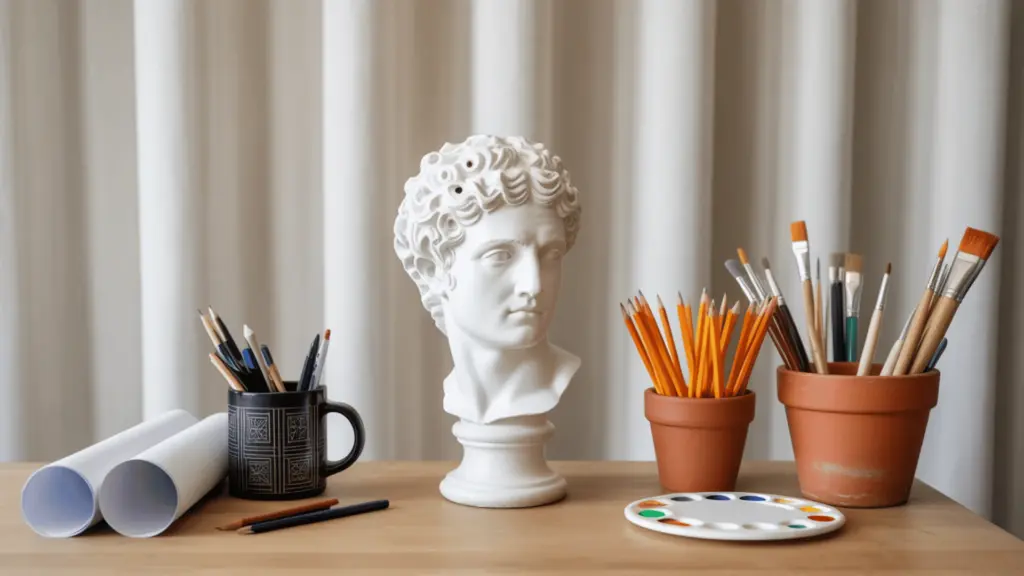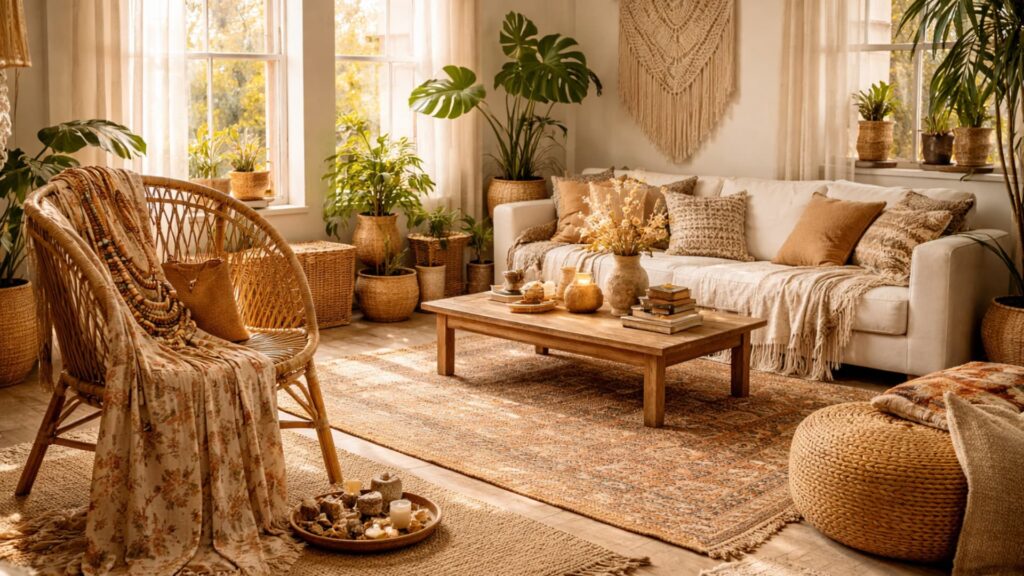
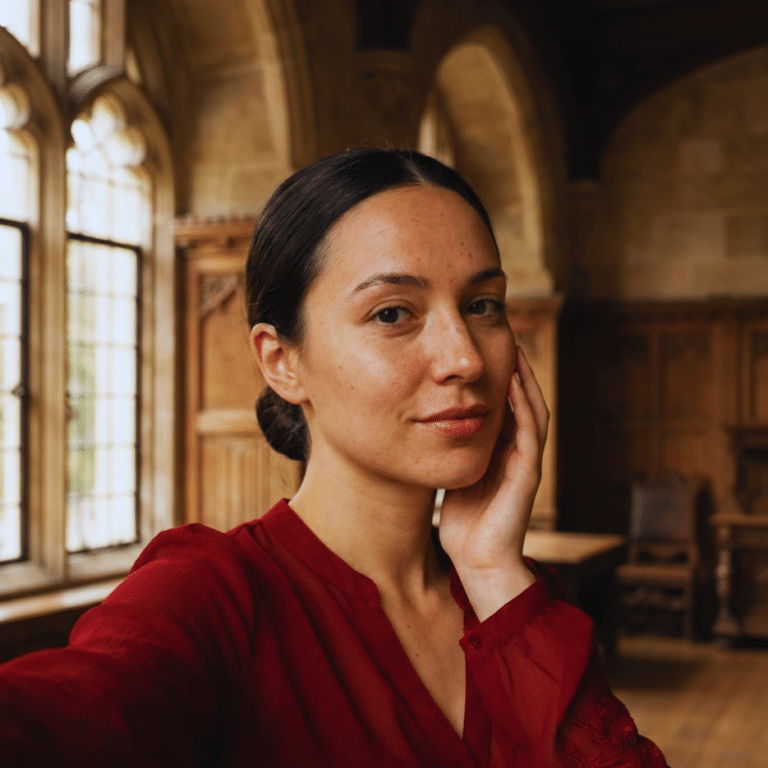
You might notice certain styles that feel relaxed, creative, and deeply personal. One of the most recognizable examples is the bohemian aesthetic, a style that reflects artistic expression, independence, and individuality.
As someone who writes about fashion and lifestyle regularly, I’ve noticed that this style keeps appearing in new ways across clothing, home decor, and creative spaces.
I often see people drawn to it because it feels natural and expressive rather than rigid or overly structured. In simple terms, this aesthetic blends layered clothing, natural materials, vintage elements, and meaningful objects into everyday life.
In this blog, you’ll learn where the style comes from, what cultural influences shaped it, and how it appears in fashion and lifestyle today.
I’ll also walk you through the visual features, different types of bohemian style, and simple ways you can bring this look into your clothing or living space.
Understanding Bohemian Aesthetic
Bohemian style describes a way of dressing, decorating, and living that centers on creative expression and personal freedom.
The idea first became popular in 19th-century Europe among artists, writers, and musicians who chose artistic life over social expectations. Their lifestyle valued imagination, art, and independence rather than wealth or strict rules.
In terms of appearance, this style often includes layered clothing, natural fabrics, handmade items, and patterns drawn from many cultures.
Earth-inspired colors, vintage pieces, and personal objects also play an important role. Homes and outfits often look relaxed and expressive rather than perfectly coordinated.
More than clothing or decor, bohemian style reflects a mindset that encourages individuality, creativity, and meaningful personal expression through everyday choices.
History and Cultural Origins of Bohemian Style

The Bohemian style has roots in creative communities that valued art, independence, and personal expression. The idea formed gradually and later spread across many cultures and creative movements.
Key points in the development of the style:
- Origins in 19th-Century Paris: Artists, writers, and musicians in Paris chose creative work over traditional social expectations. Their simple living and artistic focus shaped the early bohemian lifestyle.
- Meaning of the Word “Bohemian”: The term originally referred to the Romani people, who were believed to come from the Bohemia region. Over time, the word came to describe people who lived outside conventional society.
- Influence of Romani Culture: Elements often associated with the style include colorful textiles, handcrafted items, and layered clothing traditions.
- Spread Across Creative Communities: The ideas moved across Europe and North America, influencing writers, artists, and musicians in many cities.
- Evolution Over Time: Key moments include the Parisian art scene of the 1830s, creative communities of the early 1900s, Beat writers in the 1950s, the hippie movement of the 1960s–70s, a fashion revival in the early 2000s, and continued popularity in modern online culture.
Bohemian Lifestyle and Philosophy
Bohemian style goes beyond clothing or home design. It represents a way of living built around artistic expression and independence. Many people who follow this lifestyle place strong importance on self-expression. Art, music, writing, and handmade crafts often play a central role in daily life.
Another key idea involves living outside traditional expectations. Creative careers, flexible work, and independent thinking often shape this lifestyle. Instead of focusing mainly on wealth or status, many people value experiences over possessions. Travel, artistic activities, and cultural interests often take priority.
A connection with nature and personal reflection is also common. Natural surroundings, plants, and outdoor spaces often influence how people decorate their homes and spend their time. These ideas together create a lifestyle centered on creativity and personal freedom.
Visual Elements of Bohemian Style
Bohemian style uses natural colors, textured fabrics, and layered patterns to create a relaxed and expressive appearance.
| Element | Details |
|---|---|
| Color Palette | Earth tones such as terracotta, rust, olive green, and sand. Rich tones like emerald, sapphire, and burgundy also appear often. |
| Textures and Materials | Natural materials, including cotton, linen, suede, crochet, rattan, and wicker, create depth and warmth. |
| Patterns and Motifs | Common patterns include floral prints, paisley, geometric shapes, and embroidered fabrics. |
| Layering and Mixing Styles | Mixing textures, fabrics, and cultural influences forms an important part of the style. |
These features help create a relaxed look where fabrics, colors, and patterns work together in a personal way.
Bohemian Style in Fashion
Bohemian fashion focuses on relaxed clothing, natural fabrics, and layered accessories. The style often mixes vintage pieces with personal items to create a comfortable and expressive look.
Signature Clothing Pieces
Certain clothing items appear often in bohemian fashion because they create a relaxed and flowing look. Maxi dresses remain one of the most recognized pieces. Their loose shape allows movement and comfort while still looking stylish.
Peasant blouses with soft fabrics and simple embroidery also appear frequently. Crochet tops add texture and handmade character to outfits. Fringe jackets bring movement and visual interest.
Wide-leg pants provide comfort and balance with loose silhouettes. These pieces together form the base of many bohemian outfits and allow easy layering with other clothing.
Accessories That Define the Style
Accessories play a strong role in shaping a bohemian outfit. Layered necklaces are often worn together to create depth and personal meaning. Stacked bracelets, sometimes made from beads, leather, or metal, add texture and individuality.
Wide-brim hats help complete the relaxed look while also offering practical sun protection. Leather bags, often soft and slightly worn, are common because they add a natural feel to the outfit.
Many people choose handmade or vintage accessories, which help outfits feel unique and personal rather than perfectly matched or uniform.
Modern Boho Fashion
Modern bohemian fashion often combines older clothing influences with newer styles. Vintage fabrics, crochet work, and embroidered details remain popular, but they now appear with contemporary cuts and modern outfits.
For example, a crochet top may be worn with modern denim or tailored pants. Flowing dresses may be styled with simple sandals or minimalist footwear.
Many people also mix thrifted clothing with newer items. This approach allows individuals to keep the relaxed spirit of bohemian fashion while adapting it to current clothing trends and everyday wear.
Types of Bohemian Style and How to Create Them
Bohemian style appears in several forms. Each type uses similar ideas but expresses them through different colors, clothing choices, and decor.
1. Boho Chic

Boho chic represents a modern version of bohemian fashion that mixes relaxed clothing with current style influences. Flowing dresses, loose blouses, and wide-leg pants often appear in this look.
Soft fabrics such as cotton and lace help create a comfortable feel. Accessories such as layered necklaces, bracelets, and wide hats complete the outfit.
To create this style, combine relaxed clothing with simple modern pieces like denim or neutral shoes. Mixing vintage details with contemporary clothing keeps the look fresh while still maintaining the relaxed bohemian character.
2. Vintage Bohemian

Vintage bohemian style draws inspiration from older clothing and decor often found in thrift shops, antique stores, or family collections. Items such as embroidered dresses, crochet tops, and long skirts often appear in this version.
Soft fabrics, handmade details, and worn textures give the style a nostalgic feel. To create this look, choose clothing with older patterns, lace details, or traditional fabrics.
Vintage jewelry, leather bags, and classic hats can also help complete the outfit. Combining these pieces with simple clothing helps keep the style balanced and wearable.
3. Minimal Boho

Minimal boho offers a simpler interpretation of the bohemian style. Instead of many layers and bold patterns, this version uses fewer colors and cleaner shapes.
Neutral shades such as beige, cream, soft brown, and muted green often dominate the clothing and decor. Lightweight fabrics and relaxed silhouettes still maintain the comfortable bohemian feeling.
To create this look, choose a few natural materials and simple clothing pieces rather than many layers. A small number of accessories, such as a woven bag or simple jewelry, can still reflect the style without overwhelming the outfit.
4. Earthy Bohemian

Earthy bohemian style focuses strongly on nature-inspired colors and materials. Clothing and decor often include cotton, linen, leather, and woven fabrics.
Colors such as terracotta, rust, olive green, sand, and deep brown help create a grounded appearance. Natural textures such as wood, rattan, and handmade fabrics also appear often in homes and clothing.
To create this look, select clothing made from natural materials and combine them with earth-toned colors. Plants, wooden accessories, and woven items can also help reflect this nature-focused interpretation of bohemian style.
5. Festival Bohemian

Festival bohemian style is often seen at outdoor music events and summer gatherings. This version uses bright colors, expressive patterns, and playful accessories.
Flowing dresses, crochet tops, fringe jackets, and loose shorts often appear in these outfits. Accessories such as layered necklaces, bracelets, hats, and sunglasses help complete the look.
You can recreate this look by pairing comfortable garments with colorful fabrics and expressive accessories. The goal is to allow freedom of movement while still expressing personality through clothing, accessories, and creative combinations of patterns and textures.
How I Would Create a Bohemian Look
When I create a bohemian outfit, I don’t start with rules. I usually start with one piece that feels relaxed or artistic and build the rest of the look around it.
For me, bohemian style works best when it looks natural rather than carefully planned.
Many people in fashion communities often say the same thing: the easiest way to make a boho outfit look authentic is to mix everyday pieces with one or two expressive items instead of wearing a full “festival outfit” all at once.
Here’s the approach I personally follow when building a bohemian look.
Start with One Relaxed Base Piece
I usually begin with something loose and comfortable, like a flowing dress, wide-leg pants, or a soft cotton blouse. Bohemian clothing often uses natural fabrics such as cotton, linen, or crochet because they create movement and texture.
Starting with one relaxed piece keeps the outfit simple and makes layering easier.
Use Earthy Colors as the Foundation
Most of the bohemian outfits I put together rely on natural colors first. Shades like rust, olive green, sand, cream, or deep brown create that grounded feeling that people associate with boho style.
Once the base colors feel balanced, I sometimes add one richer shade like burgundy or emerald to give the outfit more depth.
Add Pieces that Look Collected, Not Perfectly Matched
One thing I’ve noticed people often mention in fashion forums is that bohemian style looks better when items feel “collected over time.” That’s why I like mixing thrifted clothing, vintage accessories, and newer pieces.
Instead of matching everything perfectly, I usually combine different textures, like a crochet top with denim or a suede jacket with a simple dress.
That small contrast often makes the outfit feel more natural and personal.
Layer Accessories Slowly
Accessories are where a bohemian outfit really becomes unique. I usually start with one piece, like a pendant necklace or leather bag, and then add another layer if the outfit still feels simple.
Layered necklaces, stacked bracelets, and wide-brim hats are common choices because they add personality without changing the entire outfit.
In many cases, just one or two accessories are enough to create that relaxed boho feel.
Let the Outfit Reflect Personal Interests
For me, the most interesting bohemian outfits always include something personal. It might be a handmade bracelet, a vintage ring, or a scarf collected during travel.
Small items like these make the look feel expressive rather than styled only for appearance.
Bohemian Style vs Similar Styles
Several styles share visual similarities with bohemian fashion and decor. The table below highlights key differences between these styles and how they express design ideas.
| Style | Key Features | Main Difference |
|---|---|---|
| Bohemian Style | Layered clothing, natural fabrics, mixed patterns, handmade items | Focuses on creative expression and relaxed personal styling |
| Hippie Style | Bright colors, tie-dye clothing, loose garments, peace symbols | Strong connection to 1960s social movements and counterculture |
| Cottagecore | Soft colors, rural inspiration, simple dresses, nature themes | Emphasizes countryside living and traditional rural life |
| Vintage Style | Clothing and decor from specific past decades | Focuses on historical fashion periods rather than mixed influences |
Understanding these differences helps people recognize how bohemian style stands apart through its relaxed appearance, layered fabrics, and artistic inspiration.
Why the Bohemian Style Remains Popular
Bohemian style continues to attract attention because it allows strong personal expression through clothing, decor, and daily lifestyle choices.
Many people appreciate its close connection with creativity, since art, music, handmade items, and personal objects often shape the overall look.
The style also remains flexible, making it suitable for a range of areas, including fashion, home design, and creative hobbies. Individuals can adjust colors, fabrics, and accessories based on their own taste without following strict rules.
Another reason for its lasting appeal is the way it reflects personal identity.
Clothing, decor pieces, and collected items often tell a personal story. This freedom to combine textures, colors, and cultural influences helps keep the style relevant for new generations while still honoring its artistic roots.
Summing Up
By now, you’ve seen how bohemian style grew from artist communities into a widely recognized way of dressing, decorating, and living.
I’ve walked you through its history, cultural roots, visual elements, and the different ways it appears in fashion and lifestyle.
You also learned practical ideas that can help you build your own relaxed and expressive look using natural fabrics, layered textures, and personal items.
If this approach resonates with you, try adding a few elements to your clothing or home. I’d also love to hear how you interpret this style. Share your thoughts or ideas in the comments.