Ever stood in front of a wedding invite thinking, “What on earth does semi-formal vs formal wedding attire actually mean for me? I know that moment well, when you’re trying to decide between looking too dressed up or not dressed enough, and everything in your wardrobe suddenly feels wrong.
You and I both know the stress usually comes from not having a clear reference point, not a lack of style. Semi-formal vs. formal wedding attire can feel confusing because the rules sit in a grey area rather than a strict checklist.
In the next few minutes, you and I will make sense of that confusion together, breaking down what each dress code really looks like in real outfits, how fabrics and colors change the level of formality, and how to quickly decide what works for different venues.
Semi-Formal vs Formal Wedding Attire for Wedding Guests: Meaning and Core Difference
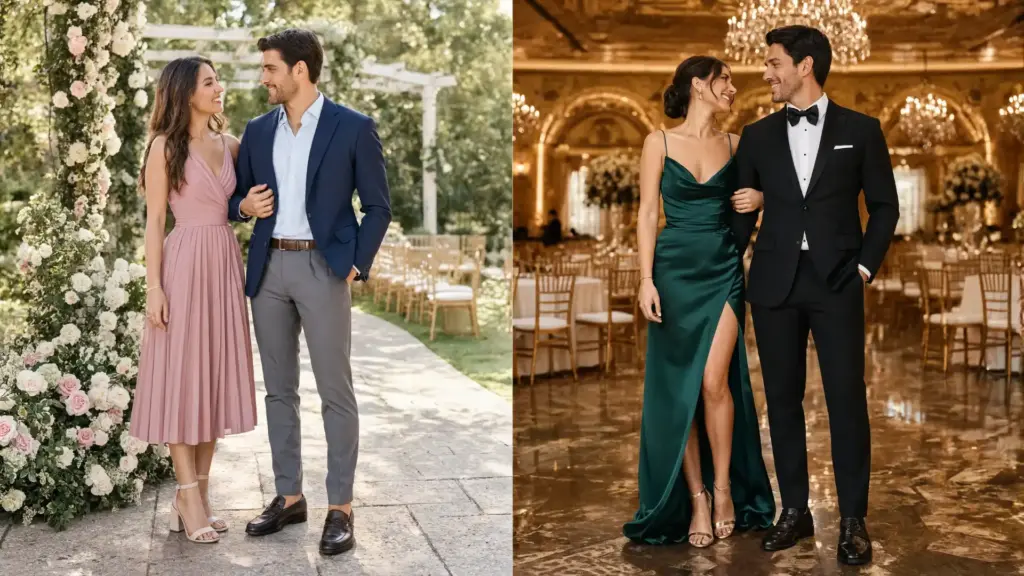
Semi-formal and formal wedding attire are often confused because the line between them is not always obvious from the invitation alone. Semi-formal wedding attire covers cocktail dresses, midi dresses, well-fitted suits, and dressy separates, giving guests more flexibility in how they put a look together.
Formal wedding attire sits a level higher, typically calling for floor-length gowns, tuxedos, and structured evening looks with refined silhouettes and controlled styling.
The real difference between the two shows up in fabric quality, color depth, and overall finish rather than in the category of clothing alone. A midi dress in matte cotton reads semi-formal.
The same silhouette in silk charmeuse with a tailored finish reads formal. Understanding that distinction makes wedding dress code decisions far easier and keeps you from either overdressing or showing up underdressed.
I remember getting a wedding invite once that simply said ‘semi-formal,’ and I stood in front of my wardrobe for almost 20 minutes just staring. I had a dress I loved, but suddenly it felt either too simple or too dressed up, and I kept changing my mind.
Semi-Formal vs Formal Wedding Attire Comparison
Before reviewing the table, note that the key differences lie in structure, fabric depth, and event timing. Semi-formal allows more variation, while formal dressing follows stricter styling rules.
| Detail | Semi Formal | Formal |
|---|---|---|
| Dress Level | Polished with flexibility | Structured and refined |
| Women | Cocktail dress, midi dress, jumpsuit | Floor-length gown, evening dress |
| Men | Suit or blazer with trousers | Dark suit or tuxedo |
| Venue | Outdoor, garden, restaurant | Hotel, ballroom, estate |
| Overall Look | Relaxed polish | Controlled finish |
After reviewing the comparison, outfit selection becomes easier when venue and timing are considered first, followed by fabric and color choices.
Formal Wedding Outfit Ideas for Men and Women
Formal wedding outfit ideas should feel polished, structured, and appropriate for the setting, with refined fabrics, clean tailoring, darker tones, and balanced accessories guiding each choice.
Formal Outfit Ideas for Women

Formal women’s outfits often rely on longer silhouettes, richer fabrics, and controlled color palettes. A floor-length satin gown paired with minimal heels works well for evening weddings. Black crepe gowns offer a clean finish without heavy detailing.
Jewel tones like emerald or burgundy also fit formal settings. In less formal events, a refined midi dress can work when paired with polished footwear and simple jewelry that avoids heavy layering. If you want a sense of how far formal dressing can be pushed, red carpet best dressed Met Gala looks are a good place to study structure and drama at the highest level, even if you tone it down for a wedding.
Formal Outfit Ideas for Men

Men’s formal outfits focus on clean tailoring and darker tones. A charcoal or navy suit with a white shirt creates a reliable base. Adding a silk tie or bow tie increases formality. A black suit or tuxedo is appropriate for evening ceremonies or black-tie-optional settings.
Polished leather shoes complete the look. Subtle accessories like a pocket square or classic watch help maintain balance without drawing unnecessary attention away from the overall outfit.
Semi-Formal Wedding Outfit Ideas for Men and Women
Semi-formal wedding outfit ideas work best when they balance comfort, polish, and dress-code flexibility, giving guests room to look dressed up without feeling overly formal.
Semi-Formal Outfit Ideas for Women

Semi-formal women’s outfits allow more variation in design, fabric, and color. A floral midi dress paired with block heels works well for daytime weddings.
Satin slip dresses provide a clean yet relaxed look for evening events. Jumpsuits in structured fabrics also fit semi-formal settings. Light prints, soft tones, and breathable materials keep the outfit balanced. Accessories should remain simple, focusing on small bags and minimal jewelry for a controlled finish.
Semi-Formal Outfit Ideas for Men

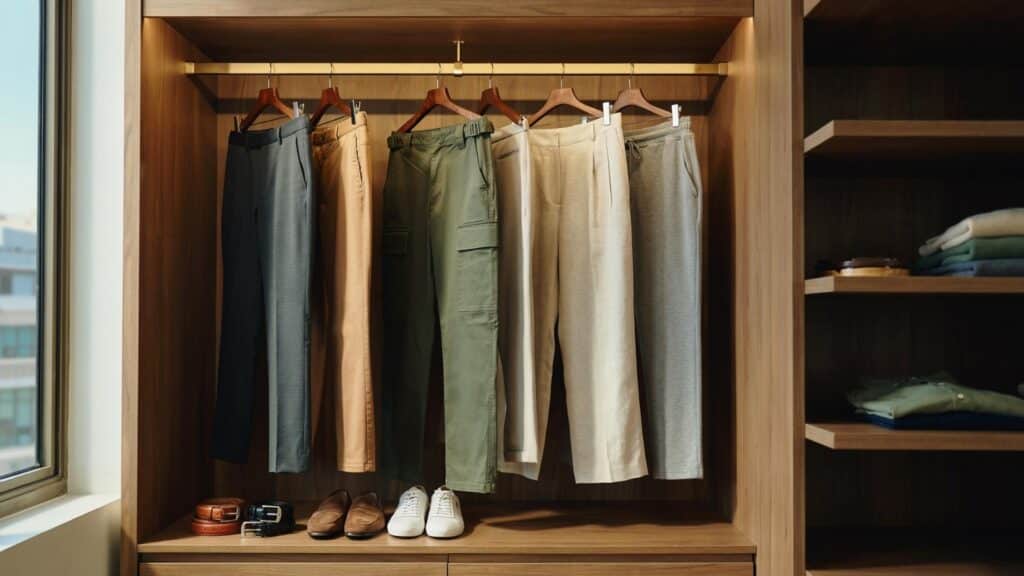
Men’s semi-formal styling often centers on suits or blazer combinations. A navy suit with loafers offers a balanced look for most weddings. Grey suits with patterned ties bring subtle detail without becoming overly formal.
For daytime weddings, lighter tones like tan or olive suits work well. Blazers paired with tailored trousers also fit semi-formal expectations, especially when matched with clean shoes and simple accessories for a composed appearance.
Best Fabrics and Patterns for Semi-Formal vs Formal Wedding Attire
Fabric selection plays a major role in how formal or relaxed an outfit feels. Texture and pattern also affect overall styling balance.
| Category | Semi Formal | Formal |
|---|---|---|
| Women Fabrics | Satin, chiffon, crepe, blends | Silk, velvet, fine lace |
| Men Fabrics | Wool blends, cotton shirts | Fine wool, velvet jackets |
| Patterns | Small prints, subtle florals | Solid tones, tone-on-tone textures |
| Avoid | Denim, casual cotton | Rough fabrics, loud prints |
After reviewing fabric differences, outfit planning becomes more precise, especially when matching texture with venue type and time of day.
Best Colors for Semi-Formal vs Formal Wedding Attire
Color choices can quickly change how semi-formal or formal wedding attire feels, so it helps to match the shade with the dress code, venue, season, and time of day. Getting this right matters at other formal occasions too. The same color logic comes up when you’re figuring out what to wear to a funeral, where tone and depth carry just as much weight as the outfit itself.
Semi-Formal Colors

Semi-formal color palettes often feature softer, lighter tones. Shades like dusty rose, sage, lavender, and soft blue work well for daytime weddings.
Evening semi-formal outfits may feature deeper tones such as wine, olive, or forest green. Men often wear navy, grey, tan, or brown suits. Bright neon shades or white tones should be avoided since they can appear too close to bridal styling or casual streetwear.
Formal Colors

Formal color choices lean toward deeper and more controlled tones. Black, navy, charcoal, emerald, and burgundy are commonly used for evening weddings. Women may also use deep plum or dusty blue for softer formal settings.
Men typically rely on dark suits in black or navy. Very light or overly bright colors should be avoided as they reduce the formal impact of the outfit and may feel out of place in structured venues.
Footwear for Semi-Formal vs Formal Wedding Attire
Footwear completes the overall outfit and should always match both the dress code and the venue. Semi-formal shoes prioritize comfort with style flexibility, while formal shoes focus on structure, polish, and cleaner finishes suited for refined settings. This section explains footwear choices more concisely, focusing on key differences across dress codes and venue types:
| Guest | Semi Formal | Formal |
|---|---|---|
| Women | Block heels, dressy flats, low heels | Pumps, stilettos, formal sandals |
| Men | Loafers, brogues, Derby shoes | Oxford, patent shoes, polished Derbies |
| Outdoor Weddings | Wedges, block heels, flat sandals | Stable heels, closed formal shoes |
| Indoor / Ballroom | Clean loafers, refined flats | Oxford, heels, formal pumps |
Semi-formal footwear allows for easier movement in outdoor and relaxed settings, while formal footwear emphasizes clean structure and refined finishes for indoor or evening ceremonies. Choosing based on venue conditions ensures both comfort and style stay aligned throughout the event.
Accessories for Semi-Formal vs Formal Wedding Attire
Accessories are the finishing touch that balances an outfit. The right choices can elevate a semi-formal or formal look, but the wrong ones can make it feel mismatched. Semi-formal weddings allow for playful or slightly relaxed accessories, while formal events require refined and understated pieces to maintain elegance.
| Guest | Semi Formal | Formal |
| Women | Small shoulder bags, simple necklaces, minimalist earrings, hair clips, light wraps | Clutch or structured evening bag, fine or minimal jewelry, evening wrap, polished hair accessories |
| Men | Patterned or colorful ties, casual pocket square, classic watch | Silk tie or bow tie, cufflinks, plain pocket square, dress watch |
For women, semi-formal accessories can include statement earrings or a delicate bracelet to add personal style, but should remain proportionate to the outfit. For formal events, choosing fine or minimal jewelry ensures the look feels polished and balanced.
Men should select ties, watches, and pocket squares that complement the outfit and the event’s tone; semi-formal allows patterns, while formal favors classic, muted choices. Overall, accessories should enhance the outfit without competing for attention.
How Time and Venue Change the Dress Code
Time and venue can change how dressed-up an outfit should feel, since a daytime garden wedding calls for different choices than an evening ballroom or hotel event.
1. Daytime Weddings

Daytime weddings usually allow lighter colors and breathable fabrics. Semi-formal outfits can include softer prints and relaxed tailoring.
Formal outfits still require structure but may use lighter tones compared to evening settings. Heavy fabrics or overly dark colors may feel out of place during morning or afternoon ceremonies, so balance becomes important when selecting outfit materials and color depth.
2. Evening Weddings

Evening weddings increase the need for darker tones and more structured outfits. Semi-formal looks should become slightly sharper with deeper colors.
Formal outfits usually reach full structure during evening events, with gowns, tuxedos, and darker suits. Lighting conditions also influence how outfits are perceived, making refined fabrics and cleaner silhouettes more suitable for evening ceremonies held indoors or in controlled venues.
3. Outdoor, Beach, or Garden Venues

Outdoor venues require practical styling choices. Semi-formal outfits can include flowy fabrics and comfortable shoes suitable for grass or sand. Formal outfits must still maintain structure, but should adapt footwear for stability.
Wedges, low heels, or polished flats work better in outdoor environments. Avoiding fragile footwear prevents discomfort and helps maintain balance throughout the event.
I once showed up slightly overdressed for what turned out to be a relaxed garden wedding. While I didn’t look out of place, I definitely felt like I had misread the vibe compared to others in lighter, more casual outfits.
What Not to Wear to Semi-Formal or Formal Weddings
Weddings have clear dress codes, and certain outfit choices can feel too casual, distracting, or inappropriate, regardless of personal style.
Semi-formal weddings still require a polished appearance, while formal weddings demand stricter adherence to refined clothing standards. Avoiding the wrong pieces ensures the focus stays on the couple and the celebration, not individual styling missteps.
- White, ivory, or bridal-like outfits: Avoid anything that can be mistaken for bridal wear, including light cream dresses, white suits, or heavily embellished pale outfits that compete with the bride’s look.
- Denim, shorts, or casual streetwear: Jeans, denim jackets, cargo pants, shorts, or relaxed everyday clothing feel too informal for both semi-formal and formal settings.
- Sneakers, flip-flops, or sporty footwear: Athletic shoes, rubber sandals, or beach flip-flops reduce the overall dress level and clash with wedding attire expectations.
- Graphic t-shirts, hoodies, or casual tops: Printed tees, hooded sweatshirts, and everyday cotton tops lack the structure needed for wedding dress codes.
- Overly loud prints or club-style outfits: Extremely bright patterns, flashy partywear, or nightclub-inspired clothing can feel distracting in a wedding setting.
- Worn-out or casual shoes: Scuffed loafers, faded sandals, or everyday-worn footwear can make even a well-chosen outfit look unfinished or careless.
Outfit choices should always align with the event and respect the couple’s celebration. Keeping styling clean, balanced, and appropriate ensures the dress code is followed without drawing unnecessary attention.
Semi-Formal vs Formal vs Cocktail
Wedding dress codes often overlap, which creates confusion when invitations are not very detailed. Semi-formal sits in the middle with flexibility, cocktail leans toward party-ready styling, and formal focuses on refined, structured dressing.
Some invitations lean even more relaxed and specify a smart casual dress code instead, which sits a notch below semi-formal on the same scale. Understanding these differences helps avoid underdressing or overdressing at wedding events.
| Dress Code | Meaning | Best Outfit Choice | Styling Level |
|---|---|---|---|
| Semi Formal | Polished but flexible, balanced between casual and dressy | Midi dress, jumpsuit, suit, blazer with trousers | Moderate structure, comfortable polish |
| Cocktail | Party-focused dress code with sharper styling expectations | Cocktail dress, sleek jumpsuit, fitted suit with tie | Sharp, slightly playful, evening-ready |
| Formal | Refined and structured dressing for upscale weddings | Floor-length gown, tuxedo, dark suit with polished shoes | High structure, controlled styling, minimal casual elements |
When deciding between these dress codes, venue and timing matter the most. Evening ballroom weddings often lean toward formality, while restaurant or city weddings may call for a cocktail style. Semi-formal remains the safest middle ground when the invitation does not clearly specify strict expectations.
How to Choose When the Invite Feels Unclear
Start by carefully checking the wedding website or invitation details. Venue type and time of day often provide strong clues. Outdoor daytime weddings usually lean toward semi-formal attire, while evening ballroom events lean toward formal attire.
When uncertainty remains, selecting a slightly more refined outfit is often safer. Direct communication with the couple or planner can also help clarify expectations before final outfit selection. The same instinct applies outside weddings too. When I’m second guessing an outfit for something like dressing for a court appearance, I default to the more polished option rather than the more relaxed one.
Another helpful approach is to match the overall tone of the invitation and event visuals. If the invite design feels minimal and traditional, formal dressing is usually expected.
If the wording feels relaxed or the event is set in a casual outdoor venue, semi-formal attire is a better fit. When still unsure, it is better to be slightly overdressed than underdressed, as wedding settings generally favor more polished appearances over casual ones.
There was also a time when I left outfit planning till the night before, and I kept switching between a suit and a blazer combo. I ended up going slightly more formal just to be safe, and honestly, it saved me from second-guessing all evening.
Final Wedding Guest Checklist
Before heading out, a final outfit review helps avoid common styling mistakes and ensures everything feels appropriate for the occasion. Wedding dressing is not only about choosing the right outfit but also about confirming that every detail works together in a balanced way. This checklist can be used as a quick final step before leaving for the event.
- Dress Code Match: Confirm the outfit clearly aligns with semi-formal, cocktail, or formal expectations mentioned in the invitation or wedding details.
- Color Appropriateness: Ensure colors feel suitable for a wedding setting and avoid anything too bridal-like, overly bright, or distracting.
- Fabric Suitability: Check whether the fabric matches the event’s formality level, such as lighter fabrics for semi-formal and richer materials for formal events.
- Shoe and Venue Fit: Make sure footwear works with the venue type, including outdoor stability or indoor polished finishes.
- Accessory Balance: Keep jewelry, bags, and add-ons coordinated without overpowering the outfit or creating visual clutter.
- Comfort and Movement: Confirm the outfit allows easy sitting, walking, and dancing without discomfort or restriction.
- No Bridal Elements: Double-check that nothing resembles bridal wear, including white-heavy outfits or overly formal gown-like pieces, unless specifically requested.
A final review of these points helps create a well-balanced wedding guest look that feels appropriate, comfortable, and aligned with the event setting.
Frequently Asked Questions
What is the difference between semi-formal and formal wedding attire?
Semi-formal means cocktail dresses, midi dresses, or a suit and blazer combination. Formal calls for floor-length gowns and tuxedos or dark suits. The real difference comes down to fabric quality, color depth, and how structured the silhouette is, not just the category of clothing.
Can I wear a midi dress to a semi-formal wedding?
Yes. A midi dress is one of the most reliable semi-formal choices for women. I’d lean toward satin, chiffon, or crepe over matte cotton, and pair it with block heels or dressy flats depending on whether the venue is indoor or outdoor.
Is a suit without a tie okay for a semi-formal wedding?
It can work for a daytime or outdoor semi-formal wedding, especially with a lighter suit in tan or olive. For evening semi-formal events, I’d add a tie or bow tie since the dress level tends to shift sharper once the sun goes down.
What colors should I avoid at a formal wedding?
Skip white, ivory, and anything that reads bridal. Very bright or neon shades also clash with the controlled palette formal weddings call for. Stick to black, navy, charcoal, emerald, or burgundy, and save the lighter, brighter tones for daytime semi-formal events.
What shoes work for an outdoor semi-formal wedding?
Wedges, block heels, or flat sandals hold up best on grass or sand for women. Men do well in loafers or brogues rather than anything with a slick sole. Formal outdoor weddings still need a stable heel or a closed formal shoe for the same reason.
Is it better to be overdressed or underdressed for a wedding?
Slightly overdressed. I’ve made both mistakes, and leaning too casual reads worse than leaning too polished. If the invitation does not specify a dress code clearly, I default to the more refined option and adjust once I see the venue or timing details.
What is the difference between cocktail and semi-formal wedding attire?
Cocktail sits closer to party-ready styling with sharper, evening-focused pieces like a fitted suit with a tie or a sleek cocktail dress. Semi-formal is more flexible and comfortable, covering midi dresses, jumpsuits, or a blazer with trousers for a more relaxed polish.
The Final Look
Choosing between wedding dress codes becomes easier once you can see the differences clearly, rather than guessing from the invite. You and I have looked at how semi-formal vs. formal wedding attire differs in structure, fabrics, colors, and footwear, and how venue and time shift expectations.
Semi-formal gives you flexibility, while formal asks for sharper, more refined choices. When things feel unclear, checking the setting and slightly leaning more polished helps you stay confident without overthinking.
This makes dressing for weddings less stressful and more intentional for you overall. I use this as a quick guide, and you can try it too, share your thoughts, or explore more outfit ideas. Drop a comment below and let me know whether you prefer formal or semi-formal.