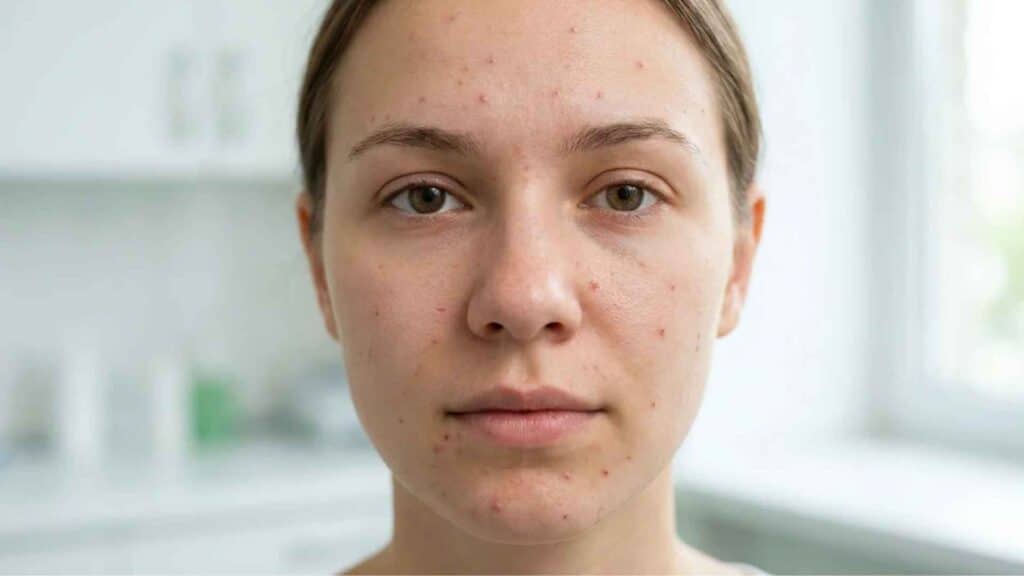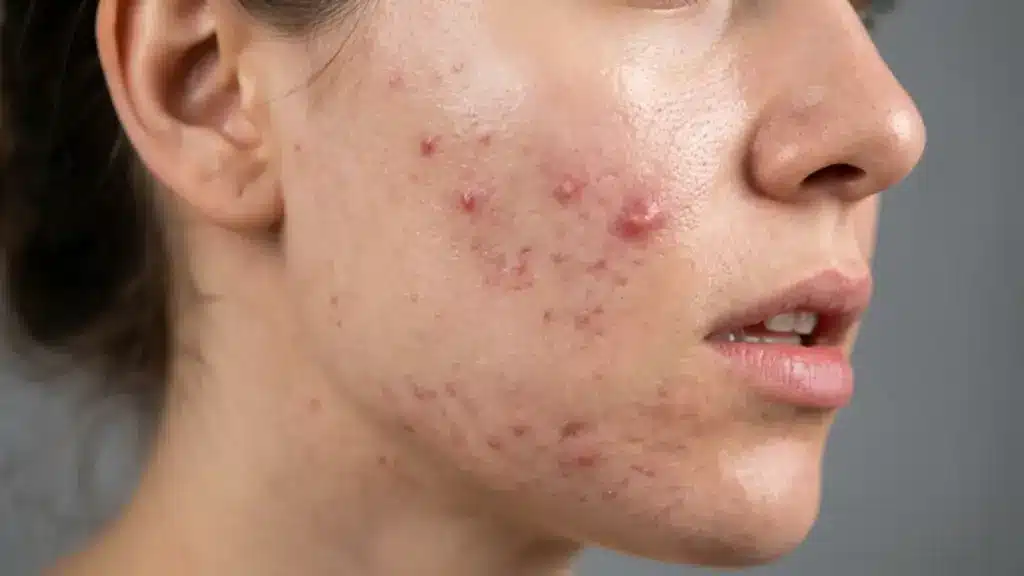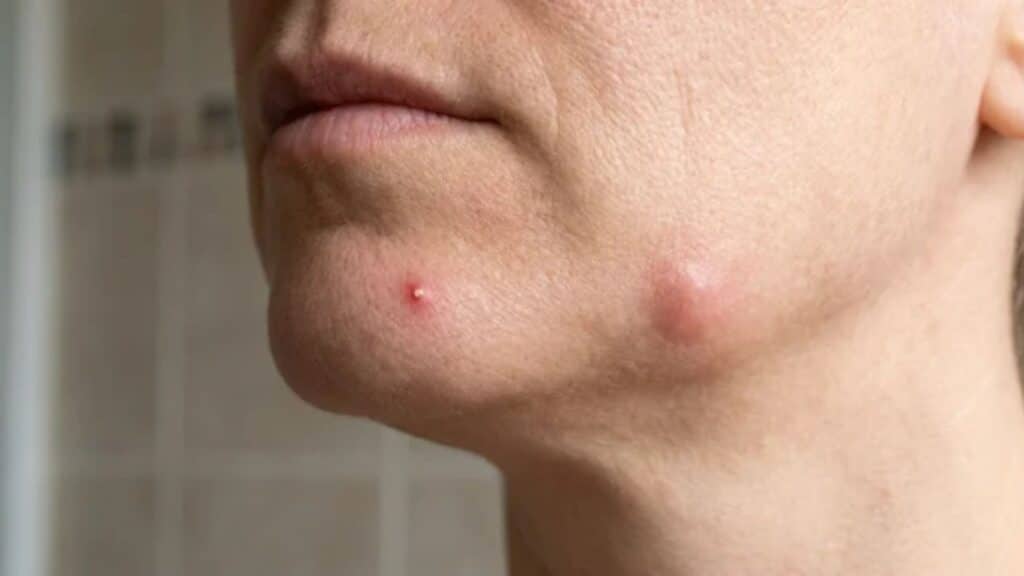

If you’ve ever had a sudden breakout right before an important day, you probably understand how quickly you want it to go away.
I’ve dealt with the same frustration, which is why pimple patches always feel like a simple, easy solution. But many people still wonder how long pimple patches take to work and what results they can realistically expect.
Dont worry, today I’ll help you understand your skin better by breaking down what happens after you apply a patch, when you can expect visible changes, and why results vary depending on the type and stage of the pimple.
I’ll also share practical insights from real-world use, so you can set realistic expectations and avoid common mistakes that slow healing.
How Long Do Pimple Patches Take to Work?
Pimple patches have become one of the most popular quick fixes for acne, especially for sudden breakouts that appear at the worst possible time. Many people use them expecting fast, overnight improvement, but the actual results depend on the type of acne and how early the patch is applied.
In most cases, pimple patches begin showing visible improvement within about 6 to 12 hours, particularly for surface-level whiteheads that contain fluid. These often look flatter and less inflamed after overnight use.
Inflamed pimples usually respond more slowly and may take 24 to 48 hours to show noticeable changes, while deeper acne can require several days of repeated application for gradual improvement.
Overall, pimple patches don’t work the same for every breakout, but they are effective for reducing redness, absorbing excess fluid, and supporting faster healing when used correctly and consistently.
How do Pimple Patches Work?
Pimple patches are designed with hydrocolloid technology, commonly used in wound care to promote faster, cleaner healing of minor skin issues. When applied correctly, they help manage active breakouts by creating a controlled environment that supports the skin’s recovery process without external disturbance.
- Absorb pus and oil from active pimples to reduce swelling and visible buildup.
- Create a protective barrier that shields the skin from bacteria and dirt
- Prevent touching or picking, helping reduce irritation and potential scarring
- Support a cleaner healing process by maintaining a stable environment over the blemish
- Some advanced versions include salicylic acid or tea tree oil for added acne-fighting benefits
These combined actions make pimple patches a practical spot-treatment option for managing surface acne. While they do not treat all types of breakouts, they effectively support healing conditions, making the skin appear calmer and less irritated with consistent use.
Types of Pimple Patches & Their Effectiveness

Different types of pimple patches are designed to target specific acne concerns, and their effectiveness varies based on how deeply the breakout is formed and what kind of treatment it requires. Understanding these differences helps you choose the right patch for better, more consistent results.
- Hydrocolloid patches: Absorb fluid like pus and oil while protecting skin, best for whiteheads and surface pimples
- Microneedle patches: Deliver active ingredients deeper into the skin, effective for early-stage deep acne
- Medicated patches contain acne-fighting ingredients like salicylic acid, which is helpful for inflamed or persistent breakouts.
- Herbal patches: Focus on calming and soothing irritated skin, best for mild or sensitive skin reactions
Each pimple patch type serves a different purpose, which is why results can vary significantly from one product to another. Choosing the right option based on acne type and skin needs is essential for achieving faster, more targeted, and more reliable improvements. Choosing the right type directly impacts results.
Hour-by-Hour Healing Process
Understanding how quickly pimple patches work helps set realistic expectations and makes it easier to track visible skin changes throughout the healing process.
| Timeframe | What Happens |
|---|---|
| 0–2 hours | Patch adheres to the skin and forms a protective seal |
| 2–6 hours | Fluid from the pimple begins collecting under the patch |
| 6–8 hours | Whiteheads start flattening with visible reduction |
| 8–12 hours | Redness decreases, and skin appears calmer |
| 24–48 hours | Inflammation reduces, and the skin begins to dry and heal |
This timeline shows that pimple patches don’t work instantly but follow a steady healing process. Most visible changes happen overnight, while complete improvement may take one to two days, depending on acne type and skin condition.
How Pimple Patches Work on Different Types of Pimples
Patches work best on whiteheads, drawing out surface fluid within hours. Inflamed pimples improve more slowly, often needing repeat patches over a day or two.
Cystic, hormonal, and blackhead breakouts barely respond since they sit too deep or lack enough fluid to draw out. Patches suit surface-level, fluid-filled breakouts best, acting as a protective aid rather than a full treatment.
1. Whiteheads
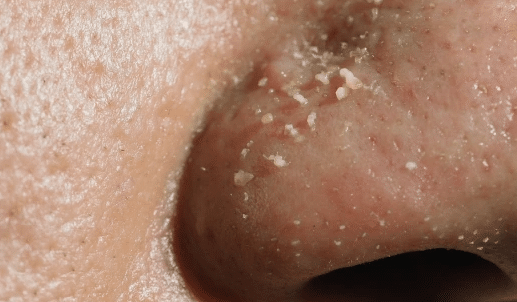
Whiteheads are surface-level pimples filled with pus trapped under a thin layer of skin, usually white or yellow at the center and slightly raised on the skin’s surface.
Best patch to use: Hydrocolloid patches
These work best because they absorb fluid directly from the pimple.
Hydrocolloid patches help flatten whiteheads quickly by pulling out pus and oil. They also protect the area from bacteria and prevent picking, which reduces the risk of scarring.
2. Inflamed Pimples (Red, Swollen Bumps)

These pimples are deeper than whiteheads and appear as red, painful, and irritated bumps that develop beneath the skin surface. They may or may not contain visible pus and often take longer to heal compared to surface-level acne.
Best patch to use: Medicated hydrocolloid patches (with salicylic acid or tea tree oil)
Standard hydrocolloid patches can still help, but medicated ones work better.
These patches reduce redness and swelling while protecting the area. However, results are slower than with whiteheads because the inflammation is deeper.
3. Papules (Small Red Bumps Without Pus)

Papules are early-stage inflamed pimples that appear as small, red, firm bumps on the skin and are not filled with fluid or pus, making them one of the most common initial forms of acne inflammation.
Best patch to use: Hydrocolloid or medicated patches
Hydrocolloid patches mainly act as a protective barrier here. Medicated patches can slightly reduce inflammation, but the results are limited because there is no fluid to absorb. Since papules often leave visible redness, knowing how to calm those red spots quickly helps once the bump itself has faded.
4. Pustules (Pimples With Visible White Tip)

Pustules look like whiteheads surrounded by red, inflamed skin and are slightly deeper than surface pimples but still remain within the upper layer of the skin, where pus is visible at the center.
Best patch to use: Hydrocolloid patches
These respond well because they contain pus that the patch can absorb. You may notice flattening within 6–12 hours, especially overnight.
5. Cystic Acne (Deep, Painful Pimples)

Cystic acne forms deep under the skin and feels like hard, painful lumps that develop without a visible head or surface fluid and often take a long time to heal completely.
Best patch to use: Microneedle patches (early stage only)
Standard hydrocolloid patches are not very effective here.
Microneedle patches can deliver active ingredients deeper into the skin and may help reduce early inflammation. However, severe cystic acne usually needs dermatological treatment.
6. Blackheads (Clogged Pores Without Inflammation)
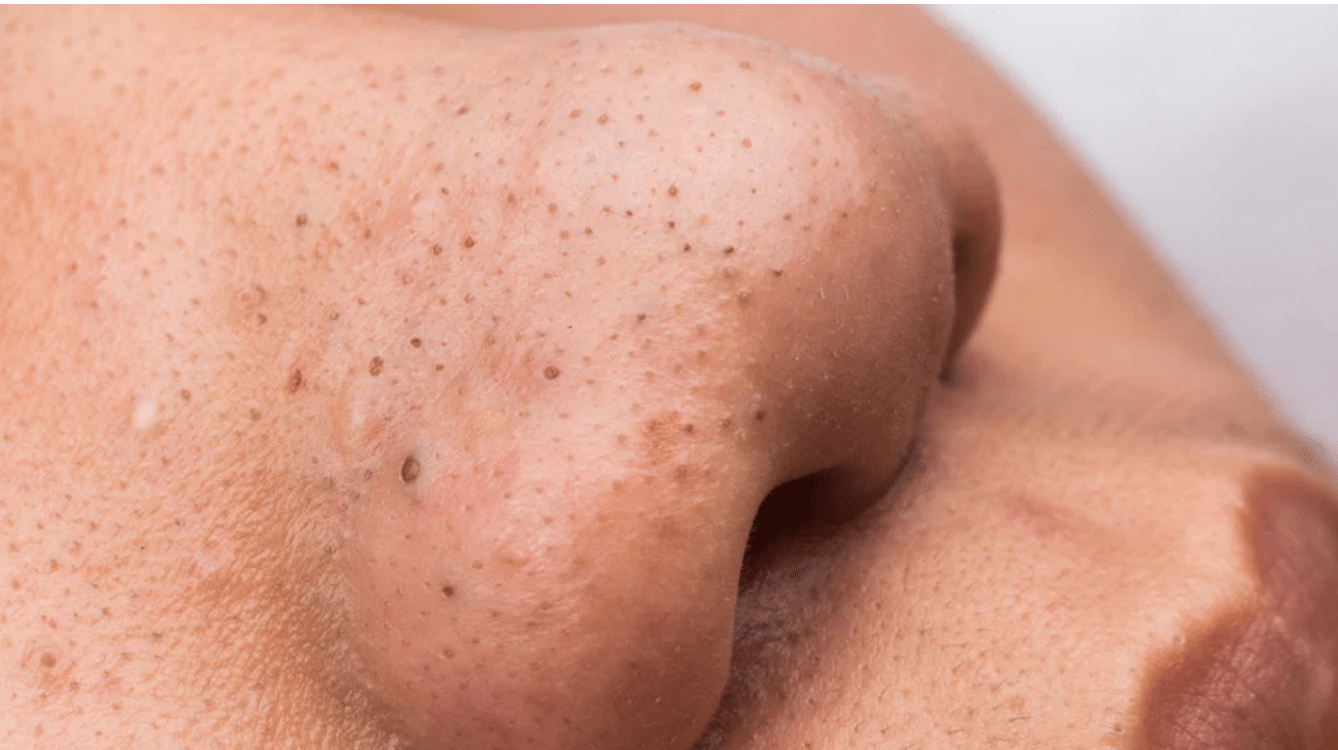
Blackheads are open clogged pores where oil and dead skin oxidize and turn dark, usually appearing on the nose, chin, and forehead due to excess sebum buildup in the pores.
Best patch to use: Not effective (generally not recommended)
Hydrocolloid patches do not work well because there is no pus or fluid to absorb. Exfoliation or salicylic acid treatments are more effective, and steaming the skin before applying salicylic acid is one of the fastest ways to soften stubborn clogs on the nose.
How Skin Type Affects Pimple Patch Results
Skin type plays a supporting role in how pimple patches perform, mainly by influencing oil levels, hydration, and how well the patch stays sealed on the skin. While acne type matters more, understanding skin behavior helps set realistic expectations and improve results with correct application.
| Skin Type | How It Affects Results | Patch Behavior | Key Outcome |
|---|---|---|---|
| Oily Skin | Higher sebum levels can speed up absorption | Patches may fill faster but need clean, dry skin for strong adhesion | Faster visible flattening, especially for whiteheads |
| Dry Skin | Less oil and fluid reduces the absorption speed | Patches stick well but may show a slower visible change | Gradual improvement with strong protection |
| Combination Skin | Mixed oil levels across face zones | Oily areas respond faster than dry areas | Uneven but balanced results depending on the zone |
| Sensitive Skin | Skin reacts easily to irritation | Patches reduce picking and friction effectively | Comfort-focused improvement, slower visible change |
Overall, skin type affects how quickly results appear, but not whether pimple patches work. The biggest factor is still correct application on clean, dry skin and matching the patch to the right acne type. With consistent use, all skin types can achieve steady improvement and clearer-looking skin over time.
Do Pimple Patches Work Better Overnight?
Yes, pimple patches often work best overnight because the skin remains untouched for several hours, allowing uninterrupted healing.
During sleep, reduced oil transfer and the absence of physical contact help the hydrocolloid absorb fluid more effectively. Most surface pimples show visible flattening after a full night of use, usually within 6–12 hours.
However, deeper acne may still require repeated application beyond a single night.
They work by creating a protective hydrocolloid barrier that draws out pus and excess fluid while shielding the pimple from bacteria, fingers, and friction.
This is especially effective for whiteheads and small surface breakouts, but less effective for deep cystic acne that forms beneath the skin layers and requires longer treatment cycles over several days of consistent use.
User Discussions on Effectiveness of Pimple Patches

Reddit skincare discussion in which users share real experiences and opinions about different acne patches and their effectiveness. Several commenters discuss their preferred brands, such as Hero and PanOxyl, while others explain that results depend on the type of pimple being treated.
Some users mention that hydrocolloid patches work well on surface-level breakouts, especially when used overnight, while microneedle patches may help bring deeper pimples to the surface.
The conversation reflects mixed but generally positive feedback, highlighting that pimple patches can be useful but are not equally effective for all acne types.
Overall, it captures real user-driven insights, showing how people experiment with different products and techniques to manage breakouts and improve healing outcomes in everyday skincare routines.
How to Use Pimple Patches Correctly
Using pimple patches correctly plays a major role in their effectiveness, as proper application ensures better adhesion, absorption, and overall support for healing active breakouts.
- Apply directly over the active blemish to ensure targeted treatment
- Avoid layering skincare products underneath the patch
- Make sure the patch forms a complete seal on the skin surface
- Replace the patch once it becomes saturated for continued effectiveness
- Use consistently on active breakouts for more reliable results
Correct usage helps pimple patches perform at their best by improving absorption and maintaining a protective barrier over the skin. When applied properly and consistently, they can more effectively support healing, reduce irritation, and improve the overall appearance of active acne.
Frequently Asked Questions
Why does a pimple patch turn white?
The white appearance shows that the patch has absorbed excess fluid and impurities from the blemish during the healing process.
Can I use pimple patches every day?
They can be used regularly on active breakouts as needed since they are designed for targeted spot treatment rather than continuous full-face use.
Do dermatologists recommend pimple patches?
They are often suggested as a supportive option for managing surface acne and reducing habits like picking, especially alongside a broader skincare routine.
Can pimple patches replace acne treatment?
They are not a complete acne solution but work best as a supplementary step that supports healing and helps manage individual breakouts.
Should I pop a pimple before using a patch?
Popping is not required and may increase irritation. Patches are typically more effective when applied to naturally forming surface breakouts.
Final Takeaway
Pimple patches are a fast and effective way to manage surface acne, but they work best when expectations are realistic.
Although they are not a cure for acne, pimple patches are one of the most reliable spot treatments for reducing inflammation, protecting the skin from bacteria, and supporting a cleaner healing process.
Knowing how long pimple patches can take to work can make it easier for you to prepare yourself when this unwanted friend of yours arrives.
Consistent and correct use plays a key role in improving results over time. Choosing the right type of patch and applying it early can make a noticeable difference in how quickly the skin calms down.
Start using pimple patches as a simple daily spot-care step and track how your skin responds with regular use. Drop a comment below and share your questions.