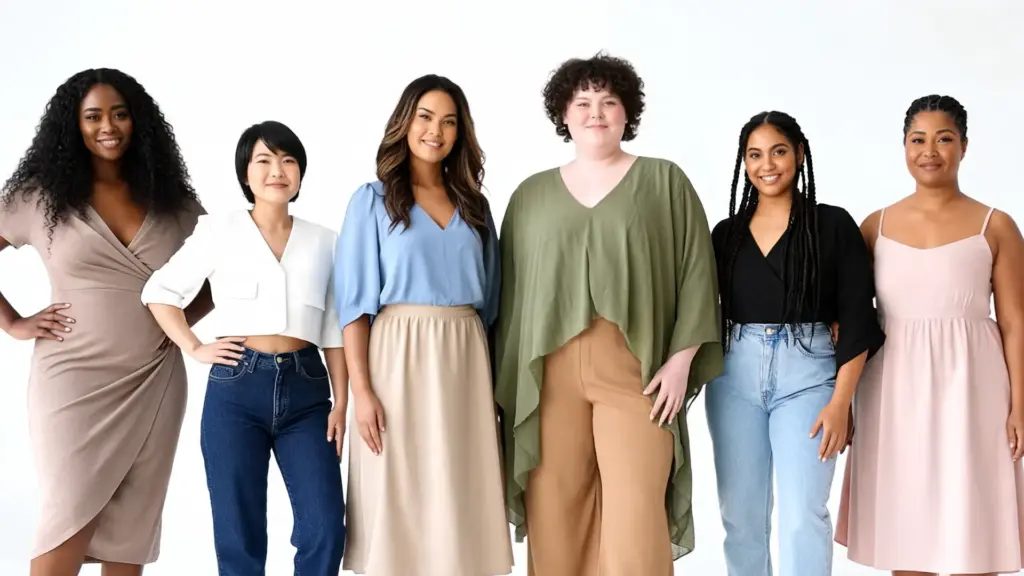
If your clothes look good on the hanger but not on you, you’re not alone. Ever felt like nothing in your wardrobe truly works, no matter how many outfits you try?
That frustration usually comes from not understanding how your body proportions interact with clothing, not from the clothes themselves. When you learn how to dress for your body type, everything starts to feel simpler, more intentional, and far less confusing.
In this guide, I’ll help you identify your body shape and break down exactly how to dress it with balance and ease. You’ll learn styling rules for every body type, outfit ideas you can use daily, common mistakes to avoid, and simple tips to improve fit, fabric choice, and overall proportion.
Why Body Type Matters in Dressing Right?
Understanding how to dress for your body type is essential because clothing interacts differently with every individual’s natural proportions. Even when two people wear the same size, the outcome can look completely different depending on the balance between shoulders, waist, and hips.
These proportions influence how garments fall on the body, where they add volume, and how balanced the overall silhouette appears. When you are aware of your body shape, it becomes easier to select outfits that naturally enhance your structure rather than disrupt it.
Certain cuts can highlight your best features, while the wrong fit can create imbalance or make an outfit feel less polished. This understanding removes guesswork from styling and helps you make more confident wardrobe choices.
Over time, it also simplifies shopping, reduces styling mistakes, and ensures your outfits feel both comfortable and visually harmonious in everyday wear.
How to Identify Your Body Type?
Understanding your body type becomes much easier when you compare proportions side by side. This quick-reference table helps you visually identify your shape by key features such as shoulders, waist, hips, and overall balance, making the process simple and clear.
| Body Type | How to Identify Clearly |
|---|---|
| Hourglass | Bust and hips are almost equal in size with a clearly defined, narrow waist. The body appears curvy and evenly balanced on both upper and lower halves. |
| Pear | Hips are wider than shoulders and bust. The lower body looks fuller, while the upper body appears slimmer and more delicate. |
| Apple | The midsection is the fullest part of the body. The waist is less defined, with most volume around the stomach area and slimmer arms and legs. |
| Rectangle | Bust, waist, and hips are almost the same width. The waist is not strongly defined, creating a straight, athletic-looking silhouette. |
| Inverted Triangle | Shoulders or bust are wider than hips. Upper body appears broader and stronger, while lower body looks noticeably narrower. |
| Oval | The midsection is fuller with soft waist definition. The body looks rounded around the stomach, with relatively slimmer limbs and less waist emphasis. |
Once you identify your body type, it becomes easier to choose outfits that naturally suit your proportions. Use this as a quick reference whenever you feel unsure, and focus on balance rather than perfection when styling your looks.
Dresses for Your Body Type
This section combines styling guidance, outfit suggestions, and key do’s and don’ts for every body shape.
Each body type requires a different balance strategy based on proportions, so the goal is to enhance the body’s natural structure, improve silhouette balance, and choose outfits that align with the body’s shape.
1. Hourglass Body Type

This body shape features balanced shoulders and hips with a clearly defined waist, creating a naturally curvy and proportionate silhouette. The styling goal is to enhance these natural curves while maintaining balance.
A common mistake is hiding the shape under oversized clothing, which removes definition and makes the silhouette appear heavier. Instead, focus on outfits that follow the natural waist and body lines.
| Category | What Works | Styling Insight |
|---|---|---|
| Tops | Fitted tops, wrap styles, V-necks, scoop necks, soft structured designs | Choose pieces that gently follow the waist instead of adding bulk |
| Bottoms | High-rise jeans, tailored trousers, straight or slim fits | Clean cuts help maintain proportion and highlight curves |
| Dresses | Wrap dresses, bodycon styles, fit-and-flare, belted dresses | Waist definition enhances natural balance |
| Outerwear | Tailored blazers, belted coats, cropped jackets | Structured layers maintain shape instead of hiding it |
Styling note: Avoid boxy or oversized fits that hide your waist. Look for structured, tailored, or cinched designs that enhance natural proportions.
I’ve put hourglass clients in boxy blazers more than once early in a fitting, thinking structure would help. It never did. A wrap dress in a soft knit did more in five minutes than three rounds of tailored jackets. If you want more options in this direction, looking through different top styles can help you spot pieces that naturally follow the waistline without you having to guess.
2. Pear Body Type

This body shape has wider hips compared to shoulders, creating a bottom-heavy silhouette. The styling focus is on balancing the upper body while softening emphasis on the lower half.
A common mistake is adding more volume to the hips, which exaggerates imbalance. Instead, draw attention upward with structured and detailed tops.
| Category | What Works | Styling Insight |
|---|---|---|
| Tops | Puff sleeves, structured tops, boat necks, embellished designs | Adds visual width to shoulders and balances hips |
| Bottoms | Straight-leg jeans, dark trousers, A-line skirts | Keeps the lower body clean and less bulky |
| Dresses | A-line dresses, fit-and-flare, empire waist | Skims over hips while highlighting upper body |
| Outerwear | Cropped jackets, structured shoulders, light padded blazers | Enhances upper body balance |
Styling note: Avoid clingy or heavily detailed bottoms. Focus on building a structure on top to balance proportions.
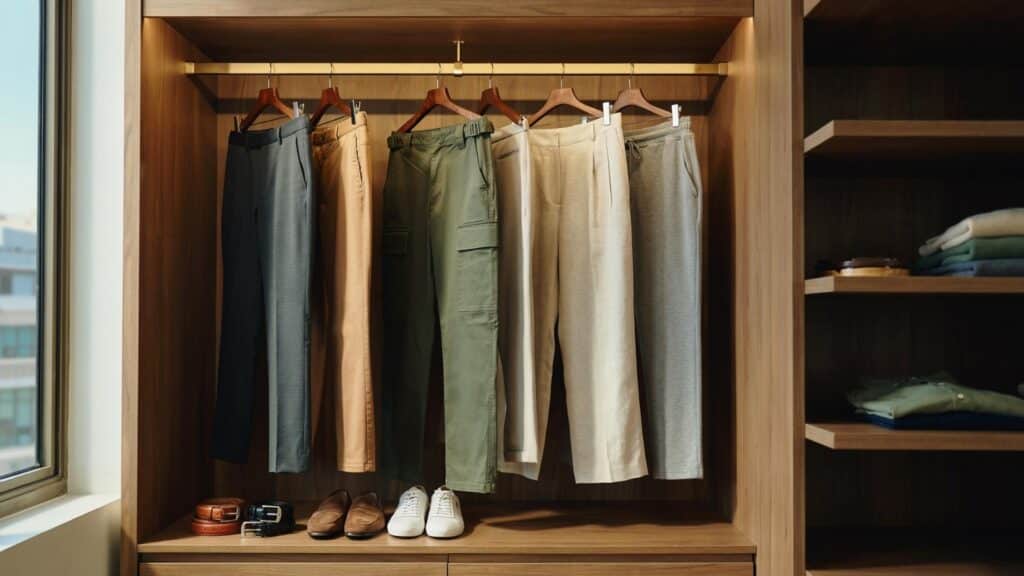
The fastest fix I’ve used for pear-shaped clients is a boat-neck top with absolutely nothing happening below the waist. It sounds too simple to work, and that’s exactly why it does. It also helps to get familiar with various pant silhouettes, since some cuts naturally skim the hip area better than others.
3. Apple Body Type

This body shape carries more volume around the midsection with slimmer legs and arms. Styling focuses on creating vertical flow and drawing attention away from the waist.
A common mistake is wearing tight waist-focused clothing, which highlights the midsection. Instead, choose flowy, elongating silhouettes.
| Category | What Works | Styling Insight |
|---|---|---|
| Tops | V-necks, flowy tops, empire cuts, tunics | Creates vertical length and reduces midsection focus |
| Bottoms | Straight pants, slim jeans, high-rise trousers | Keeps the lower body clean and structured |
| Dresses | Empire waist, A-line, wrap dresses with drape | Lifts focus above the waistline |
| Outerwear | Longline cardigans, open jackets, structured coats | Adds vertical flow and elongation |
Styling note: Avoid tight belts and clingy fabrics around the stomach. Prioritize vertical lines and soft draping.
4. Rectangle Body Type

This body shape has similar measurements across the shoulders, waist, and hips, with minimal waist definition. The styling goal is to create curves and add structure visually.
A common mistake is wearing flat, shapeless outfits. Instead, focus on definition and layered styling.
| Category | What Works | Styling Insight |
|---|---|---|
| Tops | Ruffled tops, peplum styles, fitted shirts, layered designs | Adds shape and visual curves |
| Bottoms | Wide-leg pants, straight jeans, pleated skirts | Creates movement and balance |
| Dresses | Belted dresses, wrap styles, fit-and-flare | Builds waist definition |
| Outerwear | Cropped jackets, structured blazers, belted coats | Creates a more shaped silhouette |
Styling note: Avoid straight, unstructured outfits. Focus on waist definition and added volume in key areas.
5. Inverted Triangle Body Type

This body shape has broader shoulders and a narrower lower body. Styling focuses on balancing proportions by adding volume to the bottom half.
A common mistake is emphasizing the shoulders further with heavy detailing. Instead, shift attention downward.
| Category | What Works | Styling Insight |
|---|---|---|
| Tops | Simple tops, V-necks, soft fabrics, minimal detail | Reduces upper-body emphasis |
| Bottoms | Flared pants, wide-leg trousers, A-line skirts | Adds volume to lower body |
| Dresses | Fit-and-flare, A-line, flowy skirts | Balances upper and lower proportions |
| Outerwear | Open jackets, longline coats, minimal shoulder structure | Softens upper-body width |
Styling note: Avoid shoulder pads and heavy upper detailing. Keep tops simple and let bottoms carry volume.
6. Oval Body Type

This body shape has fullness around the midsection with softer waist definition. Styling focuses on elongation and creating a smoother vertical silhouette.
A common mistake is wearing clingy fabrics around the waist. Instead, choose flowing and lengthening styles.
| Category | What Works | Styling Insight |
|---|---|---|
| Tops | V-necks, longline tops, flowy blouses | Creates vertical length |
| Bottoms | Straight-leg pants, dark jeans, tailored trousers | Keeps the lower body balanced |
| Dresses | Empire waist, wrap dresses, A-line styles | Skims the midsection and elongates the body |
| Outerwear | Long cardigans, open coats, structured long jackets | Enhances vertical flow |
Styling note: Avoid tight waist emphasis. Focus on elongation, softness, and vertical lines.
Tip: Start with the body type that feels closest to your shape, but don’t treat it like a strict rule. I’d suggest trying one change at a time, such as defining your waist, balancing your shoulders, or changing your neckline. When you test small outfit adjustments, you’ll quickly see what feels comfortable and what actually works for your proportions.
Universal Styling Principles for All Body Types

These styling principles apply to every body shape and help create balanced, visually appealing outfits regardless of proportions. They focus on fit, structure, and smart styling choices that improve overall appearance without relying on body-specific rules.
- Fit Matters More Than Size: Proper fit is the foundation of good styling. Clothes that fit the body well always look more polished than oversized or overly tight outfits. A good fit enhances natural structure, improves posture visually, and creates a clean silhouette that works for every body type, regardless of shape or trend.
- Balance Volume Strategically: Styling looks more refined when volume is evenly distributed throughout the outfit. If one area is loose, the other should be fitted to maintain proportion. This prevents outfits from looking heavy or uneven and helps create a structured, intentional appearance that flatters all body shapes in everyday dressing.
- Fabric Choice Changes Shape: Fabric plays a major role in how clothing sits on the body. Structured fabrics add definition and shape, while flowy fabrics soften and drape naturally. Choosing the right fabric helps control silhouette impact and ensures outfits align better with body proportions for a more flattering overall look.
- Necklines Influence Proportion: Neckline design can significantly change how the upper body appears. V-necks create vertical length and elongate the torso, boat necks broaden the shoulders visually, and scoop necks offer balanced softness. Selecting the right neckline helps adjust proportions and improves overall outfit harmony across different body types.
- Color Placement Matters: Colors guide visual attention and shape perception. Dark tones help minimize focus on specific areas, while bright shades highlight and draw attention. Patterns also influence visual weight and should be placed thoughtfully to enhance preferred features and maintain balance across the overall outfit structure.
Common Styling Mistakes to Avoid
Many styling issues come from ignoring proportion rather than choosing the wrong clothes. Avoiding these simple mistakes can instantly improve outfit balance, fit, and overall appearance without needing a wardrobe change.
| Styling Mistake | Why It Happens | Better Approach |
|---|---|---|
| Wearing incorrect sizing (too tight or too loose) | Choosing trend-based fit instead of body-based fit | Focus on a proper fit that follows natural body lines for a clean, balanced silhouette |
| Ignoring body balance when layering outfits | Adding layers without considering the impact | Balance fitted and loose pieces to maintain visual harmony across the outfit |
| Hiding the natural shape completely | Wearing oversized clothing to feel safe or comfortable | Choose structured pieces that enhance shape instead of concealing it fully |
| Using heavy volume in the wrong body areas | Placing design focus on already dominant areas | Add volume strategically to balance proportions and improve overall silhouette |
Avoiding these common styling mistakes can make a noticeable difference in how outfits look and feel. When the focus shifts from random styling choices to a proper balance of proportion and fit, everyday dressing becomes more intentional, comfortable, and visually refined without requiring major wardrobe changes.
Body Type Styling Apps
These apps help you understand your body proportions, organize outfits, and make better styling decisions. They simplify the process of identifying your body type and building outfits that naturally suit your shape, making everyday styling more structured and confident.
- Body Shape Calculator Apps: These apps allow you to enter your bust, waist, and hip measurements to automatically determine your body type. They give instant visual classification like hourglass, pear, apple, rectangle, or inverted triangle, helping you understand your proportions clearly without manual guessing or confusion.
- Stylebook: Stylebook helps you digitize your wardrobe and build outfits based on your body type. You can mix and match clothing items, track what fits you best, and plan outfits that improve proportion balance. It also helps identify gaps in your wardrobe for better styling decisions.
- Pureple Outfit Planner: Pureple suggests outfit combinations using your existing clothes and helps you experiment with different styles. It visually organizes your wardrobe and recommends looks that flatter your body shape, making it easier to create balanced outfits without buying new clothes unnecessarily.
- Pinterest: Pinterest is a visual inspiration platform where you can explore outfit ideas for every body type. It helps you save styling references, discover silhouette-based dressing ideas, and build mood boards that guide your personal style based on proportion and fashion preferences.
- YouCam Makeup: This app lets you visually experiment with styling ideas, including outfit simulation and appearance adjustments. It helps you preview how different styles may look on your body, giving you a clearer idea of proportion, balance, and the overall impact of the outfit before trying them in real life.
- Cladwell: Cladwell creates a personalized capsule wardrobe based on your lifestyle and body type. It recommends daily outfits that suit your proportions, reduces wardrobe clutter, and helps you focus on high-quality combinations that consistently enhance your natural body shape.
Frequently Asked Questions
Can body type change over time with weight loss or fitness?
Yes, body type can shift slightly due to changes in weight, muscle gain, or lifestyle habits. While bone structure stays the same, fat distribution and proportions can change, which may affect how clothing fits and which styles become more flattering over time.
Is it possible to belong to more than one body type?
Many people have mixed body features that don’t fit into one strict category. For example, someone may have pear-like hips but a rectangle-style waist. In such cases, styling should focus on balancing proportions rather than forcing a single body type classification.
Do tall and short people follow the same body type rules?
Body type principles remain the same regardless of height, but styling execution may differ. Taller individuals may focus on proportion breaks, while shorter individuals may prioritize vertical lines and lengthening silhouettes for better balance and visual harmony in outfits.
Which clothing mistakes affect body balance the most?
The biggest impact comes from poor fit and incorrect volume placement. Wearing oversized outfits everywhere or adding bulk to already dominant areas disrupts the sense of
Can body type change over time with weight loss or fitness?
Yes, body type can shift slightly due to changes in weight, muscle gain, or lifestyle habits. While bone structure stays the same, fat distribution and proportions can change, which may affect how clothing fits and which styles become more flattering over time.
Is it possible to belong to more than one body type?
Many people have mixed body features that don’t fit into one strict category. For example, someone may have pear-like hips but a rectangle-style waist. In such cases, styling should focus on balancing proportions rather than forcing a single body type classification.
Do tall and short people follow the same body type rules?
Body type principles remain the same regardless of height, but styling execution may differ. Taller individuals may focus on proportion breaks, while shorter individuals may prioritize vertical lines and lengthening silhouettes for better balance and visual harmony in outfits.
Which clothing mistakes affect body balance the most?
The biggest impact comes from poor fit and incorrect volume placement. Wearing oversized outfits everywhere or adding bulk to already dominant areas disrupts the sense of proportion. Balanced styling requires distributing volume thoughtfully to maintain a clean and visually structured silhouette.
Can the same outfit work for all body types?
Yes, but it needs small adjustments in fit, length, or styling. For example, a dress may work for all body types when waist definition, neckline, or fabric flow is adjusted to suit individual proportions, ensuring better balance for each shape.
How often should I reassess my body type?
There is no fixed timeline, but reassessing after major lifestyle or body changes, such as weight fluctuations or fitness transformations, is helpful. This ensures styling choices remain aligned with current proportions and continue to enhance overall appearance effectively.
Do accessories also affect body type styling?
Yes, accessories can influence visual balance. Long necklaces create vertical lines, belts define the waist, and statement earrings draw attention upward. When used correctly, accessories support body-proportion styling and enhance the overall structure of the outfit.
Wrap Up
Understanding personal style becomes easier when you focus on proportions rather than random fashion rules. Once you know how different body shapes respond to clothing, choosing outfits feels more intentional and less confusing in everyday life.
I’ve seen how small changes in fit, fabric, and silhouette can completely improve overall appearance, and you can apply the same approach to your own wardrobe.
The key takeaways include learning your body shape, using balanced styling principles, and avoiding common mistakes that disrupt proportion. You also learn how outfits, occasions, and clothing choices work differently for each structure.
When you apply how to dress for your body type, dressing becomes more practical, confident, and consistent. Try these tips in your daily outfits and see what works best for you, and share your thoughts or explore more styling guides for deeper insights.