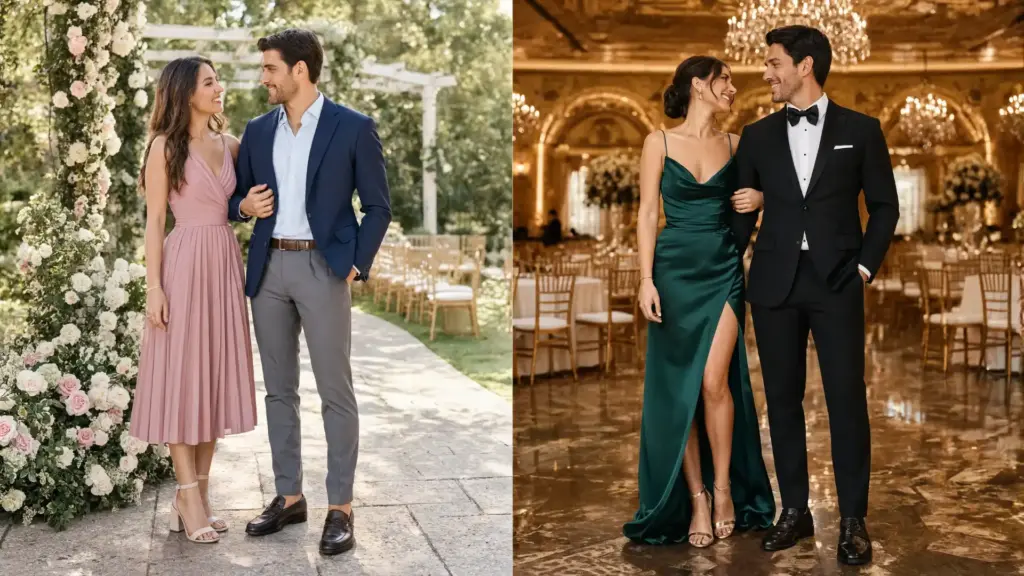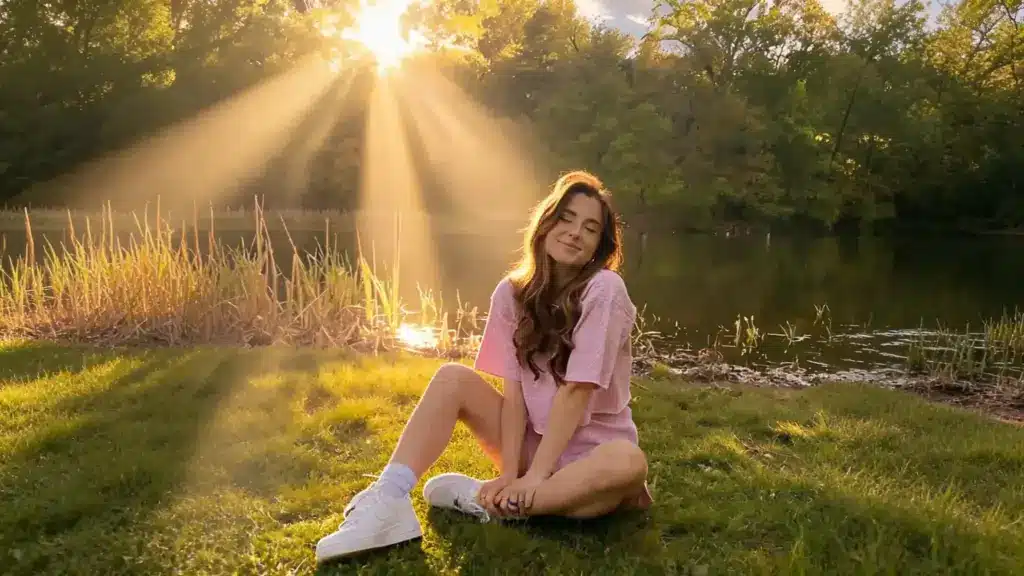
You know that moment when someone says “just be natural” before taking a photo, and suddenly you forget how to stand, where to put your hands, or what your face is doing?
I have noticed this happens often when people become too focused on getting the “perfect” shot. Instead of relaxing into the moment, they start controlling every small movement, which can make even simple poses feel uncomfortable.
In situations like this, many people start searching for poses for pictures, trying to understand how others make their photos look effortless.
The real challenge usually appears when figuring out how to pose for pictures, because confidence becomes harder to maintain when every angle suddenly feels noticeable.
That tension between wanting a good photo and feeling unsure in front of the camera is where many awkward shots begin, long before the shutter clicks.
The Secret Behind How to Pose for Pictures
Natural-looking poses are created through comfort, awareness, and small adjustments rather than complicated movements.
A relaxed body, natural expression, and slight changes in posture can make a photo feel more genuine. The real secret lies in subtlety. Most people assume a good pose requires precise angles or rehearsed positioning, but the opposite is usually true.
Micro-movements, a shift in weight, a softened hand, a slight head tilt, are often read as far more authentic than a fixed, deliberate stance.
Body language matters more than technical perfection, since tension shows up on camera even when everything else looks right.
The goal is not to create a perfect pose but to find a position that feels comfortable while still looking balanced on camera. When comfort leads, the rest tends to follow naturally.
How to Make Poses for Pictures Look More Natural
Many posing issues come from tension, overthinking, or trying too hard to control every movement. Simple changes can help create a more relaxed and natural appearance.
- Reduce Body Tension: Relax the shoulders, loosen the joints, and avoid holding the body too rigidly during photos.
- Use Small Movements: Shift your weight, adjust your hands, or make slight adjustments in position to avoid a stiff appearance.
- Focus on Comfort: Feeling comfortable in the pose helps expressions and body language look more natural.
- Improve Body Awareness: Pay attention to posture, symmetry, and angles to create a more balanced frame.
- Avoid Overthinking: Instead of focusing on every camera detail, allow natural reactions and movements to guide the pose.
None of these adjustments requires practice or planning ahead of time. Small, consistent habits build comfort in front of a camera faster than memorizing specific poses ever will.
How to Pose: Simple Ways to Pose for Men and Women
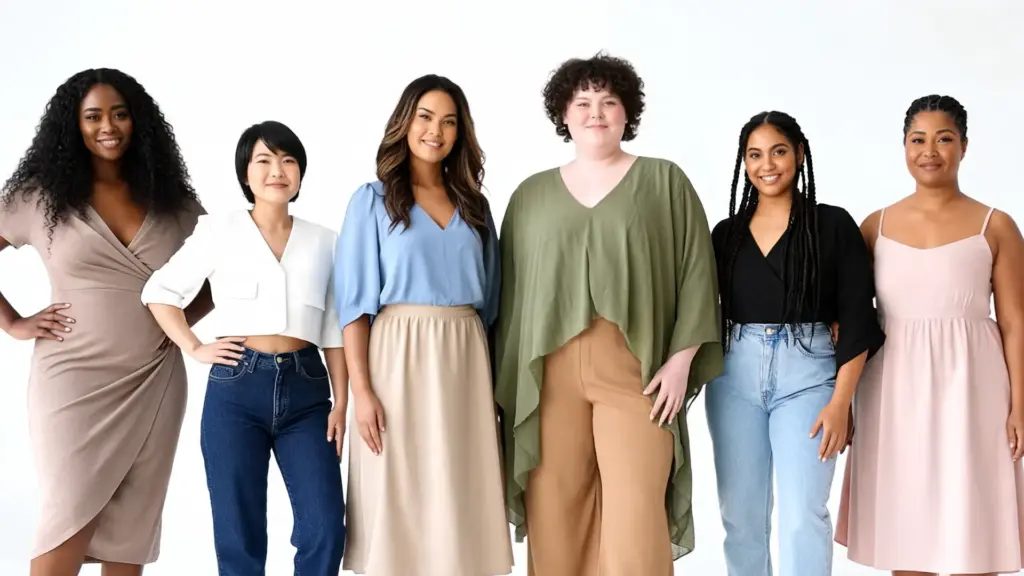
Here are universal posing ideas designed to work for any body type, gender, or camera setup. Each pose focuses on natural body alignment, reducing stiffness, and creating visually balanced photos without needing model experience.
1. S-Curve Standing Pose

A relaxed weight shift can instantly make a standing pose look more natural by adding shape and movement to the body.
- Weight Shift: Place most of the weight on one leg to create a softer, curved stance.
- Body Shape: Let the shoulders and hips form a gentle S-shape for better visual flow.
- Relaxed Posture: Keep shoulders loose and avoid locking the knees to prevent stiffness.
Tip: How a pose reads on camera often depends just as much on the outfit as the angle, since different types of fashion styles carry weight and structure differently in front of a lens.
2. Slight Body Angle Pose

Turning the body slightly away from the camera creates more depth and a naturally balanced pose.
- Body Angle: Rotate the body around 20–45 degrees to add dimension to the frame.
- Shape Definition: A slight turn helps highlight the waistline and shoulder structure.
- Face Position: Move the chin slightly forward to create better facial definition.
Tip: Avoid over-rotating small angles, as they look more natural than extreme turns.
3. One-Leg Forward Position

A small change in foot placement can make a standing pose feel more relaxed and natural.
- Foot Placement: Keep one foot slightly ahead of the other to create a layered stance.
- Balanced Look: Breaking symmetry helps reduce stiffness and makes the pose feel more dynamic.
- Best Use: Works well for full-body and mid-shot photos, especially outdoor and street-style shoots.
Tip: Point the front foot slightly outward to enhance balance and flow.
4. Relaxed Hand-in-Pocket Pose

Using pockets can make hand placement feel more natural while adding a relaxed structure to the pose.
- Hand Position: Rest one or both hands lightly in pockets with thumbs slightly visible.
- Natural Posture: This reduces awkward hand placement and keeps the upper body relaxed.
- Style Versatility: Works well with both casual and formal outfits.
Tip: Don’t fully bury hands; keep fingers slightly visible for a natural feel.
5. Walking Shot Pose

Adding movement to a pose creates a more natural and relaxed feel while capturing genuine expressions.
- Walking Motion: Move slowly toward the camera or across the frame for a candid effect.
- Natural Expressions: Movement helps reduce stiffness and creates varied, authentic moments.
- Best Use: Works especially well for lifestyle and street photography.
Tip: Keep steps slow and relaxed, not exaggerated.
6. Wall Lean Pose

Using a support surface can create a relaxed pose while adding balance and structure to the frame.
- Natural Support: Lean one shoulder, back, or hip lightly against a wall or vertical surface.
- Relaxed Position: This keeps the body comfortable while avoiding rigid standing poses.
- Outdoor Use: Works well for outdoor portraits and casual storytelling shots
Tip: Avoid full weight on the wall; stay slightly active in posture.
7. Seated Forward Lean Pose

A slight forward lean while sitting creates a more engaging and comfortable seated pose.
- Forward Lean: Move slightly toward the camera to bring energy into the frame.
- Posture Control: Keep the back naturally straight to avoid a slouched appearance.
- Best Use: Works well for café shots, indoor portraits, and casual settings.
Tip: Keep your spine long while leaning to avoid a collapsed posture.
8. Crossed Legs Sitting Pose

Crossing the legs while sitting adds structure and creates a more balanced seated pose.
- Leg Position: Cross one leg over the other at the ankle or knee to create natural diagonal lines.
- Body Structure: This helps shape the lower body and makes the pose look more intentional.
- Relaxed Appearance: A crossed-leg position reduces stiffness and adds a comfortable, casual feel.
Tip: Keep your upper body relaxed to balance the structured leg position.
9. Hand Near Face Pose

Using a soft hand placement can add interest to portraits while keeping the pose natural.
- Hand Placement: Rest a hand lightly near the chin, cheek, or hair for a relaxed look.
- Facial Focus: This draws attention toward facial features and adds dimension to the frame.
- Best Use: Works especially well for portraits and close-up photography.
Tip: Keep fingers soft and slightly spaced; avoid pressing into the face.
10. Over-the-Shoulder Look

A shoulder glance creates a relaxed pose by adding depth and a natural sense of movement.
- Body Turn: Angle the body slightly away from the camera for a more dynamic frame.
- Head Position: Look back over the shoulder to create a candid and engaging expression.
- Best Use: Works well for both standing poses and walking shots.
Tip: Keep shoulders relaxed so the pose doesn’t look forced or rigid.
Good posing comes from small, relaxed body adjustments rather than fixed positions. When comfort, movement, and balance come together, photos look natural and effortless. Regular practice makes posing feel easier over time.
Real-Life Posing Scenarios
Real-life posing changes with location and light. Each setting needs small adjustments in movement, expression, and angle to create natural photos that feel effortless and visually balanced in every frame, the same principle seen in some of the best met gala looks of all time, where even a small shift in stance changed the entire read of an outfit.
11. Street photography poses

Street photography works best when poses feel unplanned and in motion. Instead of standing still, movement, such as walking or slight directional changes, creates a more natural and candid look.
Interacting with the surroundings, such as walls, streets, or objects in the environment, adds storytelling to the frame. Static standing shots often feel stiff in outdoor settings, so keeping the body active and slightly shifting between frames helps maintain a relaxed and authentic feel.
12. Indoor portrait setup

Indoor portraits rely heavily on light direction and controlled positioning. Understanding where the light falls on the face helps create depth and softness in the final image.
Sitting or leaning naturally reduces tension and makes posture feel more effortless. Instead of forcing expressions, focusing on calm facial control and subtle emotion creates a more refined and balanced portrait that feels natural under indoor lighting conditions.
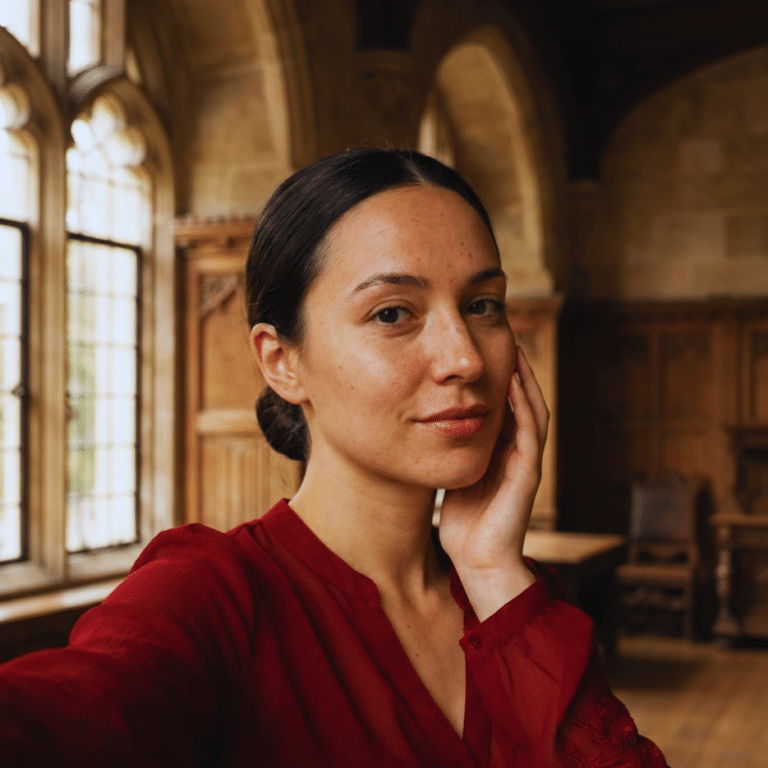
13. Selfie posing basics

Good selfies depend on angle, distance, and facial alignment. Holding the phone slightly above eye level helps define facial structure and prevents unflattering angles.
Turning the face slightly to one side adds depth and avoids a flat front-facing look. Relaxing the shoulders is equally important, as it removes stiffness and creates a more natural upper-body frame, making the selfie appear effortless and well-composed.
Camera Angles That Change Everything
Camera angles can completely change how a pose looks, even if the body position stays the same. The table below breaks down the most important angle types and their visual impact:
| Type | Effect on Photo | Best Use Case |
|---|---|---|
| High Angle | Softens facial features and reduces intensity | Portraits, beauty shots, casual photos |
| Close Framing | Highlights facial expression and emotion | Portraits, headshots |
| Phone Camera | Slight wide-angle distortion can affect body proportions | Casual, social media photos |
| Low Angle | Adds power, confidence, and a stronger presence | Fashion shoots, editorial portraits |
| Wide Framing | Adds environment and storytelling context | Street photography, travel shots |
| DSLR Camera | Creates natural depth with more controlled framing | Professional portraits, fashion shoots |
| Angle Shift | Changes how the subject is perceived more than the pose itself | All types of photography |
| Mid Distance | Keeps body proportions balanced and clearly visible | Full-body posing, lifestyle shots |
| Positioning Impact | Requires proper distance control for accurate proportions | Phone and DSLR setups |
Understanding camera angles helps transform even simple poses into visually stronger photographs. Small shifts in height, distance, or framing often make a bigger difference than changing the pose itself.
Real-life posing changes with location and light. Each setting needs small adjustments in movement, expression, and angle to create natural photos that feel effortless and visually balanced in every frame.
Community Discussion: Real Experiences with Posing
Many people struggling with photography mention that they freeze the moment a camera is pointed at them.
Common issues include stiff posture, awkward hand placement, and overthinking every angle. Several users report never knowing what to do with their hands, which makes their photos feel unnatural.
Helpful suggestions often include practicing in front of a mirror to build awareness, using burst mode to capture multiple expressions, and focusing on movement instead of holding a single pose.
Over time, users note that candid shots usually look better than carefully planned poses, especially when they stop trying too hard.
From a practical point of view, posing improves less through memorized positions and more through repetition, comfort, and reduced pressure.
Once the focus shifts away from “perfect pose ideas,” natural body language starts showing up more consistently in photos.
Common Posing Mistakes and Fixes
Small posing habits can change the entire feel of a photo. Understanding these common mistakes helps create poses that look relaxed, natural, and comfortable. The table below highlights frequent problems and simple ways to adjust them:
| Common Mistake | Simple Fix |
| Stiff Posture | Shift weight from one leg to another, relax the shoulders, and add slight movement between shots |
| Symmetrical Posing | Angle the shoulders or hips slightly and create diagonal lines for better visual flow |
| Over-Smiling Fatigue | Use softer emotions, relaxed expressions, or a thoughtful look for more natural photos |
| Awkward Hand Placement | Give hands a light task, like touching hair, holding an object, or resting near the face |
| Locked Knees | Bend one knee slightly and keep the stance loose to avoid a stiff, planted look |
Improving your poses does not require complicated techniques. Small changes, such as relaxing your body, adding slight angles, and using natural expressions, can make photos feel more balanced and genuine. Paying attention to these details helps create images that look effortless while still feeling intentional.
Frequently Asked Questions
Why do I look awkward in photos?
Awkward photos often happen when your body feels tense or your mind is too focused on the camera. This can make your posture and face look stiff. Relax your shoulders, shift your weight, and breathe before the shot.
What is the easiest pose for beginners?
A one-leg-forward standing pose is one of the easiest poses to try first. It helps your body look less stiff and more balanced. Keep your arms loose, bend them slightly, and avoid pressing them flat against your sides.
How do I pose naturally?
Natural posing starts with small movements rather than holding a single stiff position. Turn your body slightly, move your hands, or take a slow breath. Think about the feeling you want in the photo, not every tiny angle.
Do camera angles really matter?
Yes, camera angles can change how your face and body look in a photo. A small shift in camera height or direction can make the pose look better. Try a few angles before choosing the final shot.
Clicking It All Together
Poses for pictures are not about memorizing fixed positions but building awareness of how the body naturally shifts, relaxes, and responds in front of the camera.
From standing poses to sitting setups, facial expressions, movement shots, and even common mistakes, the real improvement always comes from small, intentional adjustments.
I have seen that the best photos often come from simple changes, like relaxing the shoulders, slightly changing the angle, or allowing natural movement instead of holding a perfect pose.
Instead of trying to copy every pose, focus on one small change at a time and observe how it improves your shot.
Try one new pose or adjustment in your next photo, learn how to pose for pictures, and notice how much the result changes. Drop a comment below and let me know if it worked for you.