
You wash your face, reach for your toner, then pick up your serum, and suddenly you are standing there thinknig which one goes first. It is a small pause that happens more than you would think.
The answer is toner before serum, every time, for every skin type, morning and night. If you have been second-guessing the right order for toner before or after serum, or serum or toner first, toner is always step one. Serum comes after.
What shifts is which toner works for your skin, which serum you pair it with, how long you wait between them, and the small habits that quietly get in the way of both products doing their job.
What You Dont Understand About Toner Before or After Serum
Toner is a lightweight liquid that goes on straight after cleansing. It sweeps away any residue your cleanser left behind, delivers a first layer of hydration, and gets your skin ready for everything that comes next.
Serum is a concentrated treatment product, usually thicker than toner and loaded with active ingredients that target one specific concern. Whether that is dryness, dullness, acne, fine lines, or uneven tone, the serum step is where the real work happens.
The simplest way to remember the difference: toner preps, serum treats. That is also exactly why toner comes first. Common serum types include hyaluronic acid, vitamin C, niacinamide, peptides, and retinol.
Each one performs best on skin that has already been cleaned and lightly refreshed. Getting the skincare layering order right means each product can do its job without interference.
The Correct Skincare Routine Order: Toner, Serum, Moisturizer
The order runs lightest to heaviest. Toner preps, serum treats, and moisturizer seals everything in place. This table covers both morning and evening routines so you can see how the structure stays consistent even when the products change:
| Step | Product | Purpose | AM / PM |
|---|---|---|---|
| 1 | Cleanser | Remove oil, sunscreen, daily buildup | Both |
| 2 | Toner | Refresh, hydrate, prep skin | Both |
| 3 | Serum | Target a specific skin concern | Both |
| 4 | Moisturizer | Seal hydration, support barrier | Both |
| 5 | Sunscreen | Protect from UV damage | AM only |
| 5 (optional) | Face oil | Extra nourishment, seals in moisture | PM only |
Face oil, if you use one, goes after moisturizer at night. It is the heaviest layer and seals rather than hydrates, so it sits on top of everything else. Sunscreen always finishes your morning routine. No serum or moisturizer goes on after it.
Toner Before Serum: Which Pairing Works for Your Skin
This is the section that matters most for getting actual results. The order stays the same across every combination below, but the toner type and serum you pair together determines whether your skin responds well or starts reacting.
My cosmetic science background is what shapes these pairings, and the logic is straightforward once you understand what each ingredient does.
1. Toner Before Hyaluronic Acid Serum

A hydrating toner before hyaluronic acid serum is one of the most effective pairings in a standard routine. Hyaluronic acid is a humectant, which means it draws water to the skin surface.
Applying it on slightly damp skin, right after a glycerin or panthenol toner, gives it actual moisture to bind to. Skip the damp step and the ingredient has less to work with.
Follow with moisturizer immediately after so the hyaluronic acid does not pull moisture back out of the skin. If you want to build a full routine around this kind of layered hydration, the glass skin routine covers exactly how to stack hydrating products for a smooth, plump result.
2. Toner Before Vitamin C Serum
![woman applies toner with cotton pad beside pixi glow tonic, vitamin c serum, pink cream jar, flowers, mirror, and vanity]](https://waityouneedthis.com/wp-content/uploads/2026/07/woman-applies-toner-with-cotton-pad-beside-pixi-glow-tonic-vitamin-c-serum-pink-.webp)
Use a gentle hydrating toner before vitamin C. Vitamin C serums, especially L-ascorbic acid formulas, are already acidic. Pairing them with an exfoliating toner that also lowers the skin’s pH can push the skin into irritation faster than either product would on its own.
A hydrating toner before vitamin C gives a clean, prepped base without adding unnecessary acid activity. Morning is the right time for this combination. Vitamin C is most useful in the AM when it can support your skin against environmental exposure throughout the day.
3. Toner Before Niacinamide Serum

Niacinamide is the easiest serum to pair with almost any toner. It is well-tolerated, non-irritating, and works in both morning and evening routines. A hydrating toner before niacinamide serum is a practical combination for oily skin, redness, and uneven tone.
If your skin is on the sensitive side, a soothing toner with centella asiatica or aloe before niacinamide serum is one of the gentlest setups you can build around. This pairing rarely causes issues, which makes it a good starting point if you are new to using serums.
4. Toner Before Retinol Serum

Toner choice matters most here. A calming or hydrating toner before retinol serum is the correct setup, especially if your skin is still adjusting to retinol. Exfoliating toners before retinol is a combination that regularly causes peeling, redness, and a damaged skin barrier, even in people who tolerate both products separately.
The hydrating toner helps buffer the retinol slightly and makes the application feel less sensitising. Use retinol two to three nights a week at first. Follow with a moisturizer immediately after the serum to further support the skin overnight.
5. Toner Before Acne Serum

If your serum contains benzoyl peroxide, salicylic acid, or adapalene, keep the rest of the routine simple and gentle. A soothing or hydrating toner before an acne serum is a better fit than anything exfoliating.
Stacking a salicylic acid toner with a salicylic acid serum doubles the acid load on your skin and raises the risk of over-stripping the barrier you are trying to clear.
Patch test acne serums before applying across the full face, particularly with benzoyl peroxide. One active at a time is the safest way to build a routine that actually holds.
How to Apply Toner and Serum: Timing and Technique
Getting the timing right between toner and serum changes how both products feel and perform. The wait depends on your toner type, not on a fixed rule that applies to everyone:
| Toner Type | Wait Before Serum | Application Tip | Watch Out For |
|---|---|---|---|
| Hydrating toner (glycerin, panthenol, hyaluronic acid) | 30 to 60 seconds | Apply serum while skin is still lightly damp. Hyaluronic acid serum spreads better this way. | Soaking wet skin dilutes the serum. Damp is good. Dripping wet is not. |
| Exfoliating toner (glycolic, lactic, or salicylic acid) | 1 to 2 minutes | Give the acids time to settle before layering serum on top to avoid stacking acid activity. | Pairing with a retinol or vitamin C serum too soon increases irritation risk. |
| Soothing toner (aloe, centella, green tea) | 30 seconds | Apply serum on slightly damp skin. Works well before niacinamide or hyaluronic acid serums. | No major concerns. One of the gentlest setups for sensitive or reactive skin. |
| Toner pads (any type) | Same as liquid version of that toner type | Press gently rather than rubbing. Pressure does not make the product work harder. | Rubbing thins and reddens skin. If the pad contains acids, follow exfoliating toner timing above. |
If your toner stings or pulls after application, that is a product issue, not a timing one. Reassess the formula before adding more steps on top of it.
Morning vs Night Skincare Routine Order
The order of toner before serum stays the same whether it is morning or night, but what you put in each slot changes based on what your skin needs at that time of day.
Morning Skincare Routine Order
Morning skin is rested and clean, so the goal is hydration first and protection last. Here is what a solid AM routine looks like when you are using both toner and serum.
- Hydrating toner: Goes on first after cleansing to refresh skin and add a light moisture layer before serum.
- Vitamin C serum: One of my favourite morning picks. Works well under sunscreen and supports brightening over time.
- Niacinamide serum: The gentler option for sensitive or reactive skin. Good for texture, redness, and oiliness.
- Moisturizer: Seals everything in before the final step.
- Sunscreen: Always last in the morning, without exception.
According to the American Academy of Dermatology, daily sunscreen use is one of the most important steps in protecting skin health long-term. Nothing in your AM routine matters much without it.
Night Skincare Routine Order
Night is when more targeted treatments fit into the routine. The order stays the same, but the product choices shift toward ingredients that work best without daytime sun exposure.
- Hydrating or calming toner: Goes on first. A gentle formula works better here than anything exfoliating if you are using retinol after.
- Retinol serum: Best used at night. Start two to three times a week and build up slowly.
- Exfoliating toner: Use on nights when you skip retinol, not the same session. A few times a week is enough.
- Moisturizer: Non-negotiable after retinol. It helps buffer the active and supports your skin barrier overnight.
Do not stack exfoliating toner and retinol in the same evening routine. That combination irritates skin fast, even when both products work perfectly well on their own on separate nights.
Best Toner and Serum Combination by Skin Type
Skin type shapes which toner and serum combination makes the most practical sense. Here is what tends to work based on both ingredient logic and skin response:
| Skin Type | Recommended Toner | Recommended Serum | Key Tip |
|---|---|---|---|
| Dry | Hydrating toner (glycerin, ceramides) | Hyaluronic acid or peptide serum | Apply serum on damp skin. Use a richer moisturizer to seal. |
| Oily | Lightweight hydrating or niacinamide toner | Niacinamide serum | Do not skip moisturizer. Skipping it can make oiliness worse over time. |
| Acne-prone | Gentle hydrating or soothing toner | Niacinamide or acne-targeted serum | Introduce one active at a time. Patch test before full application. |
| Sensitive | Soothing toner (aloe, centella, panthenol) | Niacinamide or hyaluronic acid serum | Avoid fragrance and harsh alcohols. Keep the routine short and consistent. |
| Combination | Hydrating toner across the whole face | Serum based on your main concern | Lighter moisturizer on oily areas, richer on dry patches if needed. |
If you have oily or acne-prone skin and want a fuller routine around the right serum, the skincare routine for oily skin covers how to layer products without clogging pores or over-stripping the barrier.
Common Mistakes That Make Toner and Serum Less Effective
These errors are easy to make because they are not obvious at first. Each one quietly works against the results you are trying to get from your routine.
- Applying serum to soaking-wet skin: Damp is good. Dripping wet dilutes the product before it can settle. Pat your face lightly after toning before you apply serum.
- Using exfoliating toner every night from the start: Glycolic and lactic acid toners are effective, but daily use too early can damage your skin barrier faster than you expect. Two to three nights a week is the right starting point.
- Stacking too many actives in one routine: Exfoliating toner plus vitamin C plus retinol in the same session is a fast route to irritation. Pick one active per routine and give your skin time to adjust.
- Skipping moisturizer after serum: Serum treats. Moisturizer seals. Without it, humectant ingredients like hyaluronic acid can pull moisture from deeper in the skin rather than holding it at the surface. CeraVe Moisturizing Cream works well as a sealing step for most skin types.
- Forgetting sunscreen after a morning serum: Vitamin C, niacinamide, and any serum with exfoliating properties need sunscreen on top during the day. Skipping it runs counter to everything you just applied.
Your skin should feel calm and comfortable after your full routine. If it stings, feels tight, or looks red, something in the lineup needs to go.
Toner Recommendations Worth Trying Right Now

If you are still figuring out which toner to use before your serum, these are some of the most widely used and well-reviewed options across the US right now:
| Toner | Type | Key Ingredients | Best For |
|---|---|---|---|
| Thayers Alcohol-Free Rose Petal Witch Hazel Toner | Soothing | Witch hazel, aloe vera | All skin types. Good before niacinamide or hyaluronic acid serum. |
| Pixi Glow Tonic | Exfoliating | 5% glycolic acid, aloe vera, ginseng | Dull or uneven skin. Use at night before a hydrating serum. |
| Anua Rice 70 Glow Milky Toner | Hydrating | Rice water, niacinamide, ceramides | Dry and sensitive skin. Works well before most serum types. |
| CeraVe Hydrating Toner | Hydrating | Hyaluronic acid, niacinamide, ceramides | Sensitive and dry skin. Alcohol-free and fragrance-free. |
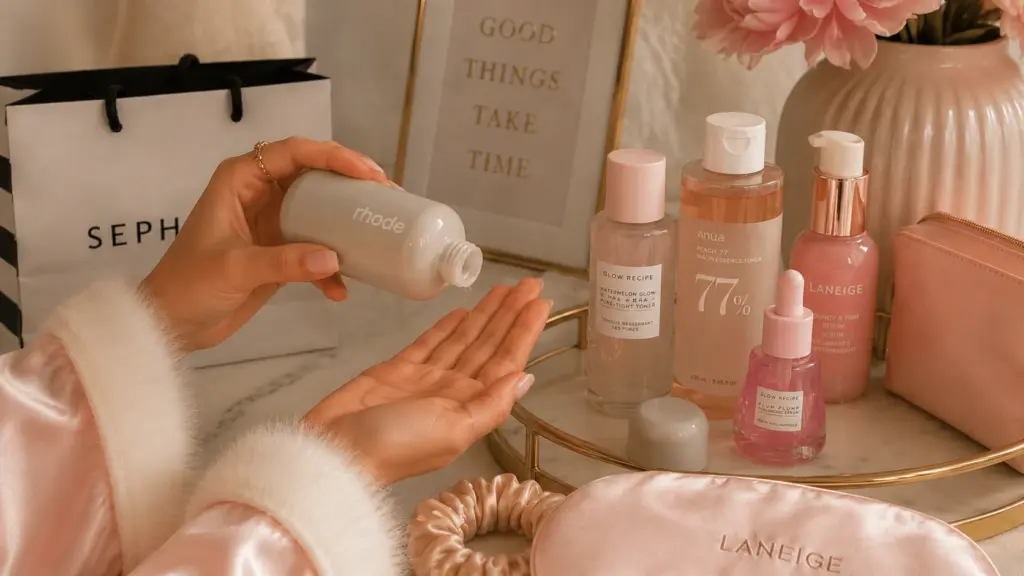
| Rhode Glazing Milk | Hydrating essence | Ceramides, peptides, niacinamide | All skin types. Used as a toner step before serum for a dewy, barrier-focused base. |
| Paula’s Choice Skin Perfecting 2% BHA Liquid Exfoliant | Exfoliating | 2% salicylic acid, green tea, chamomile | Oily, acne-prone, and congested skin. Use at night a few times a week before serum. |
| Tower 28 SOS Daily Rescue Facial Spray | Soothing | Hypochlorous acid | Sensitive, redness-prone, and reactive skin. Mist on after cleansing before serum. |
None of these is perfect for every skin type, so check the key ingredients against your skin’s needs before buying. Patch testing a new toner before full use is always the safer move.
Quick Answers: Serum or Toner First?
These are the most-searched questions about toner and serum orders. Each answer is direct.
- Serum or toner first? Toner first, always.
- Do you use toner before or after serum? Before serum.
- Does toner go before moisturizer? Yes. Toner, then serum, then moisturizer.
- Can serum go on damp skin? Yes. Many hydrating serums work better on slightly damp skin.
- Should the toner be fully dry before serum? Lightly absorbed is enough. Fully drying every time is not necessary.
- Does toner help serum absorb? It may help the serum spread more evenly. What toner reliably does is prep and hydrate, which is already useful enough without overclaiming on absorption.
- Toner before vitamin C serum? Yes. A gentle hydrating toner first.
- Toner before hyaluronic acid serum? Yes. Apply the serum on slightly damp skin for best results.
- Toner before retinol serum? Yes. Use a calming or hydrating toner, not an exfoliating one.
Frequently Asked Questions
Can toner replace cleanser?
No. Toner is not formulated to remove sunscreen, makeup, or the oil and buildup that accumulate throughout the day. Cleanser comes first. Toner is the step after.
Can I use essence with toner and serum?
Yes. The order is cleanser, toner, essence, serum, moisturizer, and sunscreen in the morning. Keep layers light so skin does not feel overloaded or sticky by the end.
Why does my skin sting after toner?
Stinging usually points to exfoliating acids, fragrance, denatured alcohol, or a compromised skin barrier. Mild tingling with certain activities is common. Burning is not. Stop using the product if irritation continues.
Can I use different toners in the morning and at night?
Yes. A hydrating toner in the morning and an exfoliating toner a few nights a week is a practical setup for many routines. Make sure your skin is comfortable with both before committing to the combination.
Is rose water a toner or serum?
Rose water works like a toner or facial mist. It is lightweight and goes on after cleansing. If you use a treatment serum, rose water goes before it, not after.
Do I need toner if I already use a hydrating serum?
Not necessarily. If your skin feels comfortable after cleansing and your serum covers hydration, you can skip toner. It is an optional step. Add it if it improves how your skin feels, not out of habit.
Putting It Together
Toner goes before serum. That is the answer for the morning skincare routine order, the night skincare routine order, and every skin type in between.
When you are asking toner before or after serum, or serum or toner first, the order is toner, then serum, then moisturizer, then sunscreen in the morning. Choose your toner based on what your skin needs after cleansing.
Choose your serum based on the specific concern you want to address. From what I have noticed, one well-matched toner and serum pairing, used consistently, will always outperform a drawer full of actives that irritate your skin and get rotated out every two weeks.
Start simple, patch test anything new, and give your skin a few weeks before deciding whether something is actually working. Your routine should feel good, not like a chore you are white-knuckling through every morning. Drop a comment below and let me know what toner do you use and if its working for you.