

If you’ve ever thought, is CeraVe Moisturizing Cream good for face, trust me, you’re not alone. I asked myself the same question before I tried it for the first time.
Now, it’s the one moisturizer I keep coming back to, no matter how many other products I test. CeraVe is mostly known as a face and body cream, but does it actually hold up when used just on your face every day?
I’m going to walk you through everything: the key ingredients, which skin types it works best for, how to use it the right way, and whether it could cause breakouts. Let’s get into it.
This blog is for informational purposes only and is not a substitute for professional dermatological advice. Please consult a dermatologist if you have specific skin concerns.
What is CeraVe Moisturizing Cream?
CeraVe Moisturizing Cream is a thick, rich moisturizer made for both the face and body. It usually comes in a large tub and is one of the most popular drugstore moisturizers in the United States.
Many dermatologists recommend it for its gentle, simple formula. It does not contain added fragrance, dyes, or harsh ingredients that can irritate the skin.
The cream is designed to deeply hydrate and help repair your skin barrier, which is the outer layer that protects your skin from dryness and irritation.
It is also non-comedogenic, meaning it is not expected to clog pores. While it works well for most skin types, people with very oily skin may prefer a lighter lotion due to its thick texture.
Key Ingredients and What They Do?
The reason CeraVe Moisturizing Cream works so well comes down to its ingredients. Here’s a quick look at the star players:
| Ingredient | Type | What It Does | Why It’s Important |
|---|---|---|---|
| Ceramides (1, 3, 6-II) | Skin-identical lipids | Restore and strengthen the skin barrier | Help prevent moisture loss and protect against dryness and irritation |
| Hyaluronic Acid | Humectant | Attracts and holds water in the skin | Keeps skin plump, smooth, and hydrated without clogging pores |
| Glycerin | Humectant | Draws moisture into the skin | Improves softness and helps other ingredients absorb better |
| Petrolatum | Occlusive | Seals moisture into the skin | Prevents water loss and protects very dry or damaged skin |
| Niacinamide | Vitamin B3 | Soothes skin and reduces redness | Supports barrier repair and improves overall skin texture over time |
These ingredients work together to hydrate deeply, repair the skin barrier, and keep your face feeling soft and protected.
Is CeraVe Moisturizing Cream Good for Your Skin Type?
Not every moisturizer works the same for everyone. Let me break down exactly how CeraVe Moisturizing Cream performs for each skin type.
1. Dry Skin (Best Match)
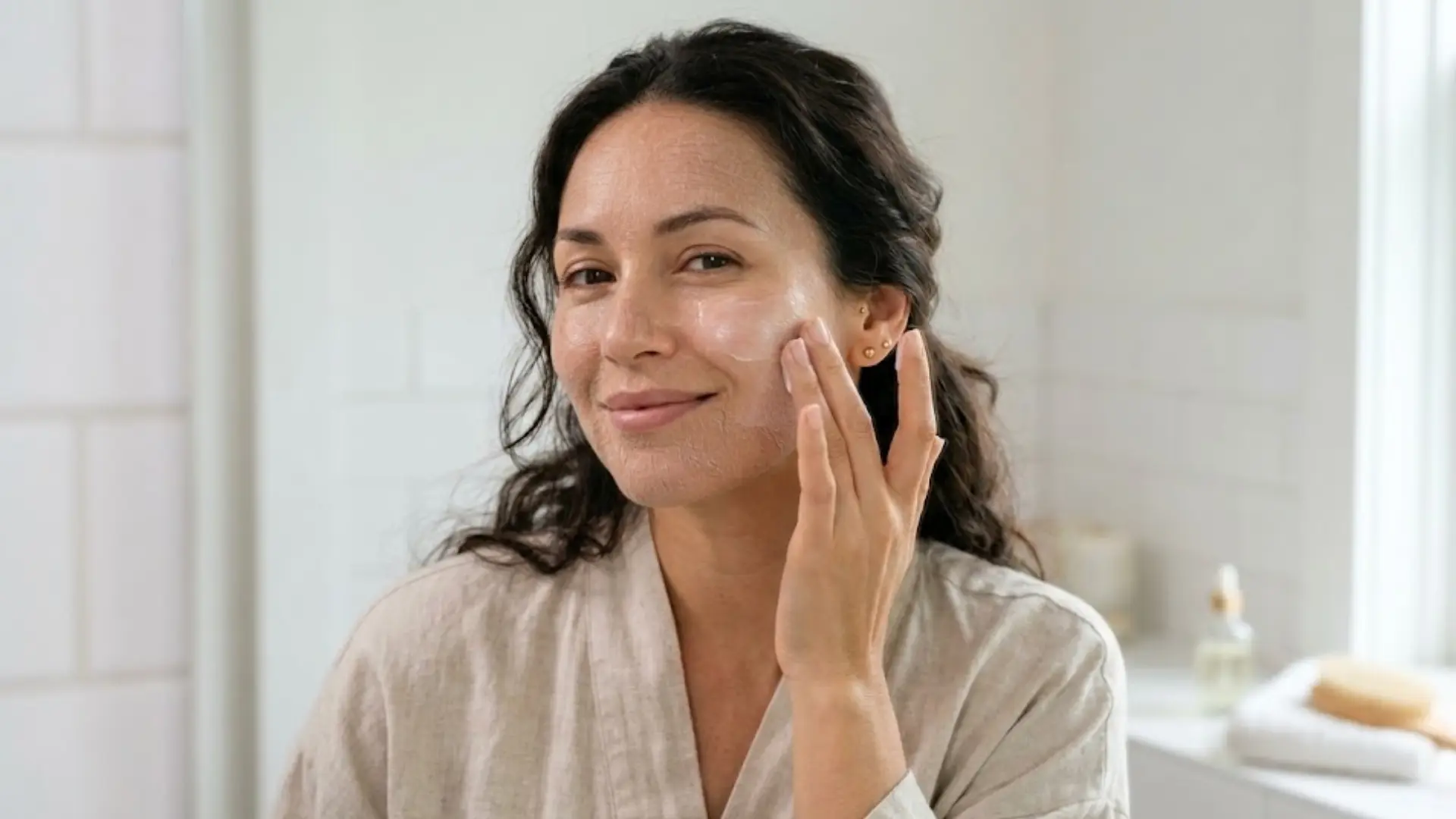
If you have dry skin, CeraVe Moisturizing Cream is honestly one of the best picks out there. The ceramides and hyaluronic acid work together to pull moisture into your skin and lock it in for hours.
It quickly reduces that uncomfortable tightness and flaking, leaving your face feeling soft, smooth, and comfortable all day long.
2. Sensitive Skin
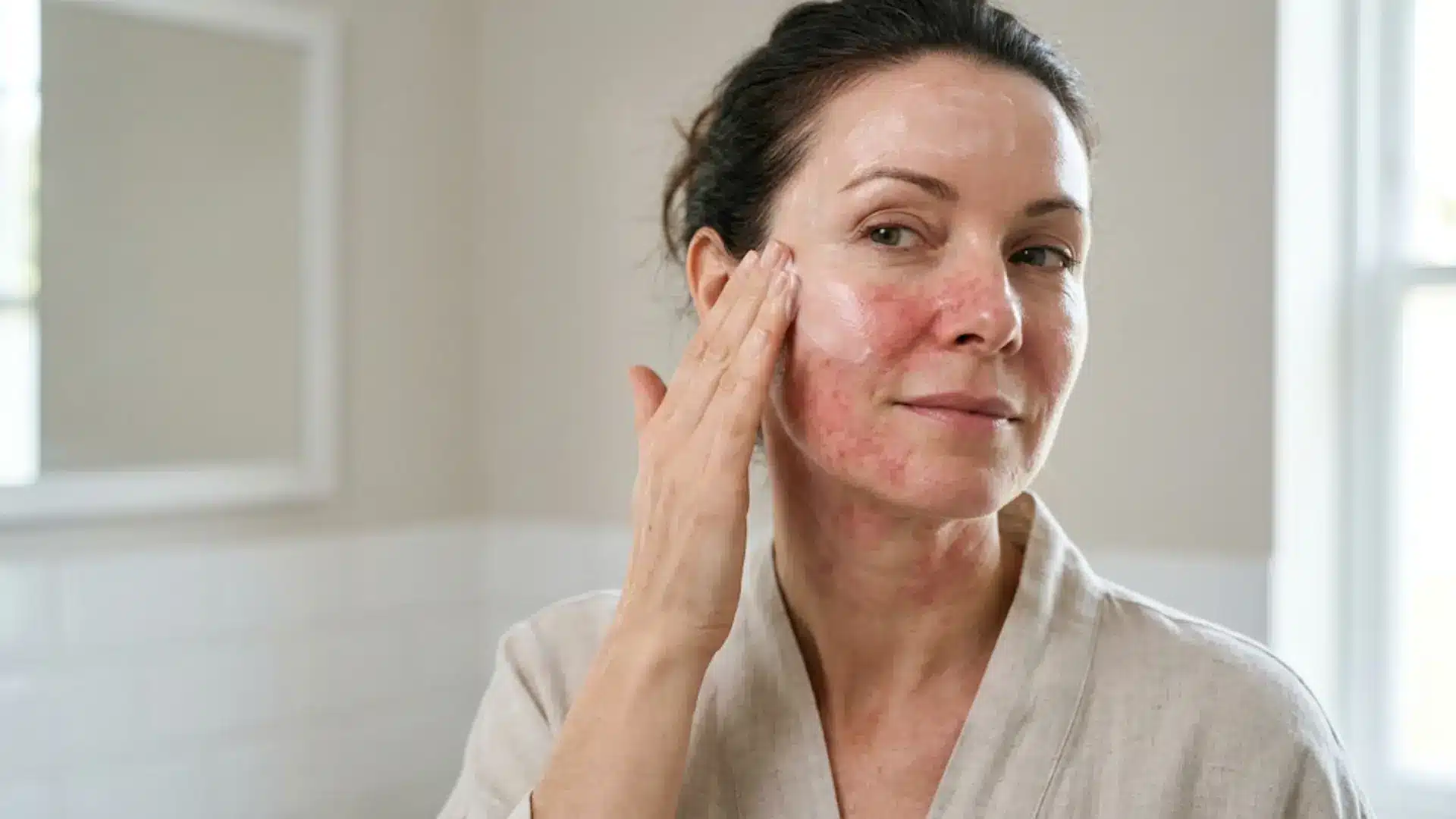
Sensitive skin needs ingredients that calm, not irritate, and CeraVe delivers exactly that. The formula is completely fragrance-free and free from common irritants, making it one of the gentlest moisturizers on the market.
I’ve seen it work well even on reactive skin that struggles with most products. It soothes without causing redness or discomfort.
3. Oily Skin

CeraVe Moisturizing Cream can feel a little too rich if your skin is on the oilier side. During the day, it might leave you looking greasy or uncomfortable.
However, it works much better as an overnight treatment for oily skin, giving your barrier the repair it needs while you sleep without the heavy daytime feeling.
4. Acne-Prone Skin

CeraVe Moisturizing Cream is non-comedogenic, so it’s designed not to clog your pores. It’s especially helpful if your skin is feeling dry or stripped from acne treatments like retinol or benzoyl peroxide.
That said, some users with very oily, acne-prone skin may find the texture too heavy, so listen to what your skin tells you.
5. Eczema or Damaged Barrier

For eczema-prone skin or a damaged skin barrier, CeraVe Moisturizing Cream is a go-to recommendation from dermatologists. The three ceramides directly target the root cause, a weakened barrier, and work to restore it over time.
It soothes itchy, inflamed skin and significantly reduces moisture loss, making it one of the most effective options for this skin type.
No matter your skin type, there’s a right way to use CeraVe. Find your match and give your skin the care it deserves.
Pros and Cons of Using CeraVe Moisturizing Cream
Before deciding if it’s right for you, let’s quickly look at the real pros and cons of CeraVe Moisturizing Cream for facial use.
| Pros | Cons |
|---|---|
| Affordable and budget-friendly | Can feel too thick for oily or humid climates |
| Provides long-lasting hydration for 24 to 48 hours | May pill under makeup for some users |
| Fragrance-free and gentle formula | Tub packaging may feel less hygienic; use a spatula if this concerns you |
| Helps repair the skin barrier | Might feel heavy during daytime use |
| Suitable for face and body | Not ideal for very acne-prone, oily skin |
Weigh these pros and cons carefully and consider your skin type. What works amazingly for one person may not feel right for you.
How to Use CeraVe Moisturizing Cream on Your Face
Using the right technique can make a big difference in how this cream feels on your face. Follow these simple steps to get hydration without heaviness or breakouts.
Step 1: Use Clean Hands Before Touching The Product
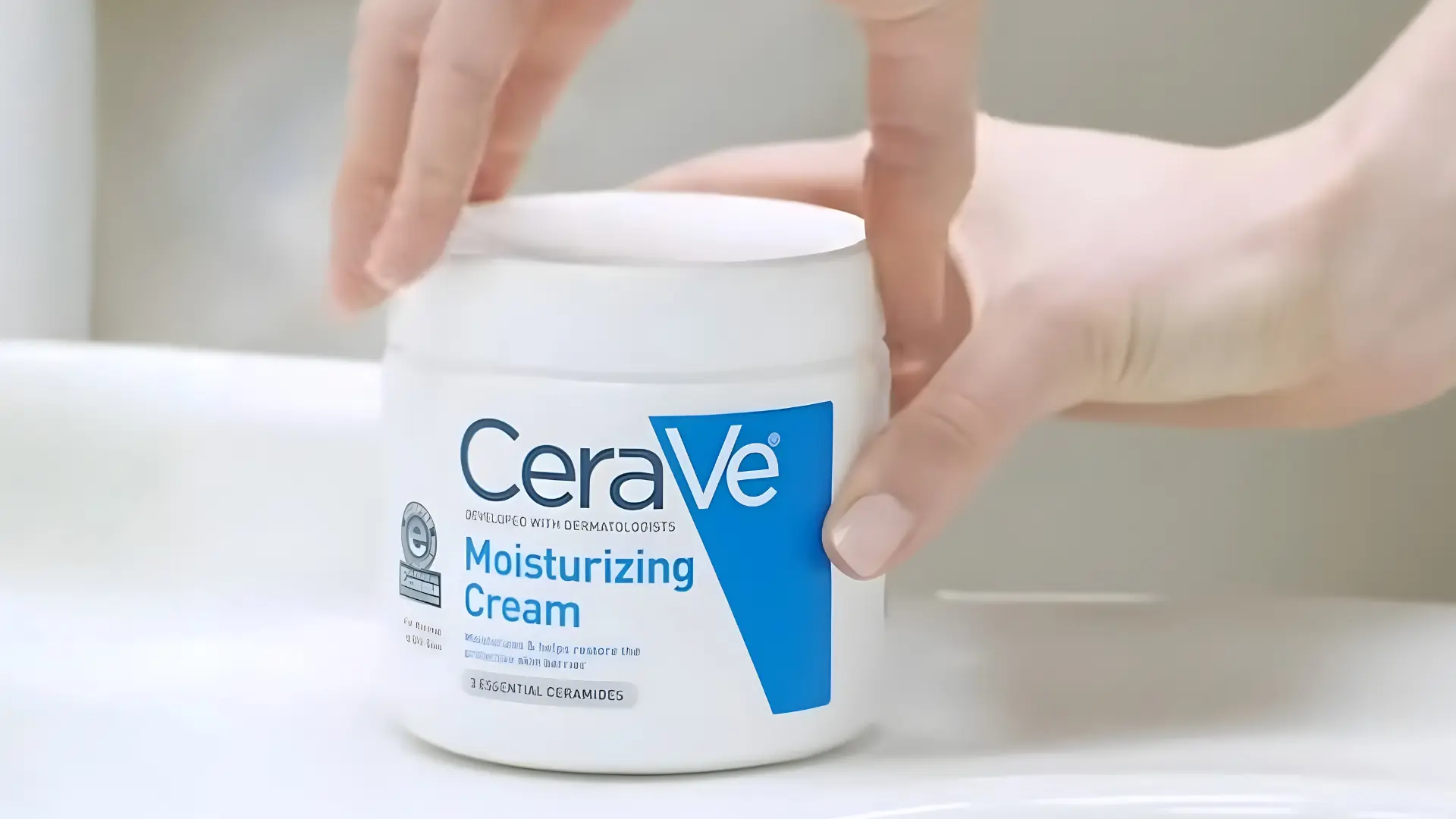
Always start by opening the tub carefully and gently. Make sure your hands are thoroughly clean and dry before touching the product to prevent transferring dirt, oil, or bacteria into the cream. Dirty hands can contaminate the formula and reduce its effectiveness over time.
If you’ve just washed your hands, let them dry completely first. Consider using a clean spatula or cosmetic spoon for even better hygiene. This simple habit keeps your cream fresh and safe for longer use.
Step 2: Use a Pea-Sized Amount
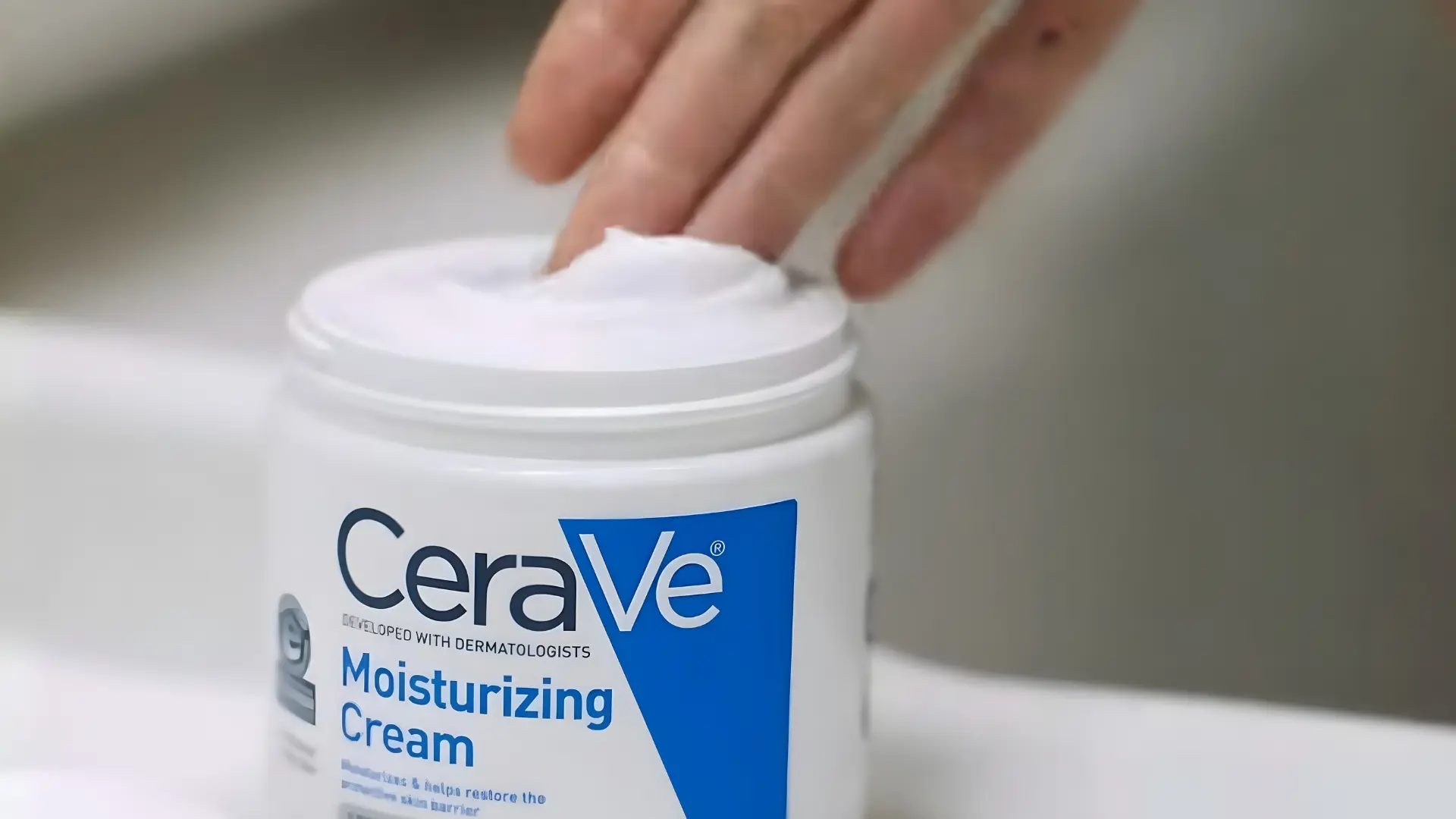
Scoop out a small, pea-sized amount of cream from the jar using your fingertip or a clean tool. The formula is rich and concentrated, designed to be highly effective in small quantities, so a little truly goes a long way.
Using too much product won’t give better results and may leave your skin feeling greasy or heavy. Start small and add more only if needed for your specific skin type. This approach also makes your product last longer.
Step 3: Rub in Your Hands Before Applying

Warm the cream between your fingertips by gently rubbing your hands together for a few seconds. This warming action helps break down the cream’s texture, making it easier to spread smoothly across your face.
When warmed, the product absorbs better and feels less thick or sticky on your skin. It also prevents tugging or pulling on delicate facial skin during application. This simple trick ensures even distribution and maximum absorption of all the beneficial ingredients.
Step 4: Apply to Your Face

Gently pat and smooth the cream across your face using upward and outward motions to lift and firm skin. Apply the product to slightly damp skin right after cleansing, if possible, as moisture helps lock in hydration and boost absorption.
Focus on areas that need extra attention, such as your forehead, cheeks, and the area around your eyes. Avoid harsh rubbing or dragging motions that can irritate skin or cause wrinkles.
Let the cream absorb naturally for the best results.
Watch the video for more details:
When you apply it the right way, this cream can feel comfortable and effective. Start slow, watch how your skin reacts, and adjust based on your skin type.
What the Community Says About Using CeraVe Moisturizing Cream
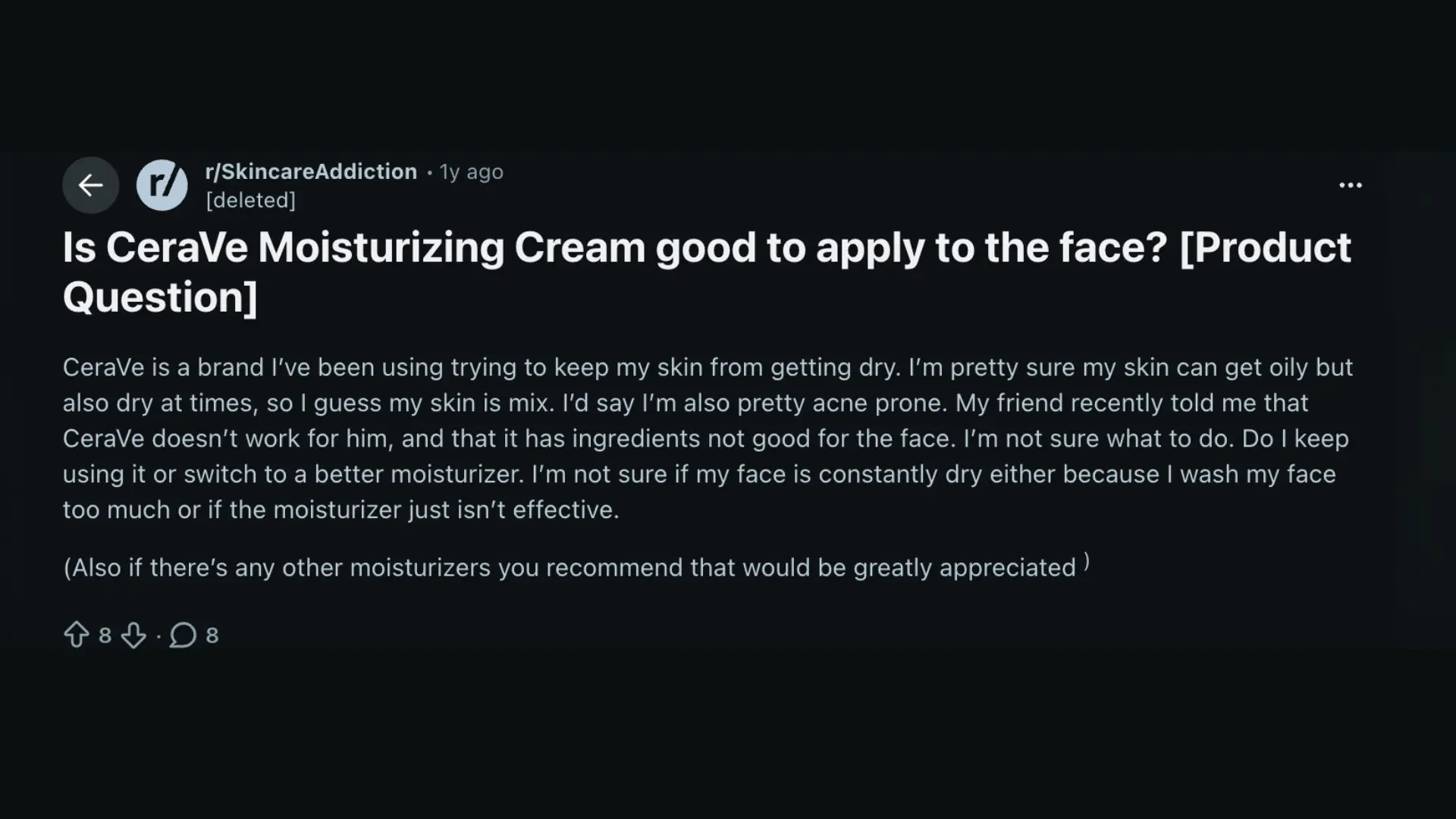
In a popular Reddit discussion, users weighed in on whether “Is CeraVe Moisturizing Cream good to apply to the face?” is good for the face.
One user with dry, sensitive skin shared that it works well daily, doesn’t make their skin tight or red, and they use it twice a day, though not under makeup because of its texture.
Others chimed in with tips, such as applying it to slightly damp skin or layering it after a serum to improve absorption.
Some noted that results can vary; what works for one person might not for another. A few mentioned that it might not suit very acne-prone or oily skin, and experiences were mixed.
This thread highlights that while many users find it hydrating and gentle, people with different skin types may react differently. It’s worth trying for yourself, but do a patch test and adjust based on how your skin responds.
Mistakes to Avoid When Using CeraVe Moisturizing Cream
Even a great moisturizer can backfire if used incorrectly. Here are some common mistakes to avoid when using CeraVe Moisturizing Cream on your face.
- Using Too Much: Applying more than a pea-sized amount can make your skin feel heavy, greasy, or cause pilling under makeup.
- Skipping Damp Skin: Not applying on slightly damp skin can reduce hydration and prevent the cream from locking in moisture effectively.
- Applying Overactive Ingredients Incorrectly: Layering directly over strong actives like retinol or acids without waiting may irritate the skin.
- Using During Daytime for Oily Skin: The rich texture may feel too heavy or shiny during the day for oily skin types.
- Ignoring Patch Tests: Not testing on a small area first can cause unexpected irritation for sensitive or reactive skin.
Avoiding these mistakes ensures you get the maximum benefits from CeraVe Moisturizing Cream. Start slow, observe your skin, and adjust your routine as needed.
Final Thoughts
After everything I’ve covered, here’s my honest bottom line: if you’re still asking, “Is CeraVe moisturizing cream good for the face?” my answer is yes, especially if you have dry, sensitive, or eczema-prone skin.
The ceramides help repair your skin barrier, the hyaluronic acid keeps you hydrated, and the simple, fragrance-free formula makes it safe for almost everyone.
I’ve seen it work wonders on my own skin during cold winters when nothing else seemed to help. It’s not perfect for oily skin types during the day, but as a night cream or for dry skin, it’s hard to beat.
Ready to give it a try? Drop your skin type in the comments and let me know how it works for you!