
I’ve always been curious about azelaic acid because I kept hearing about its acne-fighting and skin-brightening powers. But when I first tried it, I wondered, “Wait, is azelaic acid an exfoliant? Does it actually remove dead skin cells like other acids?”
If you’ve ever asked yourself the same question, you’re in the right place. In this blog, I’m going to break down exactly what azelaic acid is, how it works on your skin, and if it can act as a gentle exfoliant.
I’ll also share tips on how to use it safely, especially if you have sensitive or acne-prone skin. By the end, you’ll know if adding azelaic acid to your routine can help improve your skin’s texture and tone.
Understanding Azelaic Acid
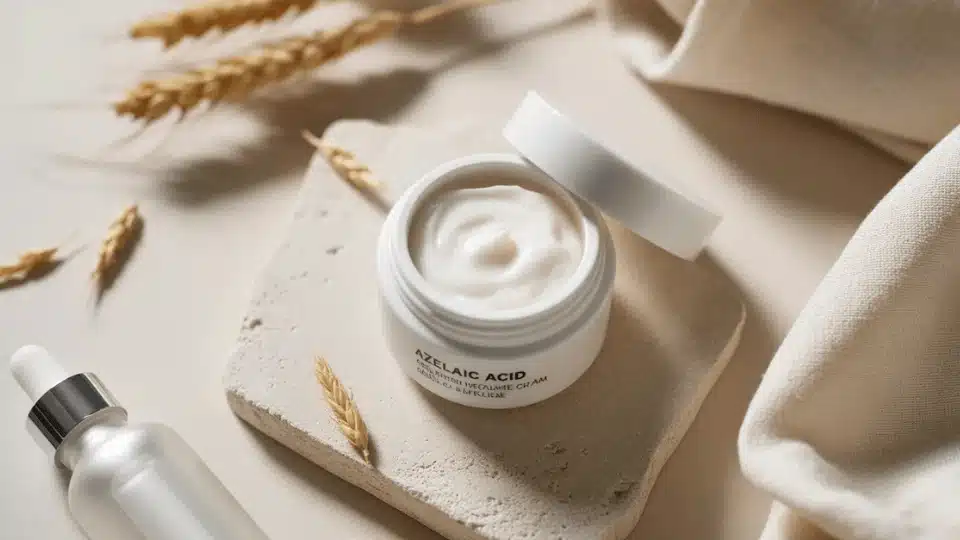
Azelaic acid is a natural ingredient derived from grains such as barley, wheat, and rye. In skincare, it usually comes in creams or gels that you can buy over the counter at about 10%, or in stronger prescription forms up to 20%.
What makes it really interesting is that it does more than just help with dead skin cells. It can fight acne, calm redness and irritation, and even help fade dark spots over time.
People with sensitive skin or conditions like rosacea often find it gentle enough to use daily. Basically, it’s a multitasker for your skin, helping it stay clear, smooth, and more even-toned without being too harsh.
Benefits of Azelaic Acid
Azelaic acid is a gentle but powerful skincare ingredient that can help with multiple skin concerns at once. Here’s a closer look at its benefits:
- Fights acne: Azelaic acid helps unclog pores and reduce bacterial growth on the skin, which can prevent new breakouts and effectively calm existing pimples.
- Calms redness and inflammation: Its anti-inflammatory properties soothe irritated or sensitive skin, making it ideal for conditions like rosacea or skin that easily reacts to products.
- Fades dark spots and hyperpigmentation: Regular use of azelaic acid can help lighten stubborn spots, acne scars, and uneven skin tone for a brighter, more balanced complexion.
- Smooths skin texture: By gently removing dead skin cells and promoting cell turnover, it leaves skin feeling softer, smoother, and more even without harsh irritation.
- Safe for daily use: Unlike stronger acids, azelaic acid is usually gentle enough for most skin types and can be incorporated into a morning or nighttime routine.
Overall, azelaic acid is a multitasker that improves acne, redness, discoloration, and texture, making it a great addition to a simple, effective skincare routine.
Is Azelaic Acid an Exfoliant?

Yes, azelaic acid is an exfoliant, but it works differently from traditional acids. Instead of deeply peeling the skin like AHAs or BHAs, it acts as a keratolytic, gently breaking down dead skin cells and helping unclog pores without causing harsh redness, burning, or irritation.
This makes it an excellent choice for people with sensitive, acne-prone, or rosacea-affected skin.
By promoting mild exfoliation, it not only smooths texture but also helps unclog pores and prepare the skin to better absorb other treatments, leaving the skin looking brighter and healthier over time
If you’re still wondering, “does azelaic acid exfoliate?”, the short answer is yes, just in a much gentler and less irritating way than stronger acids.
Exfoliating Properties of Azelaic Acid
Below are the key ways azelaic acid gently exfoliates, improves your skin, and overall texture and smoothness over time.
- Unclogs pores: Helps clear trapped dirt, oil, and dead skin cells that can cause breakouts and bumps.
- Removes dead skin cells: Gently sloughs off dull outer layers to reveal fresher, smoother skin underneath.
- Improves skin texture: Encourages cell turnover, leaving skin feeling soft, even, and more radiant over time.
- Reduces acne and blackheads: By exfoliating pores, it helps prevent new blemishes while improving the look of existing ones.
- Gentle enough for daily use: Works as a mild exfoliant without harsh irritation, making it suitable for most skin types.
These exfoliating actions make azelaic acid a multitasking ingredient that not only smooths the skin but also supports a brighter, clearer, and healthier-looking complexion over time.
Azelaic Acid vs. Other Chemical Exfoliants
When choosing between exfoliating acids, it helps to understand how each one works and who it’s best for. While azelaic acid is known for its gentle, calming properties, AHAs and BHAs offer stronger exfoliation for specific skin concerns.
| Feature | Azelaic Acid | AHAs (Glycolic, Lactic Acid) | BHAs (Salicylic Acid) |
|---|---|---|---|
| Acid Type | Dicarboxylic acid | Alpha Hydroxy Acid | Beta Hydroxy Acid |
| How It Exfoliates | Keratolytic breaks down dead skin cell bonds | Dissolves the “glue” holding dead cells on the surface | Oil-soluble penetrates deep into pores |
| Exfoliation Strength | Gentle | Moderate to strong | Moderate |
| Best For | Sensitive, acne-prone, rosacea, hyperpigmentation | Dull skin, uneven texture, dry skin, and anti-aging | Oily skin, blackheads, clogged pores, acne |
As you can see, azelaic acid stands out for its mild exfoliation and calming effects, making it a great option if your skin needs results without harsh irritation.
How to Use Azelaic Acid Effectively
Azelaic acid is easy to add to most skincare routines, but using it correctly makes a big difference. Here’s how to use it safely and effectively:
- Typical Concentrations: 10% is available over the counter, while 15–20% is prescription strength. Higher percentages may work faster but can increase sensitivity.
- Morning vs. Evening Application: Azelaic acid can be used once or twice daily, depending on skin tolerance. It is safe for morning use when followed with sunscreen.
- Layering With Other Actives: It pairs well with niacinamide and hyaluronic acid. Avoid using it in the same routine with strong AHAs, BHAs, or retinoids if your skin is sensitive.
- How to Prevent Irritation: Start 2–3 times per week, use a gentle cleanser, apply moisturizer after, and reduce frequency if redness or dryness appears.
When used consistently and carefully, azelaic acid can improve texture, calm redness, and support smoother skin without over-exfoliating.
Who Should Use Azelaic Acid as an Exfoliant?
Azelaic acid is a smart choice for people who want gentle exfoliation without strong irritation. It works especially well for sensitive skin, since it helps smooth texture while calming redness.
If you have acne-prone skin, it can unclog pores and reduce breakouts without making your skin overly dry. People with rosacea may also benefit because it soothes inflammation while lightly exfoliating.
It’s also helpful for those dealing with hyperpigmentation, as it can gradually fade dark spots and even out skin tone.
Most people can safely use azelaic acid once or twice daily, depending on their skin type and product strength. Still, it’s always best to start slow and do a patch test before regular use.
Common Mistakes to Avoid
Even though azelaic acid is gentle, using it incorrectly can reduce its benefits or irritate your skin. Here are the most common mistakes to watch out for:
- Overusing the product: Applying too much or too often can cause redness, dryness, or flaking.
- Layering with strong acids or retinoids: Combining with AHAs, BHAs, or retinol in the same routine may lead to over-exfoliation and irritation.
- Skipping sunscreen: Even gentle acids can make your skin more sensitive to UV damage, so SPF is essential.
- Not patch-testing first: Sensitive or rosacea-prone skin may react, so testing on a small area helps prevent surprises.
- Expecting instant results: Azelaic acid works gradually, so patience is key for improvements in texture, acne, and dark spots.
By keeping these tips in mind, you can use azelaic acid safely and enjoy smoother, clearer, and healthier-looking skin over time.
Final Takeaway
After spending time with azelaic acid, I can confidently answer the question, is azelaic acid an exfoliant? Yes, but in a gentle way. While it’s not as strong as glycolic or salicylic acid, it still exfoliates mildly, unclogs pores, and smooths the skin over time.
I love that it works well even for sensitive or rosacea-prone skin, making it a versatile addition to many skincare routines. The best part is seeing improvements in texture, redness, and dark spots without harsh irritation.
If you’re thinking about trying azelaic acid, start slow, pay attention to how your skin reacts, and pair it with sunscreen during the day. Try it to see how it transforms your skin and share your experience in the comments below.