
You clear a breakout, think you’re in the clear, then notice stubborn red marks still staring back at you. I’ve been there, and I know how frustrating it feels when your skin won’t fully reset.
If you’re searching for how to get rid of red spots on your face, the key is understanding what those marks actually are and treating them the right way. In many cases, they’re temporary redness left behind after inflammation.
In this guide, I’ll walk you through why red spots appear, how long they last, simple home remedies, a practical skincare routine, and when it’s time to see a dermatologist.
Once you understand the cause, it becomes much easier to choose the right treatment.
Why Red Spots Appear After Acne
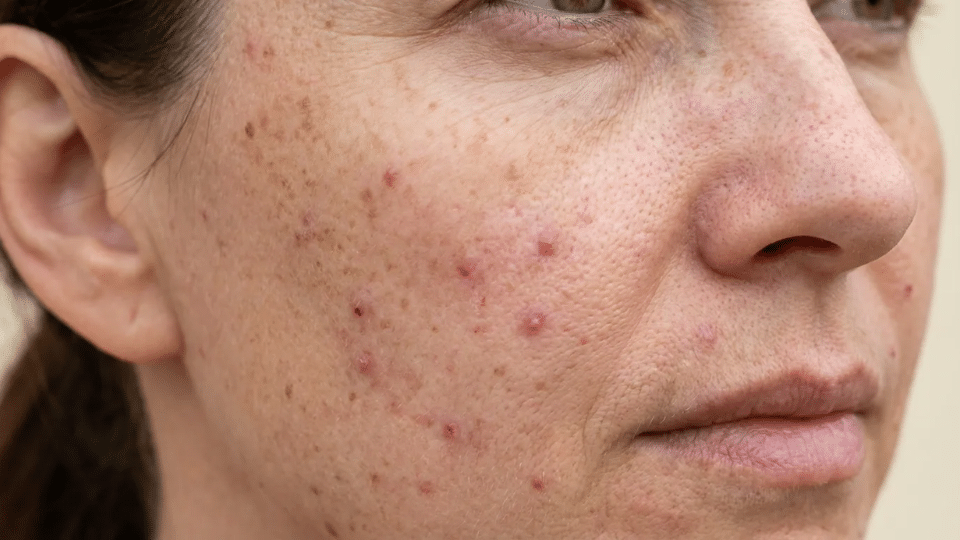
After a breakout heals, it’s common to notice flat red or pink marks left behind. These marks are called post-inflammatory erythema (PIE). They appear because acne causes inflammation under the skin. When the pimple fades, tiny blood vessels near the surface can stay widened for a while, which keeps the skin looking red.
This lingering redness happens because inflammation increases blood flow to the area while the skin heals. In skincare science, this type of redness happens because inflammation increases blood flow to the area while the skin heals.
The good news is that these marks are not true scars. They usually fade gradually as the skin gradually returns to normal.
Certain habits can make them last longer. Picking or squeezing pimples pushes inflammation deeper into the skin and slows healing.
Sun exposure can also keep redness visible because UV rays stimulate pigment and irritation. In addition, using too many strong skincare ingredients at once may further irritate the skin and delay recovery.
How to Get Rid of Red Spots Naturally
Before you reach for strong actives or treatments, I’ve found that a few gentle at-home remedies can already make a noticeable difference. When redness is mild or fairly new, simple soothing steps can make a noticeable difference.
In many cases, supporting your skin while it heals naturally is far more helpful than jumping straight into stronger products.
1. Cold Compress
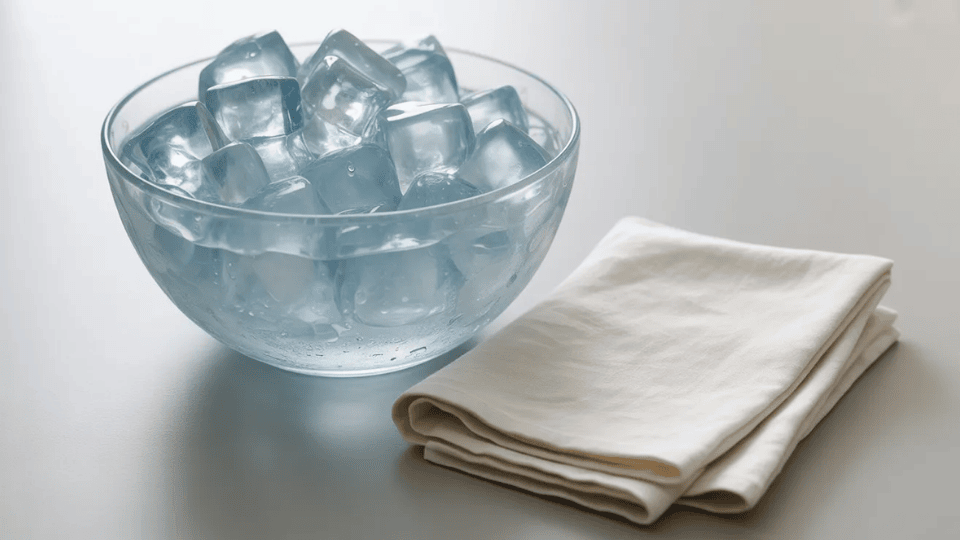
A cold compress is one of the quickest ways to calm swelling and redness after a breakout. Wrap a few ice cubes in a clean cloth; never apply ice directly to the skin because it can irritate the surface.
Hold the compress gently against the red spot for one to two minutes. Repeat two or three times a day, especially soon after the breakout settles.
Cold temperatures help narrow the small blood vessels that make the skin appear red. This can visibly calm the area within minutes.
In my experience reviewing post-breakout care routines, this is one of the simplest ways to reduce the flushed look of skin after inflammation.
2. Aloe Vera Gel
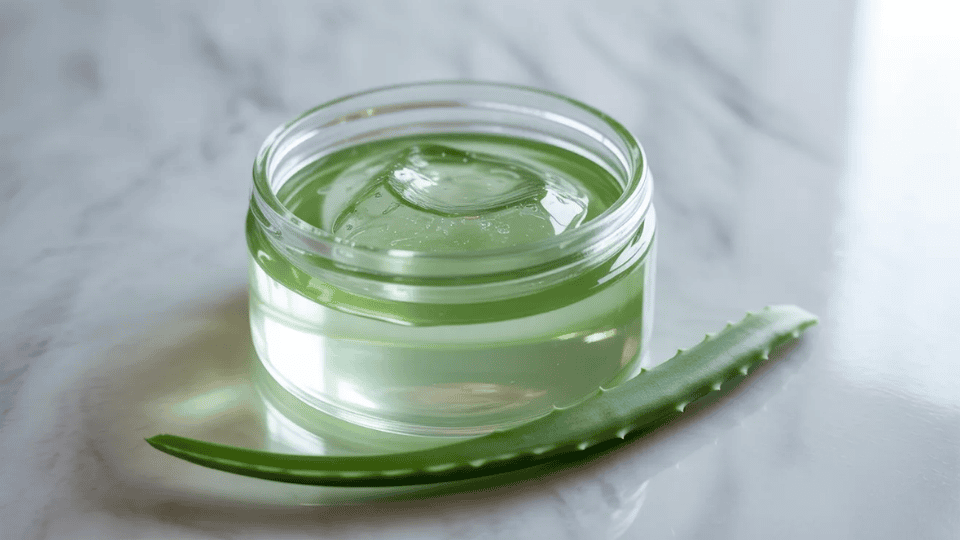
Aloe vera is widely used for irritated or inflamed skin because it contains soothing compounds like aloin and acemannan that support skin recovery.
Apply a thin layer of pure aloe vera gel to the affected area after cleansing. Leave it on for twenty to thirty minutes, or overnight if your skin tolerates it well.
Use it daily for consistent results. Aloe is gentle enough for most sensitive skin types and works well before applying a moisturiser.
When testing skincare formulas, I have noticed aloe tends to work best when the ingredient list is simple and free from alcohol or heavy fragrance.
3. Green Tea Compress
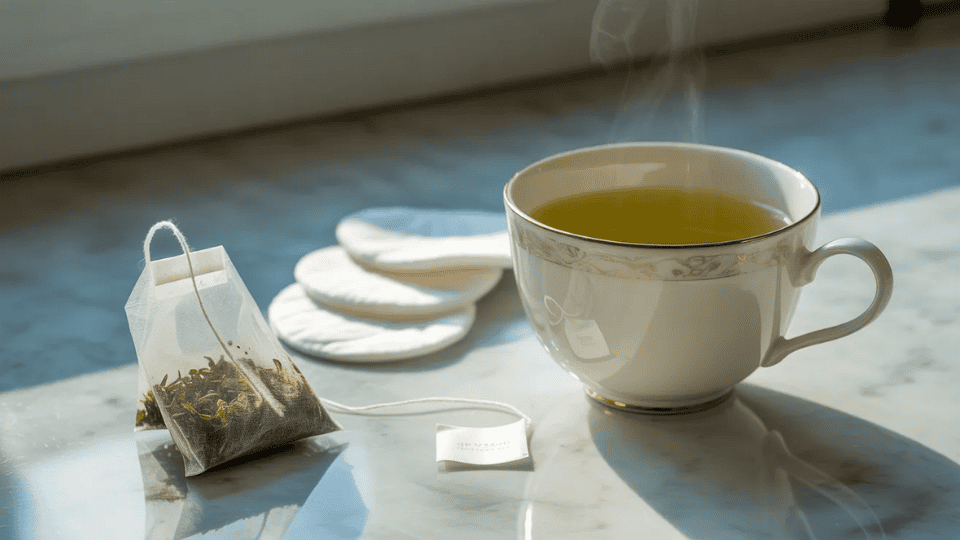
Green tea contains epigallocatechin gallate (EGCG), a powerful antioxidant that has been shown to reduce inflammation in the skin.
To use it:
- Brew green tea and allow it to cool.
- Soak a cotton pad in the tea
- press gently on the skin for five to ten minutes
You can also place cooled tea bags directly on the skin. This is a simple method dermatologists sometimes suggest because it’s both gentle and low risk.
4. Honey (Raw or Manuka)
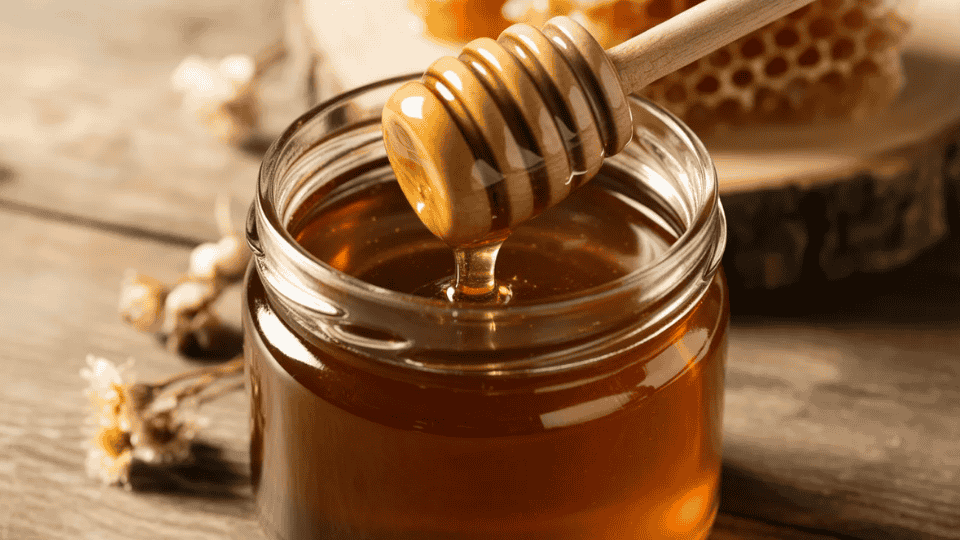
Raw honey, particularly Manuka honey, has natural antibacterial and skin-soothing properties that support recovery after breakouts.
Apply a small amount directly to red spots and leave it on for 15 to 20 minutes before rinsing with lukewarm water.
Use it three to four times a week as a spot treatment or a light face mask.
In practice, I usually suggest using honey as a short mask rather than leaving it on overnight, especially for acne-prone skin. This helps reduce stickiness while still giving the skin time to benefit from its soothing properties.
5. Turmeric and Yogurt Mask
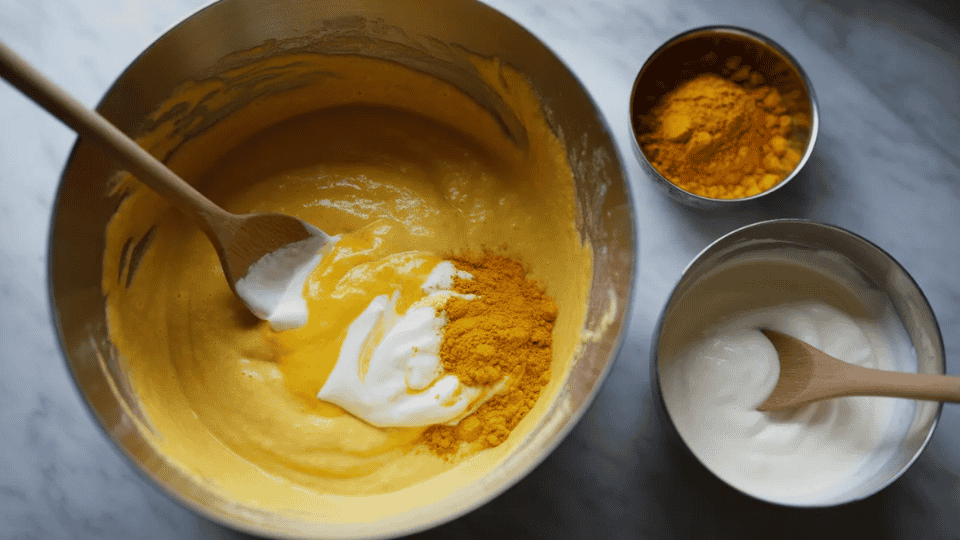
Turmeric contains curcumin, a compound known for its anti-inflammatory properties that may help calm redness over time.
Mix a small pinch of turmeric with one tablespoon of plain yogurt to create a paste. Apply it to the affected area, leave it on for ten to fifteen minutes, then rinse thoroughly.
Use this mask once or twice a week. Turmeric can temporarily tint the skin yellow, especially on lighter skin tones, so keep the amount small and rinse well.
The yogurt adds lactic acid, which gently exfoliates the surface of the skin and supports the gradual fading of red marks.
Safety Note: Home remedies work best for mild redness and recent marks. They are not a replacement for medical treatment if you are dealing with deeper scars or long-lasting discoloration. If redness persists for several months or continues to worsen, it is best to consult a dermatologist for proper evaluation and treatment.
Skincare Routine to Fade Red Spots Faster
The right routine can make a real difference. In my experience, a simple, steady routine helps red spots fade faster and prevents new ones from forming.
When I work with skincare basics or test routines myself, consistency is always what brings the best results. Here’s a clear step-by-step routine you can follow to support your skin’s healing and keep redness under control.
Step 1: Use a gentle, fragrance-free cleanser twice daily. Avoid harsh scrubs and hot water. Pat dry to protect your skin barrier and reduce inflammation.
Step 2: Apply a 5–10% niacinamide serum after cleansing to calm redness and strengthen your skin barrier with consistent use.
Step 3: Use salicylic acid 2–3 times weekly to prevent new breakouts. Avoid layering too many active ingredients to prevent irritation.
Step 4: Apply a stable vitamin C serum in the morning to brighten skin and support faster fading of red spots.
Step 5: Wear SPF 30 or higher daily. Sunscreen prevents darkening and helps red spots fade more quickly.
Stay consistent with this routine daily, avoid overusing active ingredients, and give your skin at least four weeks to respond.
Best Products for Red Spots on Face (Acne-Related)
These are widely used products that dermatologists and skincare professionals often recommend. Always patch test new products, especially if your skin is sensitive.
Here’s a clear breakdown of product types and who each works best for, no overselling, just practical guidance.
| Category | Budget Option | Mid-Range Option | Sensitive Skin Option | Best For |
|---|---|---|---|---|
| Niacinamide Serums | The Ordinary Niacinamide 10% | Paula’s Choice 10% Niacinamide Booster | La Roche-Posay Toleriane Serum | Redness, enlarged pores, uneven tone |
| Spot Treatments | Clean & Clear Persa-Gel (Benzoyl Peroxide) | Mario Badescu Drying Lotion (Sulfur) | Tula Acne Control Serum | Active breakouts + preventing new spots |
| Redness-Calming Moisturisers | Cetaphil Moisturising Cream | First Aid Beauty Ultra Repair Cream | Avène Cicalfate Restorative Cream | Barrier repair, soothing irritated skin |
| Sunscreens for Acne-Prone Skin | Neutrogena Clear Face SPF 55 | EltaMD UV Clear SPF 46 | La Roche-Posay Anthelios Fluid SPF 50 | Daily UV protection without clogging pores |
Consistency matters more than the price tag; even budget picks deliver results when used correctly within a solid routine.
When to Visit a Dermatologist
Home care can calm many red spots, but sometimes professional help is the better step. If marks stay visible for three to six months without improvement, a dermatologist can check what is really happening under the skin.
Persistent redness may be post-inflammatory erythema, early scarring, or another condition that needs targeted treatment. If breakouts keep returning despite a steady routine, medical advice can also help prevent new marks from forming.
Dermatologists may recommend treatments such as topical retinoids or azelaic acid to reduce inflammation and support skin renewal. In some cases, procedures such as chemical peels or vascular laser therapy are used to improve stubborn redness.
Getting expert guidance early often helps prevent long-term skin changes and speeds up recovery.
How Long Do Red Spots Take to Fade?
Healing time varies depending on skin type, severity, and the level of care the skin receives.
- Mild redness (fresh, surface-level marks): a few weeks with the right routine
- Moderate redness (older or more inflamed marks): 2–3 months
- Severe or deep marks: may take longer to improve and sometimes need professional treatment
What affects healing time the most: sun exposure, continued breakouts, picking habits, and whether a consistent routine with the right actives is in place. Skin also naturally renews itself every 28–40 days, so patience, paired with the right products, is the real formula here.
Final Thoughts
By now, you have a clearer understanding of why red spots linger after acne and what you can realistically do about them.
I’ve covered why red spots appear, simple remedies that calm inflammation, and a skincare routine that helps them fade faster, key ingredients like niacinamide and vitamin C, and the role that sunscreen plays in fading marks faster.
I’ve also outlined when professional help makes sense. The biggest takeaway is consistency. Your skin heals in cycles, and steady care works better than aggressive treatments.
Start with one or two changes, stick to them daily, and give your skin time to respond. If this helped you, share your experience or pass it along to someone dealing with post-acne redness.