

There’s a question that sits in the back of my mind every time a meal ends close to a planned workout: Should you wait, or just go? The discomfort of a poorly timed session can derail even the best workout plans.
Stomach cramps, sluggishness, and that heavy, full feeling mid-rep are more common than most people admit. The honest answer is that timing depends on what you ate, how much, and what kind of training is on the schedule.
I’ll help you understand exactly how long to wait before working out after eating, with clear timing rules, the science of digestion, and practical strategies to help you train smarter.
What Happens in Your Body After You Eat?
Before getting into timing rules for how long to wait to work out after eating, it helps to understand what digestion is actually doing while you lace up your shoes. After a meal, my stomach starts breaking down the food.
Carbohydrates move through relatively quickly, while fats and fiber slow the process. Blood flow shifts toward the digestive system to support this activity.
When I start exercising, my body redirects blood toward working muscles, which is exactly why training on a full stomach can cause problems. The gut loses the blood supply it needs, digestion slows or stalls, and undigested food stays in the stomach longer.
Knowing how long after eating to work out matters because high-intensity movements, running, jumping, and heavy lifting make this conflict worse.
Understanding this process makes the timing guidelines feel less like arbitrary rules and more like basic physiology.
How Long to Wait to Work Out After Eating?
Timing varies based on meal size and training type. If you’re wondering how long after eating to work out, the answer depends largely on what you ate and how intense your session will be.
Here’s a simple breakdown to help you plan your next session around food without guesswork:
| Meal Type | Recommended Wait Time | Best For |
| Large meal | 3–4 hours | Heavy lifting, HIIT, running |
| Small meal | 2–3 hours | Moderate strength or cardio |
| Light snack | 30–60 minutes | Short sessions, light activity |
Intensity is the deciding factor; the harder the session, the more digestion time the body needs before performance, and comfort can both hold up.
What Influences Workout Timing After Eating?
From my experience, four factors consistently determine whether a workout feels good or goes sideways, and meal size is just the starting point.
Food-Related Factors
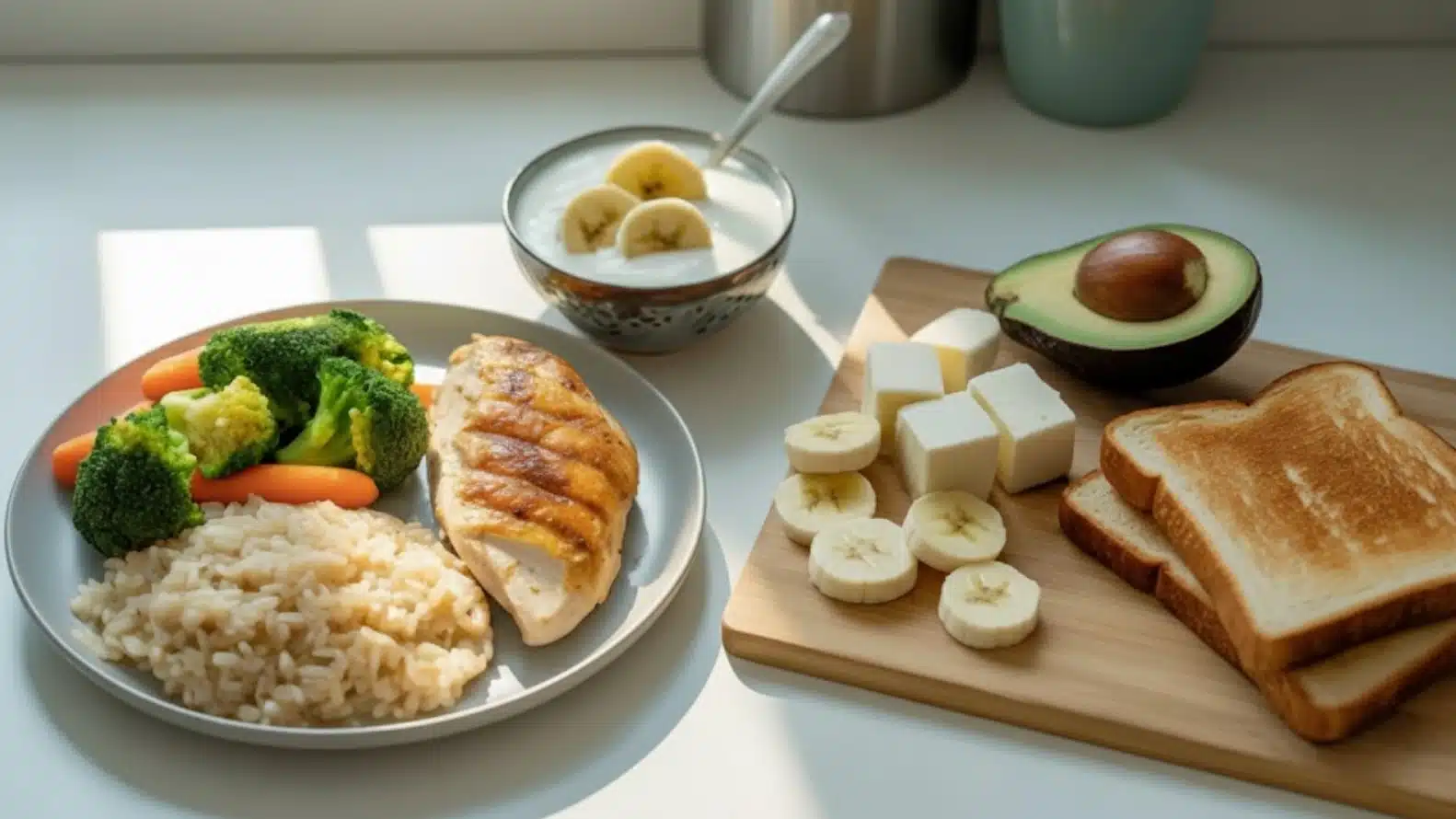
What you eat and how much of it directly control how long it takes for digestion to feel manageable before training:
- Meal size: A full plate with protein, complex carbs, and fats should be consumed 3 to 4 hours before intense training. A small snack clears the stomach in 30 to 60 minutes.
- High-fat meals: Creamy pasta, fried foods, and heavy burgers slow gastric emptying significantly compared to simpler options like toast and eggs.
- High-fiber foods: Legumes, raw vegetables, and whole grains can cause bloating mid-session and are best avoided close to training time.
- Simple carbohydrates: Fruit, white rice, and plain crackers digest faster and cause the least disruption before a workout.
Keeping fat and fiber low when eating close to training is one of the most reliable ways to avoid discomfort.
Training and Personal Factors

Beyond food, the type of session planned and how your gut responds personally will shape the timing more than any general rule.
- Low-intensity: Activities like walking and light yoga work well with shorter wait times and rarely cause stomach issues after eating.
- HIIT and running: These place the highest demand on the cardiovascular system and require the most complete digestion beforehand, typically 3 hours after a full meal.
- Heavy strength training: Compound lifts create intra-abdominal pressure that conflicts with a full stomach; a 2-3 hour gap works best.
- Personal gut tolerance: Some people handle food before training well; others feel off with even a light snack. Tracking meal timing against how each session feels builds a reliable personal pattern.
No two people respond to pre-workout eating the same way, so testing and adjusting matters as much as following a fixed rule.
How Different Workouts Change the Timing Rule
Not every workout puts the same demand on your digestive system. Understanding how each training style interacts with digestion helps you schedule meals with far greater precision and confidence.
1. High-Intensity Training (HIIT)

HIIT requires the longest wait, ideally 3 hours after a full meal. The combination of fast movements, elevated heart rate, and repeated impact creates the highest risk for nausea and cramping.
Even a moderate meal two hours out can feel uncomfortable when jumping jacks and sprints are involved.
2. Running and Endurance Training
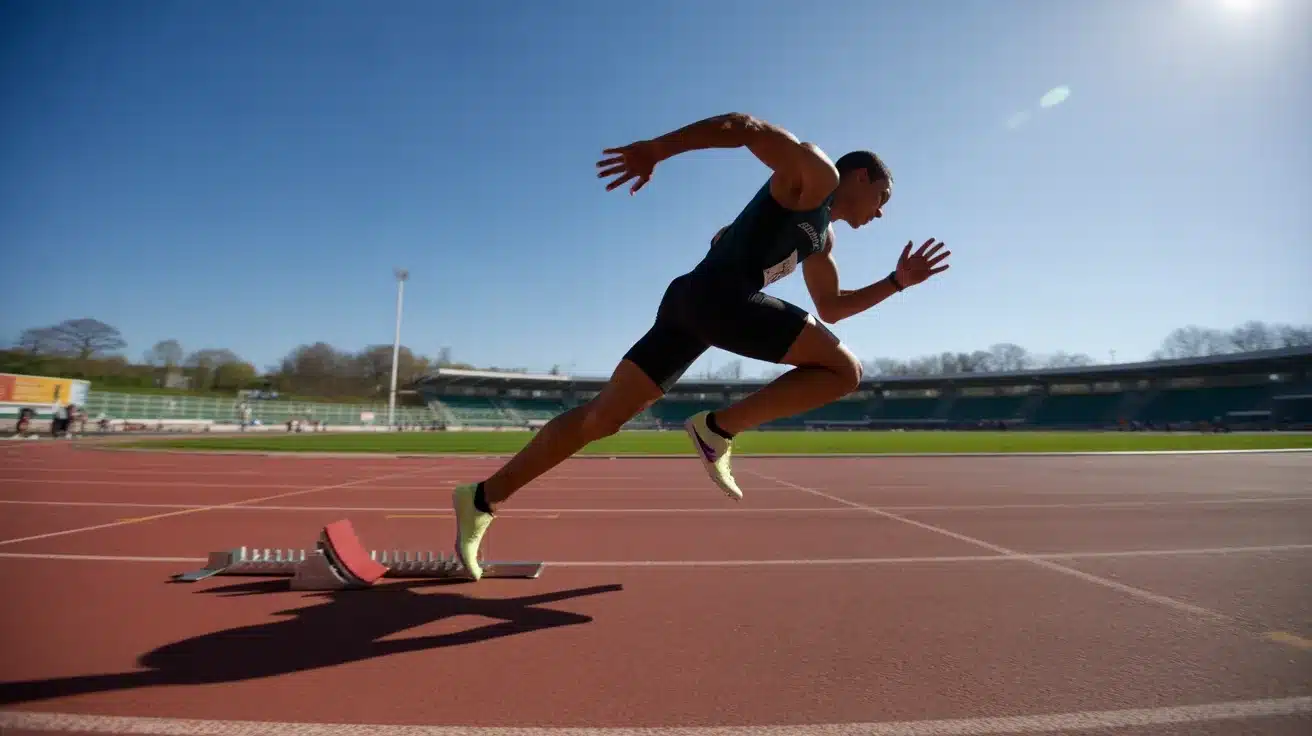
Runners consistently report more GI distress than any other group. The repetitive up-and-down motion jostles stomach contents, and at longer distances, this becomes a real performance issue.
Distance runners especially benefit from giving themselves the full 3 to 4 hours after a larger meal, or keeping pre-run fuel to a small, easily digestible snack.
3. Strength Training
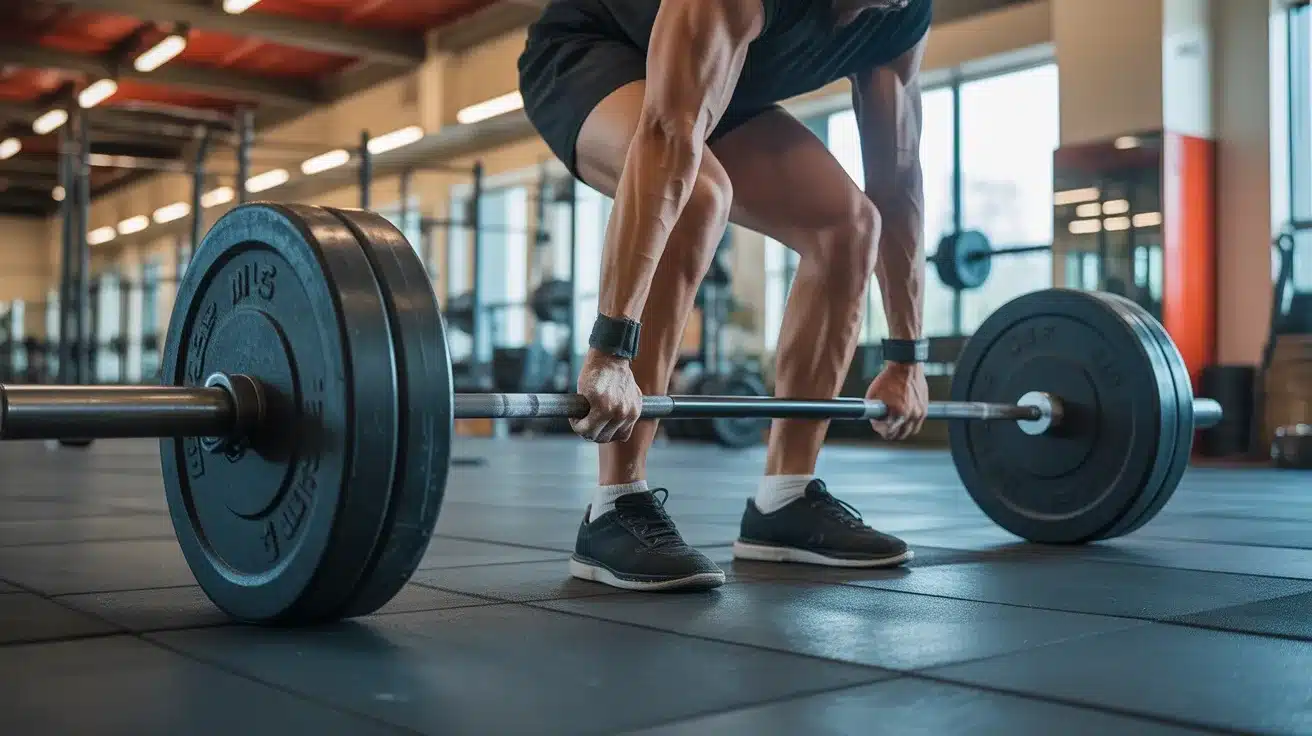
Heavy compound lifts, squats, deadlifts, and bench press create enough intra-abdominal pressure that a full stomach becomes a genuine problem.
A 2- to 3-hour window after a moderate meal tends to work well. Lighter accessory work or machine-based training is more forgiving and can often be done closer to the 1.5-hour mark.
4. Walking After Eating

Walking is one of the few forms of exercise that actually pairs well with eating. Research supports a short 10 to 15-minute walk after meals as a tool to manage post-meal blood sugar spikes and support digestion.
It doesn’t compete with the digestive system the way intense training does, making it a useful habit even immediately after eating.
5. Yoga and Low-Impact Exercise

Gentle yoga flows and light stretching can generally begin 60 to 90 minutes after a small meal. The exception is deep twisting poses, which compress the abdomen and can cause reflux or discomfort if food is still being digested.
Staying with more open, restorative poses right after eating is a safer approach.
Research and Reports on Post-Meal Exercise Timing
A review in the Sports Medicine journal explains that high-intensity exercise can slow gastric emptying, especially above moderate effort levels, partly because blood flow shifts toward working muscles and away from the digestive system.
That shift is linked to nausea, cramping, and stomach discomfort when you train too soon after eating. Research on activity right after eating shows that gentle movement can affect how your body handles food.
A study by the National Library of Medicine found that walking soon after a meal limits the rise in blood sugar more than waiting an hour before moving. A small trial found that brisk walking right after a meal kept blood glucose lower for the first two hours compared to walking later.
Light movement shortly after eating often feels easier and supports digestion at a comfortable pace. Research confirms that adjusting both intensity and timing can meaningfully improve comfort and performance.
What to Eat If You Plan to Work Out Soon?
When training is only an hour or two away, food choices matter as much as timing. The goal is to give the body quick energy without slowing digestion down. Here’s a clear difference between what to eat and what to avoid:
| Best Pre-Workout Foods | Foods to Skip |
| Banana or ripe fruit | Carbonated drinks |
| Plain toast or rice cakes | Anything fried or heavily sauced |
| Oats with no added fat | Full-fat dairy |
| Low-fat yogurt with fruit | Legumes and cruciferous vegetables |
| Rice and lean protein bowl | High-fiber whole grains close to training |
Keeping fat and fiber low while leaning toward simple carbs fuels the body efficiently and avoids the digestive delay that disrupts training.
What Happens If You Train Too Soon After Eating?
In my experience, this is one of the most common ways a solid workout plan falls apart. Training too close to a large meal usually results in at least one of the following: stomach cramps, nausea, a heavy, bloated feeling, reflux, or a noticeable drop in performance.
In most cases, this is uncomfortable but not dangerous. The body cannot direct enough blood to both digest food and power muscles at the same time, so both processes suffer. For people managing conditions like GERD or acid reflux, the stakes are higher.
Lying back on a bench or performing core-heavy exercises with a full stomach can trigger reflux symptoms, leading the a cut short session.
In those cases, a longer wait and a smaller pre-workout meal are not just helpful, they are the baseline.
Practical Tips for Timing Your Workout After Eating
Getting your meal timing right can make or break a training session. These practical guidelines help you fuel smarter, feel better during exercise, and get more from every workout:
- Scale meal size to training intensity: A light session allows for a shorter wait, while a demanding workout calls for more time between eating and hitting the gym
- Keep pre-workout carbs simple: The closer a meal is to training, the easier the carbohydrate should be to digest, think fruit or rice over pasta or bread
- Avoid high-fat meals before intense cardio: Fat significantly slows gastric emptying, which can cause discomfort during HIIT or running
- Track your personal tolerance: Individual digestion varies widely; keep a simple log to identify what timing and food choices work best for your body
- Sip water steadily rather than all at once: Drinking a large volume right before exercise adds to that heavy, uncomfortable feeling mid-session
- Use a short walk as a bridge: A post-meal walk supports digestion and transitions naturally into a structured warm-up when it is time to train
With a little planning and self-awareness, you can dial in a pre-workout nutrition routine that supports performance, reduces discomfort, and keeps energy levels consistent across every session.
Final Thoughts
Getting the timing right between eating and working out is one of the simplest ways to improve how a training session feels from start to finish. My general rule is to treat meal timing as part of the workout prep, not an afterthought.
For most people, a 2 to 3 hour buffer after a moderate meal hits the sweet spot between having enough energy and avoiding digestive discomfort. Larger meals need more time, snacks need less, and workout intensity should always factor into the decision.
A little planning about how long to wait before working out after eating goes a long way toward more consistent, comfortable, and productive training sessions. Drop a comment below and share your perspective.