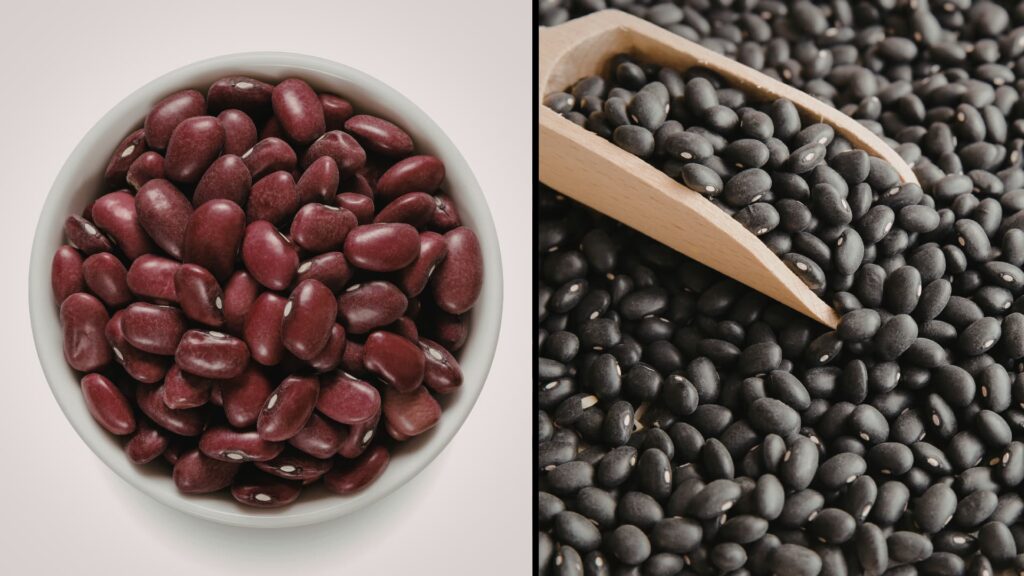

I remember when I first started paying closer attention to the foods on my plate. Small swaps suddenly felt important. I wasn’t trying to overhaul everything, just understand what I was actually eating.
The topic of black beans vs pinto beans nutrition came up while planning simple, everyday meals. I noticed that both showed up in healthy recipes, but I wasn’t sure if one offered more benefits than the other.
If you’re trying to eat more mindfully, whether for weight balance, energy, or long-term health, understanding these small differences can help.
Below, I break down their nutrition clearly, explain what those differences mean in real life, and share how each may support specific health goals.
Black Beans vs Pinto Beans Nutrition: Quick Comparison
If you like seeing numbers clearly, this table makes things simple. I’ve placed black beans and pinto beans side by side so you can quickly compare calories, protein, fiber, and key minerals without guessing.
| Nutrient | Black Beans (1 cup cooked) | Pinto Beans (1 cup cooked) |
|---|---|---|
| Calories | 227 | 245 |
| Protein | 15 g | 15 g |
| Fiber | 15 g | 15 g |
| Carbohydrates | 41 g | 45 g |
| Fat | 1 g | 1 g |
| Iron | 3.6 mg | 3.6 mg |
| Magnesium | 120 mg | 85 mg |
| Folate | 256 mcg | 294 mcg |
| Potassium | 611 mg | 746 mg |
Values are based on USDA averages for cooked beans without added salt.
When I first compared these numbers side by side, I expected a clear winner. Instead, I realized how similar the two beans actually are nutritionally. The differences show up mostly in minerals rather than calories or protein.
What These Nutritional Differences Mean in Real Life
It’s easy to focus on numbers without asking whether they matter.
The slightly lower calorie count in black beans may appeal if you’re tracking intake closely. That said, the difference of around 18 calories per cup is minimal in a balanced meal.
- Pinto beans provide more potassium, which plays a role in blood pressure regulation and fluid balance.
- Black beans contain more magnesium, which supports muscle function, nerve health, and energy metabolism.
In practical terms, both beans contribute meaningfully to daily fiber intake. One cup provides about half the recommended daily fiber for many adults, which is significant.
It’s easy to focus on numbers without asking whether they matter. I used to compare small calorie differences closely, but over time, I realized that the overall meal matters far more than choosing one bean over another.
Black Beans vs Pinto Beans for Specific Diet Goals
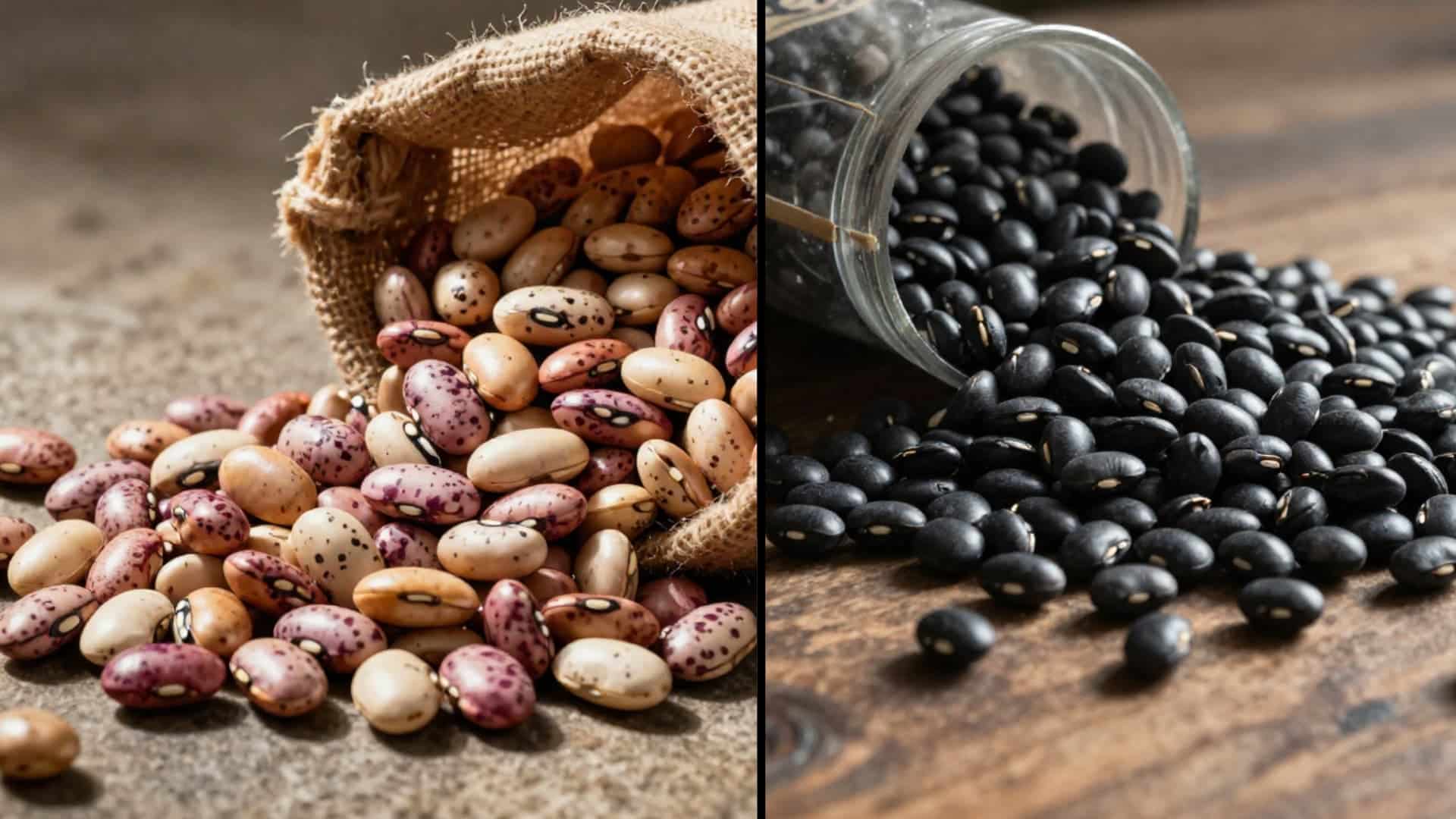
Your health goal matters when choosing between black beans and pinto beans. Small nutritional differences may support specific needs better.
1. For Weight Loss
If you’re trying to lose weight, fiber plays a big role. Both beans help increase fullness, which may reduce the urge to snack between meals. Black beans have slightly fewer calories per cup, but the difference is small.
What truly matters is portion size and how you build your meals. Pairing beans with vegetables and whole grains can help create balanced, filling meals that support steady weight control without feeling restricted.
In my own meals, I’ve noticed that beans help keep me full longer than many other carbohydrate foods. That fullness often makes it easier to avoid unnecessary snacking later in the day.
2. For Muscle Building
When building muscle, protein intake becomes important. Each provides a similar amount of plant protein per serving.
While beans alone do not provide all essential amino acids, you can combine them with rice or whole grains to create a complete protein. This pairing supports muscle repair and recovery after workouts.
Including beans regularly in meals can help increase overall protein intake in a simple and affordable way.
3. For Diabetes or Blood Sugar Control
For blood sugar management, fiber and slow digestion matter most. Both beans digest gradually, which helps prevent sudden spikes in blood sugar after meals. Their low glycemic impact makes them a steady carbohydrate source.
When paired with lean proteins and vegetables, they support balanced meals that keep energy levels stable. Choosing whole, minimally processed beans instead of refined carbs can make a meaningful difference in maintaining steady blood sugar throughout the day.
4. For Heart Health
Heart health depends on nutrients like potassium, magnesium, and fiber. Pinto beans provide slightly more potassium, which helps regulate blood pressure.
Black beans offer more magnesium, which supports muscle and heart function. They also contain soluble fiber, which research links to improved cholesterol levels over time.
Adding either bean regularly to meals can support cardiovascular health. Consistency matters more than small differences, so choosing the one you enjoy most helps maintain heart-friendly eating habits.
5. For Plant-Based Diets
If you follow a plant-based diet, beans are a valuable protein source. Both black beans and pinto beans provide plant protein along with fiber and key minerals.
While they are not complete proteins alone, combining them with grains like rice or quinoa supplies all essential amino acids. This simple pairing supports balanced nutrition without animal products.
Including a variety of legumes throughout the week helps ensure you meet your protein and micronutrient needs effectively.
Taste, Texture, and Cooking Uses
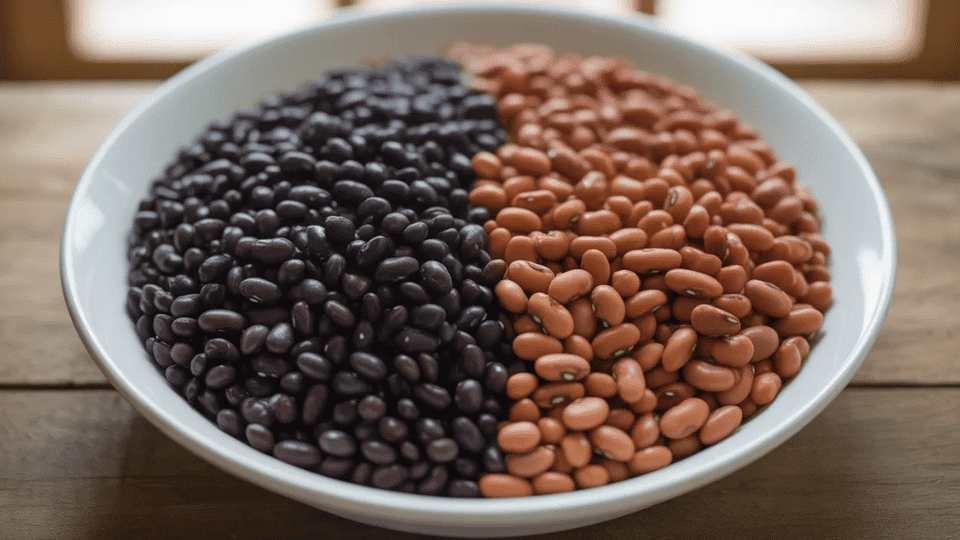
Taste and texture often influence your choice more than nutrition. Even small differences can change how a dish feels and tastes on your plate.
1. Flavor Differences
Black beans usually have a mild, slightly earthy flavor that blends easily with spices and seasonings. Because of this balanced taste, they work well in many dishes without overpowering other ingredients.
Pinto beans have a softer, creamier flavor with a slightly nutty note. Their taste often feels richer when cooked slowly. These flavor differences explain why black beans often appear in Latin rice dishes, while pinto beans commonly appear in stews, burritos, and refried bean recipes.
2. Texture Comparison
The texture of these beans changes how they work in different recipes. Black beans tend to hold their structure after cooking, making them reliable for salads and grain bowls.
Pinto beans soften more easily, which creates a smoother consistency in stews, chili, and mashed bean dishes. The difference in texture often plays a bigger role in recipe choice than nutrition does.
When I cook with black beans, I usually add them to rice bowls or salads because they keep their shape well. Pinto beans, on the other hand, tend to become softer, which is why they work so well in chili or refried dishes.
3. Popular Dishes for Each Bean
Black beans are commonly used in dishes such as rice bowls, tacos, burrito fillings, soups, and salads. Their firm texture works well when the beans need to stay whole.
Pinto beans appear frequently in traditional Mexican and Southwestern cooking. They are widely used in chili, refried beans, bean stews, and burritos.
Because they soften easily during cooking, pinto beans create creamy textures that work well in warm comfort foods. When you enjoy your food, healthy eating feels easier to maintain.
Black Beans vs Pinto Beans: Which Should You Choose?
Choosing between black beans and pinto beans often depends on your cooking needs and personal taste.
Black beans are often preferred when you want beans that keep their shape well in dishes like salads, rice bowls, tacos, or grain-based meals. Their slightly firmer texture works well when the beans need to remain whole after cooking.
Pinto beans are usually chosen for recipes that benefit from a softer, creamier texture. They are commonly used in refried beans, chili, and slow-cooked stews because they break down easily, creating a smoother consistency.
From a nutrition perspective, both beans provide fiber, plant protein, and essential minerals. Including either bean regularly can support a balanced diet and provide valuable nutrients for everyday meals.
Conclusion
After comparing them side by side, it’s clear that both options offer strong nutritional value. When looking at black beans vs pinto beans nutrition, the differences are present but not dramatic.
Minerals like potassium and magnesium vary slightly, yet the bigger benefit comes from including legumes in your meals regularly. Both beans provide fiber, plant protein, and steady energy that support everyday health.
Your final choice can come down to texture and cooking style. If you prefer firmer beans for bowls or salads, black beans may suit you. If you enjoy softer beans for chili or refried dishes, pinto beans work well.
Add one to your meals this week and decide which fits your routine best.