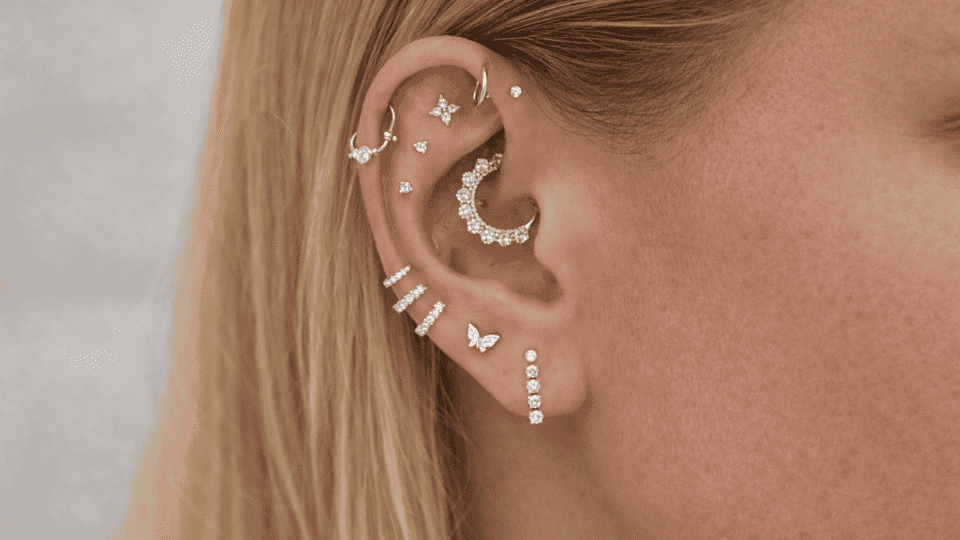

There is something quietly mesmerizing about a small dark spot on someone’s face, the kind that sits just above a lip or rests near an eye. What starts as a simple skin feature quickly becomes a conversation about identity, culture, and history.
My interest in the meaning of beauty marks on the face goes beyond skin deep. These tiny marks have carried weight across centuries, from aristocratic drawing rooms to K-beauty trends.
Before dismissing them as random pigmentation, it is worth understanding why humans across cultures, from ancient China to 18th-century Paris, assigned them such rich, layered meaning. Let me walk you through it all.
What Makes a Beauty Mark More Than Skin Deep
To understand why beauty marks carry meaning, it matters first to separate fact from folklore. Medically, a beauty mark is simply a melanocytic nevus, a cluster of pigment-producing skin cells.
Most adults carry between 10 and 40 moles on their bodies, and facial ones are no more special biologically than any other. The cultural story, though, is where things get genuinely interesting to me.
Across centuries and continents, facial marks became symbols of status, spirituality, and personality. Chinese face reading (Mian Xiang), European aristocratic fashion, South Asian folklore, and modern social media trends all assigned meaning to the same small spot.
Keeping that framework in mind, cultural belief, not medical science, shapes everything that follows in this guide.
A Brief History of Beauty Marks
The story of beauty marks is not a straight line from fear to fashion; it is a series of sharp cultural reversals that reveal much about how societies decide what is beautiful and what is threatening.
1. Medieval Europe: Fear Before Fashion

Long before beauty marks carried any sense of allure, they were treated with deep suspicion. In medieval Europe, unusual skin marks were connected to witchcraft and labeled the “devil’s mark.”
Women with visible moles faced intense scrutiny during witch trials. The very spot that would later signal glamour once signaled genuine danger, a striking reminder of how dramatically cultural meaning can shift across generations and borders.
2. The 18th-Century Beauty Patch Trend

By the 1700s, European aristocrats had completely reversed the narrative. Artificial beauty patches, tiny silk or velvet shapes called mouches, became a social language of their own.
Placement carried deliberate meaning: near the eye signaled passion, on the cheek indicated flirtation, and on the forehead conveyed dignity. Originally used to conceal smallpox scars, their symbolic coding outlasted the scars and shaped how facial marks were read for centuries.
3. Hollywood and the Modern Beauty Mark
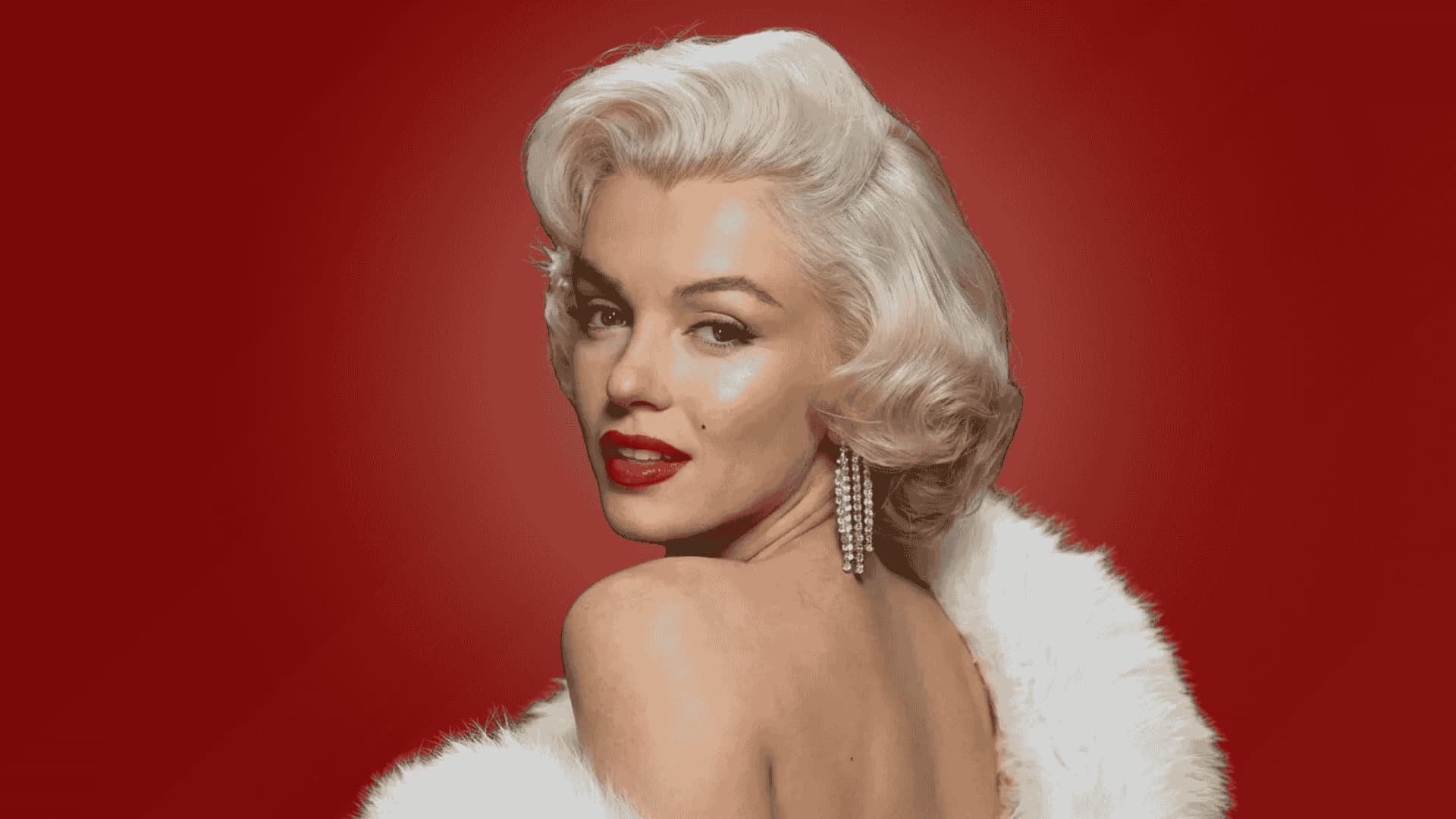
Marilyn Monroe’s mark above her lip became one of the most recognized faces in the world. Elizabeth Taylor and Cindy Crawford further reinforced the idea that a well-placed facial mark was not a flaw but a defining feature.
By the mid-20th century, beauty marks had shifted from aristocratic signaling to mass cultural shorthand for allure, memorability, and an effortless kind of confidence that cameras and audiences never forgot.
Beauty Marks by Location: A Complete Face Guide
Beauty marks on the face have carried meaning across cultures and traditions for centuries. Where a mark sits on your face is said to reveal something about your personality, destiny, or strengths. Here is a breakdown of what each location is commonly believed to represent:
| Location | Common Meaning | Cultural or Traditional Link |
|---|---|---|
| Forehead | Intelligence and strong destiny | Tied to career path and intuition in face reading |
| Near the Eyebrow | Leadership and ambition | Represents drive and a goal-oriented personality |
| Near the Eye | Emotional depth and sensitivity | Sometimes linked to passion and strong feelings |
| Cheek | Bold personality and determination | Connected to fame and a strong will in some traditions |
| Near the Nose | Wealth and financial luck | Placement on the side vs tip carries different meanings |
| Above the Lip | Sensuality and grace | Historically linked to flirtation in 18th century Europe |
| On the Lip | Charisma and communication | Said to represent strong and expressive communication skills |
| Chin | Determination and stability | Linked to travel or groundedness in some beliefs |
| Jawline | Strength and resilience | Sometimes associated with natural leadership qualities |
These meanings vary across different cultures and belief systems, so take them as fun insights rather than definitive truths. Whether or not you believe in face reading, it is a fascinating way to look at something most people consider purely cosmetic.
Cultural Beliefs About Beauty Marks Around the World
Different cultures did not arrive at beauty mark symbolism independently; each system reflects deeper values about what the face reveals about a person’s character, fortune, and place in the world.
1. Chinese Mole Reading (Mian Xiang)
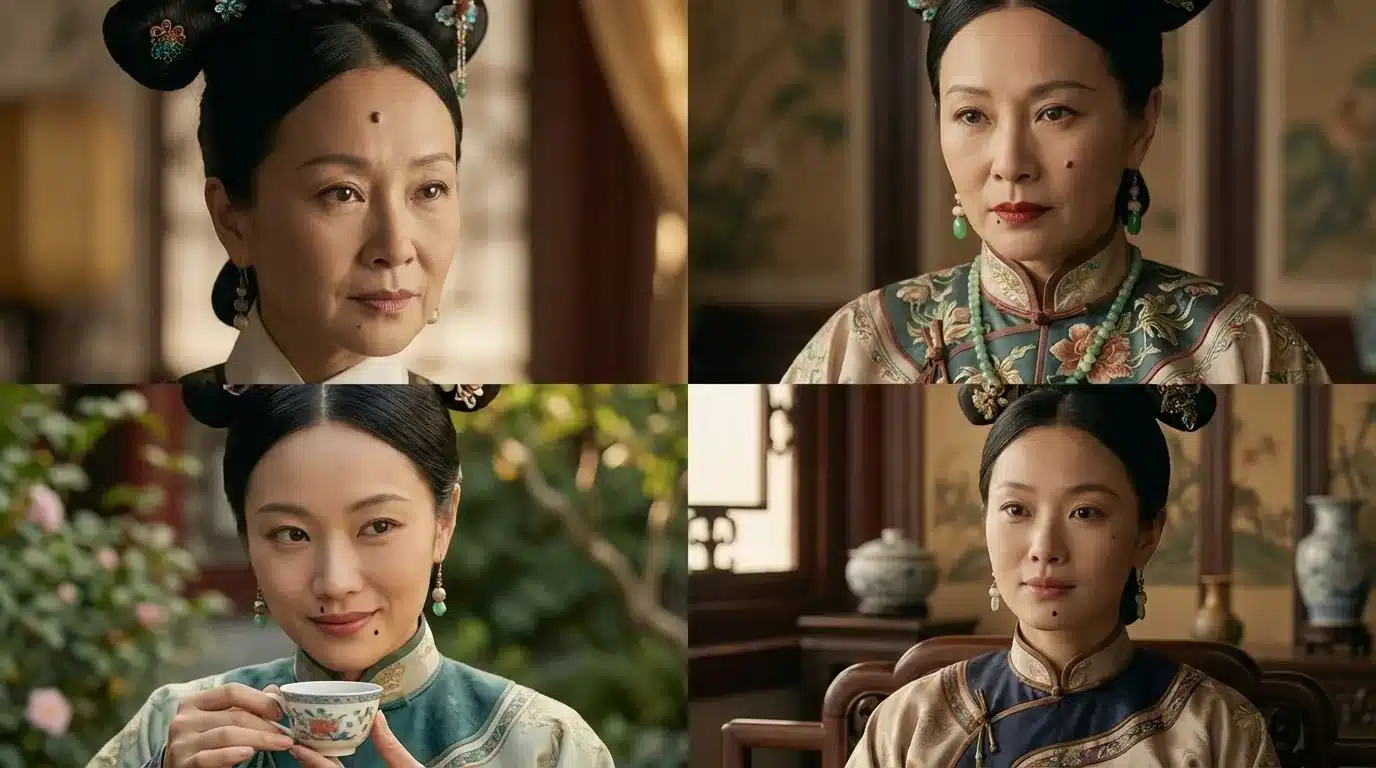
Mian Xiang, or Chinese face reading, is one of the most structured systems for interpreting facial marks, where placement directly determines fortune and life path:
- Forehead: Wisdom and career potential
- Cheek: Social authority and influence
- Near the lip: Wealth and food luck
- Chin: Stability and comfort in later life
Round, dark, and smooth marks are considered most fortunate, while irregular or faded ones carry less positive weight within this deeply practiced tradition.
2. Korean Beauty Culture

Korean beauty culture approaches facial marks with a distinctly playful, modern energy, turning symbolism into a tool for personal style and aesthetic expression:
- Eyeliner dots: Used to draw on temporary beauty marks
- Adhesive stickers: Popular among younger K-beauty fans
- Placement near the lip: Creates softness with definition
- Under-eye marks: Adds a youthful, puppy-eyed effect
The trend shows how the same concept travels across cultures and transforms entirely in meaning, shifting from spiritual significance to deliberate visual identity.
3. Indian and South Asian Beliefs

In several South Asian traditions, facial marks carry strong ties to spiritual protection, functioning as natural shields against negative energy and unseen forces:
- Near the eye: Seen as a guard against nazar (the evil eye)
- On the cheek: Associated with charm and social grace
- Forehead marks: Linked to divine favor and inner strength
- Drawn marks on infants: Applied historically for protective purposes
These beliefs reveal how deeply facial symbolism runs across generations, connecting personal appearance to family care, cultural identity, and long-held spiritual values.
Do Beauty Marks Mean Different Things for Men and Women?
Beauty marks carry different meanings depending on gender, culture, and context. Here is a simple comparison of how they are perceived differently for men and women:
| Aspect | Men | Women |
|---|---|---|
| Cultural Perception | Sign of ruggedness and natural masculinity | Associated with femininity, classiness, and allure |
| Placement Significance | Less emphasis on placement in beauty standards | Specific placements carry stronger beauty associations |
| Historical Context | Less tied to deliberate beauty trends | Linked to 18th century beauty patch trends |
| Modern Beauty Standards | Increasingly adopted as an attractive feature | Long celebrated as a timeless beauty trademark |
| Symbolic Meaning | Associated with character and individuality | Linked to sensuality and classic beauty ideals |
Regardless of gender, beauty marks are ultimately seen as unique personal features that add character and distinction. How they are perceived often says more about cultural standards than the mark itself.
Are Beauty Marks Lucky?
A round, dark, and clearly defined mark in a favorable location, such as the cheek, upper lip, or chin, is generally seen as auspicious. Marks that appear irregular, faded, or positioned near the ear or within a crease may carry more cautionary meaning.
What I find most compelling about this tradition is that the idea of a lucky mole moves well beyond superstition. It sits within a structured belief that physical features genuinely reflect inner character, personal strengths, and life path.
It is a framework that treats the face not as decoration but as a map worth reading carefully.
The Medical Side: When to Pay Attention
Cultural meaning aside, any change in your skin’s appearance deserves medical attention. Dermatologists recommend using the ABCDE rule:
- Asymmetry
- Border irregularity
- Color variation
- Diameter larger than 6mm
- Evolving shape or size
A mark that has been stable for years is generally nothing to worry about. A mark that is changing, bleeding, or growing needs professional evaluation. Cultural symbolism and medical responsibility are not mutually exclusive; you can appreciate the meaning without ignoring the biology.
A Final Thought
What makes beauty marks on the face meaningful and fascinating is not whether they predict fortune or personality, but the fact that humans across wildly different cultures, across thousands of years, kept finding meaning in the same small spot on a face.
My take is that this says more about people than it does about moles. We look for patterns. We assign significance to features because it helps us connect, categorize, and make sense of one another.
Whether the mark above your lip means “flirtation” in French aristocratic tradition or “wealth” in Chinese face reading, what it really signals is something simpler: you are noticed. Drop a comment below and tell me what your beauty mark means.