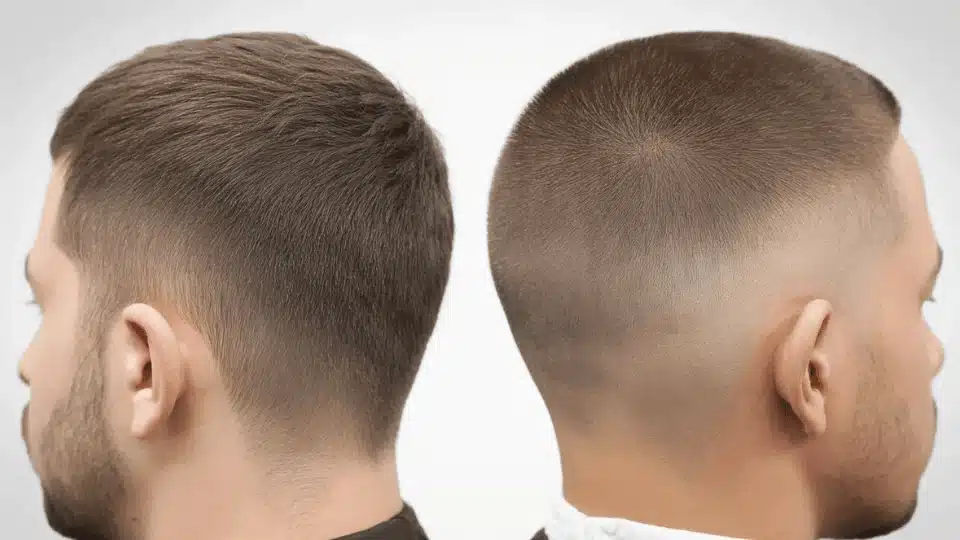
When I first started learning about fade haircuts, I kept hearing two terms again and again: bald fade and skin fade. At first, they sounded the same, and honestly, many people use them interchangeably.
However, there are small differences in how barbers cut and blend these styles. Both haircuts create a clean transition from longer hair on top to very short sides, but the way the hair fades down to the skin can vary slightly.
Here, I’ll explain the difference between a bald fade and skin fade, how each style is cut, which one may suit you better, and other fade styles you should know before your next haircut.
Why Everyone Gets Bald Fade vs Skin Fade Mixed Up?
If you search “bald fade vs skin fade” online, you’ll find a hundred different answers. Some say they’re the same thing. Some say they’re totally different. And honestly? That’s exactly why people are so confused.
Both cuts take the hair on the sides and back all the way down to the skin. So when you look at them side by side, they look almost identical. That’s why even barbers use the two names like they mean the same thing.
And a lot of the time, they do. But there are some small differences in the tools used, the sharpness of the blend, and the rate at which the hair tapers. These little details are what set them apart. Let’s break it all down simply.
What is a Bald Fade Haircut?
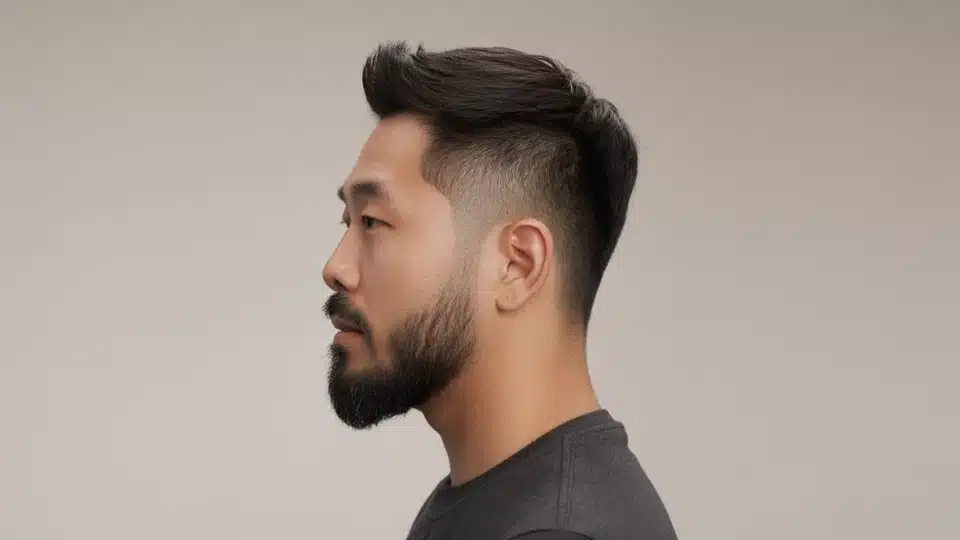
A bald fade haircut is a style in which the hair on the sides and back gradually tapers down to completely bare skin. The top stays longer while the bottom is shaved clean.
How a Bald Fade is Cut
When creating a bald fade, barbers usually follow a few careful steps to achieve a smooth transition from longer hair to bare skin:
Step 1: Hairis shortened with clippers: The barber first uses clippers to remove most of the hair on the sides and back, setting the base length.
Step 2: The fade is blended gradually: Different clipper guards are used to shorten the hair as it moves down the head.
Step 3: Bottom is shaved clean: A foil shaver or razor removes all remaining hair at the base, leaving the skin completely smooth.
Step 4: Edges are refined: Finally, the barber cleans up the hairline and blends any harsh lines for a sharp, polished finish.
This careful blending process is what gives the bald fade its crisp, modern look.
Key Features of a Bald Fade
A bald fade is easy to recognize because it creates a very clean and sharp look. Here are some of the main features that make this haircut stand out.
- Skin-level finish: The fade goes all the way down to bare skin at the bottom, which creates a very clean edge.
- Strong contrast: The longer hair on top and the shaved sides create a clear distinction, making the style look bold.
- Smooth blending: Barbers carefully blend the hair so it gradually transitions from longer hair to skin.
- Sharp and modern look: The haircut gives a crisp, stylish, and modern appearance that works with many hairstyles.
- Clean sides and back: Because the sides are shaved very short, the haircut often looks fresh and tidy for longer.
These features are why many people choose a bald fade for a bold, polished hairstyle.
Best Hair Types for Bald Fade
A bald fade can work on many hair types, but some textures make the fade stand out even more. The table below shows which hair types usually work best with this haircut.
| Hair Type | Why It Works Well |
|---|---|
| Thick hair | Thick hair creates a more visible fade, making the blend from long hair to skin look cleaner. |
| Straight hair | Straight hair helps the transition appear smooth and sharp, which highlights the fade. |
| Coarse hair | Coarse textures often create strong contrast, making the fade look bold. |
| Wavy hair | Wavy hair can add natural texture on top, while the faded sides keep the haircut neat. |
Overall, most hair types can pull off a bald fade, but thicker hair usually makes the fade easier to notice and style.
Popular Bald Fade Styles
One of the best things about a bald fade is that it can be combined with many different hairstyles. Below are some popular ways people style a bald fade.
- High bald fade: The fade starts higher on the head, creating a bold and dramatic look.
- Mid-bald fade: The fade begins around the middle of the head, creating a balanced, versatile style.
- Low bald fade: This fade starts near the ears and looks more subtle and professional.
- Bald fade with pompadour: Longer hair on top is styled upward, creating a classic yet modern hairstyle.
- Bald fade buzz cut: A simple buzz cut on top with faded sides gives a clean and low-maintenance look.
Because there are many variations, a bald fade can easily match different face shapes, hair textures, and personal styles.
What is a Skin Fade Haircut?
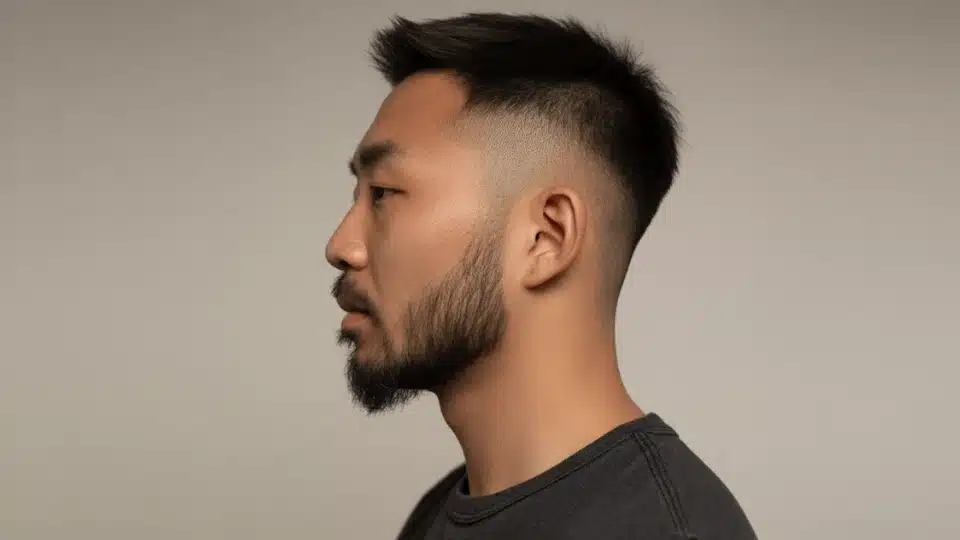
A skin fade haircut is a style in which the hair on the sides and back gradually tapers down to the skin. The top stays longer while the sides look clean and neatly faded.
How a Skin Fade is Cut
When a barber creates a skin fade, the process usually involves gradually blending the hair so it transitions smoothly from longer lengths to bare skin. The technique requires precision and careful layering to achieve a clean, balanced finish. Here are the main steps barbers typically follow:
Step 1: Hair is trimmed with clippers: The barber starts by cutting the sides and back using clippers with different guard sizes to set the base length.
Step 2: Gradual blending begins: The hair is blended step by step so it becomes shorter as it moves downward, creating a smooth fade.
Step 3: Lower section is refined: Trimmers are used near the bottom to tighten the fade and remove shorter stubble.
Step 4: Skin-level finish: A shaver may be used at the very base to fade the hair completely into the skin.
This careful blending creates the smooth, polished transition that gives a skin fade its clean and modern appearance.
Key Features of a Skin Fade
A skin fade is known for its clean and smooth appearance. Here are some important features that make this haircut popular.
- Smooth transition: The hair gradually blends from longer lengths down to the skin, creating a soft fade.
- Natural blend: The fade looks even and balanced, without harsh lines between hair lengths.
- Clean sides and back: The sides are cut very short, giving the haircut a fresh and tidy appearance.
- Versatile style: A skin fade works well with many top styles, from short crops to longer styles.
- Modern look: The haircut gives a sharp, stylish finish that is popular in many barber shops today.
Because of these features, many people choose a skin fade for a clean, natural-looking haircut.
Best Hair Types for Skin Fade
A skin fade works well with many hair textures. Some hair types make the fade blend even better and help the hairstyle look balanced.
| Hair Type | Why It Works Well |
|---|---|
| Curly hair | The fade keeps the sides neat and controlled, while curls add volume on top. |
| Wavy hair | Wavy hair creates natural movement and texture, which pairs well with faded sides. |
| Fine hair | A skin fade can make fine hair look cleaner and more structured. |
| Straight hair | Straight hair helps the fade appear smooth and even, making the blend easy to see. |
Overall, a skin fade is very flexible, which means most hair types can pull off this style with the right cut and styling.
Popular Skin Fade Styles
One reason skin fades are so popular is that they can be combined with many hairstyles. Below are some common skin fade styles people ask for at the barber’s.
- Low skin fade: The fade starts near the ears, creating a subtle and professional look.
- Mid skin fade: This fade begins around the middle of the head and offers a balanced and versatile style.
- Skin fade with textured crop: Short textured hair on top with faded sides gives a modern and trendy haircut.
- Skin fade with quiff: The longer hair on top is styled upward to create a stylish and voluminous look.
Because there are many variations, a skin fade can easily fit different face shapes, hair types, and personal styles.
Bald Fade vs Skin Fade: Summary of Key Differences
Both haircuts look very similar, so many people get confused between them. The table below explains the main differences between a bald fade and a skin fade in a simple and clear way.
| Feature | Bald Fade | Skin Fade |
|---|---|---|
| Hair Length at the Bottom | Hair is fully shaved to bare skin, creating a very clean base. | Hair blends into skin, often starting as very short stubble. |
| Fade Contrast | Creates a strong contrast between longer hair and shaved sides. | Looks softer and more gradual in comparison. |
| Cutting Technique | Done with clippers first, then a foil shaver or razor for a smooth skin finish. | Focuses on blending with clippers and trimmers before fading to skin. |
| Overall Look | Gives a bold, sharp, and modern appearance. | Gives a clean and slightly more natural look. |
| Maintenance Requirements | Needs touch-ups every 2–3 weeks to stay sharp. | Also needs regular trims every 2–3 weeks to maintain the fade. |
Overall, the difference between these two styles is small, which is why many barbers and clients often use the terms interchangeably.
The choice usually comes down to whether you prefer a very bold fade or a slightly softer blended look.
Other Fade Haircuts to Know
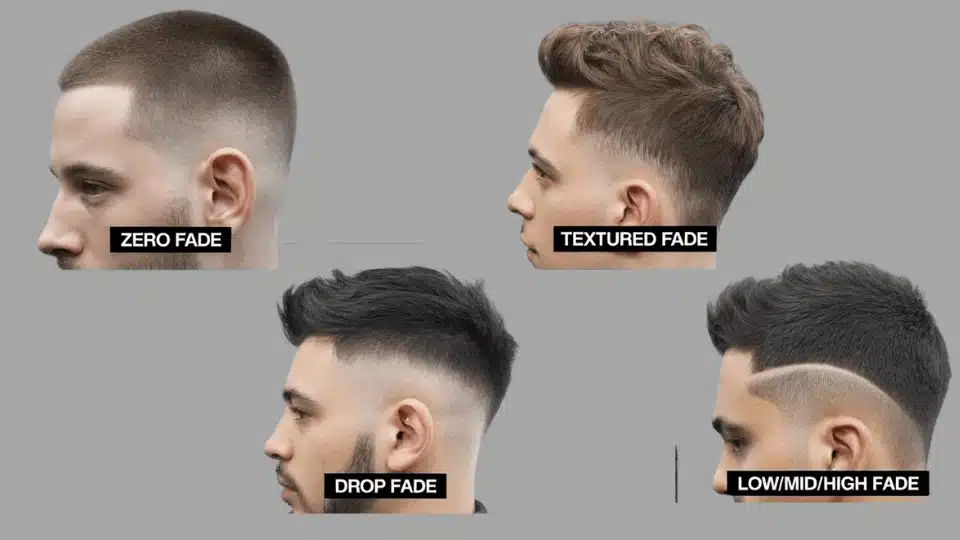
There are many types of fade haircuts besides bald fade and skin fade. Knowing a few of these styles can help you choose the right look before your next barber visit.
1. Zero Fade
A zero fade is a haircut in which the sides and back are faded down to a #0 clipper guard, but not shaved to the skin. This means a very small amount of hair remains at the bottom.
Because of this, the fade looks clean and sharp but slightly softer than a skin or bald fade. Many people choose a zero fade when they want a neat haircut that still shows a fade without fully exposing the scalp.
2. Drop Fade
A drop fade is a fade that curves downward behind the ear instead of staying straight around the head. The fade follows the natural shape of the head and drops lower toward the back.
This creates a stylish and unique look compared to regular fades. Many barbers suggest a drop fade for people who want something modern but not too extreme. It also works well with hairstyles like pompadours, curly tops, and textured cuts.
3. Textured Fade
A textured fade combines short faded sides with textured hair on top. The barber adds layers or point cutting on the top so the hair looks natural, slightly messy, and full of movement.
This style has become very popular because it looks relaxed but is still stylish. The faded sides keep the haircut clean, while the textured top adds personality.
It works best for people with short to medium-length hair seeking a modern, trendy finish.
4. Low, Mid, and High Fade
Low, mid, and high fades describe where the fade starts on the head, not the haircut itself. A low fade begins just above the ears, giving a subtle, professional look.
A mid fade starts around the middle of the head and creates a balanced style. A high fade begins much higher and gives a bold, dramatic appearance. Choosing the right fade level helps match the haircut to your face shape and personal style.
How to Ask Your Barber for The Right Fade
When asking for a fade haircut, it helps to be clear so the barber understands the exact style you want. One useful tip is to bring a reference photo, since pictures make it easier to explain the haircut.
It’s also important to specify if you want a low, mid, or high fade, because this determines where the fade begins on the head.
You should also mention how long you want the hair on top, especially if you plan to style it.
Before the haircut is finished, it’s a good idea to ask about maintenance and how often to return for a trim to keep the fade clean and sharp.
Wrap Up
By now, I hope the difference between a bald fade vs skin fade feels much clearer. While the two styles are often referred to by the same term, the small details of how the fade blends into and reaches the skin can change the final look.
A bald fade usually creates a sharper, more dramatic contrast, while a skin fade can appear slightly smoother and more blended.
The best choice really depends on your hair type, face shape, and how bold you want your haircut to look. Talking clearly with your barber and showing a reference photo can make a big difference.
If you’re thinking about trying a fade haircut soon, use this to decide which style fits you best. And if you want more grooming and hairstyle guides, browse my other articles for more tips.