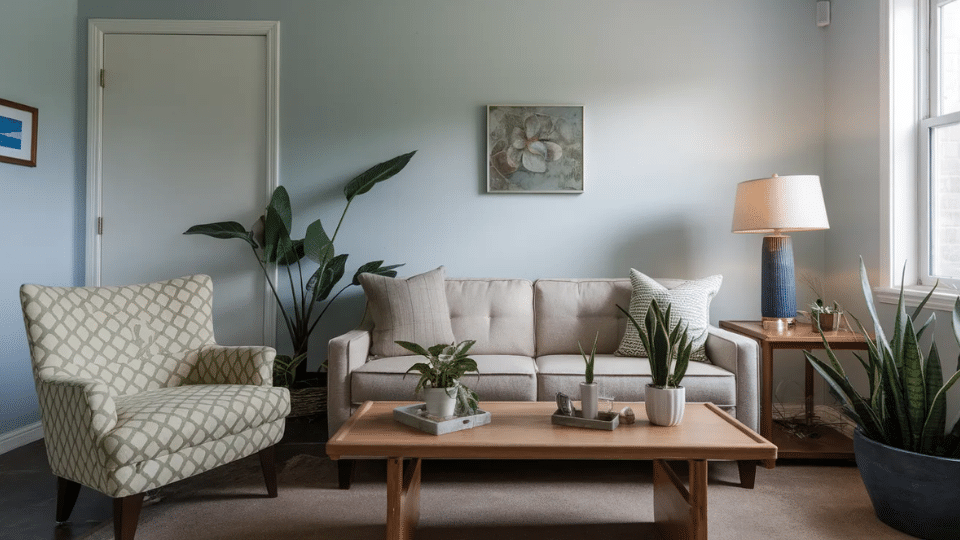

A small living room can feel suffocating within weeks of moving in, and most of the time, the room itself is not the problem. The layout is.
Pushing every piece of furniture against the walls, choosing an oversized sofa, or ignoring traffic flow are mistakes that quietly make a space feel smaller than it actually is.
A few smart decisions, though, can completely change how a room feels and functions. From awkward narrow spaces to open-plan corners, I’ve covered practical small living room layout ideas that work across different room shapes, furniture styles, and lifestyle needs.
Expect tips on focal points, furniture scale, zoning, and more, all designed to help make every square foot count.
What Makes a Small Living Room Layout Work?
Size is rarely the real issue in a cramped living room; layout is. The way furniture is arranged, how movement flows through the space, and where the eye naturally lands all shape how big or small a room feels.
A well-planned small living room layout can make a compact space feel open, intentional, and surprisingly comfortable.
Getting this right comes down to five core principles:
- Anchoring the room with a focal point
- Protecting walkways
- Scaling furniture properly
- Using zoning to separate functions
- Balancing visual weight so nothing feels too heavy or too bare
Nail these, and even the tightest room can feel like it has room to breathe.
Small Living Room Layout for Better Arrangement
These layout ideas work well in most small living rooms. They focus on balance, flow, and smart furniture placement without making the space feel crowded.
1. Sofa Against the Longest Wall
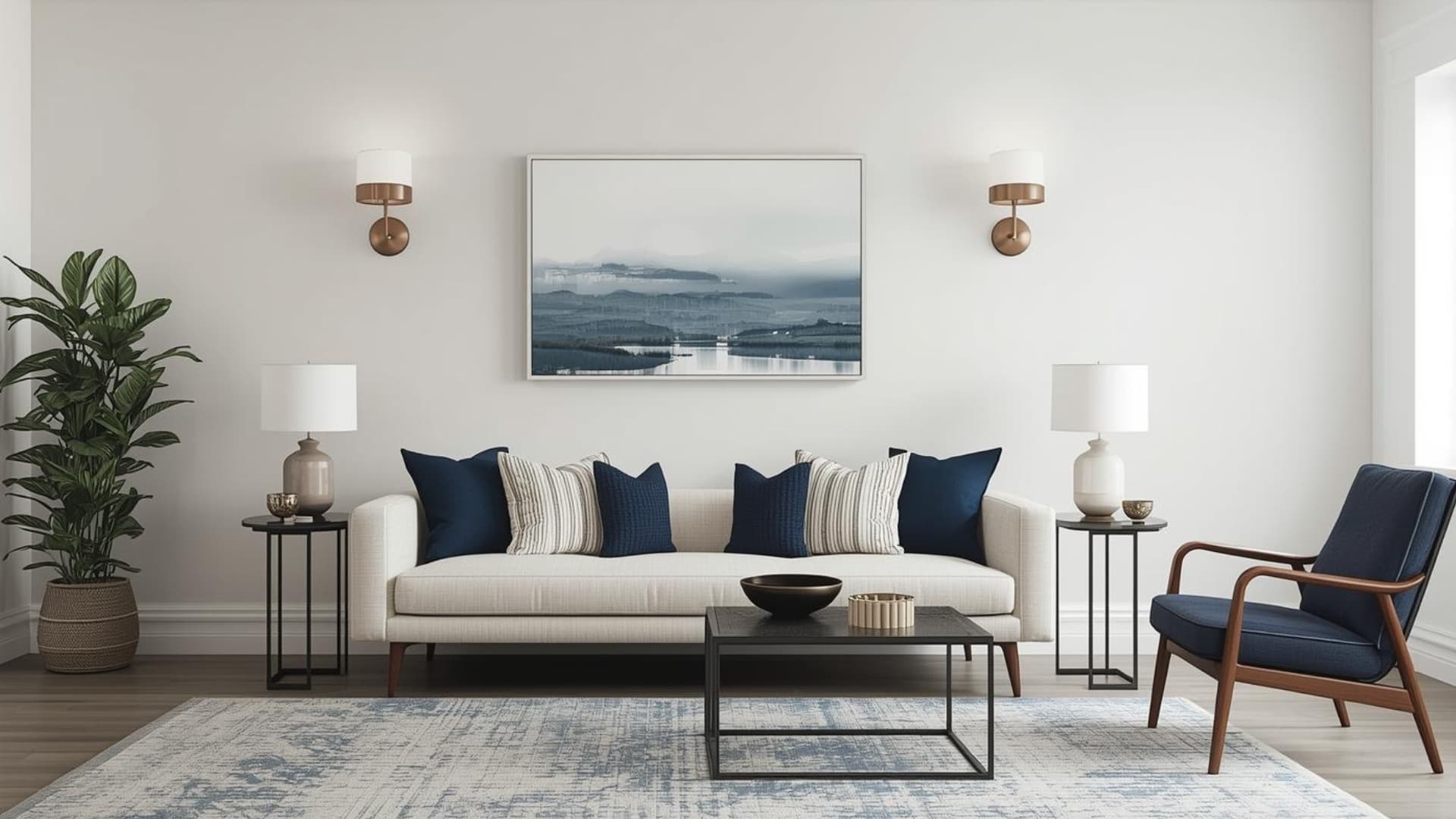
Place your sofa against the longest uninterrupted wall to free up the center of the room and improve flow. Keep at least 24–30 inches open for walking paths.
Choose a low-profile sofa with raised legs to reduce visual weight. Add slim side tables or wall sconces instead of bulky lamps. Anchor the layout with a rug large enough to fit the front sofa legs.
2. L-Shaped Sectional in the Corner
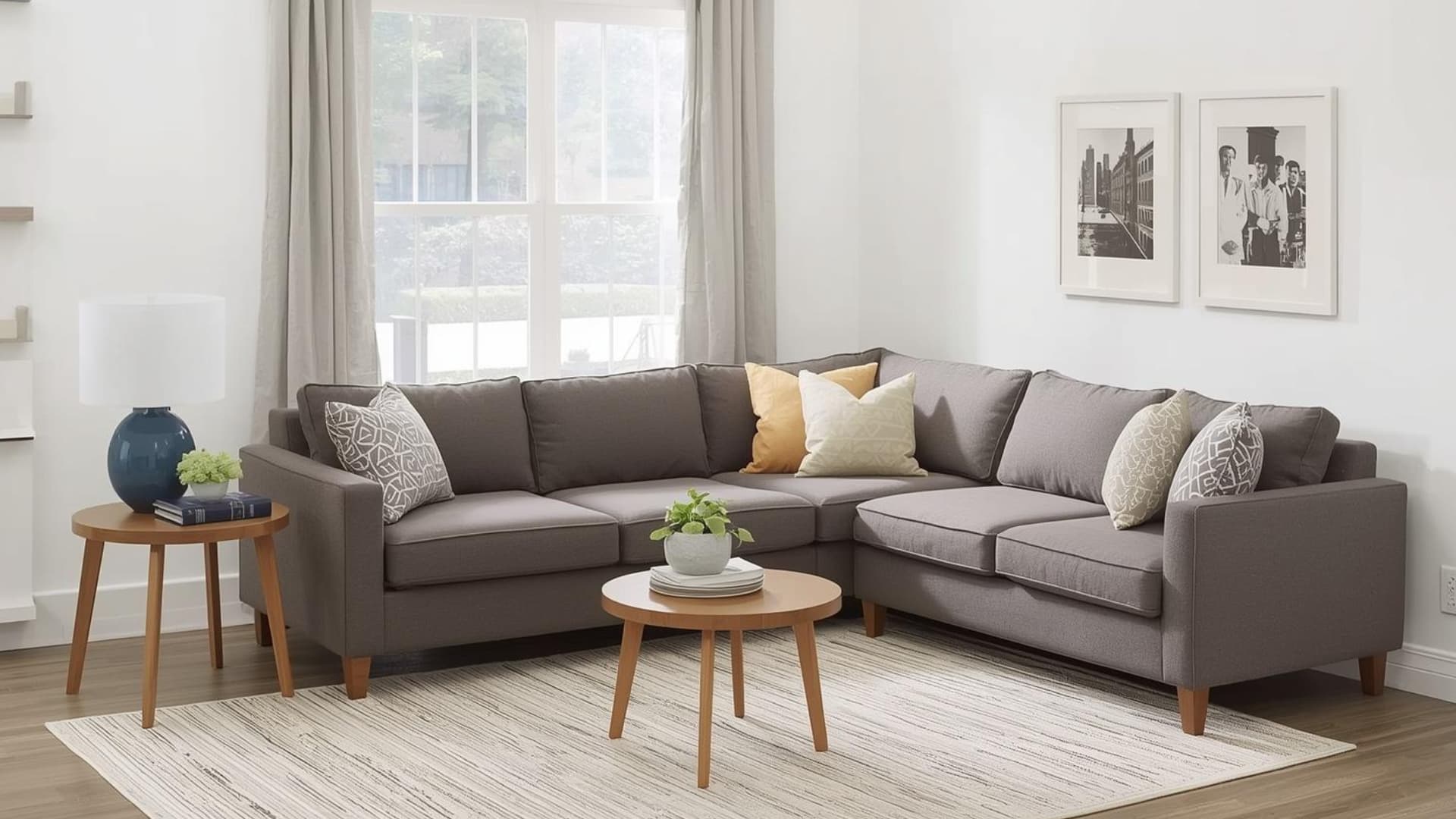
Position an L-shaped sectional tightly into a corner to maximize seating without crowding the room. Let the longer side follow the main wall to maintain balance.
Leave one clear pathway for easy movement. Choose a compact coffee table with rounded edges to improve circulation. Avoid oversized sectionals that block windows or doorways and make the space feel boxed in.
3. Two Chairs Facing a Sofa
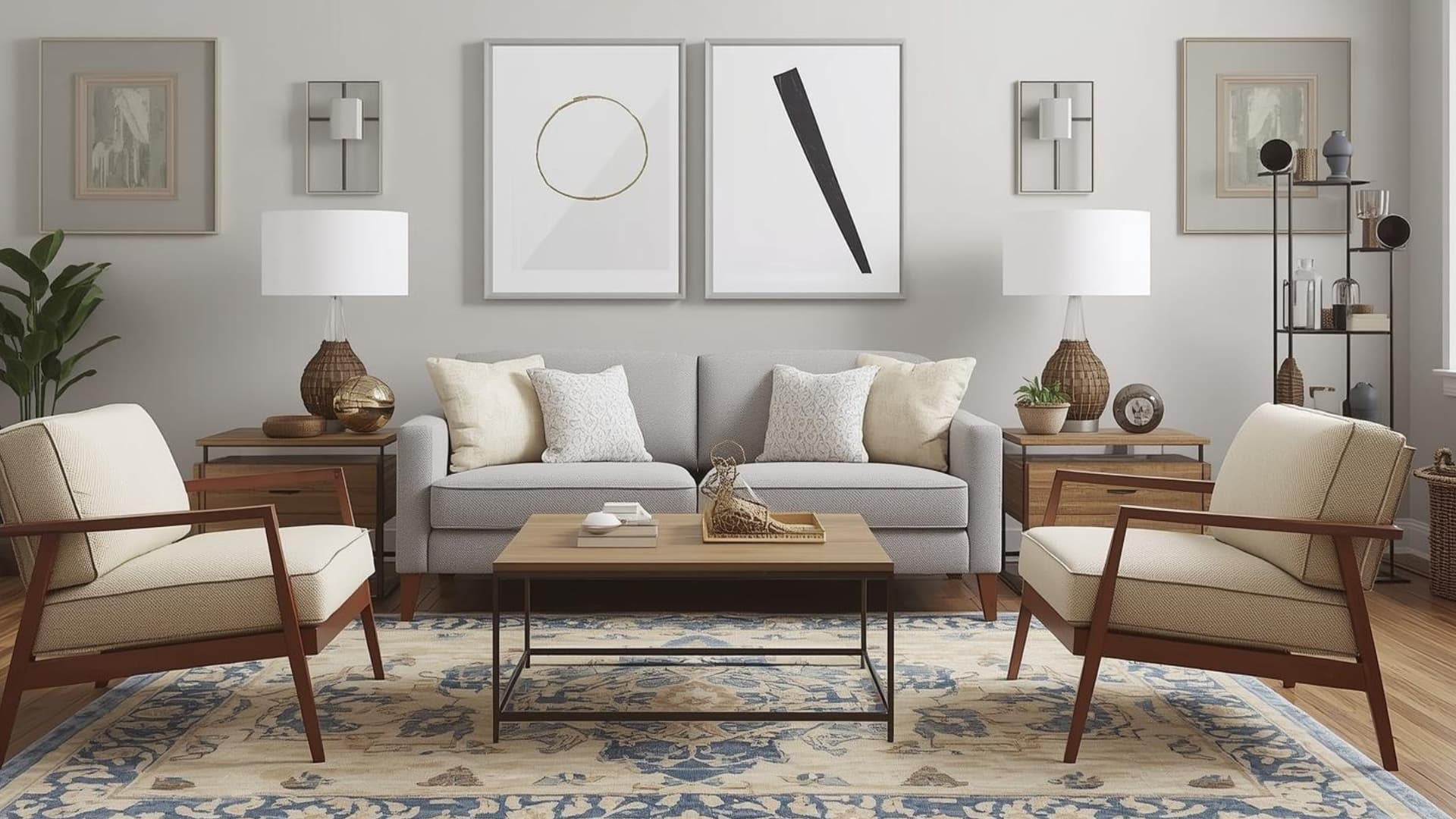
Set two chairs directly across from your sofa to create a structured conversation area. Keep about 18 inches between the seating and the coffee table for comfort.
Choose armless or slim-frame chairs to prevent bulk. Angle them slightly inward for a welcoming feel. Use a central rug to visually tie all pieces together and keep the layout grounded.
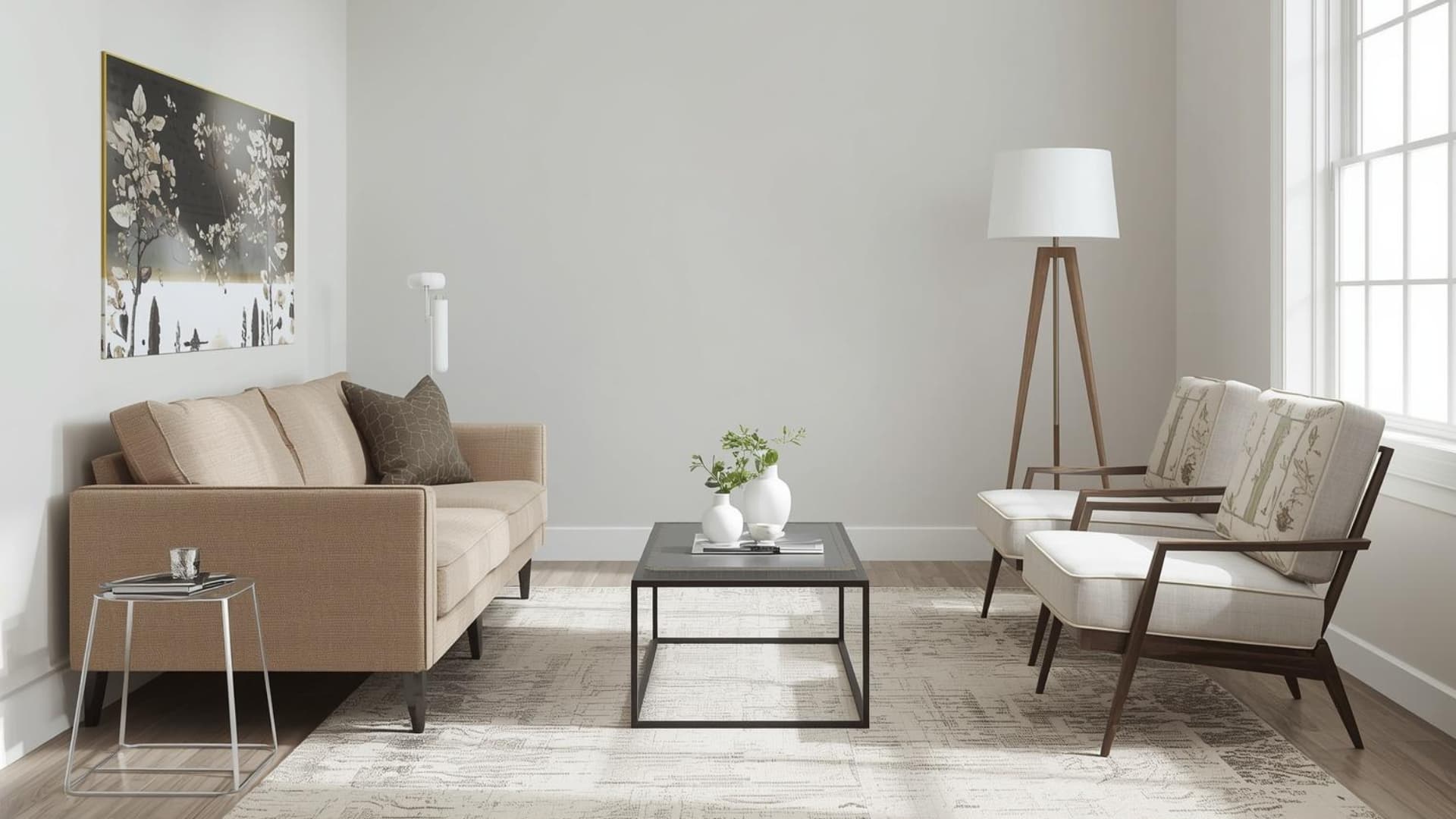
4. Loveseat and Accent Chair Combo
 1
1
Use a loveseat instead of a full sofa to free up extra floor space. Pair it with one slim accent chair placed diagonally across to keep the layout open.
Leave clear walking paths on at least one side. Choose furniture with exposed legs to reduce visual weight. Add a small rectangular coffee table that doesn’t overpower the seating area.
5. Floating Sofa Layout
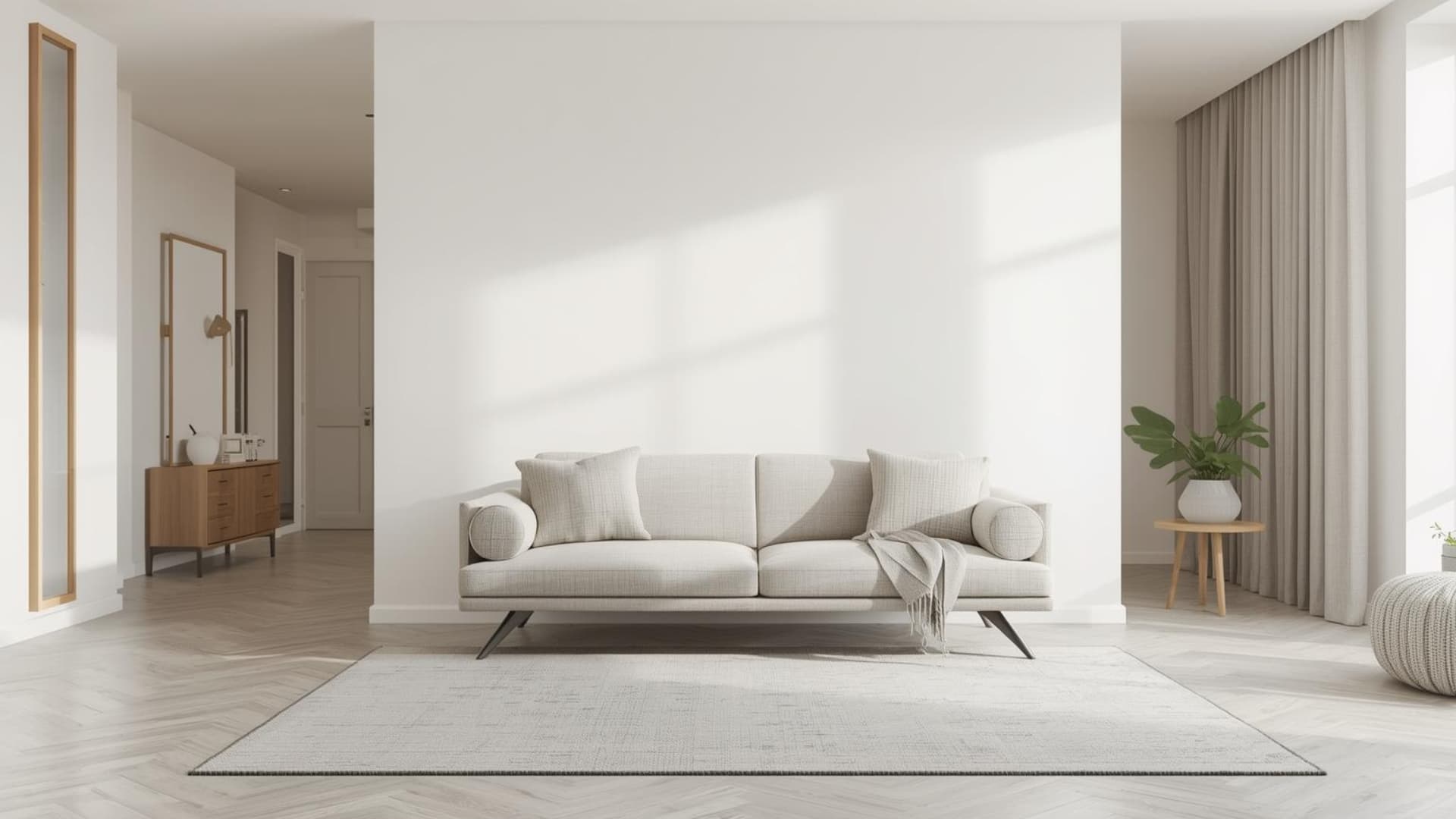
Pull your sofa a few inches away from the wall instead of pushing everything against it. This creates a more intentional seating zone.
Place a narrow console table behind the sofa for lighting or storage. Anchor the layout with a rug large enough to hold the front legs. Keep pathways clearly defined around the seating area.
6. Symmetrical Seating Around a Coffee Table
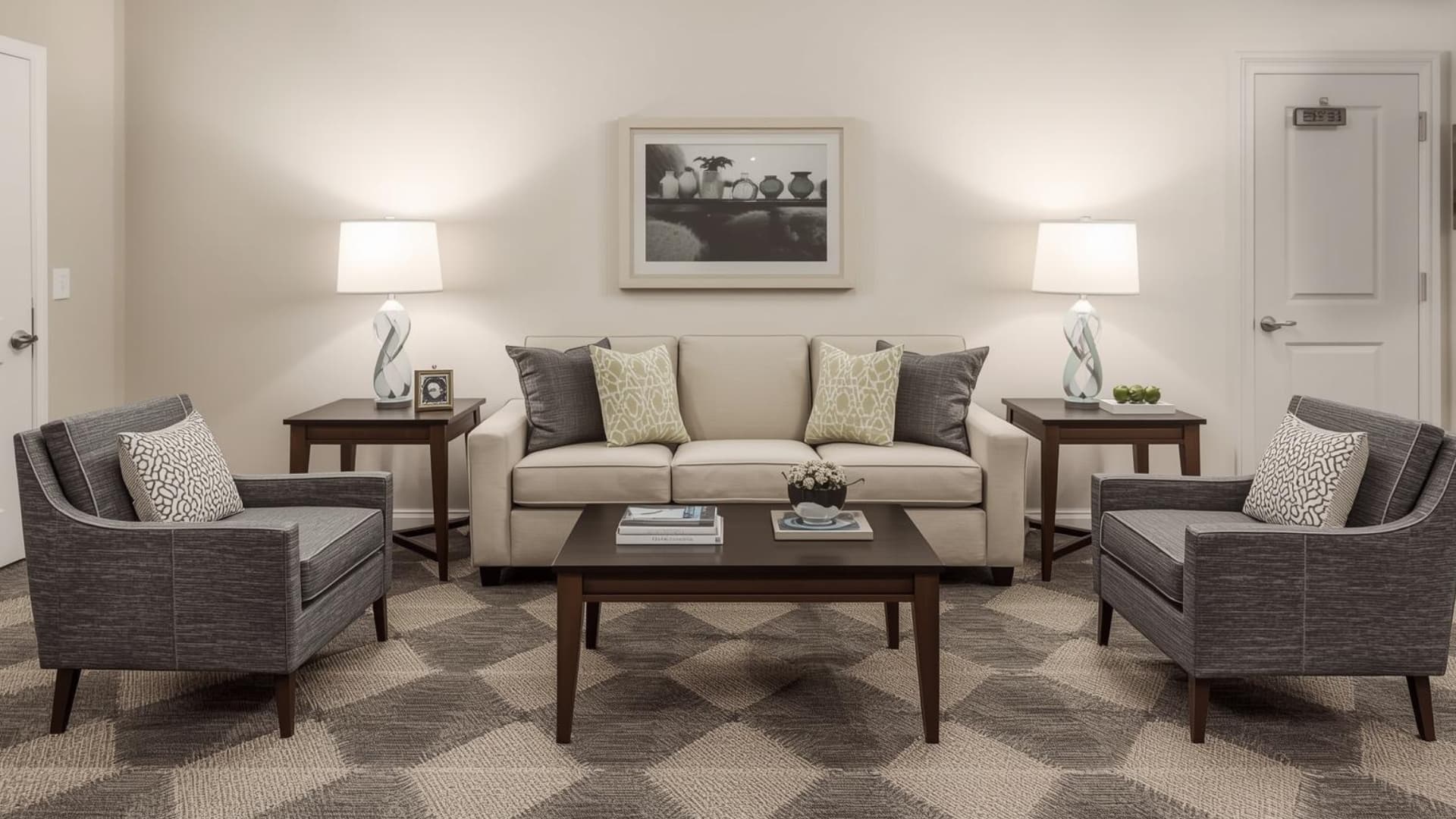
Create balance by placing matching chairs or a sofa and loveseat directly across from each other. Center a properly scaled coffee table between them.
Keep spacing even on both sides to avoid crowding. Use identical side tables or lamps for structure. This layout works best when the room shape is fairly square and not overly narrow.
7. Asymmetrical Layout for a Casual Feel
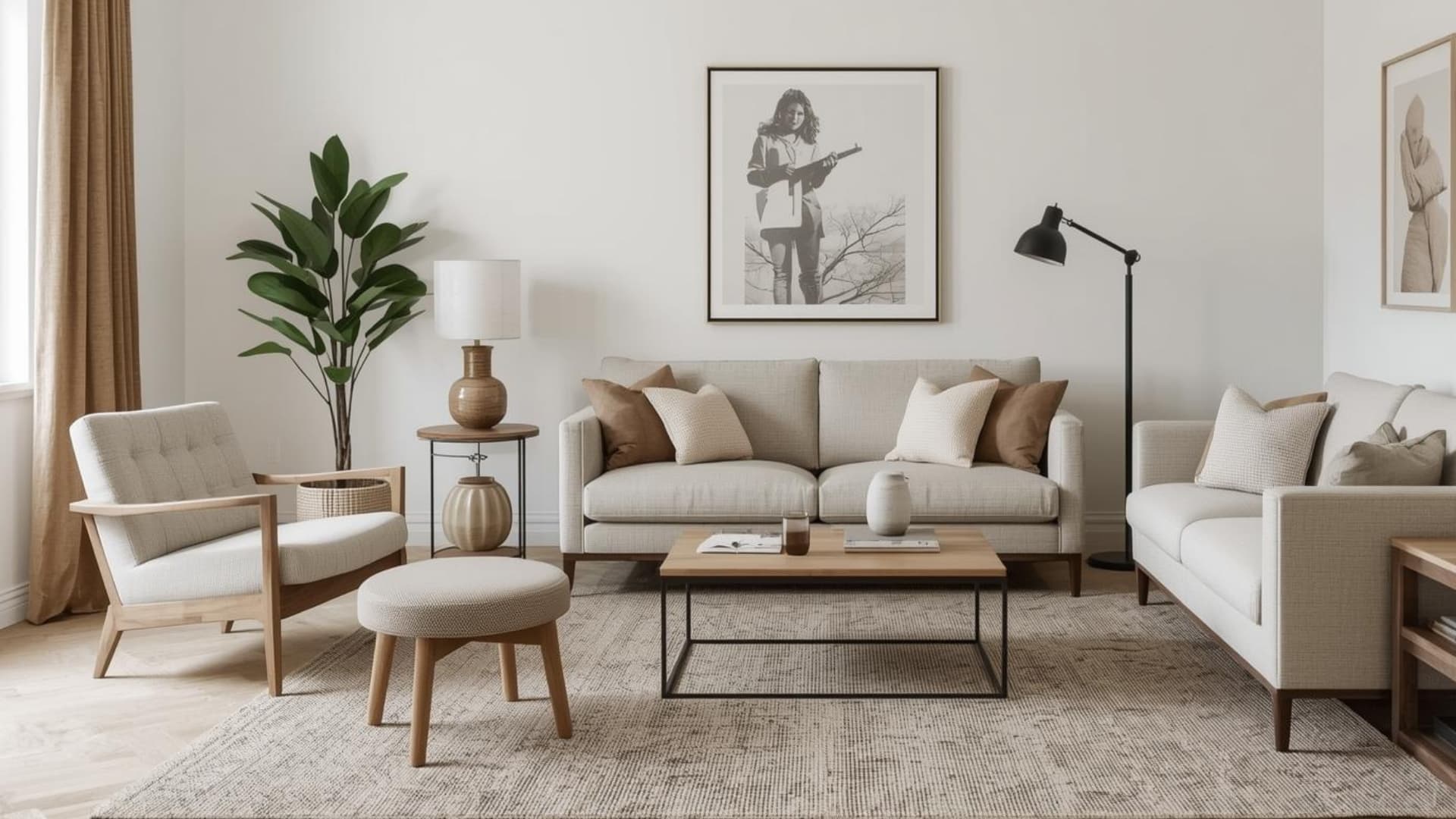
Mix different seating pieces instead of matching everything. Pair a sofa with one chair and a small bench or ottoman.
Offset the coffee table slightly rather than centering it perfectly. Keep walkways clear even if the layout feels relaxed. Use a large rug to visually connect the pieces so the room still feels cohesive and planned.
8. Parallel Seating for Short Rooms
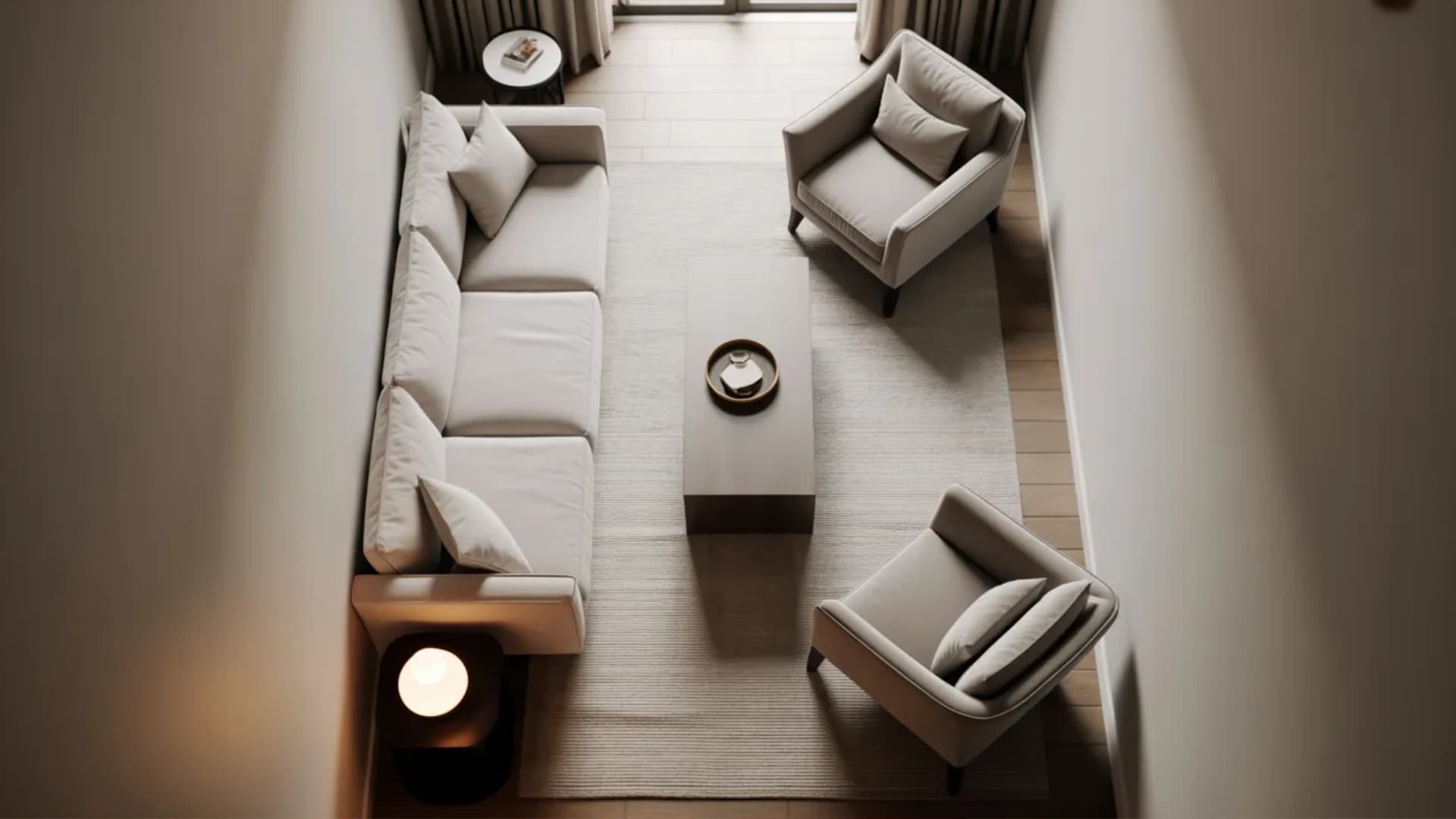
In a short, narrow room, place your sofa along one wall and position two chairs directly across from it. Keep one side open as a clear walking path instead of cutting through the center.
Use a slim rectangular coffee table to maintain movement. A short area rug placed parallel to the seating helps visually balance and shorten the room.
9. TV in the Corner Layout
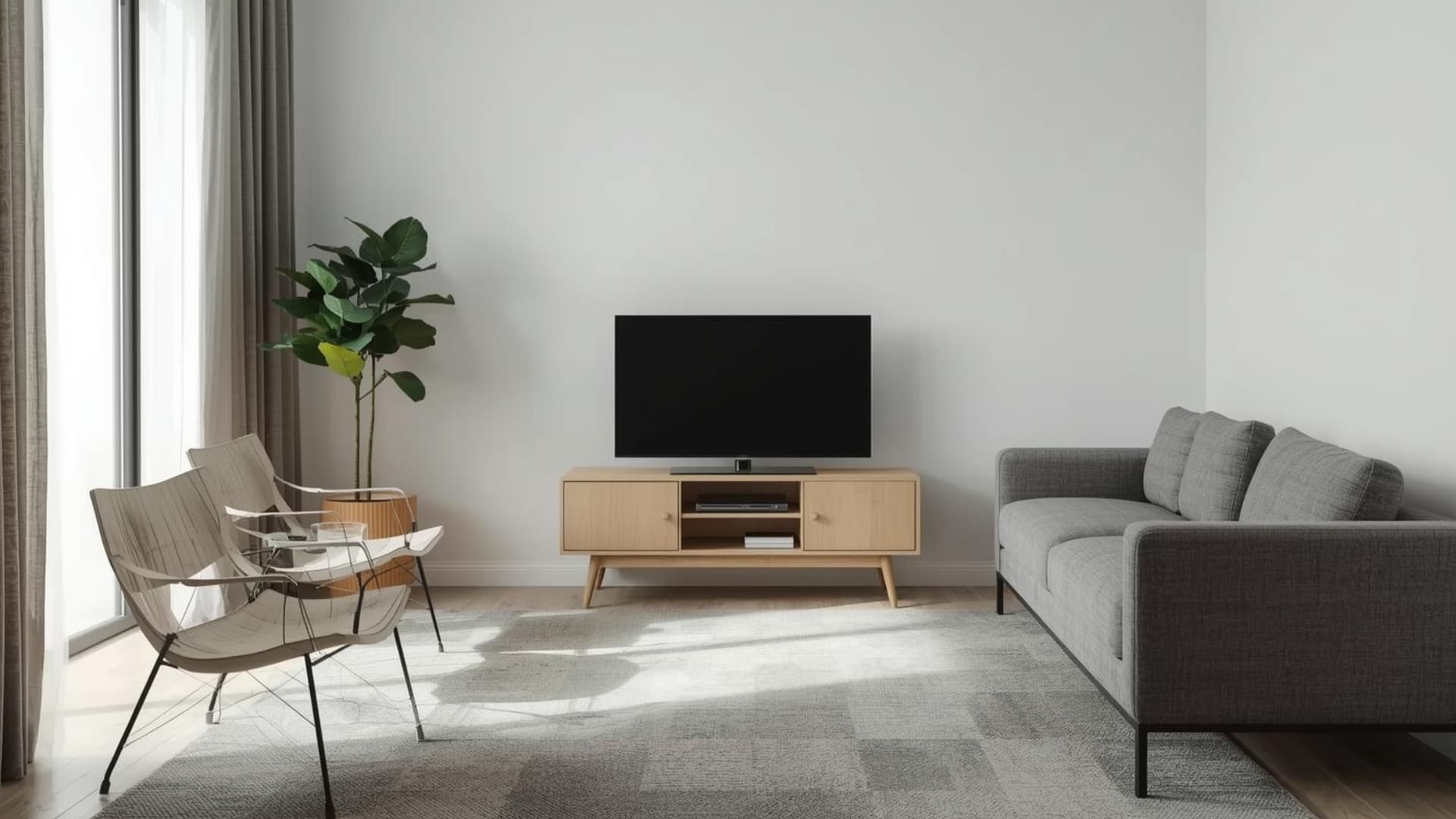
Place the TV in a corner to free up more wall space for seating. Angle the sofa slightly toward the screen for comfortable viewing. Keep chairs lightweight so they can rotate when needed.
Use a compact corner media stand to avoid wasted space. This setup works well when wall space is limited or broken by windows and doors.
10. Small Square Living Room Layout
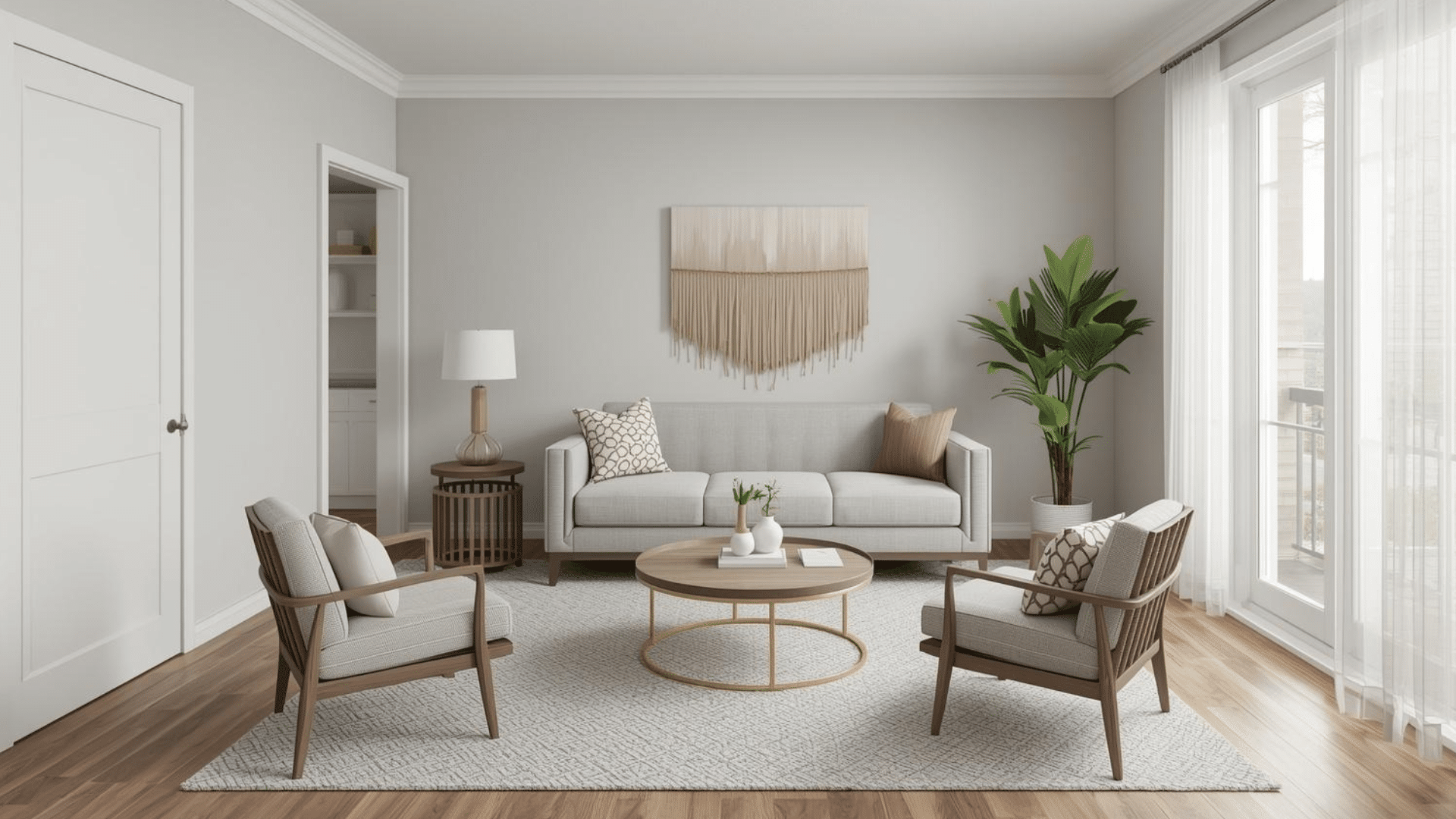
In a square room, center the seating arrangement instead of pushing everything to the edges. Place the sofa against one wall and add chairs adjacent to form an L-shape or across for balance.
Choose evenly scaled furniture so nothing feels oversized. A round or square coffee table keeps proportions consistent and improves traffic flow.
11. Window-Focused Layout
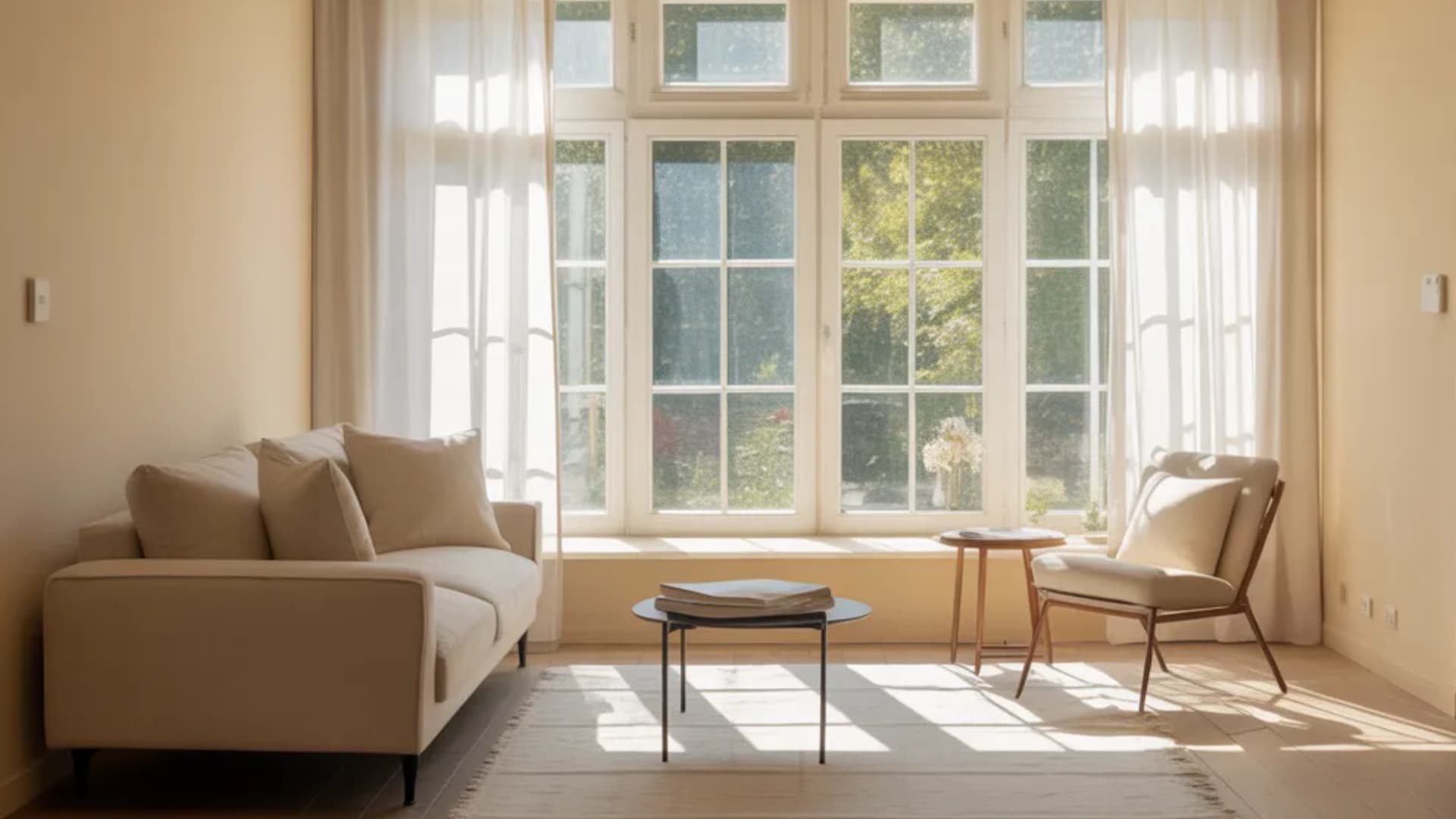
In a small living room layout, a window can naturally guide the seating arrangement. Position the sofa facing the window or slightly perpendicular to it so the view and daylight remain visible. Avoid tall furniture that blocks the light, since open sightlines help the room feel brighter and more spacious.
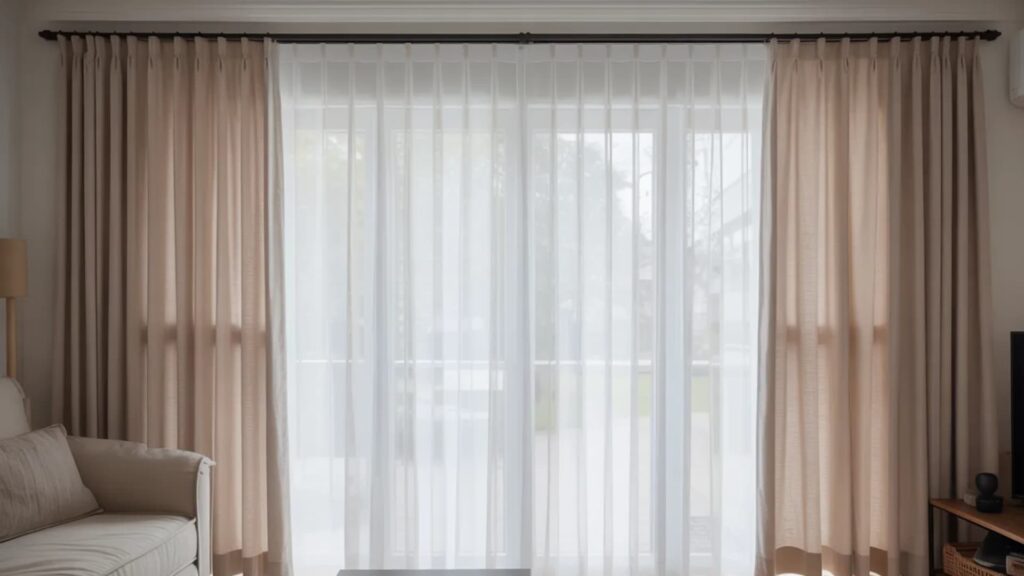
Choose light, breathable curtains instead of heavy drapes so daylight spreads across the space. A slim chair placed near the window can create a quiet reading spot without blocking movement. Keep the rest of the layout simple so the window remains the main visual anchor in the room.
12. Diagonal Furniture Placement
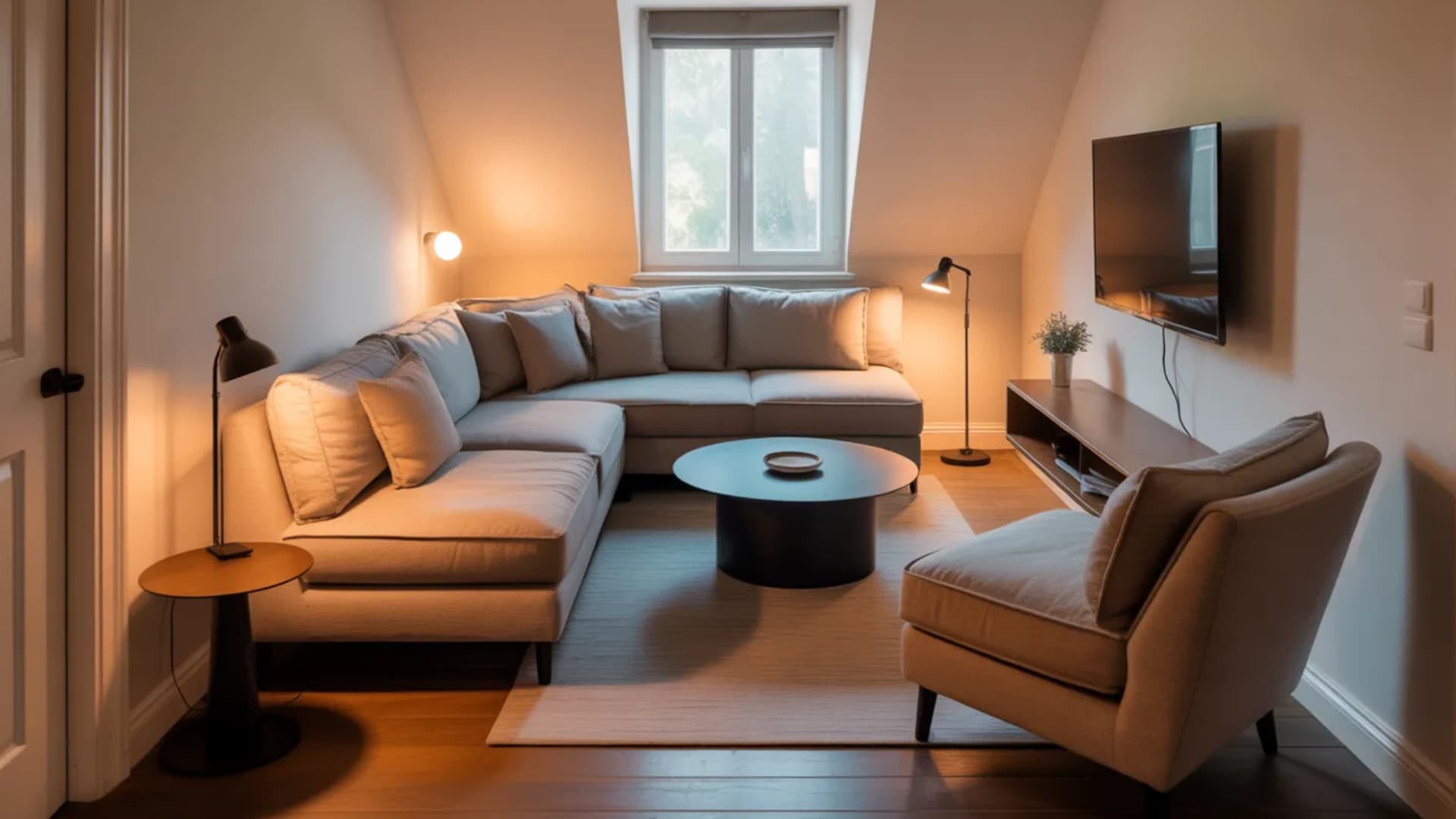
Angle your sofa or chairs slightly instead of placing everything flat against the walls. This works well in tight or awkward layouts.
Keep one main walkway clear to avoid disrupting movement. Use a round or oval coffee table to improve circulation. Make sure the angled piece still faces the focal point, whether it’s a TV, window, or fireplace.
13. One-Wall Living Room Setup
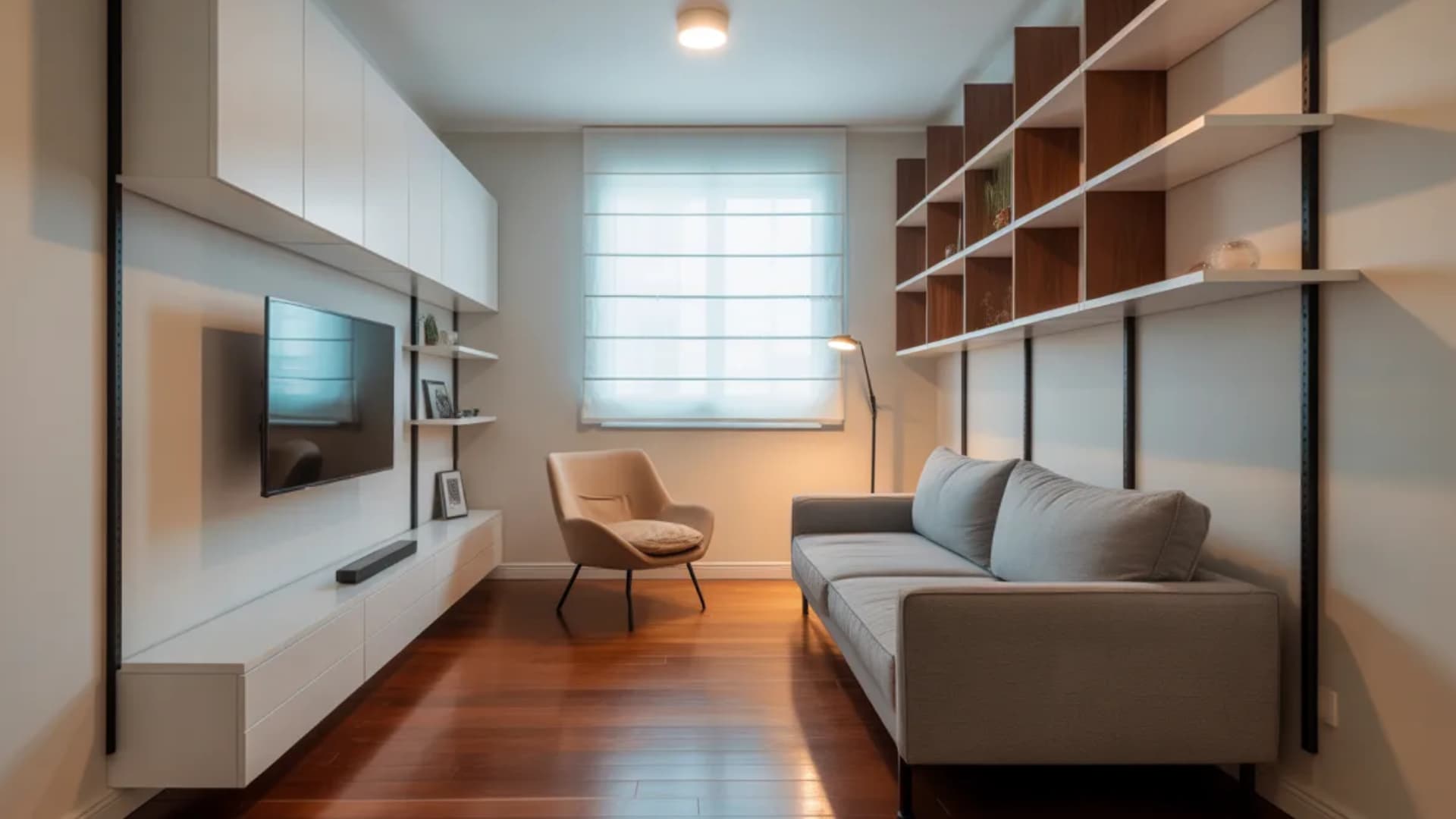
In a small living room layout, placing furniture along a single wall can open up valuable floor space. Position the sofa, media console, and storage pieces on the same wall to keep the rest of the room clear and easy to move through. Mounting the TV on the wall also helps reduce bulky furniture and keeps the setup simple.
Use vertical shelving to add storage without taking up extra floor area. Limit seating to one slim chair or a movable ottoman so the space does not feel crowded. This arrangement keeps the center open, improves traffic flow, and helps very small living rooms feel more organized and comfortable.
14. Minimalist Layout With Just 3 Key Pieces
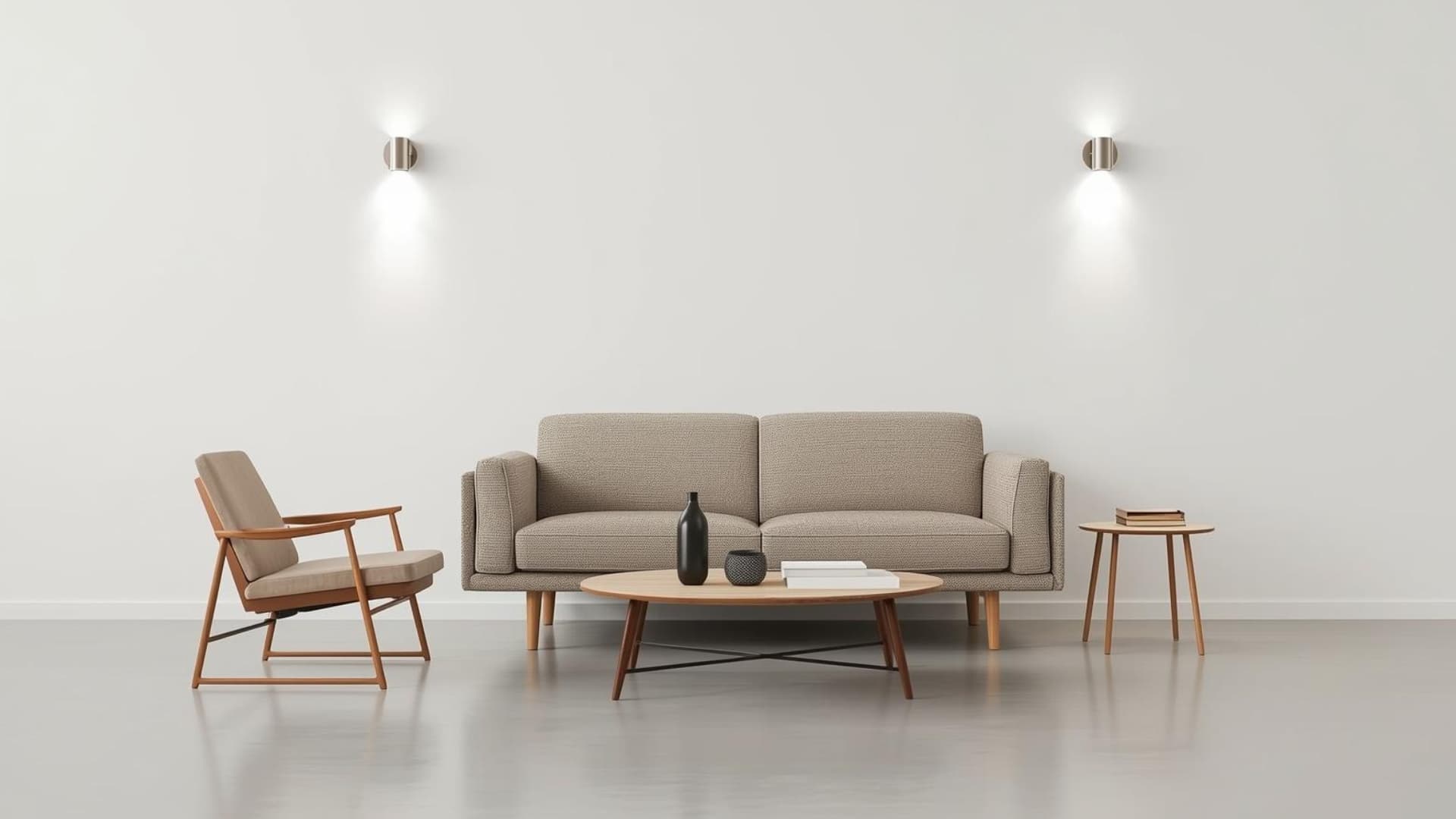
Limit your layout to a sofa, one chair, and a compact coffee table to prevent overcrowding. Choose pieces with clean lines and exposed legs to reduce visual weight.
Keep surfaces clear and avoid extra side tables. Use wall-mounted lighting instead of floor lamps. This setup works best when you prioritize open floor space and simple movement.
15. Sofa as a Room Divider
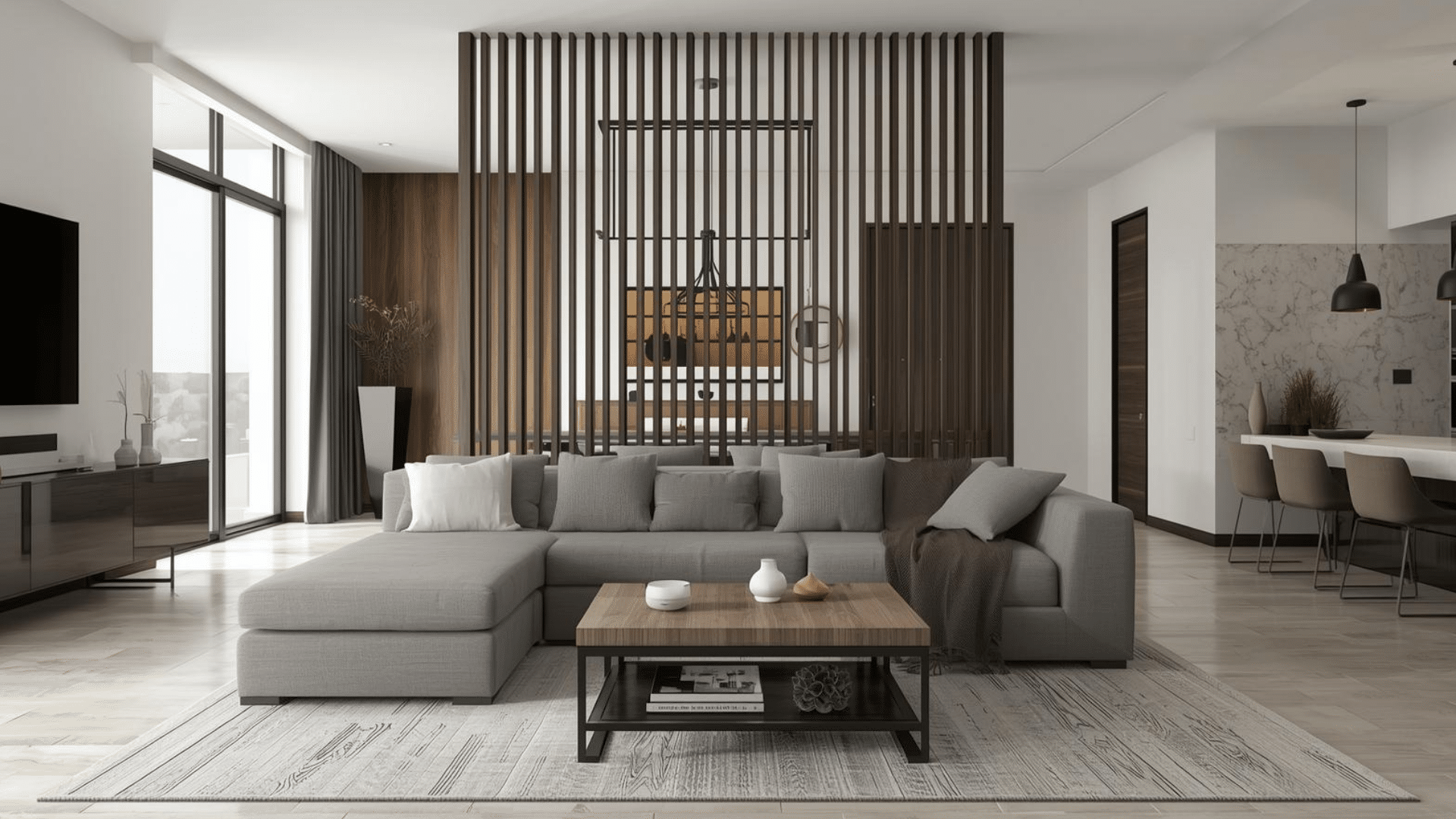
Place the back of your sofa toward the dining area or kitchen to separate zones in an open layout. Keep at least 30 inches behind it for walking space.
Add a narrow console table to define the boundary and provide storage. Anchor the seating area with a rug. This creates structure without adding walls.
16. Back-to-Back Seating Zones
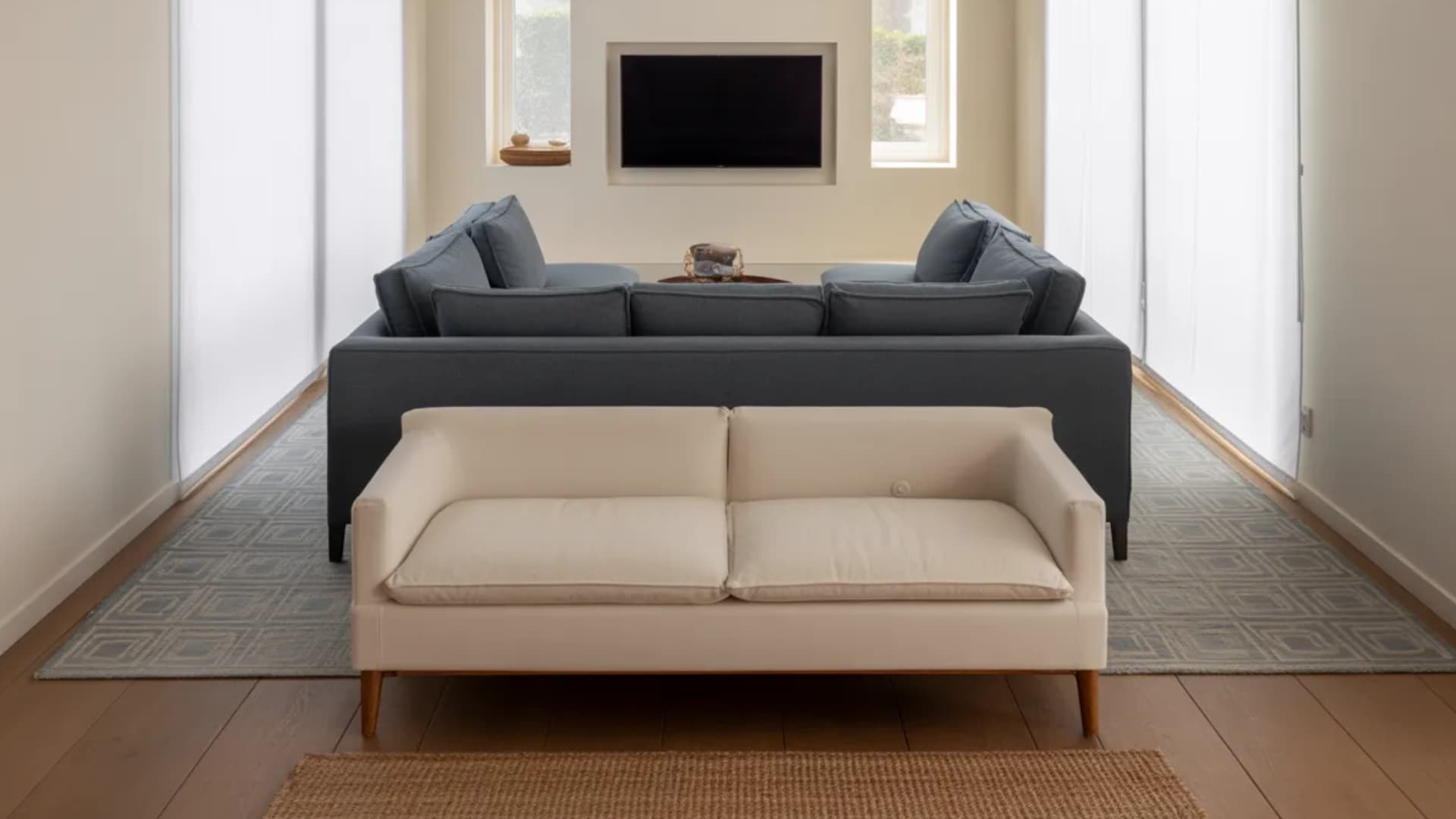
Position two sofas or a sofa and bench back-to-back to form separate seating areas in one room. Keep both zones balanced in scale so one doesn’t overpower the other.
Leave clear paths on each side for movement. Use rugs to define each section. This layout works well in open spaces that need multiple functional areas.
17. Rug-Defined Living Area
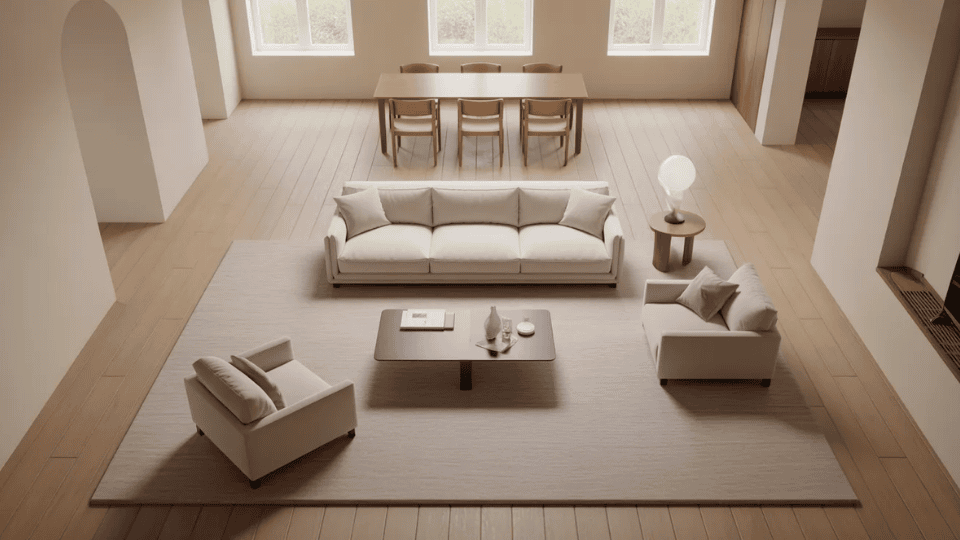
Use a large area rug to clearly outline your living zone within an open space. Make sure that at least the front legs of all seating pieces sit on the rug.
This visually groups the furniture together. Keep the rug proportional to the seating area, not the entire room. A defined rug placement helps separate the living space from the dining or kitchen areas.
18. Console Table Behind the Sofa
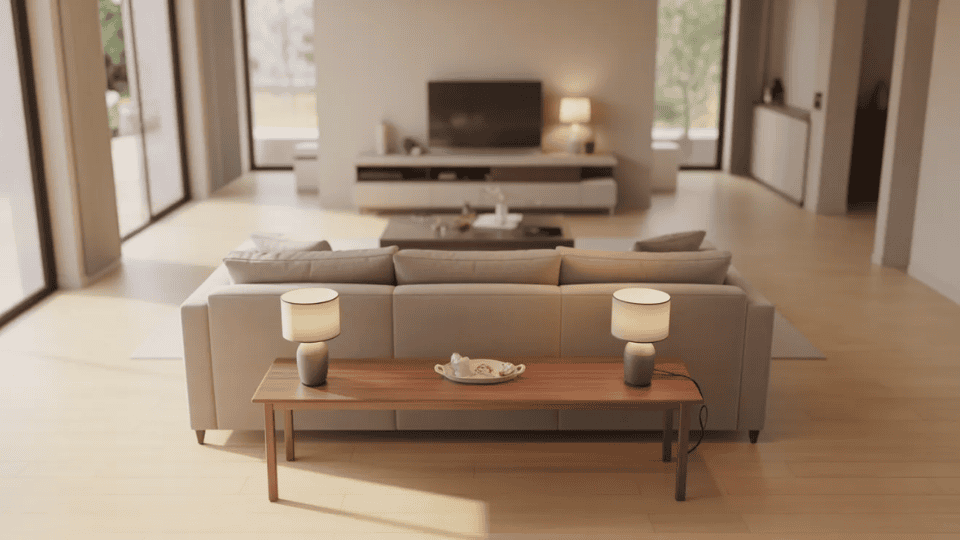
Place a narrow console table directly behind your sofa to create separation in open layouts. Leave enough clearance for comfortable movement.
Use the surface for lamps, storage baskets, or daily essentials. Keep the table slim to avoid blocking traffic. This simple addition helps define the seating zone without adding bulky dividers or extra furniture.
19. Half-Wall or Shelf Divider Layout
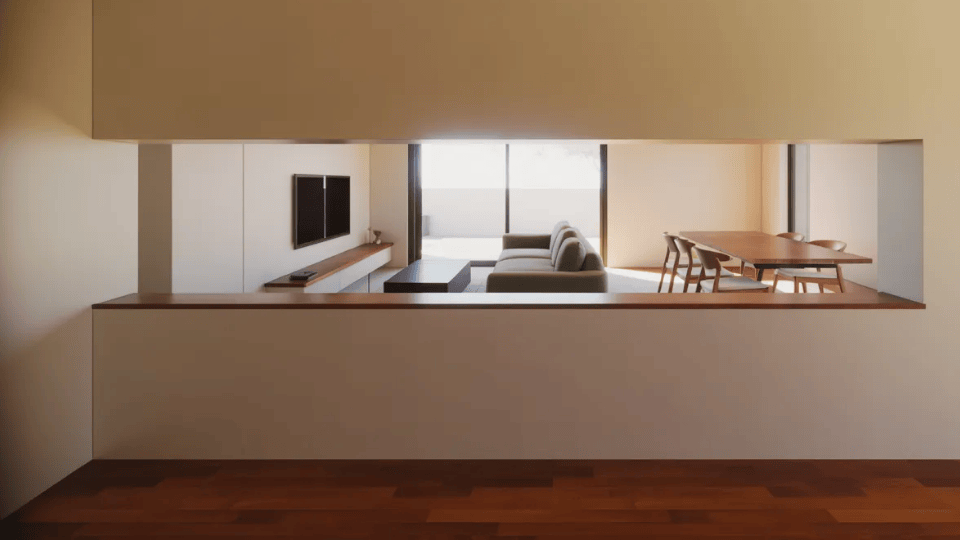
Use a low half-wall or open shelving unit to divide the living area from nearby spaces. Keep the divider waist-high or open-backed so light can pass through.
Avoid solid, full-height partitions that make the room feel smaller. Arrange seating facing inward toward the focal point. This setup adds structure while maintaining an open feel.
20. Living Room cum Home Office Layout
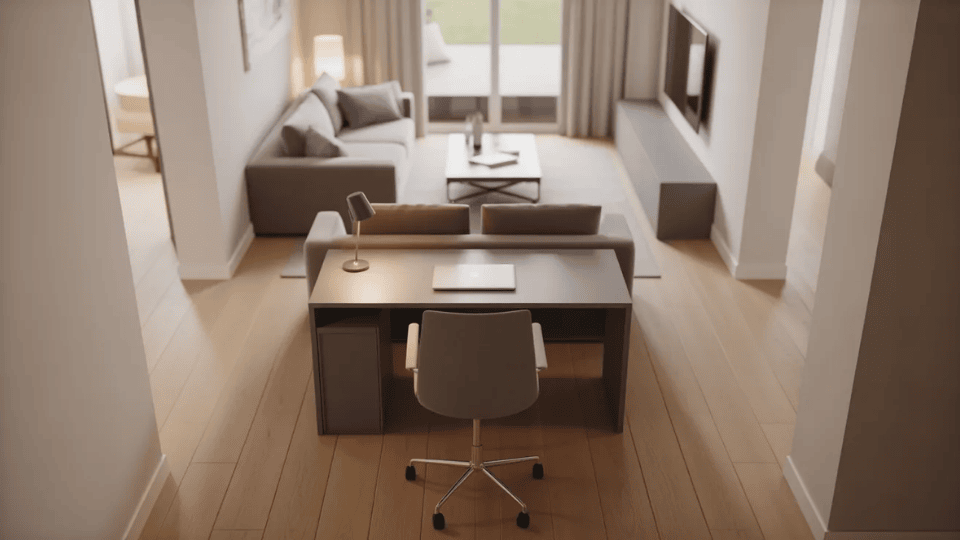
Position a compact desk against a wall or behind the sofa to create a clear work zone. Keep it separate from the main seating area to reduce distractions.
Use a slim chair that can tuck fully under the desk. Maintain at least one clear walkway through the room. This setup keeps work and relaxation areas defined without overcrowding.
21. Living Room cum Dining Combo
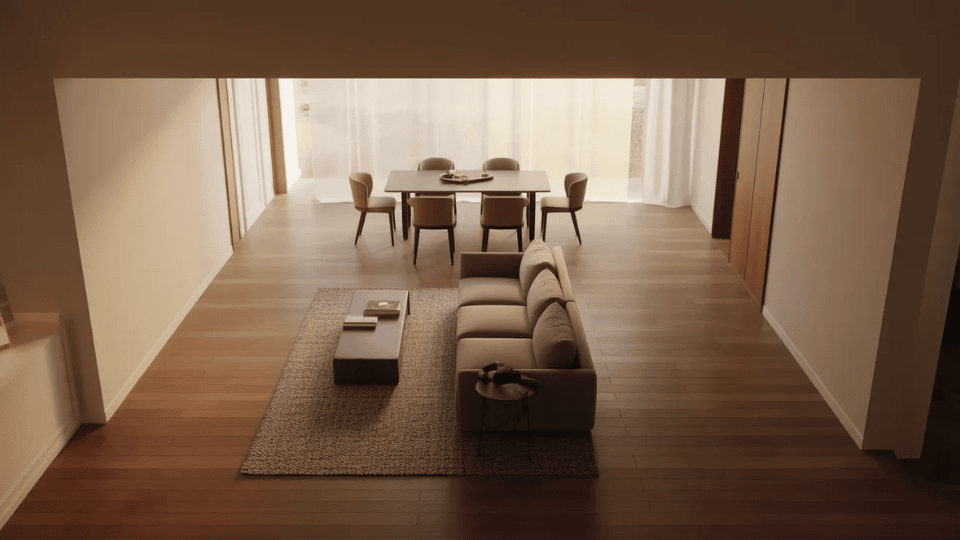
Divide the room into two clear zones using rugs or furniture placement. Keep the sofa facing away from the dining table to establish separation.
Leave at least 30–36 inches around the dining table for chairs to move comfortably. Choose compact dining furniture to avoid crowding. This layout works best when each zone feels intentional and balanced.
22. Studio Apartment Layout
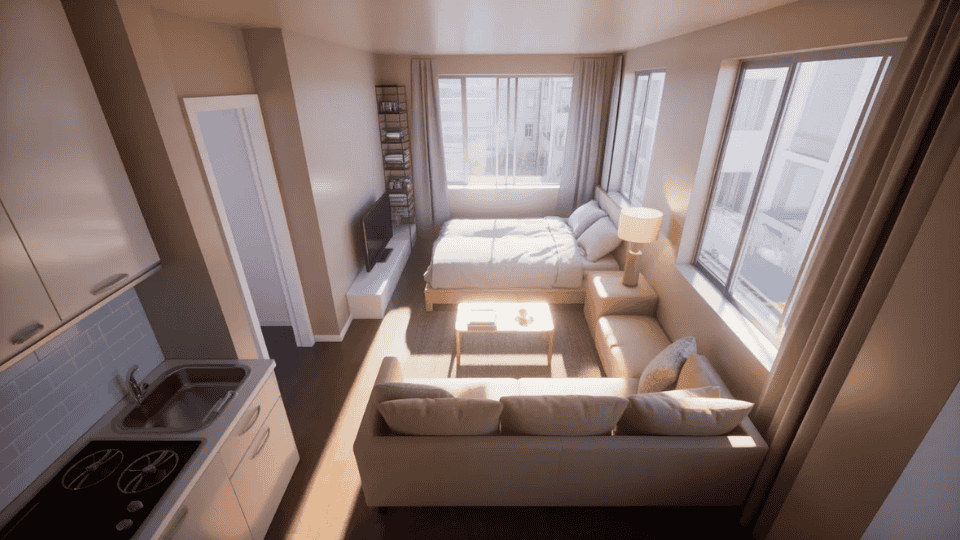
In a studio, use your sofa to separate sleeping and living areas. Position it with the back facing the bed to create a visual boundary.
Add a rug under the seating zone for definition. Keep storage vertical to preserve floor space. Maintain clear walking paths between areas so the layout feels organized rather than cramped.
23. Guest-Ready Sofa Bed Layout
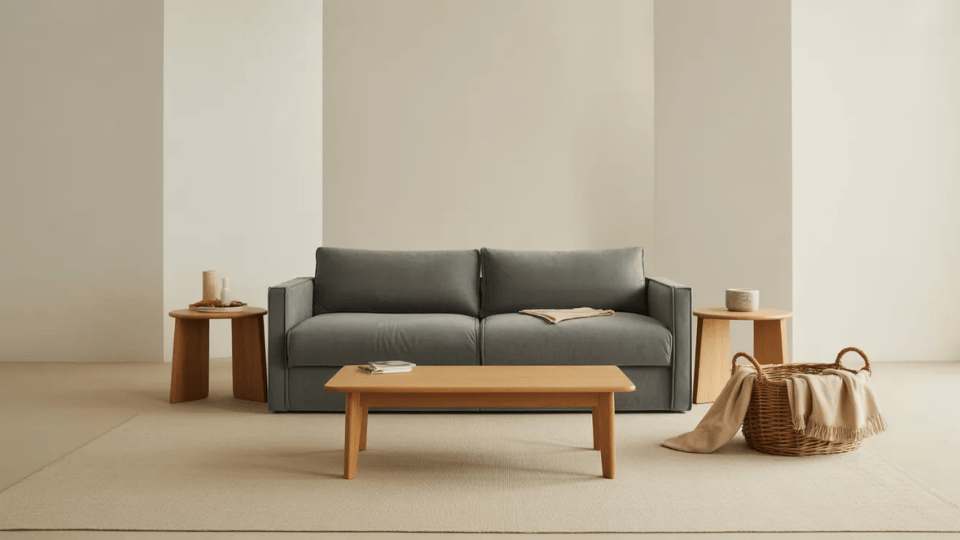
Place the sofa bed against a solid wall to allow full extension when opened. Measure the pull-out length and keep that area clear of tables.
Use lightweight side tables that can move easily. Store extra bedding in a nearby basket or ottoman. This layout keeps the room functional daily while staying ready for overnight guests.
24. Family-Friendly Layout With Clear Play Zone
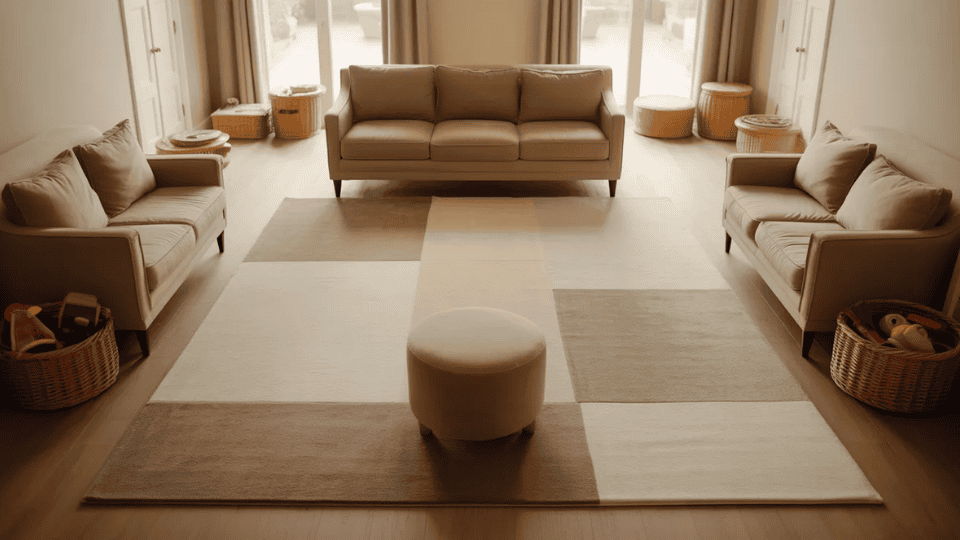
Arrange seating along the perimeter to open up a central play area. Keep sharp-edged tables away from high-traffic zones. Use a soft, durable rug to cushion the floor.
Leave wide walking paths so kids can move freely. Choose storage ottomans or baskets to quickly clear toys and keep the room organized.
25. Round Coffee Table for Better Flow
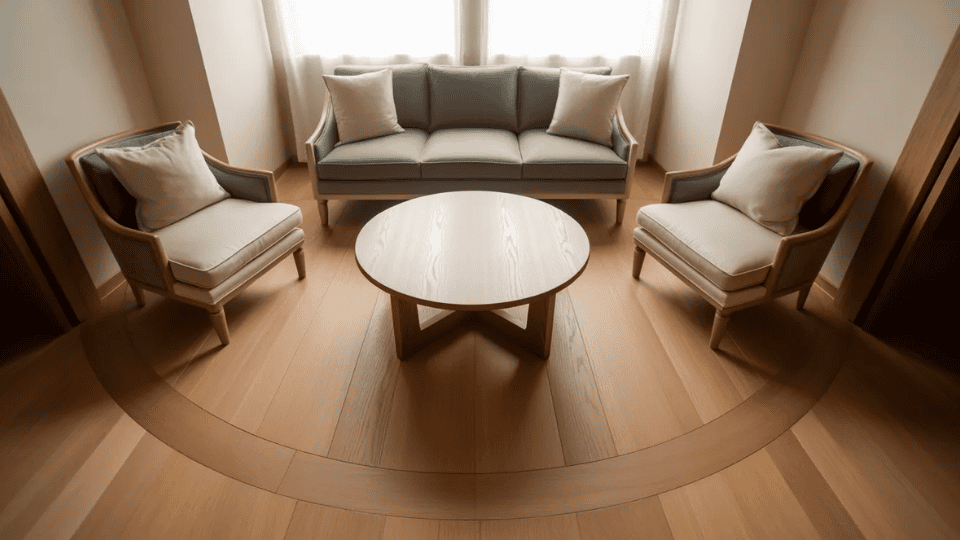
Swap a rectangular coffee table for a round one to improve movement in tight spaces. The curved edges reduce sharp corners in walkways.
Keep about 16–18 inches between seating and the table for comfort. Choose a size proportional to your sofa length. This layout adjustment makes small rooms feel easier to navigate.
Small Living Room Ideas That Improve Visual Space
Small rooms need smart furniture choices. These changes focus on pieces that improve movement, reduce bulk, and help you use every inch wisely.
26. Nesting Tables Instead of Side Tables
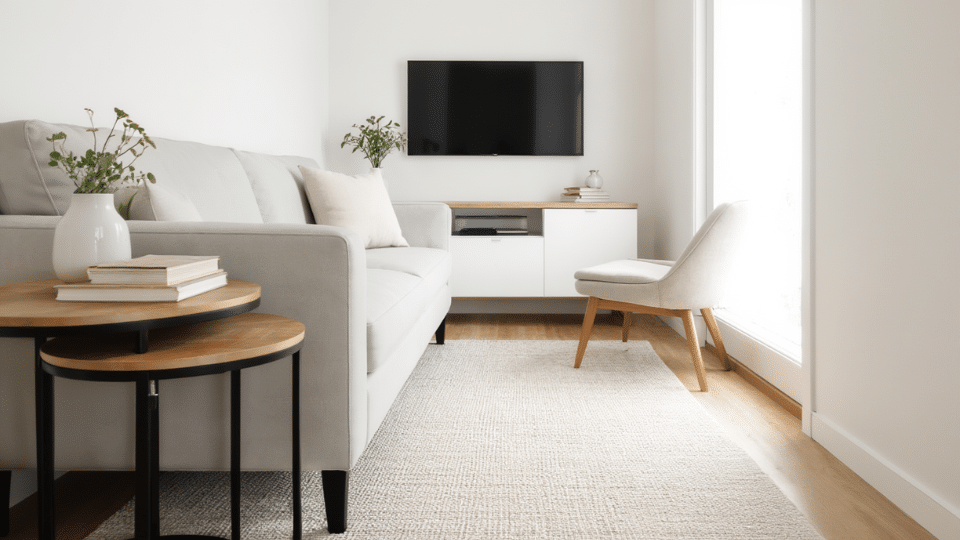
Replace bulky side tables with nesting tables that tuck neatly underneath each other. Keep them stacked daily to save floor space.
Pull them out only when you need extra surface area for drinks or guests. Choose lightweight pieces that are easy to move. This keeps your layout flexible without permanently crowding the seating area.
27. Wall-Mounted TV Layout
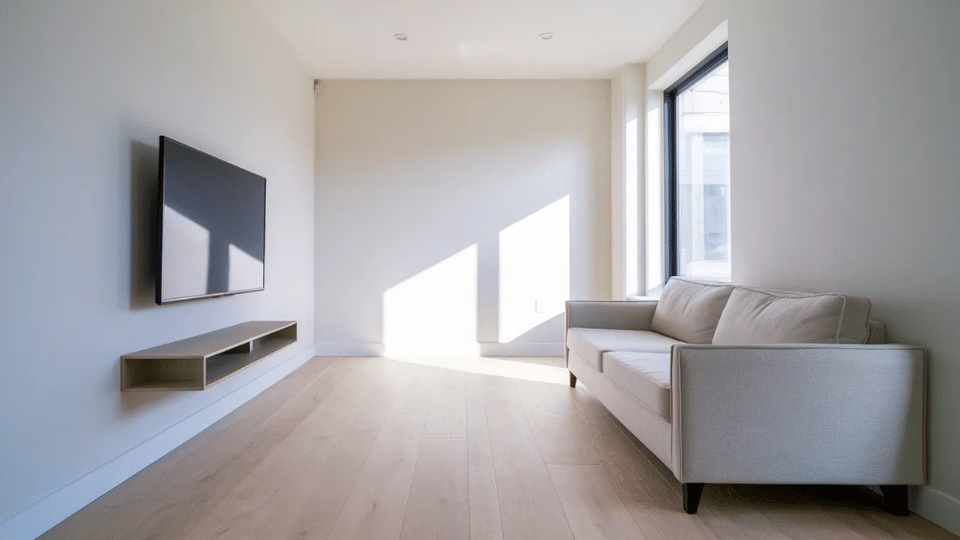
Mount your TV directly on the wall to remove the need for a large media console. Add a slim floating shelf underneath for essentials.
Keep cords concealed for a cleaner look. This frees up valuable floor space and allows better furniture placement. It works especially well in narrow rooms where every inch matters.
28. Ottoman With Hidden Storage
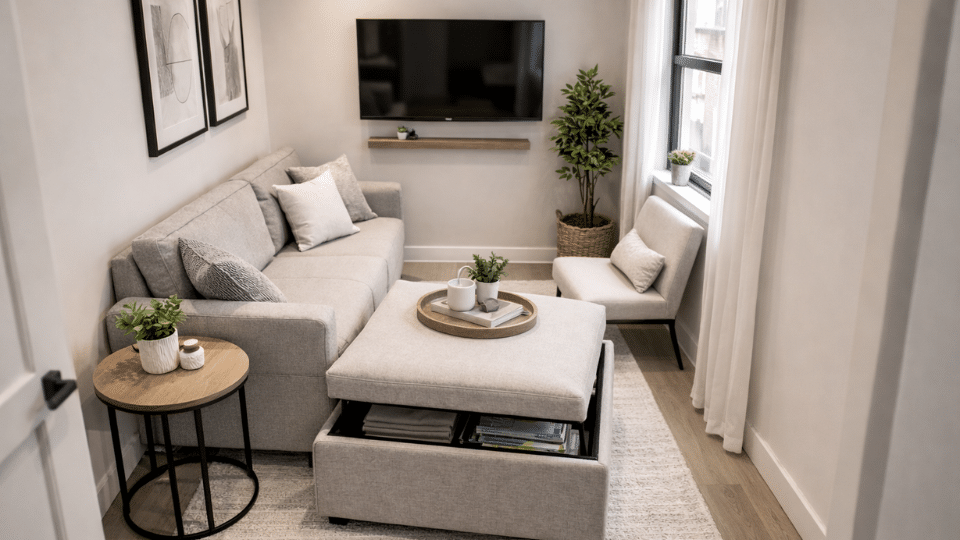
Use a storage ottoman instead of a traditional coffee table to combine function and seating. Choose one that opens easily for quick access.
Store blankets, toys, or magazines inside to reduce clutter. Keep it centered within the seating area for balance. This setup adds practicality without introducing extra furniture pieces.
29. Mirror-Focused Layout for Depth
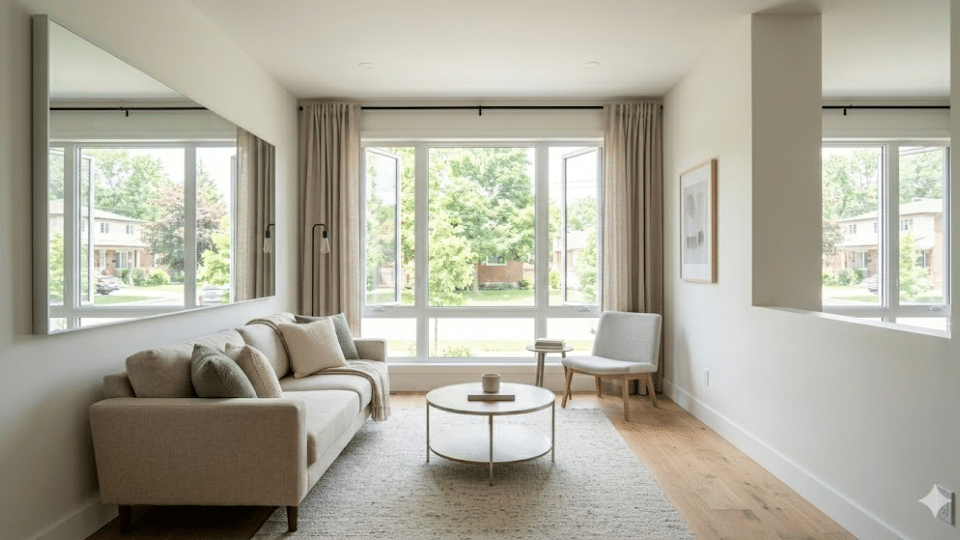
Place a large mirror opposite a window or behind the sofa to reflect natural light. Keep it centered at eye level for the strongest impact. Avoid cluttered walls nearby so the reflection stays clean.
This simple adjustment can make a small room feel deeper. Pair it with minimal décor to maintain a bright, open look.
30. Built-In Shelving Around the TV
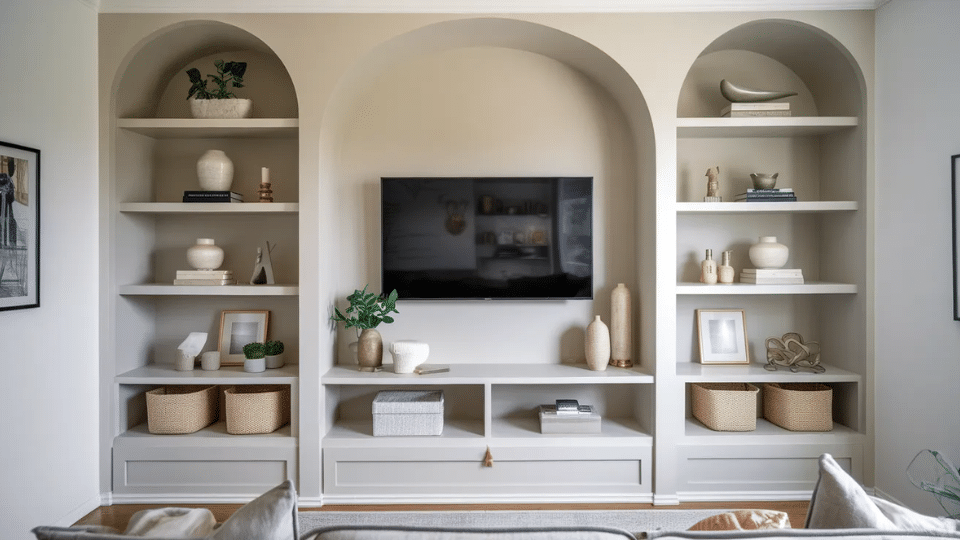
Frame your TV with built-in shelving to centralize storage and reduce scattered furniture. Keep shelves shallow to avoid crowding the room.
Balance open and closed storage to prevent a cluttered look. Position seating directly facing this wall for a clean focal point. This setup keeps everything contained in one organized zone.
31. Glass or Acrylic Furniture Layout
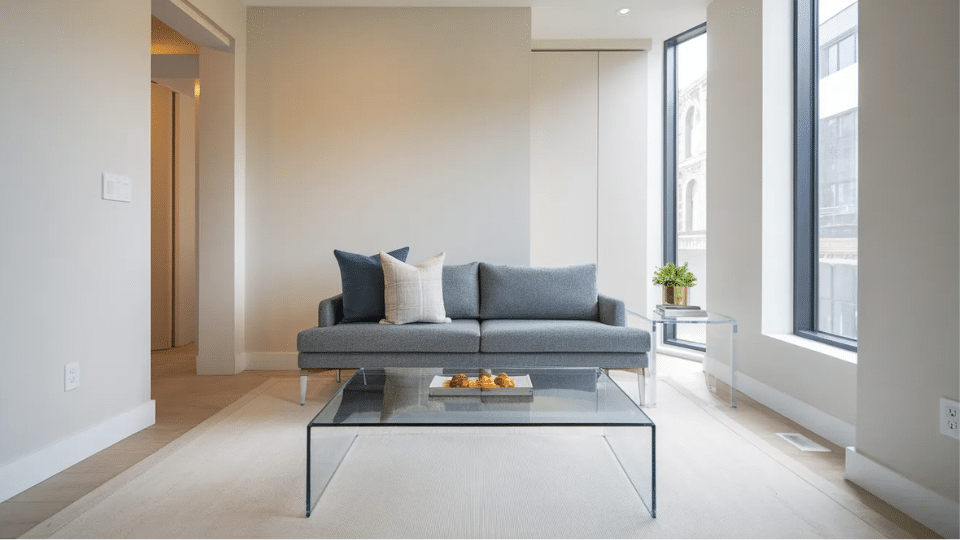
Use glass or acrylic coffee tables and side tables to reduce visual weight. Keep the design simple so the pieces blend into the room.
Position them where solid furniture might feel heavy. Clear materials allow light to pass through and keep sightlines open. This helps small living rooms feel less crowded without reducing function.
Common Small Living Room Layout Mistakes to Avoid
Even the best intentions can work against a small space. Here are the most common mistakes worth avoiding:
- Oversized furniture: Bulky sofas or large coffee tables eat up floor space and make the room feel boxed in.
- Rug too small: An undersized rug disconnects furniture and makes the space feel choppy.
- Blocking natural light: Heavy curtains or furniture placed near windows cuts off the room’s best asset.
- Pushing everything against the wall: This actually makes rooms feel smaller, not larger.
- Too many small pieces: Clutters the eye and creates visual noise instead of calm.
- Ignoring vertical space: Walls above eye level are valuable real estate for shelving and storage.
- Poor lighting layers: One overhead light flattens a room; layered lighting adds depth and warmth.
Small adjustments to these habits can make a noticeable difference almost immediately.
Final Thoughts
Square footage sets limits, but a smart small living room layout decides how a space actually feels to live in. Throughout this blog, I’ve walked through layout fundamentals, common mistakes that quietly shrink a room, and practical small living room ideas tailored to different shapes, styles, and needs.
Before committing to any arrangement, test it first. Move furniture around, measure walkways, and sit in the space before deciding. What looks good on paper does not always feel right in person.
Most importantly, choose ideas that match the way the space gets used daily, not just what looks good in photos. Found something useful here? Leave a comment below or share which tip made the biggest difference.