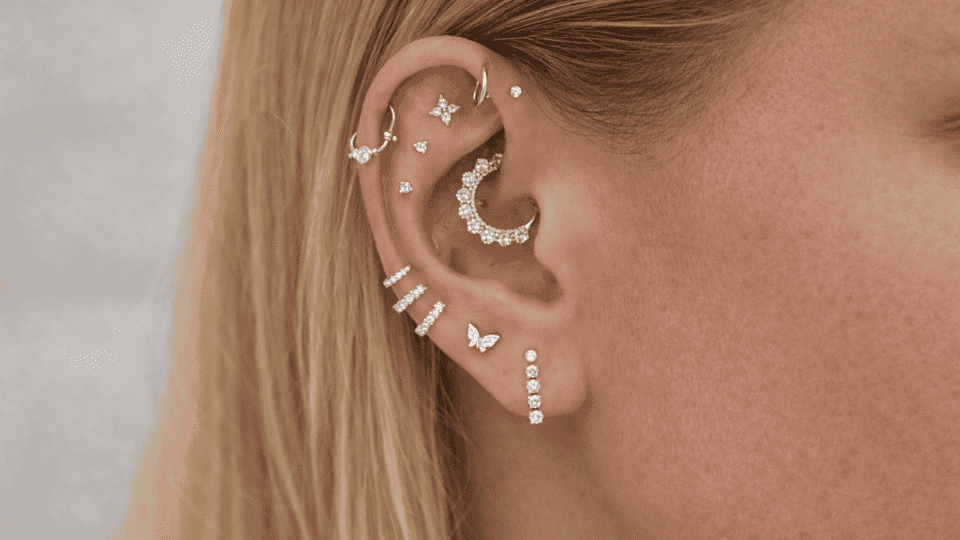

Getting your ear pierced sounds simple until you’re sitting in the chair with no idea what you actually asked for.
I know how overwhelming it can feel with so many types of ear piercings to choose from. I’ve seen people rush into a piercing without knowing what to expect, which usually leads to regret or a longer healing time.
That’s why I put this together for you. I’ll walk you through the most popular types, explain where each one sits, how much it hurts, and how long it takes to heal. By the end, you’ll feel clear and confident about your choice.
The Basics of Ear Piercing Types Before You Choose
There are many types of ear piercings, but they usually fall into two main groups: lobe and cartilage. Lobe piercings are the most common and generally hurt the least.
They heal relatively quickly, often within a couple of months when cared for properly. Cartilage piercings, on the other hand, tend to hurt more and take considerably longer to heal.
Some can take six months or more, depending on placement and aftercare. The main difference comes down to tissue type. Lobes are soft and recover faster, while cartilage is firmer and naturally takes more time to heal fully.
Types of Ear Piercings That Actually Look Good
If you want clear details before choosing, this section breaks down each piercing’s location, pain level, healing time, and what you should expect during healing.
1. Standard Lobe Piercing
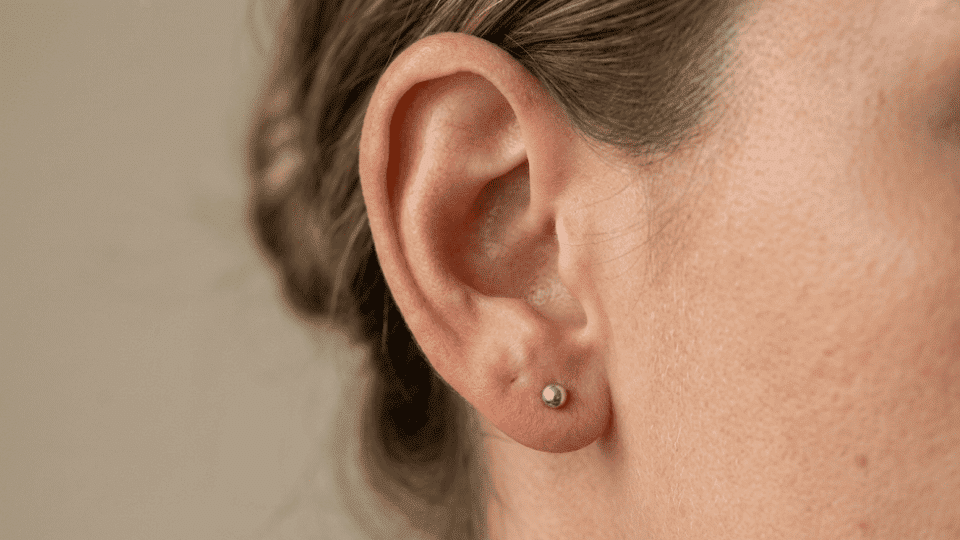
This piercing sits in the soft lower part of your ear and is usually the first one people get. It is simple, low-pain, and works well with almost any jewelry style you like. It heals quickly when cleaned properly, though heavy earrings should be avoided during the healing period.
Pain Level: 2/10
Healing Time: 6–8 weeks
Jewelry Options: Studs, small hoops, light dangles
Best For: Beginners or anyone wanting low pain
2. Upper Lobe Piercing
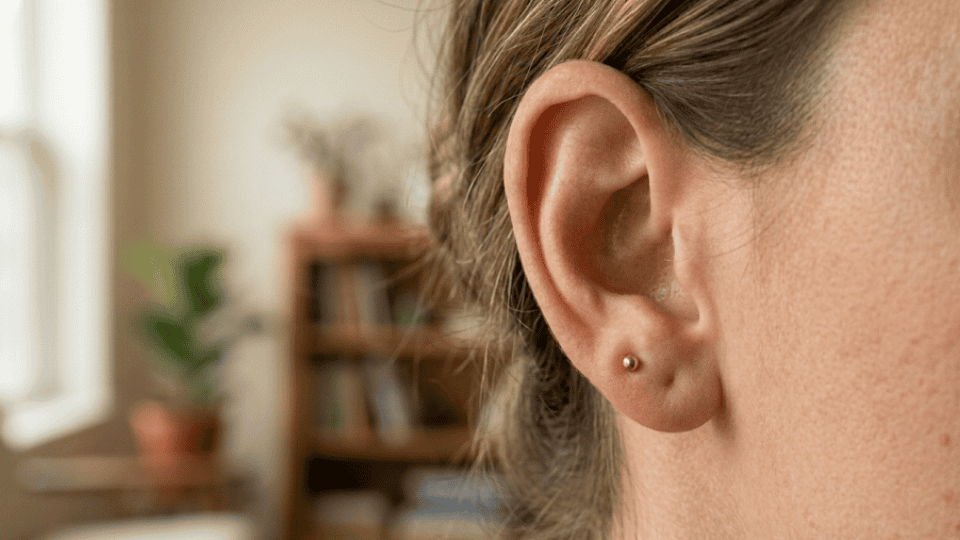
This piercing is placed slightly above the standard lobe but still in soft tissue. It gives you more room for stacked styles and layered earrings without moving into harder cartilage areas. Healing is usually quick, but mild swelling or tenderness may appear during the first few days.
Pain Level: 3/10
Healing Time: 8–10 weeks
Jewelry Options: Studs, tiny hoops
Best For: People who want a layered lobe looks
3. Helix Piercing
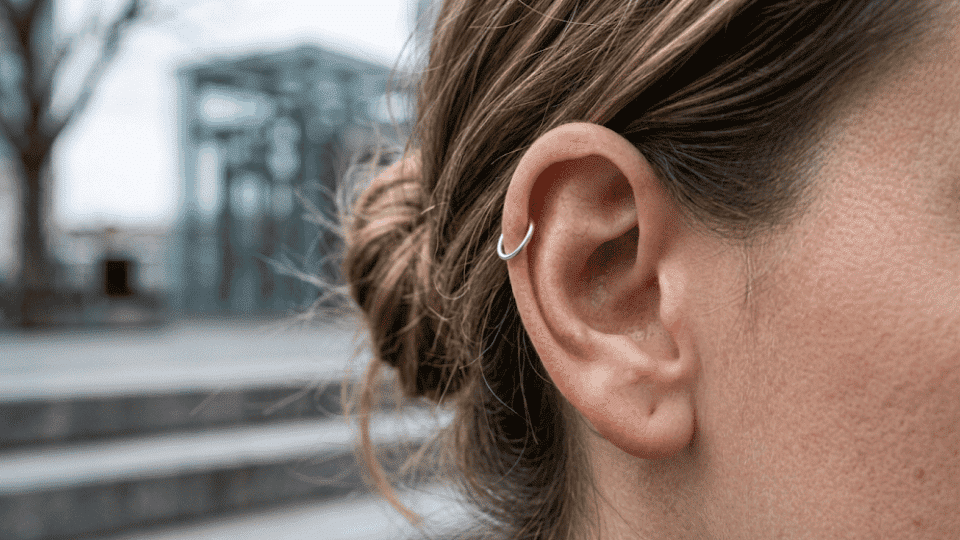
The helix piercing goes along the upper outer rim of your ear cartilage. It is one of the most popular cartilage piercings and gives you a clean, noticeable look without being too bold. Healing usually takes several months because the piercing goes through cartilage, so patience and daily cleaning are key.
Pain Level: 4–6/10
Healing Time: 3–6 months
Jewelry Options: Studs, small hoops, barbells
Best For: Those ready for a cartilage piercing
4. Forward Helix Piercing
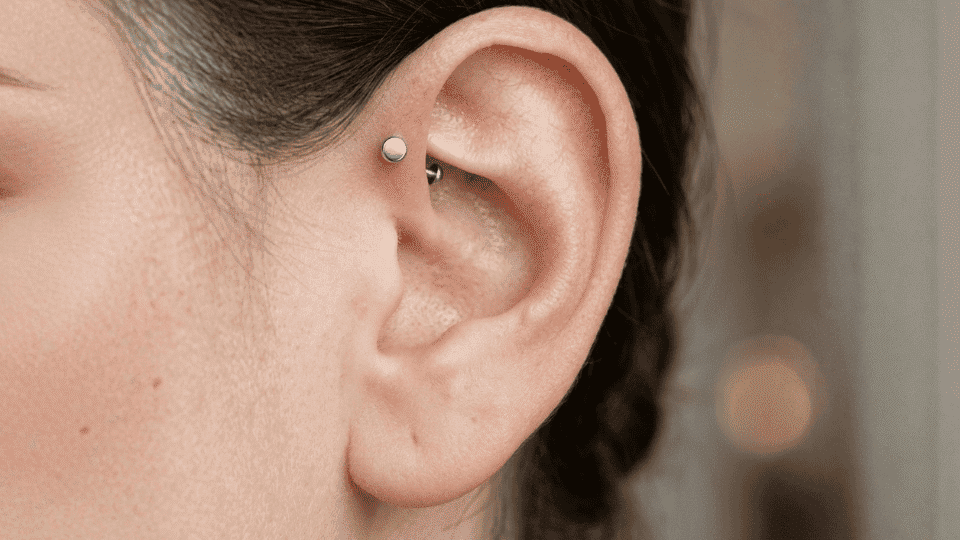
This piercing sits on the front upper cartilage near your face. It creates a small yet eye-catching detail that works well on its own or paired with other cartilage piercings. Healing may take several months since this area has cartilage, so avoid pressure and keep it clean.
Pain Level: 5–6/10
Healing Time: 3–6 months
Jewelry Options: Tiny studs, curved barbells
Best For: Minimal but defined styles
5. Industrial Piercing
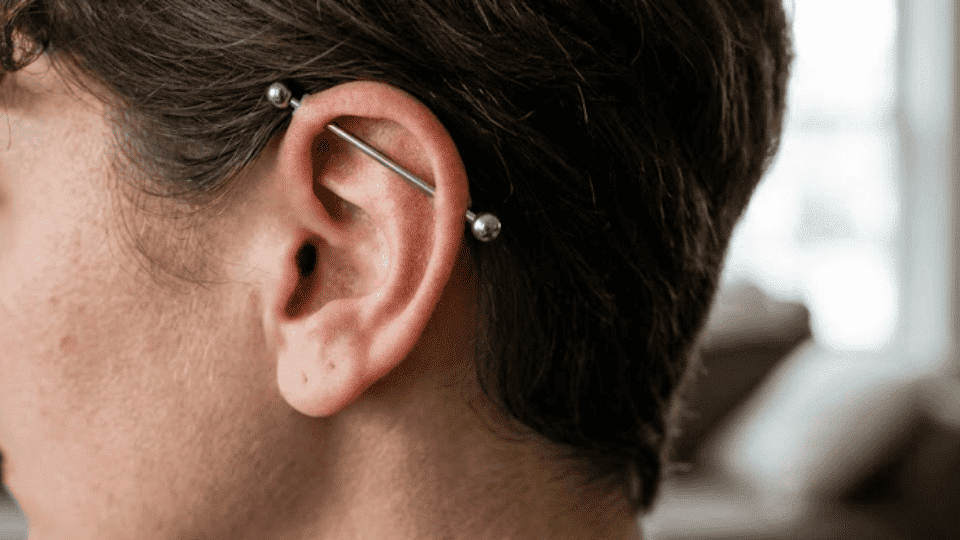
The industrial piercing connects two cartilage holes with a single straight bar across the upper ear. It stands out more than most ear piercing types and usually feels stronger during healing. This piercing uses two cartilage holes, so healing takes longer and requires careful cleaning and minimal movement.
Pain Level: 7–8/10
Healing Time: 6–12 months
Jewelry Options: Straight barbells
Best For: Bold, statement look
6. Tragus Piercing
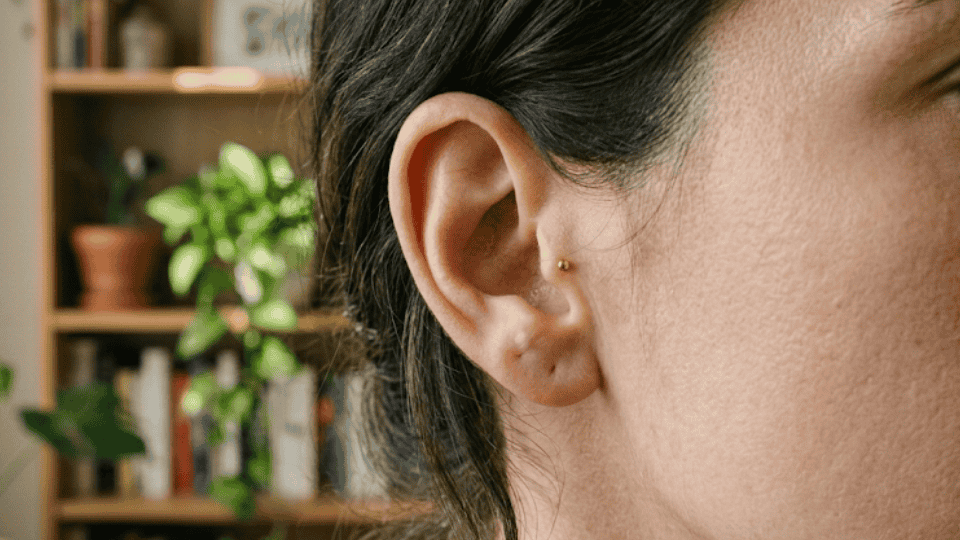
This piercing sits on the small cartilage flap right in front of your ear canal. It is compact, noticeable, and works well with tiny studs or small hoops for a clean everyday look. Because the area is thick cartilage, healing may take a few months and needs gentle daily cleaning.
Pain Level: 5–6/10
Healing Time: 3–6 months
Jewelry Options: Studs, small hoops
Best For: Subtle but defined cartilage style
7. Anti-Tragus Piercing
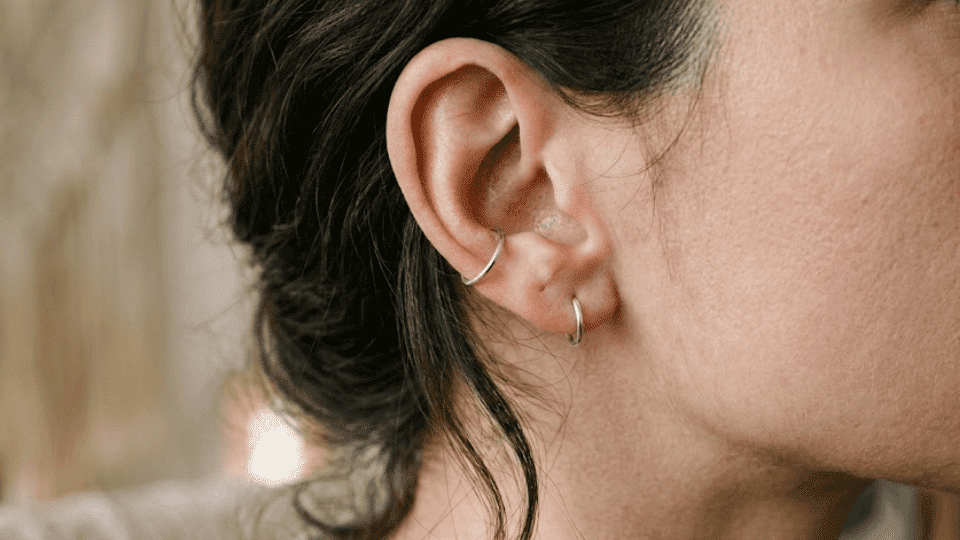
This piercing is placed on the small raised cartilage across from your tragus, just above your earlobe. It is less common, which makes it stand out more than many other ear piercing types. Because this area has thicker cartilage, healing can take several months and may be sore early on.
Pain Level: 6–7/10
Healing Time: 6–9 months
Jewelry Options: Small hoops, curved barbells
Best For: Unique cartilage look
8. Conch Piercing
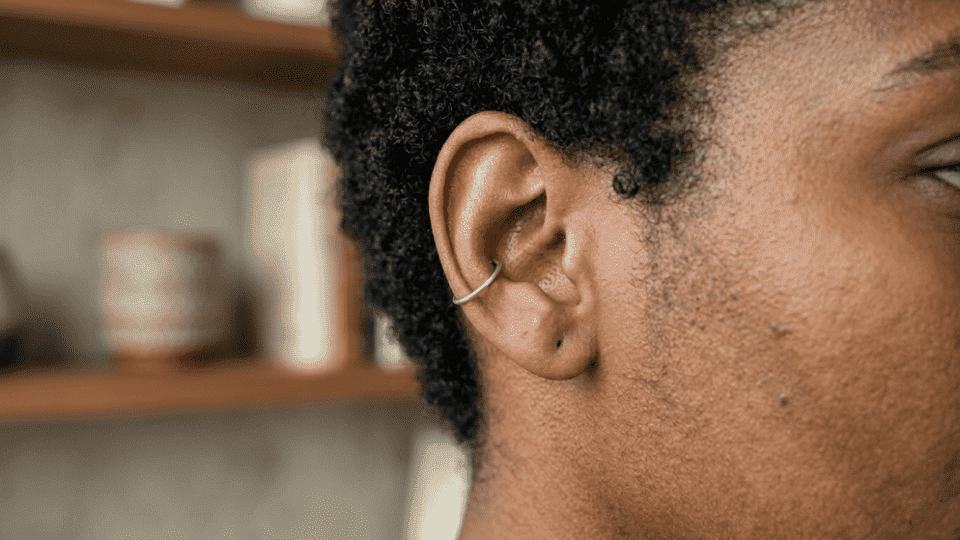
The conch piercing goes through the middle cartilage area of your ear. You can choose the inner conch for a stud look or the outer conch for a hoop that wraps around the ear. Cartilage healing takes time, so expect several months of care while keeping the area clean.
Pain Level: 6/10
Healing Time: 6–9 months
Jewelry Options: Studs, hoops
Best For: Balanced but noticeable styl
9. Daith Piercing
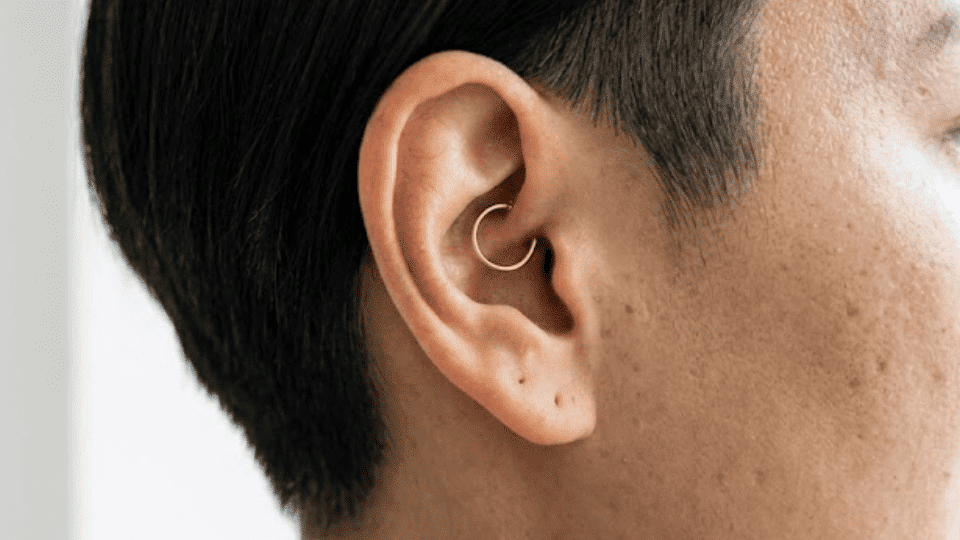
This piercing passes through the inner cartilage fold above your ear canal. It sits tucked inside the ear, giving you a hidden yet detailed look that feels different from placements on the outside. Because the area is deep cartilage, healing can take several months with consistent cleaning.
Pain Level: 6–7/10
Healing Time: 6–9 months
Jewelry Options: Curved barbells, small rings
Best For: Inner ear detail
10. Rook Piercing
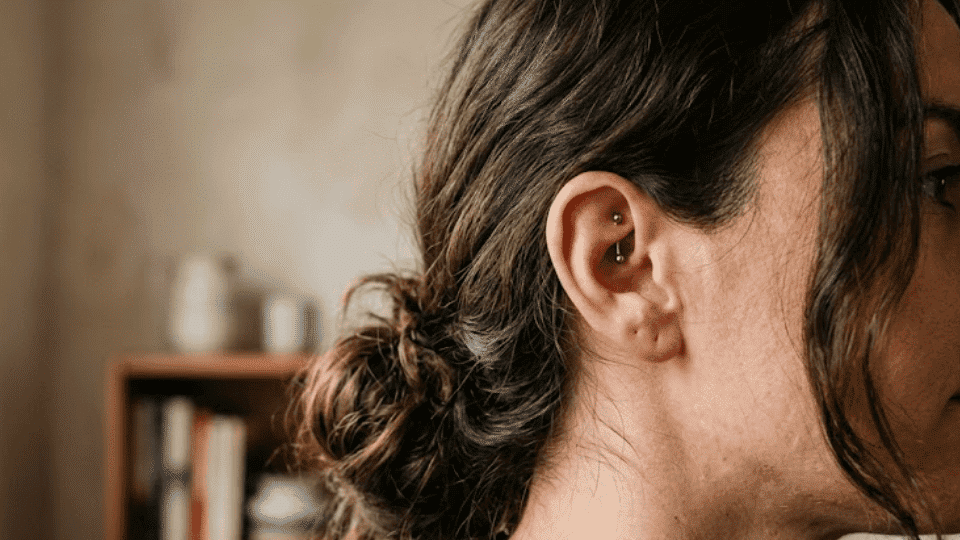
The rook piercing is placed along the upper inner ridge of your ear cartilage. It creates a strong vertical detail that pairs well with other inner ear piercings for a layered look. Since it passes through thick cartilage, healing can take several months and needs gentle daily care.
Pain Level: 6–8/10
Healing Time: 6–9 months
Jewelry Options: Curved barbells
Best For: Structured cartilage style
11. Snug Piercing
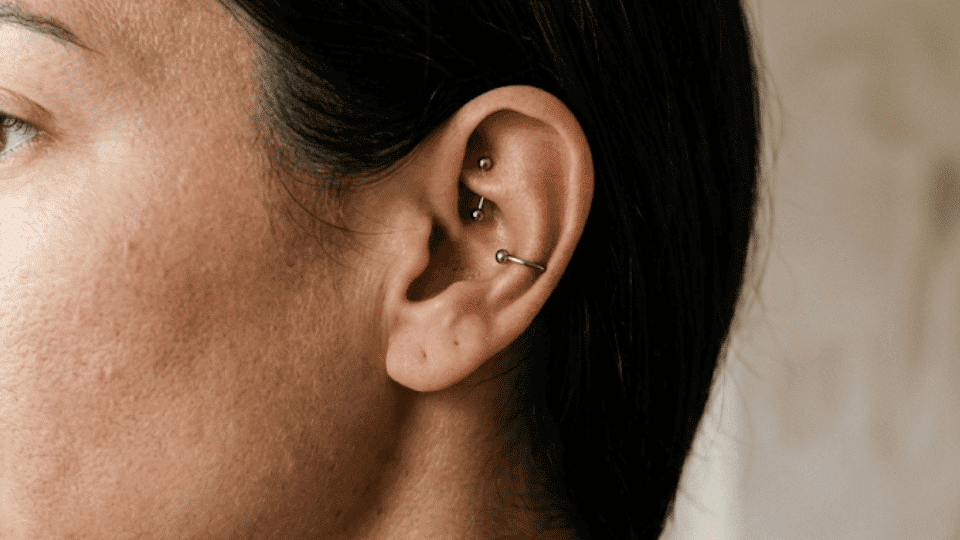
The snug piercing runs through the inner cartilage ridge between the outer rim and the inner ear. It sits deeper than many other ear-piercing types, making it look bold and structured once healed. This thick cartilage area may swell more than others, and healing often takes several months.
Pain Level: 7–9/10
Healing Time: 9–12 months
Jewelry Options: Small curved barbells
Best For: People who want a strong cartilage feature
12. Flat Piercing
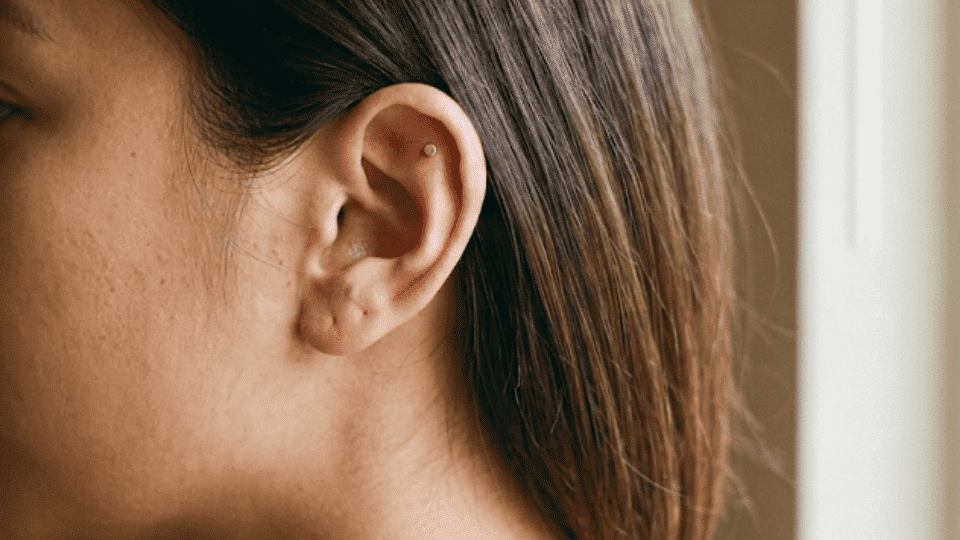
The flat piercing is placed on the wide, smooth cartilage area on the upper part of your ear. It gives you space for creative stud placements without sitting on the outer rim. Healing may take several months because the piercing passes through cartilage and needs steady cleaning.
Pain Level: 5–6/10
Healing Time: 3–6 months
Jewelry Options: Flat back studs
Best For: Clean, centered cartilage detail
13. Hidden Helix Piercing
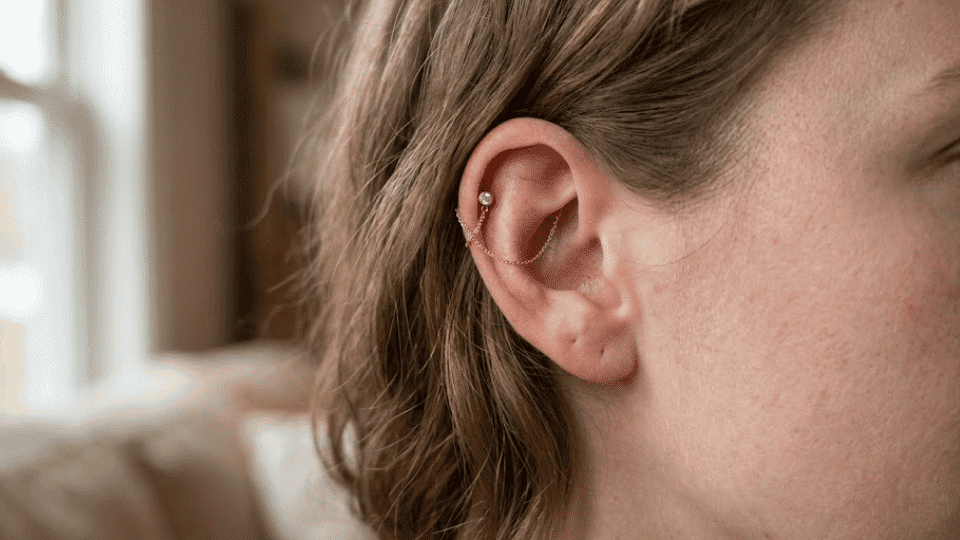
The hidden helix piercing is placed on the upper cartilage fold, where the jewelry sits slightly tucked under the rim. It gives a subtle yet layered look, especially when paired with small chains or clustered studs. Since it goes through cartilage, healing may take several months and needs regular cleaning.
Pain Level: 5–6/10
Healing Time: 3–6 months
Jewelry Options: Flat back studs, small chains
Best For: A layered cartilage look without being too bold
14. Orbital Piercing
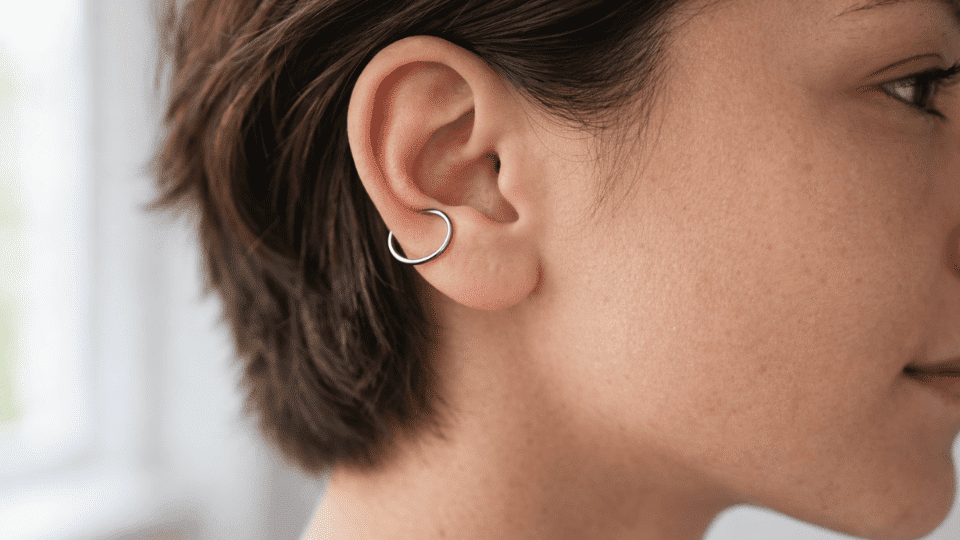
An orbital piercing connects two separate holes with one single ring. It can be done on the lobe or cartilage, depending on the look you want. Healing time depends on placement, but keeping the ring still and clean helps prevent irritation.
Pain Level: 5–7/10
Healing Time: 3–6 months
Jewelry Options: Captive bead rings, seamless hoops
Best For: Circular connected style
15. Auricle Piercing
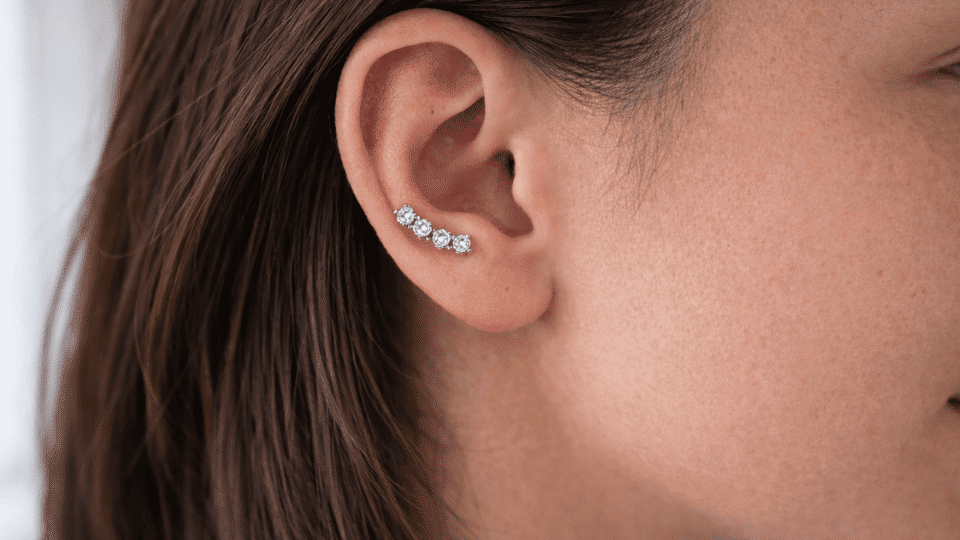
The auricle piercing is placed along the middle outer cartilage, between the helix and lobe. It sits lower than a helix and works well for simple hoops or small studs. Since it goes through cartilage, healing may take several months with gentle cleaning and minimal pressure.
Pain Level: 4–5/10
Healing Time: 3–6 months
Jewelry Options: Hoops, studs
Best For: Balanced outer ear detail
16. High Lobe Piercing
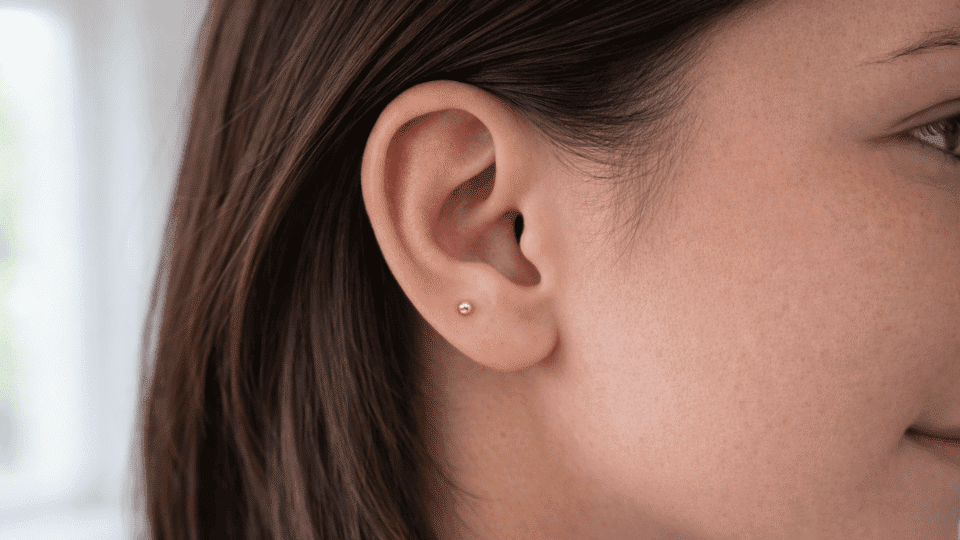
The high lobe piercing sits just above the traditional lobe area, close to where cartilage begins. It gives you added height without fully committing to a cartilage piercing. Healing is usually quick since it remains soft tissue, but avoid heavy earrings during early healing.
Pain Level: 3–4/10
Healing Time: 8–12 weeks
Jewelry Options: Studs, small hoops
Best For: Layered lobe styling
17. Stacked Lobe Piercing
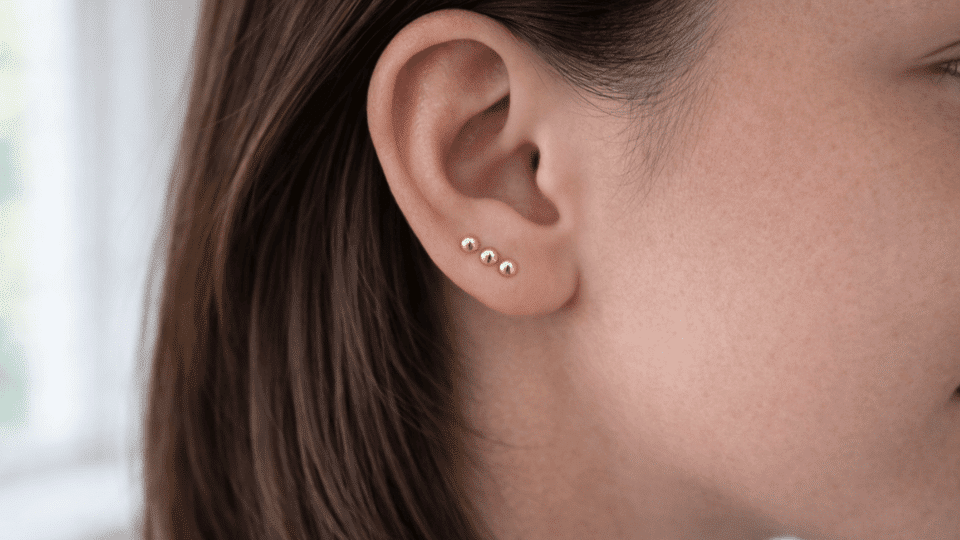
Stacked lobe piercings involve placing multiple piercings close together on the earlobe. This creates a grouped look that lets you mix small studs for a fuller ear style. Healing is usually quick since the lobe is soft tissue, but space piercings properly to avoid irritation.
Pain Level: 2–4/10
Healing Time: 6–8 weeks
Jewelry Options: Tiny studs, mini hoops
Best For: Building a curated lobe arrangement
Which Ear Piercings Hurt the Most?
When it comes to types of ear piercings, pain levels can vary a lot. The least painful options are usually standard and upper-lobe piercings, since they go through soft tissue. Helix and flat piercings fall in the middle range.
Piercings like daith, rook, and snug often hurt more because they pass through thicker cartilage. Industrial piercings are usually ranked among the most painful since they involve two holes.
Cartilage hurts more than the lobe because it is firmer and has less blood flow. Your pain tolerance, piercer skill, needle method, and aftercare habits also affect how much discomfort you feel.
How to Choose the Right Ear Piercing for You
Choosing among different types of ear piercings is about more than just liking how they look. You should think about comfort, healing time, and your everyday routine.
- Pain tolerance matters: If you prefer low discomfort, stick with lobe or high lobe piercings since they go through softer tissue and usually feel milder during the procedure.
- Healing time is important: Some ear piercing types heal within two months, while cartilage options like rook or snug may take many months to fully settle.
- Your ear shape matters: Not every ear supports every piercing style, so a trained piercer should assess your anatomy before final placement.
- Lifestyle affects healing: If you wear headphones daily or sleep on one side, certain cartilage piercings may feel uncomfortable and heal more slowly.
- Your style preference counts: Choose subtle placements like tragus for minimal detail, or go for bold options like industrial if you want a stronger visual impact.
Think carefully before deciding. A well-planned choice will feel better, heal more smoothly, and suit you long term.
Aftercare Tips for All Ear Piercing Types
Taking care of your piercing properly makes a big difference in how well it heals. Here are the key habits to follow from day one:
- Clean twice daily: Use a saline solution, then gently pat the area dry with a clean tissue after each cleaning.
- Avoid touching or twisting: Do not touch, twist, or change the jewelry too soon, even if it feels fine.
- Mind your sleeping position: Try not to sleep directly on new cartilage piercings, as pressure can cause swelling.
- Watch for signs of infection: severe pain, thick yellow discharge, spreading redness, or heat around the area; these require prompt attention from a piercer or doctor.
Mild swelling is normal at first. If symptoms worsen or last too long, it’s best to see a professional piercer or a doctor.
Conclusion
Now you’ve seen the full list of types of ear piercings, along with pain levels, healing times, and placement details. I always tell people that the best piercing isn’t the trendiest one.
It’s the one that fits your comfort level and your patience for healing. Some piercings heal fast and feel easy. Others take months and need steady care.
If you think about your lifestyle, your pain tolerance, and how much maintenance you can handle, you’ll make a smarter choice.
Take your time before booking your appointment. Save this guide, compare your options again, and pick the piercing that truly feels right for you. If this helped you, share it with someone who’s planning their next ear piercing.