Finding the right foundation can feel overwhelming, and honestly, it should not be that hard. Foundation is the base of any makeup look. It evens out skin tone, covers imperfections, and sets the stage for everything else.
But with so many formulas on the market, one size clearly does not fit all. Different skin types, coverage needs, and daily routines call for different solutions, and that is something I have seen confuse even the most seasoned makeup lovers.
In this guide i’ll break down every major type of foundation makeup, what each one does, who it works best for, and what to watch out for.
Whether building a full glam look or something quick and natural, trust me, there is a formula here worth knowing about.
Why There Are Different Types of Foundations
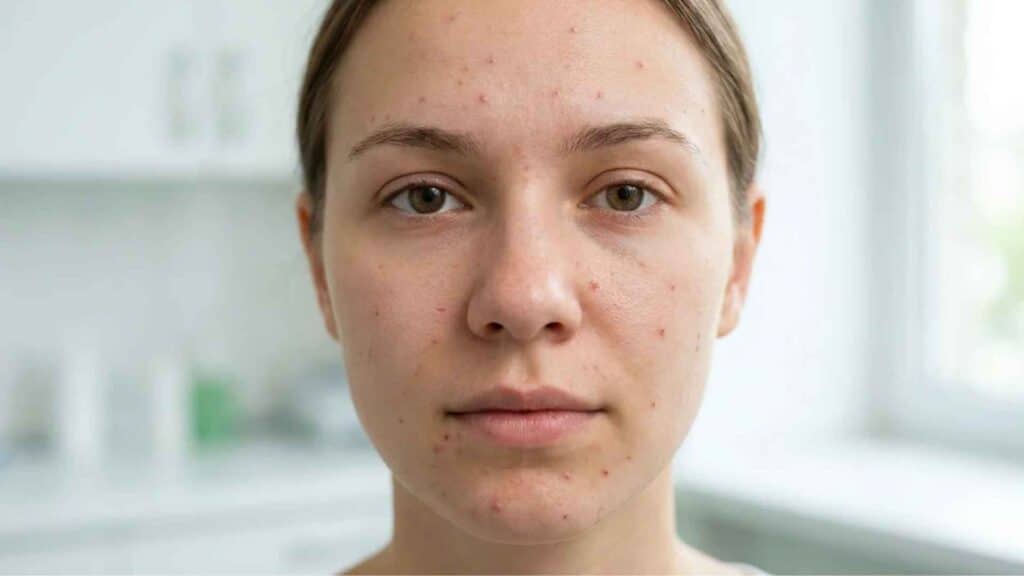
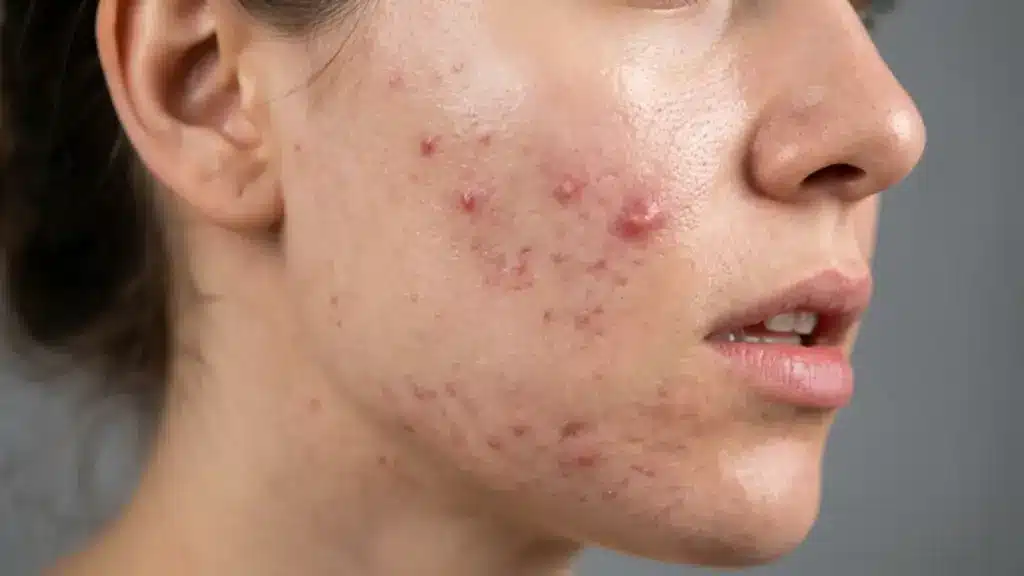
Skin is not one-size-fits-all, and neither is foundation. Some people have oily skin that breaks down product by noon. Others deal with dryness, sensitivity, or uneven texture.
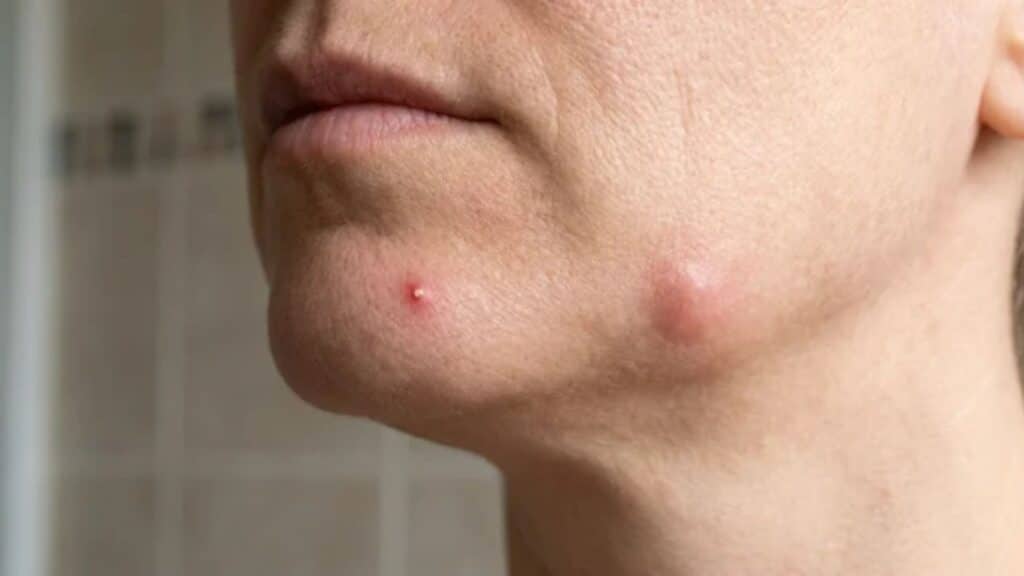
On top of that, coverage needs vary widely. A teenager covering minor redness has very different needs from someone managing hyperpigmentation or rosacea.
Finish preferences matter too; some prefer a dewy glow, others want a matte, shine-free look. Lifestyle plays a role as well.
A five-minute morning routine calls for something very different from a full evening look. All of these variables are exactly why so many types of foundation makeup exist; each one is engineered to solve a specific problem.
Main Types of Foundation Makeup
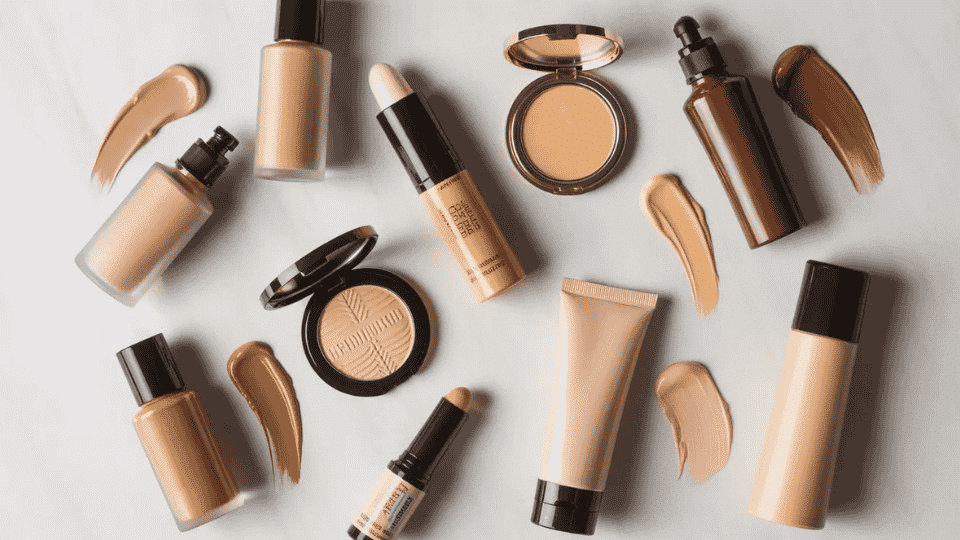
There are many types of foundation, and each one has a different texture, coverage level, and best-use case. Here is what to know about each.
1. Liquid Foundation

Liquid foundation is the most versatile formula out there, a water- or oil-based liquid that blends into skin smoothly. It suits most skin types, offers the widest finish range, and comes in the most shade options of any formula.
Best for normal to combination skin, though oil-based versions work well for dry skin too. Coverage ranges from light to full, and finish options span matte, satin, and dewy.
| Pros | Cons |
|---|---|
| Blends seamlessly with any tool | Can oxidize and shift tone through the day |
| Widest shade range across all budgets | May feel heavy in humid climates |
| Highly buildable coverage | Requires more steps to set properly |
Try:
- L’Oréal True Match (budget)
- Giorgio Armani Luminous Silk (high-end)
2. Powder Foundation

A dry, pressed, or loose powder that works as both foundation and setting step in one. It is fast, portable, and keeps shine under control, but it really only does the heavy lifting for oily or combination skin.
Coverage stays in the light to medium range, and the finish leans matte to natural. Dry or mature skin should steer clear, powder clings to flaky patches and makes the texture more visible.
| Pros | Cons |
|---|---|
| Controls shine effectively | Settles into fine lines and dry patches |
| Fast, minimal-tool application | Not enough coverage as a standalone for most |
| Easy to carry for midday touch-ups | Can look flat or cakey in photos |
Try:
- Rimmel Stay Matte Powder (budget)
- bareMinerals Original Loose Powder Foundation (mid-high)
3. Cream Foundation

A thick, rich formula, usually in a pot or compact, that delivers serious coverage without feeling harsh. Best for dry, mature, or dehydrated skin that needs both coverage and comfort.
It offers medium to full coverage with a satin to natural finish. Traditionally a staple in professional makeup kits, it has earned its place in everyday routines, too.
| Pros | Cons |
|---|---|
| Deeply hydrating formula | Can look heavy if layered too much |
| Buildable without going cakey | Needs setting powder to last all day |
| Excellent for mature or textured skin | Warmer skin tones may experience transfer |
Try:
- NYX Can’t Stop Won’t Stop Foundation (budget)
- NARS Natural Radiant Longwear Foundation (high-end)
4. Stick Foundation

Cream formula in a stick, portable, no-fuss, and good for spot coverage or a quick all-over base. Works best on dry to normal skin and delivers medium to full coverage with a natural to satin finish.
The key is speed: blend it out fast, or the texture starts to show. Too emollient for oily skin.
| Pros | Cons |
|---|---|
| No tools needed at all | Emphasizes texture if applied heavily |
| Mess-free and travel-friendly | Too emollient for oily skin |
| Easy targeted application | Shade range tends to be narrower |
Try:
- Essence Foundation Stick (budget)
- ILIA Skin Rewind Complexion Stick (high-end)
5. Serum Foundation

A newer hybrid, part skincare serum, part foundation. Best suited for dry, dull, or aging skin that wants coverage and treatment in one step.
It delivers light to medium coverage with a dewy to luminous finish. Worth the higher price point if an active skincare routine is already a priority.
| Pros | Cons |
|---|---|
| Skincare actives (HA, niacinamide) built in | Higher price point than most foundations |
| Comfortable, breathable wear | Not enough coverage for significant concerns |
| Skin looks healthy, not made-up | May not last as long without a setting spray |
Try:
- L’Oréal Revitalift Serum Foundation (budget)
- ILIA Super Serum Skin Tint SPF 40 (high-end)
6. Cushion Foundation

A liquid foundation is soaked into a sponge cushion and applied with a puff. Originally from Korean beauty, it has gone global, and for good reason.
Best for normal to dry skin, it offers light to medium buildable coverage with a dewy to natural finish. Gives a skin-like result with minimal effort, though oily skin may find it too glowy.
| Pros | Cons |
|---|---|
| Hygienic, compact, travel-friendly | Refills can be expensive |
| Usually includes SPF | Oily skin may find it too glowy |
| Buildable and skin-like | Less control over the exact coverage amount |
Try:
- Missha Magic Cushion (budget)
- Laneige Neo Cushion (mid-high)
7. Mousse Foundation

Mousse foundation does not get much shelf space anymore, and that is worth being upfront about. It is a whipped, foam-like formula that was more popular a decade ago than it is now.
That said, it is still a genuinely good option for normal to combination skin that finds liquid formulas too heavy. Coverage is light to medium, finish is natural to satin, and it blends easily, just quickly, since it sets fast.
| Pros | Cons |
|---|---|
| Extremely lightweight feel | Dries fast, blending speed matters |
| Blends out easily | Harder to find in stores today |
| Does not feel heavy or suffocating | Shade ranges tend to be narrow |
Try:
- Maybelline Dream Matte Mousse Foundation (budget, where available)
- Dior Forever Perfect Mousse (high-end, similar whipped texture)
8. Tinted Moisturizer

More skincare than makeup, a moisturizer with just enough color to even things out. Best for those with already-clear or near-even skin who want a barely-there base.
Coverage is sheer, finish is natural to dewy, and it genuinely feels like nothing on the skin. Not a substitute for foundation when real coverage is needed.
| Pros | Cons |
|---|---|
| Skincare and color in one step | Too sheer for uneven or blemish-prone skin |
| Feels like nothing on the skin | Fades faster than foundation |
| Great for low-maintenance routines | Shade range can be limited |
Try:
- CeraVe Hydrating Mineral Sunscreen Tinted (budget)
- Laura Mercier Tinted Moisturizer Natural Skin Perfector (high-end)
9. BB Cream

“Beauty Balm” is an all-in-one product that combines moisturizer, light coverage, primer, and usually SPF. Best for beginners or those who want a simplified routine.
Coverage is sheer to light with a natural finish. The biggest limitation globally is shade range; Western BB creams, in particular, tend to skew very light and lack options for deeper skin tones.
| Pros | Cons |
|---|---|
| Multi-tasking formula simplifies routine | Shade range is often limited, especially for deeper tones |
| Usually SPF-included | Not enough coverage for visible skin concerns |
| Skin-friendly, gentle formula | Not a foundation replacement for most |
Try:
- Maybelline Fit Me BB Cream (budget)
- Dr. Jart+ Premium Beauty Balm (mid-high)
10. CC Cream

“Color Correcting” cream, like BB cream, but specifically designed to neutralize discoloration: redness, dullness, or uneven undertone.
Best for skin with mild tonal concerns rather than texture issues. Coverage is sheer to light, finish is natural, and most formulas include SPF. It handles tone well for how light it feels, just do not expect it to cover bumps or scars.
| Pros | Cons |
|---|---|
| Targets tonal concerns effectively | Does not address texture at all |
| Lightweight with skincare benefits | The shade range is still limited in many brands |
| Usually contains SPF | Not a standalone for higher coverage needs |
Try:
- IT Cosmetics Your Skin But Better CC+ Cream (mid-range)
- Erborian CC Crème (high-end)
11. Mineral Foundation

A powder formula made from zinc oxide and titanium dioxide, free from synthetic fillers, fragrance, and most common irritants.
Best for sensitive, acne-prone, or post-procedure skin that reacts to conventional formulas. Coverage is light to medium with a natural to matte finish. The natural SPF from zinc is a genuine bonus, though the powder texture can be tricky on dry or mature skin.
| Pros | Cons |
|---|---|
| Non-comedogenic and gentle | Powder texture is rough on dry or mature skin |
| Natural SPF from zinc oxide | Can look cakey if over-applied |
| Free from common irritants | Takes practice to build coverage evenly |
Try:
- Physicians Formula Mineral Wear Talc-Free Mineral Foundation (budget)
- Jane Iredale PurePressed Base Mineral Foundation (high-end)
Choosing Foundation for Multi-Toned or Uneven Skin
Uneven skin tone is more common than you think. You might notice darker areas along the jaw, redness on the cheeks, or discoloration around the nose. Here’s how to handle it:
Step 1: Match your foundation to your neck: This keeps your overall look balanced and prevents your face from looking like a different shade.
Step 2: Choose a medium, buildable formula: Liquid or cream foundations work best because you can control how much coverage you apply.
Step 3: Don’t over-apply foundation: You don’t need a heavy product all over your face to fix uneven tone.
Step 4: Spot-correct only where needed: Use a light color corrector or concealer on darker or red areas, then blend well.
This method usually looks more natural and holds up better throughout the day.
Common Mistakes When Choosing a Foundation Type
Choosing a foundation is not just about shade; the formula matters just as much, and these mistakes are easy to make.
- Picking by trend instead of skin type: A dewy cushion foundation may look stunning on someone else and break out oily skin within hours.
- Choosing the wrong finish for the climate: Matte formulas in dry winters can exaggerate flakiness. Dewy formulas in humid summers can slide right off.
- Ignoring undertone: A shade can match in depth but pull the wrong way (too pink, too yellow, too grey), and the whole look falls flat.
- Using powder foundation on dry skin: It tends to cling to dry patches and make texture more visible, not less.
- Overbuilding coverage in one layer: Multiple thin layers almost always look better and last longer than one thick application.
Getting the foundation right takes some trial and error, but avoiding these common missteps makes the learning curve a lot shorter.
Final Thoughts
With so many formulas available, choosing a foundation type does not have to feel like a guessing game.
The key is understanding what the skin actually needs, its type, finish preference, coverage level, and even the climate, before picking a product.
From lightweight tinted moisturizers to full-coverage cream formulas, all types of foundation makeup serve a purpose. This guide covered the most common options, what sets them apart, and where each one works best.
No single formula is superior; the best one is simply the one that works for a specific skin type and lifestyle.
If something stood out or there is a formula I may have missed, drop a comment would genuinely love to hear what has actually worked for you.