
Standing in front of your closet before a court date can feel overwhelming. I know how easy it is to second-guess every choice and wonder if the wrong outfit could send the wrong message.
If you’re searching for clear guidance on what to wear to court, the answer is simpler than you might think: choose neutral, modest, and structured pieces that show respect for the setting.
You don’t need a brand-new wardrobe or expensive clothes. In this guide, I’ll walk you through a safe outfit formula, what to avoid, situation-based examples, budget options, and grooming tips.
By the end, you’ll know exactly how to dress in a way that feels calm, intentional, and appropriate.
Courtroom Appearance is Important
Courts are formal institutions built on structure, procedure, and respect, and that environment extends to how people present themselves.
Judges and court officials interact with dozens of people every week, and while no one is judged solely on appearance, how someone carries and presents themselves does shape first impressions.
Dressing signals seriousness and respect for the process appropriately, not for fashion’s sake, but because it removes an unnecessary distraction.
When thinking about what to wear to court, women often overthink it, but the goal is simple: look intentional, calm, and composed. If you already have a sense of how to put together a polished everyday wardrobe, translating that into a courtroom-appropriate outfit becomes much easier. That alone communicates more than most people realize.
The Safest Outfit Formula (If You Want Zero Guesswork)
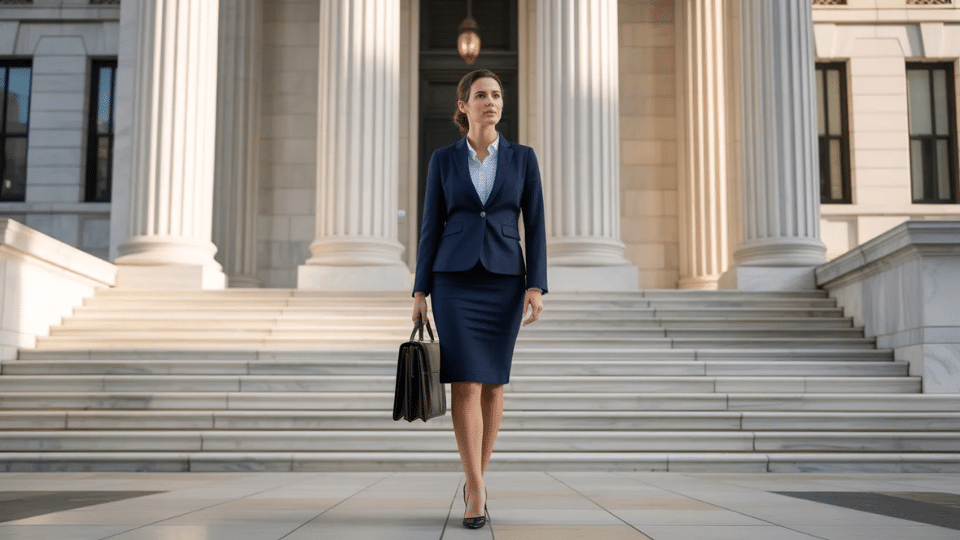
When in doubt, this formula for female court dress code works every single time, no styling experience required.
1. Tops

A simple, structured top sets the tone for your entire court appearance. It should look neat, modest, and intentional without drawing unnecessary attention.
Best Options: Choose a neutral blouse or button-down in white, cream, grey, navy, or black. Stick to solid colors with clean lines and a modest neckline.
Why It Works:
- Keeps attention on your words, not your outfit
- Signals professionalism and respect
- Creates a calm, composed appearance
Pro Tip: Choose a modest neckline, avoid sheer fabrics, skip bold prints, and ensure the top fits properly without clinging or gaping.
2. Bottoms

A structured bottom completes the outfit and reinforces a polished appearance. The goal is balance, coverage, and a clean silhouette that feels appropriate for a formal setting.
Best Options: Choose straight-leg slacks in black, navy, or grey, or a knee-length pencil or A-line skirt. Keep the length at or just below the knee.
Why It Works:
- Maintains a respectful silhouette
- Supports a professional overall look
- Prevents distraction during movement
Pro Tip: Avoid tight fits, mini lengths, or clingy fabrics, and make sure trousers are properly tailored and wrinkle-free before leaving home.
3. Layer

A layer adds structure and makes the outfit look intentional. Even a simple extra piece can elevate the entire appearance without making it feel overdressed.
Best Options: Add a navy or black blazer over a neutral blouse, or choose a simple cardigan in a muted tone for a softer finish.
Why It Works:
- Adds structure and definition
- Signals preparation and thoughtfulness
- Creates a more polished finish
Pro Tip: If unsure, choose a fitted blazer in a dark neutral tone to instantly refine your outfit.
4. Shoes

Footwear should be simple, clean, and comfortable enough for waiting periods. Shoes complete the look and should support a composed appearance.
Best Options: Wear closed-toe flats or low block heels in black, nude, or tan. Choose clean, minimal designs without decorative details.
Why It Works:
- Maintains a professional appearance
- Prevents unnecessary attention
- Ensures comfort during long hearings
Pro Tip: Check for scuffs, polish if needed, and avoid overly high heels or open-toe styles.
5. Bag

A structured bag keeps everything organized and reinforces a tidy presentation. It should complement the outfit without overpowering it.
Best Options: Carry a medium-sized structured handbag or tote in black, tan, navy, or another muted neutral shade.
Why It Works:
- Looks organized and prepared
- Keeps documents secure
- Avoids casual or distracting impressions
Pro Tip: Keep the bag neat inside and out, avoid oversized logos, and skip casual backpacks or slouchy totes.
What NOT to Wear to Court as a Woman
Avoiding the wrong choices is just as important as choosing the right outfit. The goal is to remove distractions and present yourself with respect and seriousness.
Tight or Revealing Clothing: Clothing that is too tight, low-cut, or overly short shifts attention away from your words and toward your appearance. In a formal courtroom, that distraction can quietly undermine credibility and focus.
Ripped Jeans or Casual Wear: Distressed denim, graphic tees, hoodies, and overly casual pieces signal indifference to the setting. Courts operate within formal standards, and casual clothing can appear careless rather than respectful.
Loud Prints and Bright Colors: Bold patterns, neon shades, and flashy designs draw attention unnecessarily. In a courtroom, subtle and neutral tones help keep the focus on your presence and what you are there to address.
Heavy Perfume: Strong fragrance lingers in enclosed spaces and can distract or irritate others. Judges and court staff sit in close proximity, so an overpowering scent can create discomfort and negative impressions.
Excessive Accessories: Large statement jewelry, stacked bangles, or flashy handbags create visual noise. Too many accessories shift attention away from your message and can make your overall appearance feel less serious.
Court Outfit Examples by Situation

The setting matters; here’s how to adjust the formula depending on why you’re in the room.
1. If You’re a Defendant
Credibility and seriousness are the two things the outfit needs to communicate. A tailored blazer over a neutral blouse with slacks or a knee-length skirt is the strongest foundation.
Stick to muted tones, navy, black, grey, or charcoal. Avoid busy prints, loud colors, or excessive jewelry; anything that pulls attention away from what is being said works against the goal, whether the case is minor or serious.
2. If You’re a Witness
The goal here is neutrality in every sense. Avoid anything that makes a strong visual statement; this includes both overly casual and overly formal choices.
A character witness and an expert witness can both follow the same principle: soft neutrals, a clean silhouette, and nothing distracting.
Bright colors, bold patterns, and statement accessories all shift focus in a direction that quietly undermines the calm reliability a witness needs.
3. If You’re Supporting Someone
Slightly less formal is completely acceptable, but careless is not. Smart-casual works well here; clean trousers, a modest blouse, and neat closed-toe shoes cover everything needed.
Stick to muted or neutral tones and avoid anything too casual or visually loud. If called upon to speak unexpectedly, which does happen, a put-together appearance means there is one less thing to worry about in an already high-pressure support role.
4. If It’s Traffic Court
Business-casual is the right level of formality for traffic court. Dark jeans without distressing, a neat blouse, and clean closed-toe shoes work well.
The setting is less formal than criminal or civil proceedings, but the same principle applies; looking intentional still matters.
For repeat appearances or cases involving higher fines, stepping slightly closer to business formal is a smarter choice that signals respect for the process without overdoing it.
What If You Don’t Own Business Clothes?
Not everyone has a wardrobe full of blazers and dress trousers, and that’s completely fine. Start by asking a friend or family member to borrow a single structured piece, like a blazer or slacks.
Thrift stores are genuinely underrated for this: a clean, well-fitting blouse or pair of trousers can be found for under $10 in most cities.
Affordable retailers also carry court-appropriate basics well under the $50 mark. If building from scratch, a simple black pair of trousers paired with any plain, tucked-in top is already a strong foundation.
Dressing appropriately for court should never feel financially out of reach; the formula is always simpler than it seems.
Grooming Beyond Clothing
Outfit sorted, but grooming is what ties everything together and prevents an otherwise solid look from falling short.
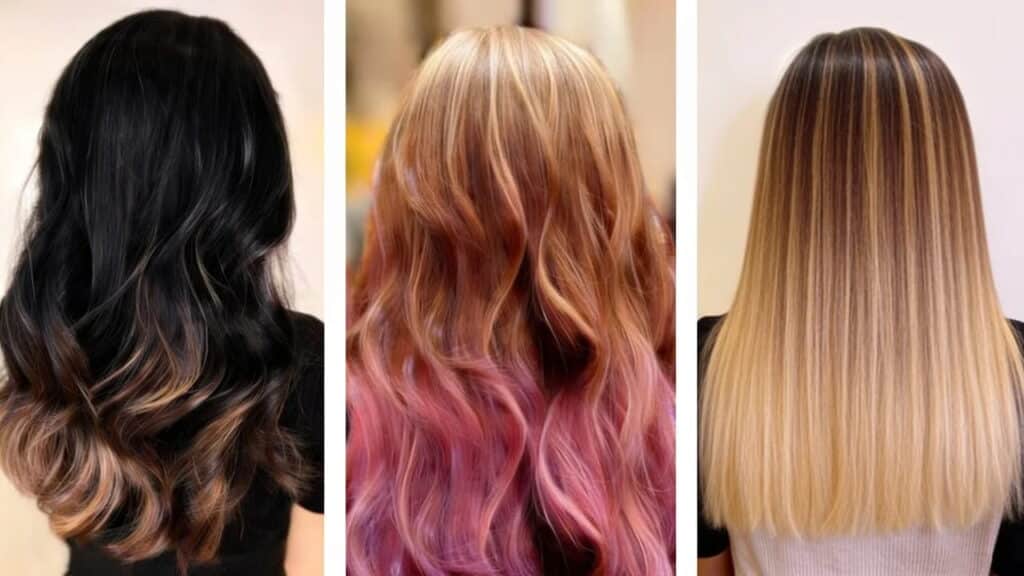
- Hair: Neat, clean, and away from the face. A low bun or simple blowout works best; overly voluminous styles or unintentional-looking messy buns work against the overall effort.
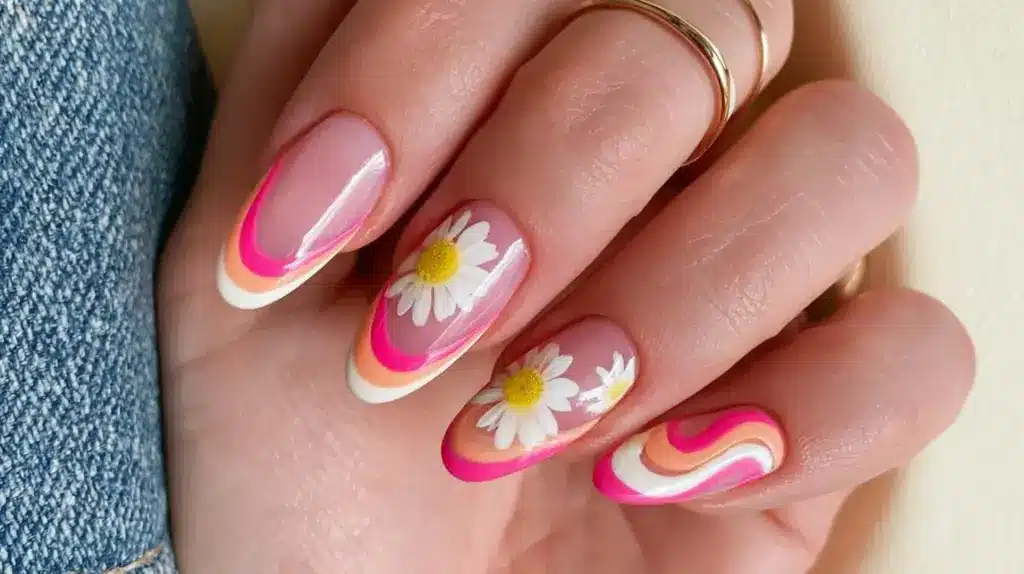
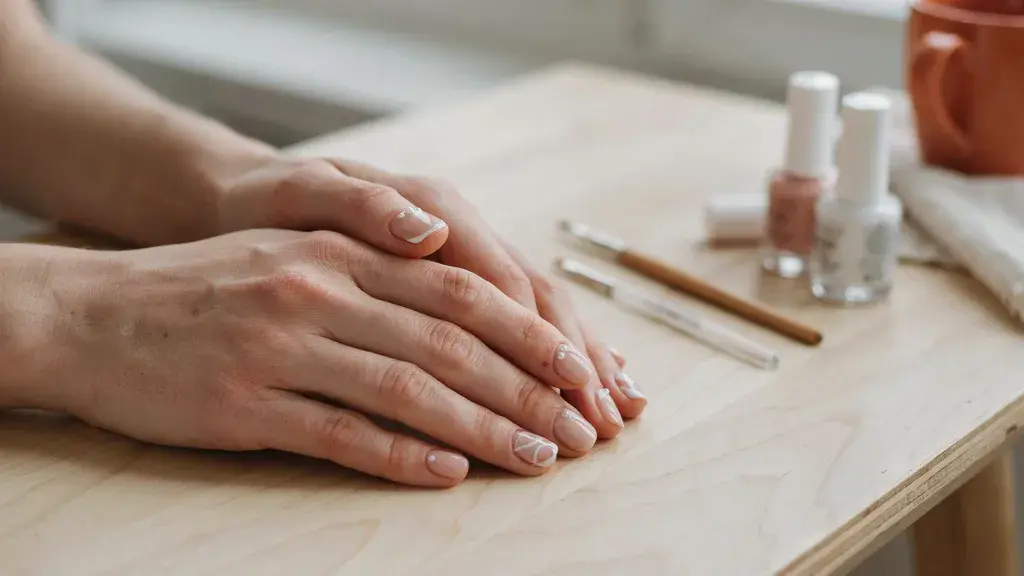
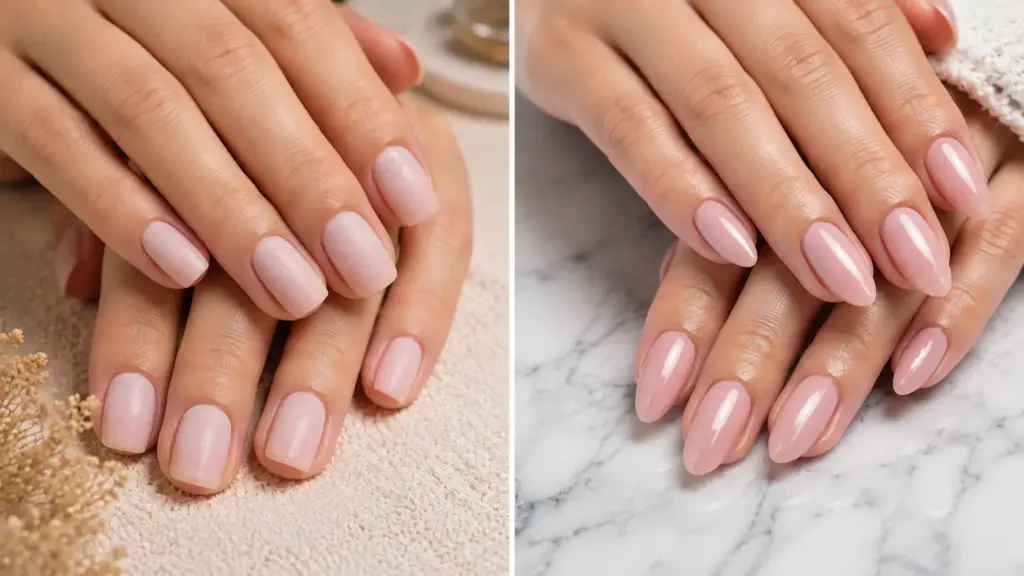
- Nails: Clean, trimmed, and neutral. Nude or pale pink polish reads as polished without being distracting; very long acrylics or bold nail art draw unnecessary attention.
- Fragrance: Light or none. Courtrooms are enclosed with limited ventilation, and heavy perfume can genuinely irritate judges and court officials sitting in close proximity.
- Skin and face: Clean and moisturized is enough. Heavy contouring, dramatic lashes, or bold lip colors shift focus away from what actually matters in the room.
- Hygiene and breath: More noticeable than most people factor in. Stress and close proximity make both impossible to ignore, so these deserve as much attention as the outfit itself.
Clothing covers the first impression, but these finishing touches are what make it stick and feel complete.
Final Thoughts
By now, you’ve seen that dressing for court doesn’t have to be complicated. When you focus on neutral colors, modest silhouettes, structured layers, clean shoes, and simple grooming, you remove distractions and present yourself with confidence.
I’ve outlined what works, what to avoid, and how to adjust your outfit based on your role, along with budget-friendly solutions so cost never becomes a barrier.
The goal isn’t perfection; it’s intention. When you walk into that courtroom looking prepared and composed, you free your mind to focus on what truly matters.
Take a few minutes today to plan your outfit using this guide. If it helped you, share your thoughts below or pass it along to someone who needs it.