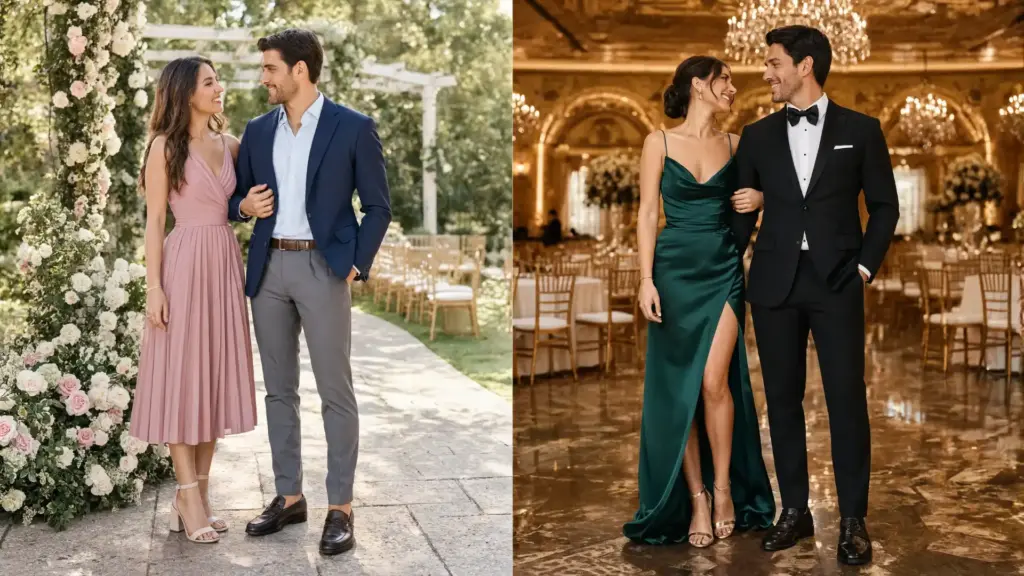

For years, I thought a smart casual dress code for women meant just a pantsuit. This dress code was really the hill I was ready to die on. Turns out it has more layers than an onion.
I have been frazzled by this many times. Thinking, what can I wear besides my boring pantsuit set? The confusion is real; it sits in that tricky middle ground where business wear feels too stiff and weekend clothes feel too relaxed.
Like when you’re standing in front of a closet with nothing to wear. Once I explain the logic, you won’t only get it but will also excel at choosing daily smart casual outfits. Let me give you the pep talk on the aforementioned smart-casual look.
What Does Smart Casual Mean for Women, Really?
Context matters more than most people realize when it comes to dressing well. Smart casual sits between full business attire and everyday casual clothing, structured but not stiff, relaxed but not sloppy. It is just one of many different fashion styles guides that shape how women dress across different settings.
The dress code shows up across a wide range of settings: office environments with flexible policies, dinner reservations, client lunches, creative workplace events, and semi-formal social occasions.
From my personal experience, understanding where you are going and who will be there makes all the difference in how polished the final outfit needs to be.
A work lunch reads differently from a rooftop dinner, even when both technically fall under the same dress code label.
Smart casual attire for women is built on one consistent principle: balance. You pair one refined, structured piece with something more relaxed, keeping the overall look clean and intentional rather than overdressed or thrown together.
Must-Have Pieces for Smart Casual Looks

Building a wardrobe that answers this dress code without stress comes down to owning the right starting points.
From experience, a small selection of well-chosen pieces covers far more ground than a full closet of options that do not quite work together. Here is what you must have:
- Structured blazer in a neutral, navy, camel, black, or grey
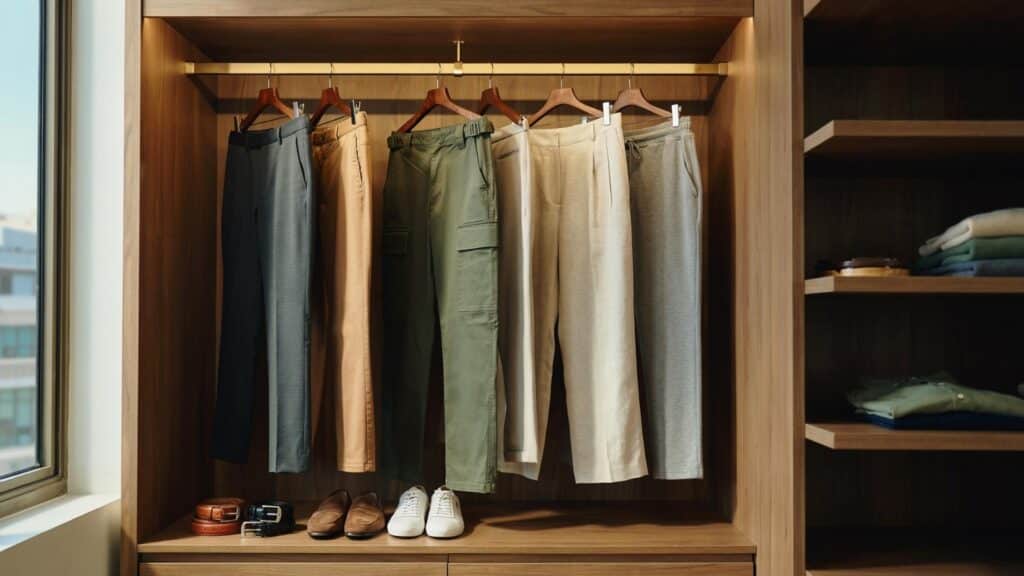
- Tailored trousers in two colours, one dark, one neutral, and if you are unsure which cuts work best
- Crisp button-down shirt: white or a soft stripe, works tucked, layered, or alone
- Dark-wash straight-leg jeans: clean, fitted, no distressing
- Midi dress: wrap or shirt-dress style in a solid or subtle print
- Fine-knit sweater: in a neutral tone
- Loafers or ankle boots: at least one pair that works across multiple outfits
- Structured leather bag: tote or top-handle in a neutral
These are not trend pieces; they are the foundation for every smart-casual outfit can be built around. Get the fit right on each one, and the rest takes care of itself.
Smart Casual Outfit Combinations for Women
Some outfit combinations just work, and from my personal experience, these are the ones worth returning to. Each one follows the same logic: one structured piece, clean proportions, and a clear sense of intention.
1. The Classic Office Look

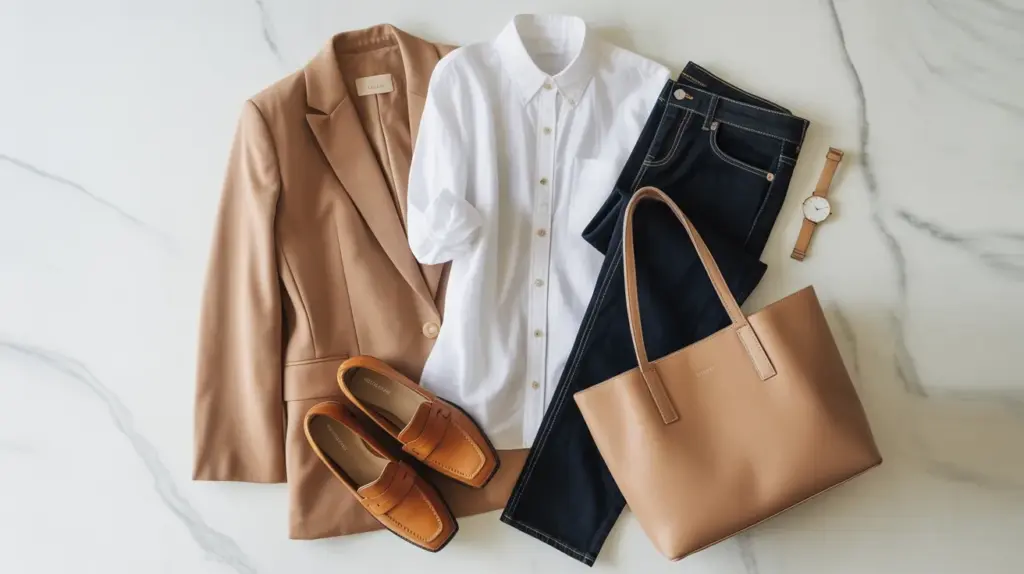
A structured blazer over a crisp button-down shirt, paired with well-pressed tailored trousers and loafers, is the combination that rarely goes wrong.
If you are still figuring out which trouser cut suits you best, finding a women’s pants styles guide makes that decision much clearer. The pieces are clean, the proportions straightforward, and nothing tips too formal or too relaxed.
Keeping the palette tight to navy, camel, white, and grey makes this the most dependable outfit in a smart-casual rotation.
2. The Raised Jeans Formula

Dark-wash jeans earn their place in smart casual when they are clean, well-fitted, and free from distressing. If you have ever wondered whether dark jeans work professionally, the answer depends entirely on how they are styled.
A silk or structured blouse tucked at the front, paired with a block heel or a pointed-toe flat, does the polishing. This combination is a personal go-to for work lunches and casual Fridays; the jeans set the relaxed tone, while the top and shoes maintain the standard.
3. The Midi Dress Option

A midi wrap dress or shirt dress eliminates the need to coordinate separates entirely. Paired with ankle boots and a blazer draped over the shoulders, it hits the smart-casual mark in almost every setting.
The midi length keeps proportions appropriate, the structured fabric keeps it polished, and the outer layer ensures it reads correctly even in more formal environments.
4. The Relaxed-but-Polished Combination

Not every occasion calls for heels. A fine-knit sweater paired with tailored chinos and minimal leather sneakers sits comfortably within the dress code without effort.
This combination works well in creative workplaces and travel settings where comfort matters but appearance still counts. Fit is everything here; the moment anything goes oversized or sloppy, the look loses its footing.
5. The Summer-Ready Version

Warm weather does not have to compromise the standard. Lightweight linen trousers paired with a short-sleeve structured blouse and clean flat sandals keep things cool while staying within the dress code.
Knowing women’s blouse and top styles helps you pick the right fabric and cut for warmer months. Avoid anything sheer without a proper layer, and resist making both top and bottom flowy at the same time; one relaxed piece works; two reads as too casual.
Smart Casual Styling Tips
Getting the dress code right is less about memorising rules and more about building a few reliable habits. These are the ones that make the most difference in practice:
- Anchor every outfit with one structured piece: a blazer, a crisp shirt, or a structured shoe.
- Prioritise fit above everything else: a well-fitting basic outperforms an expensive piece that does not sit right. Small alterations are worth it.
- Keep the palette to two or three tones: tonal outfits with one contrasting piece almost always look more considered than mixed patterns.
- Dress for the specific setting, not just the label: a creative agency and a client dinner both say smart casual, but they read very differently. Lean slightly more polished when uncertain.
- Let shoes set the register: the same outfit in loafers versus trainers tells a different story. Choose footwear deliberately.
- One statement accessory at a time: a bold earring or a structured bag works; both together compete.
- Check for visible wear: scuffed shoes, pilling fabric, and faded denim quietly undermine an otherwise solid outfit.
Dressing well for this dress code is mostly a matter of consistency. Get the fit right, keep one structured piece in the mix, and the rest follows naturally.
Accessories for Smart Casual Outfits
Accessories need not be an afterthought. The right ones pull an outfit together; the wrong ones quietly undo it. A quick reference for what works and what to skip:
| Accessory | Works Well | Avoid |
| Bags | Structured leather tote, top-handle bag, minimal crossbody | Graphic canvas totes, gym bags, heavily logo-covered styles |
| Jewellery | Small hoops, slim chain necklace, thin watch, simple ring stack | Multiple statement pieces at once |
| Shoes | Loafers, ankle boots, block heels, minimal leather sneakers | Athletic trainers, flip-flops, heavily worn flats |
| Belts | Slim leather belt in a neutral tone | Wide statement belts that overpower the outfit |
| Scarves | Silk scarf at the neck or tied to a bag handle | Bulky knit scarves that add too much volume |
The rule worth keeping in mind: one statement piece at a time. When the outfit is already structured and considered, accessories should finish the look rather than compete with it.
What to Avoid when Dressing Smart Casual

A few categories consistently fall outside the smart casual dress code, regardless of how they are styled:
- Ripped or heavily faded denim: the distressing reads as casual, not smart
- Hoodies and sweatpants: no combination of accessories makes these smart casual
- Flip-flops and slides without structure: too relaxed for the dress code
- Gym wear of any kind: leggings, sports bras, athletic tanks
- Very tight or very oversized clothing: both break the clean, intentional look the dress code requires
- Heavily formal evening gowns: smart casual is not black-tie adjacent.
Similarly, dressing for grief occasions follows an entirely different set of principles that sit well outside this dress code.
When something on this list appears in an outfit, the overall look shifts outside the zone, either too casual to be smart or too formal to be casual.
Smart Casual vs Business Casual: Knowing the Difference
Both smart casual and business casual are polished dress codes, but they serve different settings. Here’s a quick breakdown of what sets them apart:
| Element | Business Casual | Smart Casual |
| Setting | Professional / office environment | Social, semi-formal, or relaxed events |
| Trousers | Dress trousers | Dress trousers or dark jeans |
| Tops | Formal blouses, structured shirts | Blouses, smart tops, softer silhouettes |
| Footwear | Structured heels, dress shoes | Heels, loafers, or clean sneakers |
| Patterns | Minimal | More flexibility |
| Overall tone | Corporate, polished | Relaxed, but put-together |
When in doubt, dress slightly more polished; it’s far easier to soften a structured outfit by rolling sleeves or losing a jacket than to elevate one that reads too casual.
The Smart Casual Shift: What’s Trending for Women This Year
Right now, smart-casual outfits for women are all about raised comfort and polished ease that work from work to weekend without stress.
Fashion this year leans toward soft tailoring and relaxed silhouettes, think wide-leg trousers paired with refined tops, or raised knitwear that feels intentional rather than thrown together.
Designers and style editors are highlighting high knits and structured pieces that feel simple yet thoughtful, rather than stiff or overly formal, making them perfect for hybrid workdays or casual dinners out.
There’s a fresh mix of relaxed blazers, flowing trousers, and pieces that transition easily between settings while still feeling put-together. Denim silhouettes are shifting too, with classic straight and cigarette cuts gaining traction as a clean alternative to overly casual jeans.
Neutral tones like khaki are also having a moment, and knowing what colors match khaki makes building these outfits effortless.
I’m personally drawn to looks that blend comfort with subtle structure; they let me feel relaxed and confident without trying too hard, which feels especially right for everyday smart casual outfits in 2026.
Final Thoughts
Smart casual is one of the most practical dress codes once the core logic clicks. It is not about owning specific items or following rigid rules; it is about balance.
From personal experience, the outfits that work best are never the most complicated ones. One structured piece, proper fit, clean lines, and the right shoes cover most of what the dress code requires.
The smart casual dress code, which women often find confusing, becomes straightforward when balance stays at the centre of every outfit decision.
Build around a few reliable pieces, use the styling tips as a quick reference, and dressing for any smart casual occasion stops feeling like guesswork. Drop a comment below and share your favourite outfit combinations.